Chihuahua Eye Injuries and Prominent Eyes
It’s a heartbreaking sight when your tiny Chihuahua squints, paws at their face, or shows any discomfort in their precious, prominent eyes. These little dogs, with their captivating, often bulging, eyes and unique skull structure, are unfortunately predisposed to a range of eye issues, from minor scratches to serious injuries. This comprehensive guide will walk you through why their eyes are so vulnerable, how to spot the signs of trouble, what immediate steps you can take, and most importantly, how to protect those beautiful, delicate peepers from harm.
Why Chihuahua Eyes Are So Prominent and Vulnerable
Let's be honest, those big, expressive eyes are a huge part of what makes Chihuahuas so endearing. But what makes them cute also makes them incredibly susceptible to injury. It’s not just a matter of aesthetics; it's deeply rooted in their unique anatomy. Understanding this is the first step in truly protecting your little companion.
The Apple-Head Skull and Shallow Eye Sockets
The characteristic "apple-head" skull shape, common in many Chihuahuas and a hallmark of the breed standard, plays a significant role in their ocular vulnerability. Unlike many other breeds with deeper eye sockets that offer more protection, a Chihuahua's eyes tend to sit quite shallowly within the orbit. Imagine trying to protect an apple resting almost on the surface of a plate, rather than nestled deeply within a bowl. This lack of bony protection means their eyeballs are simply more exposed to the world around them.
Because the socket is shallow, the eye itself protrudes more. This means there's less tissue and bone to act as a barrier against bumps, scrapes, or direct impacts. Even a minor collision with furniture, a clumsy step from a larger pet, or a playful paw swipe from another dog can result in a direct hit to the eyeball itself, rather than glancing off the brow bone as it might in a breed with more recessed eyes. Owners often express frustration because they feel like their dog is constantly running into trouble, but it's not clumsiness as much as it is anatomical predisposition. You can learn more about specific Chihuahua Eye Problems in a Shallow Socket.
Natural Lack of Protective Features
Beyond the shallow sockets, Chihuahuas also tend to have a less pronounced brow ridge compared to many other dogs. The brow ridge, or supraorbital arch, acts like a natural visor, deflecting objects from the eye. In Chihuahuas, this protective ridge is often minimal, leaving the eye even more exposed. Think of it like a baseball catcher without a helmet brim – the ball has a more direct path to the face.
Their eyelids also might not fully cover the entire surface of the eye during a blink, especially when they are excited or looking around quickly. This can leave a small portion of the cornea exposed, leading to conditions like dry eye or making them more prone to irritation from dust, wind, or allergens. It's a constant battle for some Chihuahuas to maintain adequate moisture, a problem that often goes unnoticed until a bigger issue arises. This constant exposure is a frustrating reality for many Chihuahua parents.
Common Types of Chihuahua Eye Injuries
Given their prominent eyes, Chihuahuas are unfortunately prone to several specific types of eye injuries and conditions. It’s not just about a scratch; these little ones can face a range of issues that require immediate attention to prevent permanent damage or vision loss.
Corneal Abrasions and Ulcers
One of the most frequent issues we see in Chihuahuas is a corneal abrasion. This is essentially a scratch on the surface of the cornea, the transparent outer layer of the eye. It can happen from the most innocuous things: a rough blade of grass, a piece of dust flying into their eye, a sharp corner of furniture, or even another pet's claw during playtime. While it sounds minor, an abrasion can be incredibly painful for your Chihuahua. They might squint, tear up, or try to rub their eye with their paw.
If an abrasion isn't treated promptly, or if it's deep enough, it can quickly progress into a corneal ulcer. An ulcer is a deeper, more severe wound where layers of the cornea have been lost. These are far more serious and carry a higher risk of infection and complications, potentially leading to permanent scarring or even rupture of the eyeball if left unchecked. A Chihuahua's eye, already exposed, struggles even more to heal when faced with such an open wound. It's truly heartbreaking to see them in such pain, and getting veterinary care for Corneal Ulcers in a Chihuahua is critical.
Scratches, Punctures, and Foreign Objects
Beyond surface abrasions, Chihuahuas are also at risk for more direct and severe trauma, such as deep scratches or punctures. Imagine them running through dense undergrowth in the garden, and a sharp twig catches their eye. Or perhaps a cat, feeling threatened, lashes out and causes a direct injury. These types of wounds are emergency situations, as they can penetrate beyond the cornea, potentially damaging the internal structures of the eye.
Foreign objects can also become lodged in a Chihuahua's eye. A tiny piece of debris, a seed, a strand of hair, or even a small insect can cause immense irritation and discomfort. Their large eyes can act like little magnets for these irritants. If you notice your Chihuahua frantically pawing at their eye, blinking excessively, or if you can actually see something in their eye that won't rinse away, it needs immediate veterinary attention. These aren't issues that will just "get better" on their own; they need a professional eye.
Dry Eye (Keratoconjunctivitis Sicca)
While not always a direct "injury," dry eye is a common condition in Chihuahuas that can make them much more prone to injury and infection. Dry Eye Behind a Chihuahua's Prominent Eyes occurs when the tear glands don't produce enough tears to keep the eye adequately lubricated. Tears are vital not just for moisture but also for washing away debris and providing essential nutrients to the cornea. Without enough tears, the eye becomes dry, irritated, and essentially defenseless.
A dry eye is like a dusty, cracked windshield – it's more easily scratched and prone to damage. The lack of lubricating tears means that even blinking can cause friction and irritation, making the eye more susceptible to abrasions from everyday activities. Furthermore, the dryness can lead to chronic inflammation, redness, and a thick, yellowish discharge that many owners mistake for an infection, when it's often a symptom of dry eye itself. This condition requires lifelong management, often with prescription eye drops, to prevent further complications and improve the dog's quality of life.
Eyelash Abnormalities and Other Issues
Sometimes, the problem isn't external but internal, stemming from genetic predispositions that affect the eyelids and eyelashes. Distichiasis is a condition where extra eyelashes grow from abnormal spots on the eyelid, often pointing inward and rubbing against the cornea with every blink. Trichiasis is when normally growing eyelashes or hairs on the eyelid are misdirected and rub against the eye. Both can cause chronic irritation, pain, and lead to corneal abrasions or ulcers over time.
Another condition is entropion, where a portion of the eyelid rolls inward, causing the eyelashes and skin to constantly rub against the cornea. Ectropion is the opposite, where the eyelid rolls outward, leaving the eye exposed and vulnerable to dryness and foreign objects. While less common in Chihuahuas than some other breeds, these issues can occur and require veterinary assessment, sometimes even surgical correction, to prevent ongoing damage and discomfort. Owners often feel a deep sense of guilt when they realize something genetic is causing their dog pain, but these are often beyond our control, and early intervention is key.
Recognizing the Signs of an Eye Injury
When your Chihuahua sustains an eye injury, early detection is absolutely critical to preventing more severe complications. Since they can't tell us what hurts, it's up to us, their devoted parents, to be vigilant and recognize the subtle and not-so-subtle signs of trouble. Don't wait; even minor symptoms can indicate a serious problem.
Subtle Behavioral and Physical Clues
Sometimes, the signs of an eye injury are not glaringly obvious. Your Chihuahua might not immediately hold their eye completely shut, but there could be subtle changes in their behavior or the appearance of their eye. Look for a slight increase in blinking, perhaps a bit more often than usual, or a subtle squint that comes and goes. This might indicate discomfort or irritation. They might also start pawing gently at their face or rubbing their eye against furniture or your leg more frequently. This is their way of trying to relieve the itch or pain.
Physically, pay close attention to the area around the eye. Is there any mild redness in the whites of the eye (sclera) or on the inner lining of the eyelids? Is there a slight increase in clear, watery discharge that wasn't there before? Sometimes, their eyes might just appear a little "dull" or less bright than usual. They might also become a bit more withdrawn or quieter, especially if the pain is significant. If your normally playful pup is suddenly less enthusiastic about their walk or interactive toys, an eye issue could be the culprit.
Obvious Symptoms Requiring Immediate Attention
While subtle signs warrant careful observation, some symptoms are a clear red flag that screams "emergency vet visit." If you notice any of these, don't delay – get your Chihuahua to a veterinarian as quickly as possible. These include:
- Severe Squinting or Holding Eye Shut: If your Chihuahua is keeping one eye completely or mostly closed, it indicates significant pain.
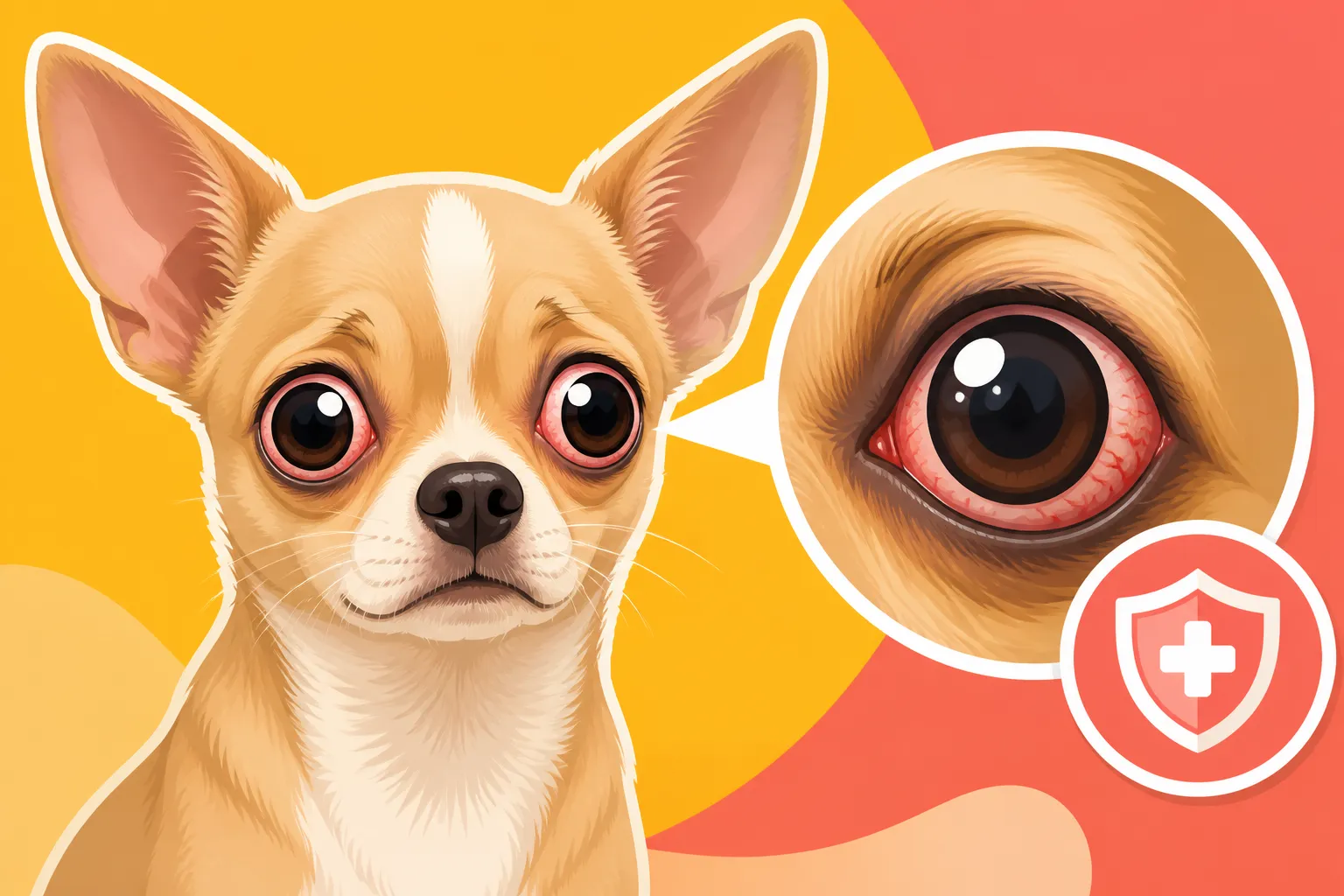
- Pronounced Redness: Bright red irritation in the whites of the eye or along the eyelids.
- Thick or Colored Discharge: Green, yellow, or pus-like discharge points to infection. Even excessive clear, watery discharge can signal severe irritation.
- Swelling: Any swelling of the eyelids or around the eye.
- Visible Injury: If you can see a foreign object, a deep scratch, or any visible trauma to the eyeball itself.
- Cloudiness or Change in Eye Color: A blueish haze, cloudiness, or a noticeable change in the color of the cornea or pupil could indicate an ulcer, glaucoma, or other severe internal eye damage.
- Excessive Pawing or Rubbing: More aggressive attempts to rub or scratch the eye can lead to self-inflicted wounds, exacerbating the problem.
- Light Sensitivity: Your Chihuahua might avoid bright lights or seek out darker areas.
It's important to remember that for such a tiny dog, any eye issue can escalate rapidly. What seems minor one hour can be very serious the next. When in doubt, always err on the side of caution and consult your vet.
First Aid and When to Seek Veterinary Care
Discovering your Chihuahua has an eye injury can be incredibly stressful and worrying. Your first instinct might be to panic, but staying calm and knowing what steps to take (and what not to do) is crucial. While some basic first aid can be helpful, understanding when to immediately rush to the vet is paramount.
Gentle Cleaning and Protecting the Eye
If you notice mild irritation or a foreign object that seems superficial, you can attempt some gentle first aid at home. The goal is to flush out any irritants and prevent your Chihuahua from further damaging their eye.
- Flush Gently: Using a sterile saline solution (the kind for human contact lenses, not medicated eye drops) or even clean, cool water, gently flush the eye. You can use an eyedropper, a syringe without a needle, or even a soft stream from a bottle, directing the flow from the inner corner of the eye towards the outer corner. The aim is to wash away any dust, loose hair, or small debris. Do not rub the eye.
- Prevent Pawing: One of the biggest risks after an eye injury is your Chihuahua self-traumatizing the eye by rubbing or pawing at it. This can turn a minor scratch into a deep ulcer. If you have an Elizabethan collar (e-collar or "cone") from a previous vet visit, this is the time to put it on. If not, try to gently distract them or keep them from rubbing until you can get to the vet.
- Avoid Home Remedies: Resist the urge to use human eye drops, ointments, or any other household remedies unless specifically instructed by your vet. Many human products can be harmful or irritating to a dog's eye.
Remember, this gentle first aid is only for very mild irritation or suspected superficial foreign objects. If you're unsure, or if symptoms persist, it's time for professional help.
Deciding Between Emergency and Non-Emergency Care
Knowing when an eye issue constitutes a true emergency versus something that can wait until your regular vet opens can be tough. For Chihuahuas, because their eyes are so vulnerable and injuries can escalate quickly, it's often safer to assume it's an emergency if certain symptoms are present.
Go to an Emergency Vet Immediately if:
- Your Chihuahua is holding their eye completely shut and is in obvious pain.
- You see any visible foreign object embedded in the eyeball.
- There's a deep laceration or puncture wound.
- The eye appears cloudy, blue, or has changed color.
- There's thick, green, or yellow discharge, indicating a severe infection.
- The eyeball looks swollen or is bulging more than usual (proptosis).
- There's any bleeding from or around the eye.
- Your Chihuahua has suddenly become blind in one or both eyes.
In these situations, time is of the essence to save vision and prevent irreversible damage. Don't wait for your regular vet's office to open; head straight to the nearest emergency animal hospital. It's in these moments that having pet insurance, like a plan from Healthy Paws, can be an absolute lifesaver, allowing you to focus on your Chihuahua's immediate care rather than the daunting cost.
Contact Your Regular Vet for an Urgent Appointment if:
- There's mild squinting that started recently.
- Slight redness or irritation.
- Clear, watery discharge that persists for more than a few hours.
- Your Chihuahua is pawing at their eye intermittently.
- You suspect a mild dry eye flare-up or an eyelash abnormality.
Even these "urgent" cases still require prompt veterinary attention, usually within 24 hours, to prevent them from worsening. Always call ahead to describe the symptoms so the clinic can advise you best. Being prepared for these unexpected costs is crucial, as Chihuahua Surgery Costs at Toy Size can be significant for serious eye injuries.
| Symptom / Observation | Recommended Action | Urgency Level |
|---|---|---|
| Mild squinting / pawing | Observe; contact vet for urgent appt | Urgent (within 24 hrs) |
| Clear, watery discharge | Gentle flush; contact vet if persists | Urgent (within 24 hrs) |
| Slight redness in whites | Observe; contact vet for urgent appt | Urgent (within 24 hrs) |
| Eye held completely shut | Emergency Vet Immediately | Critical |
| Thick, colored discharge | Emergency Vet Immediately | Critical |
| Visible foreign object | Emergency Vet Immediately | Critical |
| Cloudiness/Color change | Emergency Vet Immediately | Critical |
| Swelling of eyelids/eye | Emergency Vet Immediately | Critical |
| Bleeding from eye | Emergency Vet Immediately | Critical |
Preventative Measures for Protecting Chihuahua Eyes
Given how susceptible Chihuahuas are to eye injuries, prevention really is worth a pound of cure. Taking proactive steps can significantly reduce the risk of those scary, painful eye emergencies. It's all about making their environment safer and incorporating smart habits into your daily routine.
Environmental Safety and "Chihuahua-Proofing" Your Home
Your home, a haven for you, can be a minefield for your tiny Chihuahua's eyes. Start by getting down to their level and looking around. What might be an innocuous object to you could be a direct eye hazard for them?
- Clear Low-Lying Hazards: Remove sharp-edged furniture at their eye level. Be mindful of low-hanging plants with pointy leaves, electrical cords, or even rigid toy parts that could poke an eye. Remember, their line of sight is very different from yours.
- Supervise Playtime: Whether with children or other pets, always supervise. A larger dog's wagging tail or a playful paw can easily strike a Chihuahua's eye. If you have children, teach them how to gently interact with your Chihuahua and understand the fragility of their eyes.
- Outdoor Awareness: When outside, be extremely cautious. Avoid areas with tall grass, thorny bushes, or prickly weeds. A simple walk through a field can lead to a corneal scratch from a stray seed or branch. Consider carrying your Chihuahua in particularly risky areas. And remember, during playtime, even a small pebble kicked up can cause damage.
- Car Safety: If your Chihuahua loves to ride with their head out the window, reconsider. Wind, dust, insects, and road debris can all cause severe eye trauma. Use a secure car seat or carrier to keep them safe and inside the vehicle.
By making conscious changes to their immediate surroundings, you drastically reduce their chances of accidental injury.
Harness Use Over Collars
This might seem unrelated to eye health, but for Chihuahuas, it's actually quite important. When a Chihuahua pulls against a collar, even a well-fitted one, it can put significant pressure on their neck and throat area. For a breed prone to tracheal collapse (which causes that distinctive honking cough), this is a well-known risk. What many owners don't realize is that this neck pressure can also temporarily increase pressure around the head and eyes.
In extreme cases, a sudden, forceful pull against a collar could, theoretically, exacerbate the protrusion of their already prominent eyes, making them even more vulnerable to injury or even leading to proptosis (where the eyeball pops out of its socket), though this is rare. Using a well-fitting harness, like those recommended for Harnesses That Spare a Chihuahua Windpipe, distributes pressure across their chest and shoulders, completely eliminating any strain on their delicate neck and, by extension, reducing pressure on their head and eyes. It's a simple switch that offers multiple health benefits.
Regular Grooming and Eye Care
Maintaining good hygiene and regular grooming can go a long way in preventing eye issues.
- Keep Hair Trimmed: For long-haired Chihuahuas, or even smooth coats with longer facial hair, ensure the hair around their eyes is always neatly trimmed. Hair can constantly rub against the cornea, causing irritation or acting as a wick for debris. If you're uncomfortable trimming it yourself, a professional groomer or your vet's office can do it safely.
- Daily Face Wipes: Make it a habit to gently wipe your Chihuahua's face daily with a soft, damp cloth, especially around their eyes. This helps remove tear stains, crust, and any small debris before it can cause irritation or infection. Many Chihuahuas have Chihuahua Tear Staining Under the Eyes which needs regular cleaning.
- Check Eyelashes: Periodically check your Chihuahua's eyelashes to ensure they aren't growing abnormally or turning inward. If you notice any issues, consult your vet immediately.
Routine Veterinary Check-ups
Regular veterinary check-ups are not just for vaccinations; they're essential for comprehensive health monitoring, including eye health. Your vet can spot subtle signs of developing eye conditions, such as early stages of dry eye or eyelash abnormalities, before they become painful injuries. During these visits, your vet will perform a thorough eye exam, often using specialized tools to look for underlying issues.
These routine check-ups are also a great time to discuss any concerns you have, even if they seem minor. Maybe you've noticed a slight increase in blinking or a tiny bit more discharge. Your vet can put your mind at ease or recommend early intervention. For pet owners concerned about the costs of ongoing care, especially for a long-lived breed like the Chihuahua, exploring pet insurance options from providers like Healthy Paws could be a wise decision. They can help cover unexpected vet bills from accidents or illnesses, including eye conditions. Investing in preventative care now can save you a lot of heartache and expense down the road. You can also explore The Monthly Cost of Keeping a Chihuahua to get an idea of overall expenses.
Living with a Chihuahua Prone to Eye Issues
Some Chihuahuas, despite all preventative efforts, simply have more sensitive or vulnerable eyes due to their genetics or past injuries. If you find yourself in this situation, it’s not a sign of failure; it just means adapting your care routine to provide them with the best quality of life possible. This involves a long-term strategy of management, specialized products, and sometimes, behavioral adjustments for your tiny companion.
Managing Chronic Eye Conditions
If your Chihuahua has been diagnosed with a chronic eye condition like dry eye (KCS) or persistent eyelash abnormalities, the key is consistent, diligent management. This usually means a routine of daily medications or treatments.
- Daily Eye Drops/Ointments: For dry eye, your vet will likely prescribe lubricating eye drops, tear stimulants (like cyclosporine or tacrolimus), or artificial tears. These need to be administered regularly, sometimes multiple times a day, for the rest of their life. This can be challenging at first, but with patience and positive reinforcement, your Chihuahua will get used to it. Missing doses can lead to flare-ups and increase the risk of secondary infections or ulcers.
- Regular Vet Follow-ups: Chronic conditions require regular re-evaluations with your vet, sometimes with a veterinary ophthalmologist, to monitor progress, adjust medications, and catch any new issues early. These specialists have advanced equipment to examine the intricate structures of the eye.
- Understanding Flare-ups: Learn to recognize the early signs of a flare-up specific to your Chihuahua's condition. For dry eye, this might be increased redness or discharge. Knowing these signs allows you to address them quickly, potentially preventing a more severe crisis.
It can feel overwhelming to manage a chronic condition, but seeing your Chihuahua comfortable and pain-free makes it all worthwhile. Remember to discuss with your vet about covering these chronic care costs; many pet insurance plans, such as those from Healthy Paws, offer coverage for ongoing conditions once the initial waiting periods are met and if the condition isn't pre-existing.
Specialized Products and Environmental Adjustments
Beyond medication, there are several products and environmental adjustments that can make life easier and safer for a Chihuahua with sensitive eyes.
- Protective Eyewear: Yes, dog goggles or "doggles" exist! For Chihuahuas who spend a lot of time outdoors, especially in windy, dusty, or sunny conditions, Doggles can offer excellent protection against foreign objects, UV rays, and wind irritation. They take some getting used to, but many dogs tolerate them well. Brands like Doggles (the original, often seen on working dogs) or Rex Specs (more rugged) can be adapted for smaller breeds.
- Humidifiers: If you live in a dry climate or during winter when indoor heating dries out the air, a humidifier in the rooms where your Chihuahua spends most of their time can help keep their eyes (and respiratory system) more comfortable.
- Ramps and Steps: While important for protecting joints from Patellar Luxation, the Chihuahua's Commonest Joint Problem, ramps and steps also indirectly help protect eyes by preventing jumping. An awkward jump or fall from furniture can easily lead to a facial injury, including direct trauma to a prominent eye. Using ramps for beds and sofas minimizes this risk.
- Soft Bedding and Safe Toys: Opt for soft, plush bedding where they can burrow (Chihuahuas love to burrow!) without risking eye irritation from coarse fabrics. Choose toys without sharp edges or small, detachable parts that could poke an eye during vigorous play.
Behavioral Adjustments for Chihuahua Owners
Sometimes, we, as owners, need to adjust our behaviors and expectations to best protect our Chihuahua's eyes.
- Mindful Handling: Always approach your Chihuahua gently, especially around their head. Avoid sudden movements that could startle them and cause them to bump into something. If you're picking them up, ensure your hands are nowhere near their eyes. Learning to ask before you lift can also help your dog feel more secure and less likely to struggle.
- Advocate for Your Dog: When interacting with other people or dogs, be your Chihuahua's advocate. Politely ask strangers not to poke or prod at their face. If introducing them to other dogs, ensure the larger dog is calm and gentle, and always supervise closely. A playful nip or clumsy paw from a larger dog could have devastating consequences for a Chihuahua's eye.
- Leash Training and Control: Ensure your Chihuahua is well-leash trained and responsive to commands. A dog that lunges unpredictably can run into objects or other animals, increasing the risk of eye injury. While we want our Chihuahuas to be confident, maintaining control in unfamiliar or potentially risky environments is crucial. Consider further Training a Chihuahua Exactly Like a Big Dog to ensure they are well-mannered and safe.
- Regular Self-Checks: Beyond veterinary visits, make a habit of visually inspecting your Chihuahua's eyes daily. Look for clarity, discharge, redness, or any signs of irritation. The more familiar you are with their normal eye appearance, the quicker you'll spot any abnormalities. This vigilance is your best tool for early detection.
Living with a Chihuahua who is prone to eye issues requires patience, consistency, and a deep commitment to their well-being. But with the right approach, you can help them live a full, happy life with those beautiful eyes as healthy as possible.
Disclaimer
The information provided in this guide is for general educational purposes only and should not be considered a substitute for professional veterinary advice. Always consult with a qualified veterinarian regarding any medical condition or treatment for your Chihuahua, especially concerning eye injuries which require immediate and expert attention.