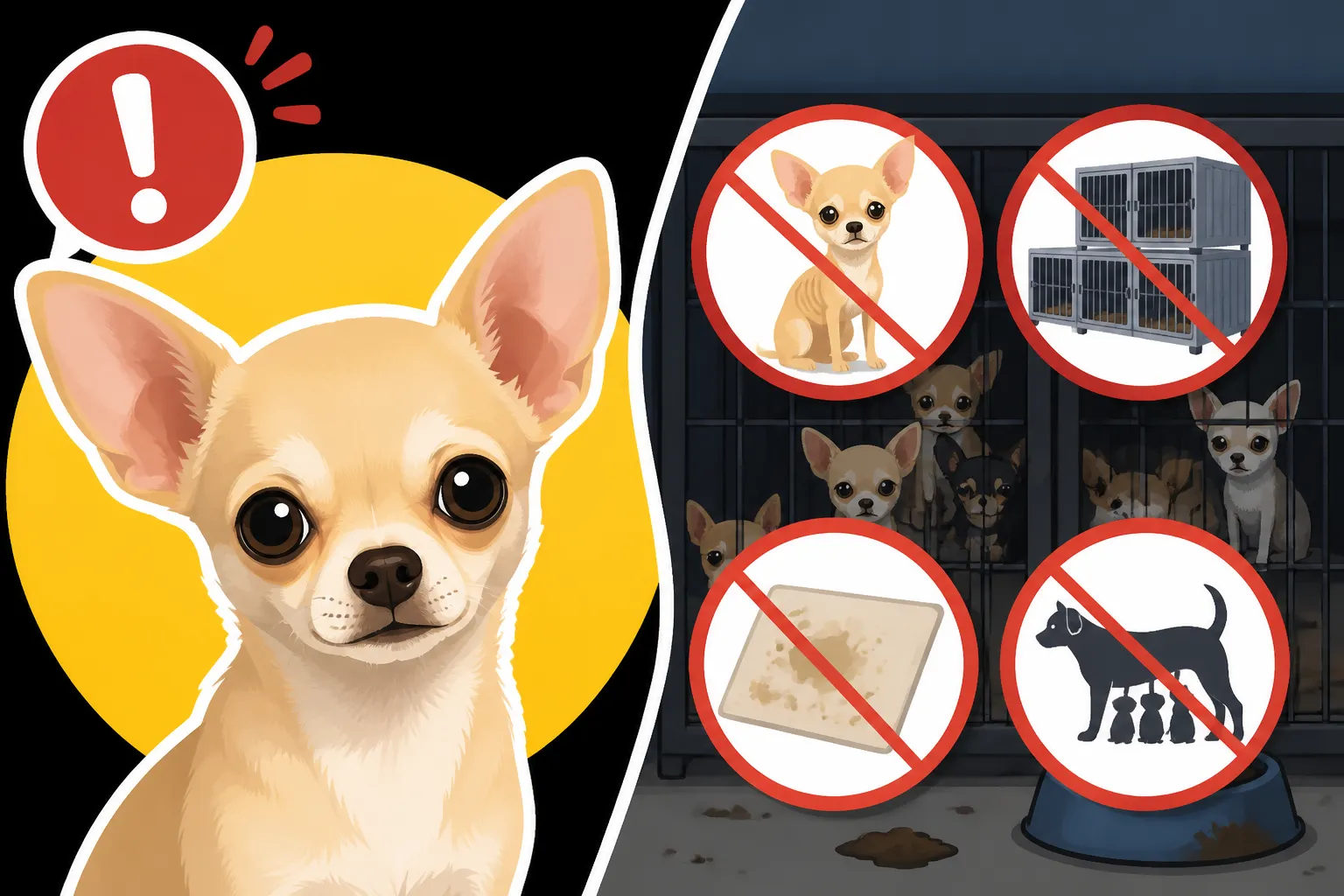
The Signs of a Chihuahua Mill Listing
Oh, the sheer excitement of bringing home a tiny Chihuahua puppy! It’s a dream for so many of us, picturing those big eyes and even bigger personalities. But before that dream becomes a reality, many hopeful owners find themselves navigating a tricky landscape, trying to distinguish between a loving, responsible breeder and a less-than-ethical operation. It's truly frustrating to be misled when your heart is set on welcoming a new family member. This guide is here to equip you with the knowledge to spot the tell-tale signs of a Chihuahua puppy mill listing, helping you make an informed and responsible choice.
Understanding What a Chihuahua Mill Actually Is
When we talk about puppy mills, it's often with a shudder, but what exactly does that term encompass, especially when you're just seeing an online ad? It's not always obvious, and sometimes, even well-meaning people inadvertently support them. These operations, driven by profit, often hide behind appealing photos and vague descriptions, making it incredibly difficult for the average person to tell the difference.
The Definition and Reality of Puppy Mills
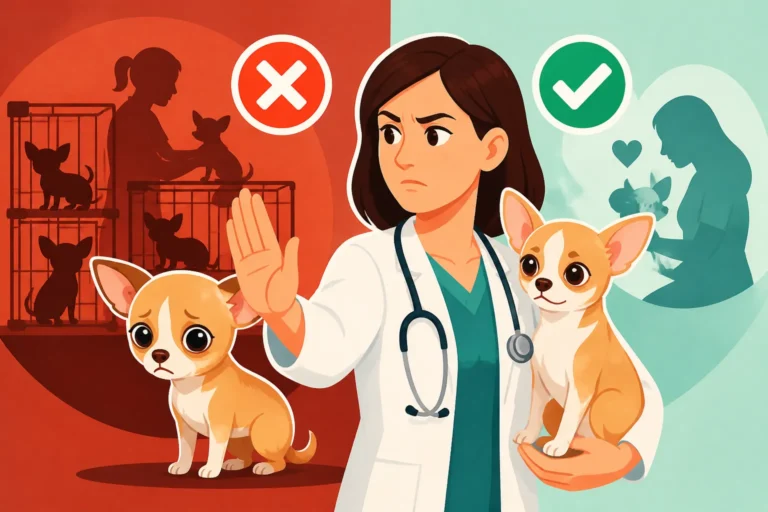
At its core, a puppy mill is a commercial breeding operation that prioritizes profit over the health and welfare of the dogs. Imagine an environment where breeding animals, often Chihuahuas due to their small size, live in overcrowded, unsanitary conditions, receiving minimal veterinary care, inadequate nutrition, and virtually no socialization or human interaction. They might spend their entire lives in small cages, never feeling soft grass beneath their paws or enjoying a loving human touch. The goal is simply to produce as many puppies as possible, as quickly as possible, to sell them for the highest possible price, often without regard for genetic health or temperament.
The impact on these dogs is heartbreaking and long-lasting. Puppies from mills are frequently prone to a host of health problems, from infectious diseases like parvovirus and kennel cough to chronic conditions like severe dental issues or parasites that responsible breeders screen for. Mentally and emotionally, they often suffer from extreme fear, anxiety, and behavioral issues due to their lack of early socialization. Their mothers, the breeding dogs, are typically bred back-to-back, year after year, until their bodies give out, then discarded. It’s a harsh reality that responsible breeders work tirelessly to counteract.
Why Chihuahuas Are Often Targeted by Mills
You might wonder why such a tiny, seemingly delicate breed like the Chihuahua would be a prime target for these operations. Unfortunately, their very nature makes them vulnerable. First, their small size means they take up less space, making it easier for mills to house a large number of breeding dogs and puppies in a confined area, often without detection. They can be transported more discreetly and are seen as "low maintenance" in terms of space requirements, which is a huge misconception.
Secondly, there's a consistently high demand for Chihuahuas, especially for specific traits. The allure of the "teacup" Chihuahua, a misleading and often unhealthy term, or the desire for "rare colors" like blue or merle, drives prices up and encourages unscrupulous breeders to cut corners. Many people don't realize that the "teacup" label often implies an undersized, genetically compromised animal, and certain "rare" colors can come with serious health risks if not bred properly. This demand makes Chihuahuas a lucrative choice for mass production, despite the ethical issues involved. The sad truth is, the more desirable and in-demand a breed is, the more likely it is to be exploited by puppy mills.
Red Flags in Online Listings and Advertisements
In today's digital age, the first contact with a potential breeder often happens online. Whether it's through a dedicated website, social media, or a general pet listing site, it's crucial to approach every ad with a discerning eye. Puppy mills have become incredibly savvy at creating appealing online facades, making it harder to spot the genuine article from a well-disguised scam.
Vague or Missing Information About the Parents and Breeding Practices
One of the biggest red flags you'll encounter is a severe lack of transparency. A responsible Chihuahua breeder is usually bursting with pride about their dogs and their breeding program. They want to educate you and ensure their puppies go to the best homes. Conversely, a mill listing will be incredibly sparse on details. You might see adorable pictures of puppies, but little to no information about the parents – their names, ages, health history, or even pictures beyond a fleeting glimpse.
They often won't mention any health testing. For Chihuahuas, specific genetic health clearances are paramount due to breed predispositions like patellar luxation, heart conditions, and eye problems. If there's no mention of Chihuahua Patella Certification Before Breeding or Cardiac and Eye Clearances on a Chihuahua Parent, it's a huge cause for concern. A good breeder actively screens for these issues to ensure they aren't passing on genetic problems. They will also talk openly about their dogs' temperaments, why they chose certain pairings, and how they raise their puppies. If the listing is generic, could apply to any breed, or uses stock photos, hit the back button immediately.
Unrealistic Pricing and Availability Claims
Pricing can be a tricky indicator because Chihuahua prices vary widely based on region, lineage, and demand. However, there are extremes that should make your alarm bells ring. Listings with unbelievably low prices – perhaps hundreds less than the going rate for a purebred Chihuahua – are often a tactic to move puppies quickly, especially if those puppies are unhealthy or come from poor conditions. Remember the old adage: if it seems too good to be true, it probably is. You might also encounter listings where puppies are priced exorbitantly for "teacup" size or "rare" colors without any verifiable health guarantees or proof of ethical breeding. Be very cautious with claims of "teacup" size, as it's not a recognized breed standard and often indicates a runt or an unhealthy, undersized dog. Similarly, be wary of breeders charging a premium for certain colors without explaining the genetics or any associated health risks, especially after reading Blue and Merle Chihuahua Pricing Warnings.
Another major red flag is constant availability. Responsible breeders have limited litters, often only one or two a year, to ensure proper care for their breeding dogs and puppies. They usually have waiting lists. If a breeder always has puppies ready to go, or multiple litters from different breeds advertised simultaneously, it's a strong indicator of a high-volume, potentially mill-like operation. Puppy mills treat dogs as commodities, and they will employ pushy sales tactics, demanding quick deposits or pressuring you to commit before you've had a chance to ask critical questions.
Communication Red Flags
The way a breeder communicates with you is perhaps one of the most telling signs. A responsible breeder will engage in a thorough conversation, often starting with an application or a lengthy phone call. They'll ask you as many questions as you ask them, wanting to ensure their puppy goes to a good, prepared home. They see it as an adoption, not a sale.
Mill operators, on the other hand, tend to be vague, evasive, or overly transactional. They might resist sharing specific details about their facility or refuse to allow in-person visits, often citing "biosecurity" concerns as a blanket excuse, or offering to meet in a neutral public location. While some caution is understandable, outright refusal is a huge red flag. They may seem unknowledgeable about the Chihuahua breed itself, unable to answer specific questions about their lineage, health history, common health issues like Chihuahua Hypoglycemia and the Puppy Emergency or Patellar Luxation, the Chihuahua's Commonest Joint Problem, or even basic puppy development. They might avoid phone calls, preferring text or email, which makes it easier to control the information they provide and avoid direct questioning. Any breeder who rushes you, avoids questions, or seems more interested in your payment than your suitability as an owner is likely one to avoid. This is a big purchase, one that impacts a life for over a decade, so you need to feel comfortable with your breeder. For more comprehensive information, you might find Questions Worth Asking a Chihuahua Breeder helpful.
Warning Signs During a Visit or Pickup
Even if an online listing seems somewhat convincing, the truth often reveals itself during an in-person visit or pickup. This is your chance to be Sherlock Holmes, observing everything from the environment to the animals themselves. Don't let your excitement blind you to potential problems.
Unsanitary or Overcrowded Conditions
When you arrive at the location, take a deep breath and observe. A responsible breeder’s home, kennel, or facility should be clean, well-maintained, and free from overwhelming odors. You should see evidence of dogs being part of a home environment, not just housed there. If you're hit with strong smells of urine or feces, or see visible waste, it's an immediate red flag. Overcrowding is another major issue. Are there too many dogs in one space? Are they confined to small, barren cages without toys, proper bedding, or access to fresh water? This is a hallmark of a puppy mill.
True breeders prioritize the health and comfort of their dogs. They provide ample space, clean conditions, and appropriate enrichment. You might see dogs playing in a securely fenced yard, or napping on comfortable beds. In a mill, you'll likely see dogs living in utilitarian, often outdoor or isolated, setups, designed for easy cleaning rather than comfort or socialization. They're typically just one step above what a hoarding situation looks like, with little to no care for the dog's mental or physical well-being.
Puppy and Parent Appearance and Behavior
Observe the puppies closely, and crucially, ask to see the mother (and ideally, the father if he is on site). The appearance and behavior of both the puppies and the parent dogs can tell you a lot. Puppies from a mill often look sickly. They might be dirty, matted, underweight, have dull coats, or show discharge from their eyes or nose. Look for signs of parasites like a potbelly or visible worms, or skin issues like bald patches. They might also be lethargic, overly shy, or constantly shaking, rather than being curious and playful.
The parents are just as important. If the breeder makes excuses for why you can't see the mother, be extremely wary. A loving mother dog will often be eager to show off her puppies, even if a little protective. Mill breeding dogs, however, are often fearful, anxious, or even aggressive, showing clear signs of neglect, poor socialization, or physical abuse. They might flinch from human touch, hide, or display Fear-Based Reactivity in a Chihuahua. Look for poor dental health, a common issue in neglected dogs, which could indicate Chihuahua Dental Disease in a Crowded Small Jaw if not cared for. These behaviors are not genetic; they are a direct result of their living conditions and lack of proper care, and they can be passed on behaviorally to their offspring.
Contract and Health Guarantee Issues
A responsible breeder provides a comprehensive written contract and a detailed health guarantee. This contract will typically outline responsibilities for both parties, spay/neuter clauses, return policies, and what the health guarantee covers. The health guarantee should cover genetic conditions common to Chihuahuas and typically offers a replacement puppy or a refund if a serious genetic health issue is diagnosed within a specific timeframe.
With a mill, you might find there's no contract at all, or a very vague one that offers little protection. Their health guarantees, if they exist, might be difficult to enforce or cover only basic infectious diseases for a very short period (e.g., 24-48 hours, requiring you to get to a vet immediately). They might also refuse to provide vet records for the parents or puppies, or they might resist allowing your own veterinarian to review these records before you commit. Be wary of any pressure to take the puppy home immediately without allowing time for your vet to conduct a thorough check-up. Remember, a reputable breeder wants their puppies to thrive and will stand by their health and breeding practices. The average cost for a Chihuahua puppy can range from Chihuahua Puppy Prices From $800 to $3,500, so you want to ensure you're getting a healthy start.
Protecting Yourself and Finding a Responsible Breeder
It's disheartening to encounter the world of puppy mills, but don't despair! There are many wonderful, ethical Chihuahua breeders out there who pour their hearts and souls into raising healthy, well-adjusted puppies. Finding them just requires patience, due diligence, and knowing what to look for.
The Importance of Thorough Research
The best defense against puppy mills is thorough research. Start by learning everything you can about the Chihuahua breed itself – their specific needs, common health concerns, and typical temperament. This knowledge will empower you to ask informed questions and spot inconsistencies. Look for breeders who openly discuss their health screening protocols, their socialization practices, and their dogs' lineage. They should be transparent about which The Health Tests a Chihuahua Breeder Should Run are performed on their breeding stock and happy to share results.
Seek out breeders who are active in breed clubs, participate in dog sports, or show their dogs. These individuals are typically passionate about improving the breed and adhering to high standards. Don't be afraid to ask for references from other puppy buyers or even from their veterinarian. A truly responsible breeder will welcome your scrutiny because it shows you're a serious and caring prospective owner. And remember, while a purebred puppy might be your goal, consider the wonderful option of Adopting a Chihuahua From a Shelter. Many Chihuahuas end up in rescues through no fault of their own, desperately needing loving homes.
What a Responsible Breeder Looks Like
A responsible Chihuahua breeder is a partner in your journey, not just a seller. They will invite you to visit their home, allowing you to meet the parent dogs in person and see the environment where the puppies are raised. This is crucial for observing the dogs' temperaments and confirming the living conditions. They will also screen you thoroughly, asking about your lifestyle, your experience with dogs, and your living situation. This isn't an interrogation; it's a sign they care deeply about where their puppies go.
They provide comprehensive health records, including vaccination history, deworming schedules, and proof of parent health clearances. A good breeder offers a solid health guarantee, usually for genetic conditions, and will often ask that you take the puppy to your own vet within a few days of bringing it home. They are knowledgeable and passionate about the Chihuahua breed, eager to answer all your questions (even the ones you didn't know you had!), and will offer lifetime support for their puppies, staying in touch and being available for advice long after the sale. You won't see them breeding multiple different breeds or churning out many litters at once; their focus is solely on their chosen breed.
Comparing Red Flags to Green Lights
To help solidify what we've discussed, here's a quick comparison of what to watch out for versus what to embrace when looking for your Chihuahua:
| Feature | Puppy Mill Listing (Red Flag) | Responsible Breeder (Green Light) |
|---|---|---|
| Transparency | Vague, minimal info on parents/conditions, stock photos | Detailed info, photos/videos of parents, open about practices |
| Health Info | No mention of health tests, vague health guarantee, no records | Provides health clearances (patella, heart, eyes), vet records, strong guarantee |
| Pricing | Unbelievably low or excessively high for "teacup"/"rare" without proof, pushy sales | Fair market price, clear pricing, no pressure, takes deposits after screening |
| Availability | Always has puppies, multiple litters/breeds, "ready now" | Limited litters, waiting lists, takes time to match puppies |
| Communication | Evasive, avoids calls/visits, unknowledgeable, transactional | Responsive, welcomes calls/visits, knowledgeable, screens buyers |
| Facility/Conditions | Unsanitary, overcrowded, dogs in cages, bad smells | Clean, well-maintained, dogs part of home, proper enrichment |
| Puppy/Parent Health | Puppies/parents appear sickly, fearful, unsocialized | Puppies/parents healthy, friendly, well-socialized |
| Contract | None or vague, difficult to enforce | Comprehensive, written contract with clear terms and guarantees |
| Post-Sale Support | None | Offers lifetime support and guidance |
Finding your perfect Chihuahua might take a little longer when you commit to finding a responsible breeder, but it is an investment in a healthy, happy companion who will bring joy to your life for many years to come. Once you find your puppy, don't forget to stock up on essentials! You'll need things like a Harness Fitting on a Chihuahua Chest or a cozy bed, and online retailers like Chewy can be a great resource for everything from food to toys and grooming supplies.
Disclaimer
This article is for general informational purposes only and does not constitute professional advice. Laws, prices and regulations vary by location and change over time. Consult a qualified professional for guidance on your specific situation.