The Molera as a Normal Chihuahua Trait
That tiny soft spot on your Chihuahua puppy's head can be a source of real worry and endless questions for new owners. Is it normal? Is it dangerous? Will it ever close? It’s completely understandable to feel anxious when you notice this sensitive area. This guide is here to shed light on the molera, a common and often perfectly normal characteristic of many Chihuahuas, helping you understand what it is, how to care for it, and when to seek veterinary advice.
What Exactly Is a Molera?
The molera, often simply called a "soft spot," is essentially an open fontanelle in the skull of a Chihuahua. Think of it like a baby's soft spot; it's a gap where the skull bones haven't completely fused together. While most mammals, including humans, have fontanelles that close shortly after birth, Chihuahuas are unique in how often these persist.
Anatomy of the Skull and Fontanelles
To really grasp what a molera is, it helps to understand the basic structure of a puppy's skull. A puppy's skull is made up of several plates of bone that aren't fully joined at birth. The spaces between these plates are called fontanelles. They exist to allow the skull to be flexible enough for passage through the birth canal and to accommodate rapid brain growth during the first few weeks of life. As the puppy matures, these bone plates grow and eventually fuse together, closing the gaps. In larger dog breeds, these fontanelles typically close completely within the first few weeks or months. For Chihuahuas, however, the process can be quite different.
The main molera is usually located on the top of the skull, often near the front, corresponding to what would be the anterior fontanelle in humans. You can usually feel it as a slight depression or a softer area when gently touching your dog's head. It’s important to be gentle, but don't be afraid to feel it; it's protected by skin and tissue. This openness is a distinct characteristic that has become an accepted part of the breed.
How It Forms During Development
The development of the molera begins in utero. The skull bones simply don't ossify (harden and fuse) as quickly or completely as they do in other breeds. This is largely attributed to the specific breeding that has shaped the Chihuahua's unique head structure, especially the classic "apple head" type. For these tiny dogs, having an unfused skull might even have offered a slight evolutionary advantage in terms of easier birthing for such small puppies.
While most of the skull bones should eventually fuse, the molera might remain open, sometimes significantly, for the entire life of the dog. This isn't necessarily a sign of ill health; it’s just how some Chihuahuas are built. The size can vary widely, from a tiny, barely perceptible dot to a noticeable soft patch. Knowing What a Chihuahua Molera Feels Like Under the Skin can help you differentiate it from other issues and understand its typical texture.
Distinguishing it from a Hernia
It’s crucial to understand that a molera is a completely different entity from a cranial hernia. While both involve an opening in the skull, a molera is an unfused fontanelle where only the skin and connective tissue cover the brain. A true cranial hernia, on the other hand, involves a portion of brain tissue or the membranes surrounding it protruding through a defect in the skull bone. This is a much more serious condition.
You might feel a cranial hernia as a soft, sometimes pulsatile, lump that protrudes outwards from the skull, rather than a depression. It can often be gently pushed back in, though this should only be attempted by a veterinarian. If you ever feel a noticeable bulge on your Chihuahua's head, or if the soft spot appears to swell or change shape suddenly, it's vital to contact your vet immediately. This is one of those emergency situations that could lead to significant bills if not addressed quickly, something that a good pet insurance plan like Healthy Paws could potentially help with.
Why Chihuahuas Have Moleras and Other Breeds Don't
The persistent molera in Chihuahuas isn't a random occurrence; it's deeply tied to the breed's unique physical characteristics and genetic makeup, particularly their distinctive head shape.
The Apple Head Contribution
The most significant factor contributing to the prevalence of moleras is the "apple head" skull shape, which is the breed standard for Chihuahuas. This characteristic, highly desired in show rings and by many enthusiasts, involves a very rounded, dome-like skull. To achieve this pronounced cranial dome, the skull bones develop in a way that often results in slower or incomplete fusion of the fontanelles.
While deer head Chihuahuas typically have a flatter skull and are less likely to have a pronounced or persistent molera, it’s not unheard of. It really comes down to the genetic lottery and the specific lines being bred. Owners who specifically seek out Whether an Apple Head Raises Chihuahua Risk should be aware that the molera is one of the distinct traits associated with this skull type.
Genetic Predisposition in Toy Breeds
Beyond the apple head, there's a broader genetic predisposition in many toy breeds for a slower rate of skull bone ossification. Small breeds, in general, mature physically at a faster rate in terms of reaching adult size, but some skeletal features, like skull fusion, can be exceptions. It’s thought that the genetic pathways responsible for bone development and fusion might be altered or slowed in these smaller breeds, leading to traits like moleras.
This isn't necessarily a sign of poor health or a genetic "flaw" in the traditional sense, but rather a characteristic that has become accepted, and even expected, within the breed's genetic blueprint. Responsible breeders will be upfront about the presence of moleras in their lines and can explain how often How Many Chihuahuas Keep an Open Molera from their litters.
Evolutionary Theories
While the modern Chihuahua has been shaped by selective breeding, some theories suggest that the molera might have an ancient origin, possibly even offering a slight advantage in the past. For instance, a more flexible skull might have been beneficial for easier birthing, given the relatively large head size of Chihuahua puppies compared to their tiny mothers. This could have been a naturally selected trait that became more pronounced as the breed developed.
Another theory, though less supported, posits that the molera could be a remnant of some ancestral trait from when dogs were less domesticated. However, the most accepted view points to deliberate breeding for the apple head characteristic as the primary driver behind the molera's persistence in the breed today. It's a fascinating aspect of their unique physiology, setting them apart from almost every other dog breed.
The Molera: A Normal Trait, Not a Defect
Despite the initial alarm a soft spot might cause, it’s important to reiterate that for many Chihuahuas, a molera is a completely normal and asymptomatic trait. It doesn't inherently mean your dog is sick or more fragile.
Breed Standard Acceptance
The American Kennel Club (AKC) breed standard for Chihuahuas explicitly acknowledges the molera. It states, "A large, open molera is permissible." This inclusion in the standard is critical because it means that a molera is not considered a fault or a disqualifying characteristic in the show ring. This acceptance by the breed's governing body underscores that it is a recognized part of the Chihuahua's unique anatomy.
This acknowledgment helps combat the misconception that all soft spots are a sign of a severe health problem. Instead, it places the molera firmly within the spectrum of normal Chihuahua variation. Of course, this acceptance doesn't mean ignoring potential issues; rather, it's about understanding that a molera in itself is not automatically a cause for concern.
Prevalence in the Breed
Moleras are incredibly common in Chihuahuas. Studies and anecdotal evidence suggest that a significant percentage, perhaps as high as 80-90% of Chihuahua puppies, are born with a molera. While many of these will close partially or completely by adulthood, a substantial number will retain some degree of an open fontanelle throughout their lives. This high prevalence further supports its status as a normal breed trait rather than a rare anomaly.
Because of this high prevalence, finding a Chihuahua puppy without a molera can sometimes be challenging. Responsible breeders will typically inform prospective owners about the presence of a molera in a puppy, explaining its implications (or lack thereof). They understand that transparent communication builds trust and helps owners prepare. Understanding this prevalence is key to normalizing the trait for new Chihuahua owners.
Misconceptions and Breeder Responsibilities
One of the biggest misconceptions surrounding moleras is that they make a Chihuahua's brain completely unprotected, leading to extreme fragility. While caution is always wise with such a small dog, the brain is still protected by tough membranes (meninges) and the skin, offering a reasonable degree of defense. It's not like the brain is exposed to the elements or easily punctured by a light touch.
However, breeders still bear a significant responsibility. They should not only educate buyers about moleras but also screen their breeding dogs for underlying conditions that can be associated with an open fontanelle, such as hydrocephalus. While a molera is normal, a very large molera that doesn't close might be correlated with an increased risk of hydrocephalus, especially in combination with other symptoms. Therefore, a good breeder will discuss these nuances and provide information on The Health Tests a Chihuahua Breeder Should Run to ensure overall health.
Living with a Molera: Care and Precautions
Having a Chihuahua with a molera doesn't mean living in constant fear. With sensible precautions and a good understanding of what to look for, you can ensure your tiny companion lives a happy, healthy life.
Everyday Handling and Play
The key to handling a Chihuahua with a molera is to be gentle, but not overly precious. You shouldn't constantly avoid touching their head, as this can make them head-shy. Instead, practice gentle strokes and avoid direct pressure on the soft spot. When playing, supervise actively to prevent accidental bumps or falls. This is especially true for puppies, who are notoriously clumsy and prone to tumbles.
Think about how you'd handle a human infant's head – with care, but not fear. Avoid roughhousing that could result in head trauma, particularly with other pets or young children who might not understand the delicate nature of a Chihuahua. Teach children how to hold and interact with your dog properly, emphasizing gentle handling. Investing in a good pet insurance plan, like one from Healthy Paws, can offer peace of mind if an accidental injury ever does occur, covering those unexpected vet bills.
First Aid for Head Injuries
Even with the best precautions, accidents can happen. If your Chihuahua experiences a head injury, especially near the molera, it’s crucial to act quickly and calmly. Look for signs such as disorientation, wobbling, unequal pupil size, bleeding, or changes in consciousness. Even if your dog seems fine immediately after a bump, internal injuries can manifest later.
Always contact your veterinarian immediately after any suspected head trauma, regardless of the molera's presence. They may advise you to bring your Chihuahua in for an examination, which could include neurological checks or even imaging like X-rays or an MRI. Never try to self-diagnose or wait to see if symptoms worsen, especially with a tiny breed where conditions can escalate rapidly.
Choosing the Right Gear
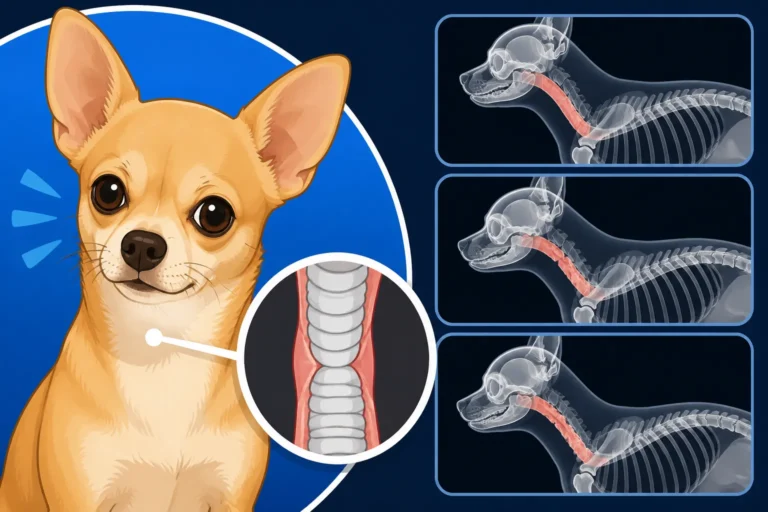
The gear you choose for your Chihuahua can indirectly impact the safety of a molera. For instance, using a harness instead of a neck collar is always recommended for Chihuahuas, not just for those with moleras. Collars can put pressure on the delicate trachea, leading to issues like collapsing trachea, and in the event of a sudden pull, could cause undue stress on the head and neck.
A well-fitting harness distributes pressure across the chest and shoulders, reducing any risk to the head or neck area. When selecting a carrier, ensure it's sturdy and provides good head protection, especially if you travel. For car rides, a secure car seat or booster seat designed for small dogs is essential to prevent injury from sudden stops or impacts. These measures, combined with diligent supervision, create a safer environment for your tiny companion, reducing the likelihood of ever needing to visit the emergency vet for head trauma.
When a Molera Might Signal a Problem
While a molera is usually normal, there are specific signs that could indicate a more serious underlying condition. Knowing what to look for can help you differentiate between a benign soft spot and a potential medical emergency.
Hydrocephalus Concerns
The most concerning condition sometimes associated with a molera is hydrocephalus, often referred to as "water on the brain." This occurs when there's an abnormal accumulation of cerebrospinal fluid within the brain's ventricles, causing pressure on brain tissue. While a molera itself isn't hydrocephalus, a very large or non-closing molera can sometimes be an indicator or a symptom of the condition. In fact, a particularly noticeable molera is listed among the Hydrocephalus Signs in a Chihuahua Puppy.
Signs of hydrocephalus typically include more than just a soft spot. Look for a noticeably domed or enlarged skull, difficulty learning, behavioral changes (like circling or head pressing), uncoordinated movements, seizures, or vision problems. If you observe any of these symptoms alongside a prominent molera, it’s imperative to seek immediate veterinary attention. This is where pet insurance, such as a plan from Healthy Paws, can be a lifesaver, as diagnosing and treating hydrocephalus can involve expensive tests and long-term care.
Bulging or Sunken Moleras
A normal molera should feel relatively flat or slightly depressed. However, any noticeable change in its appearance can be a red flag. A bulging molera, where the soft spot appears to protrude outwards, could indicate increased intracranial pressure, potentially due to fluid buildup (like in hydrocephalus), a tumor, or swelling from an injury. This requires immediate veterinary assessment.
Conversely, a significantly sunken molera can be a sign of severe dehydration. This is particularly dangerous for small puppies, who can dehydrate quickly. If your Chihuahua puppy's molera appears sunken, check for other signs of dehydration like lethargy, dry gums, or skin that "tents" when gently pinched. Both bulging and sunken moleras are serious symptoms that warrant an emergency vet visit.
Signs of Trauma or Infection
While the molera is covered by skin, it's still a thinner area, and direct trauma could potentially lead to complications. Keep an eye out for any cuts, punctures, or swelling directly over the molera. Even a minor scratch could introduce bacteria, leading to a localized infection, which would manifest as redness, warmth, pain, or discharge.
Additionally, internal bleeding or swelling under the skin from a more significant impact could present as a soft, fluid-filled lump or an area of discoloration. Since the brain lies directly beneath, any signs of infection or severe trauma around the molera should be treated as an urgent medical situation. Your vet will be able to assess the extent of the injury and provide appropriate treatment, which might range from antibiotics to more intensive care.
Understanding the Long-Term Implications of a Molera
The presence of a molera raises questions about a Chihuahua's long-term health and vulnerability. While generally benign, understanding its progression and implications is part of being a responsible owner.
Molera Closure Over Time
For many Chihuahuas, the molera will gradually close, or at least significantly reduce in size, during their first year of life. The skull bones continue to ossify, slowly bridging the gap. However, it's also quite common for a small molera to persist throughout a Chihuahua's entire Chihuahua Lifespan and Why the Breed Reaches Sixteen, remaining a permanent feature.
The rate and extent of closure vary widely from dog to dog, and there’s no way to predict definitively if a specific molera will close. Some owners might notice a gradual hardening, while others find their adult Chihuahua retains a noticeable soft spot. As long as there are no associated symptoms of neurological issues or trauma, a persistent molera that is stable in size and appearance is generally not a cause for concern. For more detailed information, you can also look into Whether a Chihuahua Molera Ever Closes.
Impact on Lifespan and Quality of Life
For the vast majority of Chihuahuas with a simple molera, it has absolutely no impact on their lifespan or quality of life. These dogs can live full, active lives, enjoy training, play with toys, and cuddle on the couch just like any other dog. The key is that the molera is stable and not accompanied by other health issues.
The perception of extreme fragility is largely exaggerated. While common sense and gentle handling are always advised for such a small breed, a molera doesn't mean your Chihuahua is constantly on the brink of a brain injury. Most Chihuahuas are surprisingly resilient despite their diminutive size. Their small stature, however, does make them more prone to certain injuries if not properly supervised, like falls from furniture, which is why Protecting a Chihuahua Puppy With a Soft Spot often involves things like ramps and careful play areas.
Vet Visits and Ongoing Monitoring
Regular veterinary check-ups are essential for any dog, and particularly so for Chihuahuas, given their unique health predispositions. During these visits, your vet will typically examine the molera, assessing its size, texture, and any changes. They'll also perform a neurological exam to ensure there are no subtle signs of underlying issues. These routine checks are crucial for identifying any potential problems early.
While a molera doesn't usually require special ongoing medical treatment, consistent monitoring by both you and your vet is prudent. Keep a mental note, or even a picture, of your Chihuahua's molera when they are healthy so you can easily spot any changes. If you ever have questions or notice anything unusual, don't hesitate to reach out to your vet. Being proactive and having a robust pet insurance policy like Healthy Paws can make all the difference in managing any health concerns that arise over your Chihuahua's long life.
| Characteristic | Normal Molera | Concerning Sign (Consult Vet Immediately) |
|---|---|---|
| Feel/Appearance | Soft, slightly depressed, flat, stable size | Bulging, significantly sunken, suddenly enlarged, pulsating, bleeding, visible injury |
| Associated Signs | None | Lethargy, disorientation, head pressing, circling, seizures, vision problems, vomiting, unequal pupils, extreme pain |
| Dog's Behavior | Normal activity, playful, alert | Crying out, whimpering, unresponsive, uncoordinated movements, difficulty walking, refusal to eat/drink |
| Closure | May close over time, or remain small and stable for life | Growing rapidly, never decreasing in size, associated with other neurological symptoms |
Disclaimer
This article is intended for informational purposes only and does not constitute medical advice. Always consult with a qualified veterinarian for any health concerns or before making any decisions about your Chihuahua's care.