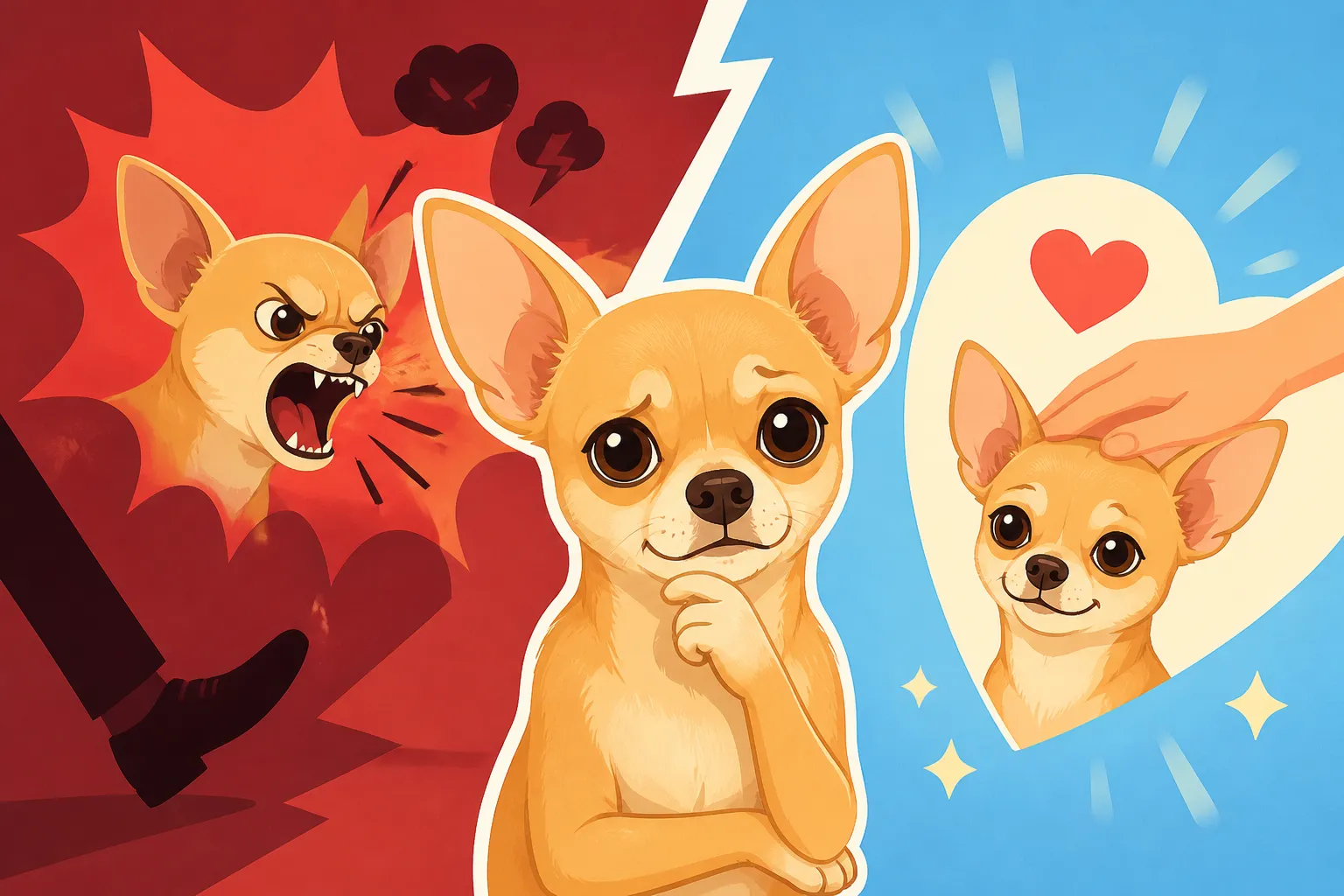
Whether the Chihuahua Reputation Is Deserved
It's incredibly frustrating when your sweet, loyal, and intelligent Chihuahua is instantly judged based on outdated stereotypes. So many people have a preconceived notion of Chihuahuas as yappy, neurotic, and prone to snapping, making it hard for these wonderful little dogs to get the fair shake they deserve. This guide aims to tackle those common perceptions head-on, exploring whether the Chihuahua's often-maligned reputation is deserved, and what really lies beneath the surface of this fascinating breed.
Deconstructing the "Chihuahua Stereotype": What People Really Think
Let's be honest, when you mention you have a Chihuahua, you're often met with one of two reactions: either "Oh, how cute, a tiny dog!" or a slight wince, followed by a story about a yappy, ankle-biting terror. This breed has accumulated a very specific, and often unfair, public image over the years. It's not just a casual assumption; it's a deeply ingrained stereotype that affects how people interact with your dog, and even how potential owners approach the breed.
The Image of the Yappy, Anxious Dog
One of the most pervasive stereotypes is that Chihuahuas are inherently yappy and anxious. People picture a trembling little dog, constantly barking at shadows, visitors, or even the wind. It’s easy to see how this perception takes hold. Because they are so small, many owners don't feel the need to provide the same level of training or socialization they would for a larger dog. A large dog barking incessantly would be a huge problem, but a tiny dog doing it? Sometimes it's just seen as "cute" or "typical Chihuahua behavior" rather than a training issue. This leads to dogs that haven't learned appropriate responses to stimuli, and yes, they might bark more, or act out of fear. But is it inherent to the breed, or a learned behavior often enabled by their size? That's a crucial question.
When a Chihuahua barks at every passerby from the window, it's often because they haven't been taught how to manage their excitement or fear. Their small size makes the world seem big and potentially threatening, and a lack of proper introductions to new sights and sounds can certainly lead to anxiety. It's a self-fulfilling prophecy sometimes: people expect them to be anxious, so they don't adequately socialize them, leading to an anxious dog. We often talk about Chihuahua Barking and What Sets a Six Pound Dog Off as a major concern for owners.
The "Handbag Dog" and Its Implications
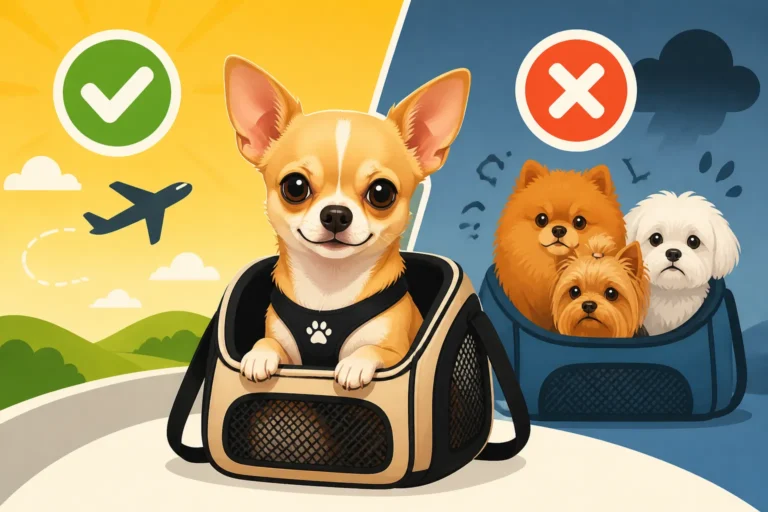
The "handbag dog" stereotype is another one that has done Chihuahuas a disservice. This image, popularized by media and celebrities, depicts Chihuahuas as fashion accessories, carried everywhere and rarely allowed to walk on their own four paws. While it's tempting to scoop up your tiny Chihuahua, especially in crowded or intimidating environments, constantly carrying them prevents them from experiencing the world independently. They don't learn how to navigate different terrains, meet new people, or interact with other dogs on their own terms.
When a dog is always carried, they can become undersocialized and fearful. They miss out on crucial sensory input and opportunities to build confidence. Imagine being perpetually hoisted above everyone else; you'd likely become territorial of your safe perch and wary of anything on the ground. This often results in dogs that are snappy or fearful when put down, simply because they haven't been given the chance to develop coping mechanisms or confidence in the world. It also completely overshadows their athletic capabilities and desire to explore, which many Chihuahuas possess. This isn't just about walks; it's about denying them the chance to be a dog. Consider the discussion in Chihuahua Handling and Why Carrying Backfires.
"Small Dog Syndrome" as a Label
"Small dog syndrome" is a term thrown around frequently, implying that tiny dogs are inherently bossy, aggressive, or unruly. It's a frustrating label because it places the blame squarely on the dog's size, rather than on the owner's behavior. In reality, "small dog syndrome" isn't a genetic trait; it's a collection of behaviors that often arise when owners treat small dogs differently from large dogs.
Think about it: if a Labrador growls at a child, it's an immediate, serious intervention. If a Chihuahua growls, some owners might just laugh it off, or even pick the dog up, unknowingly reinforcing the behavior. A Chihuahua jumping on guests might be seen as harmless, while a bigger dog doing the same would be quickly corrected. This disparity in expectations and training leads to small dogs getting away with behaviors that would never be tolerated in a larger breed. The result? A dog that genuinely believes it's in charge, or that aggressive displays are the only way to communicate. We dive into this more in Small Dog Syndrome and Why It Is Not Genetic.
The Roots of the Reputation: Where Did It Go Wrong?
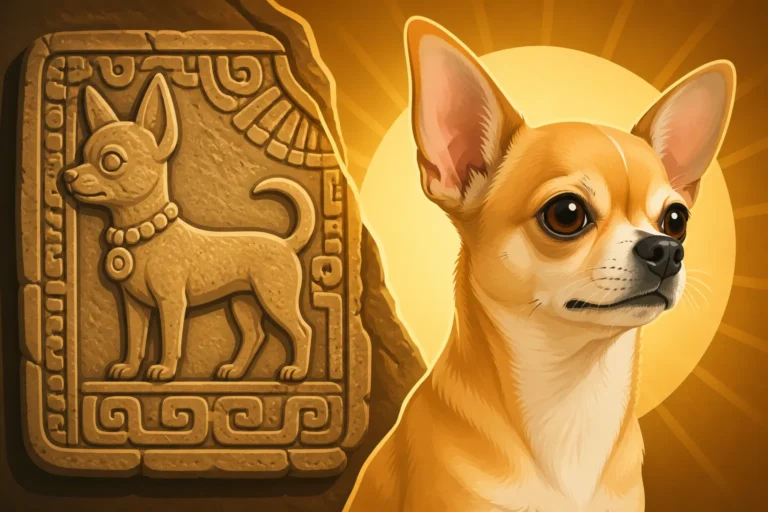
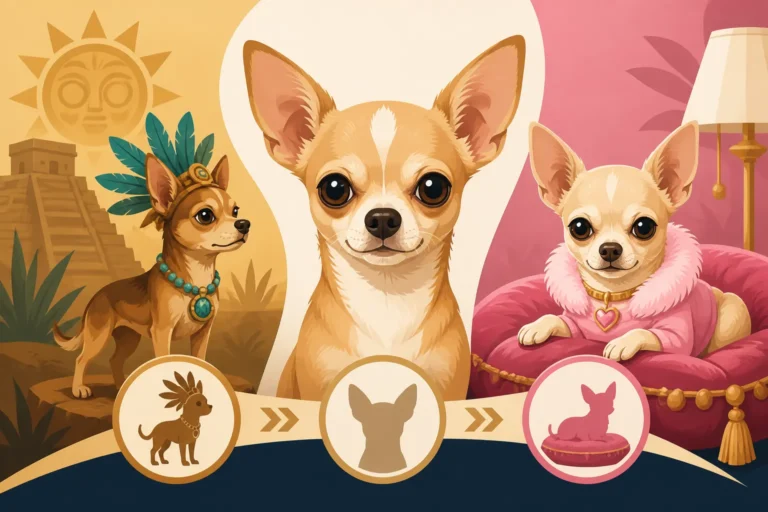
Understanding how these stereotypes formed helps us challenge them. The Chihuahua's journey from ancient companion to modern-day pop culture icon has been a complex one, filled with moments that inadvertently shaped its public image.
Early Popularity and Uninformed Ownership
The Chihuahua gained significant popularity in the United States, particularly after being recognized by the AKC in 1904. Their adorable, diminutive size and unique looks quickly made them desirable. However, with popularity often comes a rush to breed without careful consideration for temperament or health, and a surge in ownership by people who aren't fully prepared for the responsibilities.
Many early owners, charmed by their small stature, simply didn't provide the same rigorous training or socialization that larger breeds received. It’s easy to excuse behaviors in a tiny dog that would be unacceptable in a big dog, simply because the physical threat is perceived as smaller. This created a generation of Chihuahuas who, through no fault of their own, were not taught proper manners or how to interact calmly with the world. A tiny dog that hasn't learned bite inhibition or boundaries can still inflict a painful nip, and if those nips are constantly excused, the problem escalates. The lack of early, consistent intervention contributed significantly to the "yappy" and "nippy" parts of their reputation.
Media Portrayals and Pop Culture
Perhaps no other breed has been so profoundly shaped by pop culture as the Chihuahua. Movies, television shows, and celebrity endorsements in the late 1990s and early 2000s cemented the "handbag dog" image. While these portrayals made Chihuahuas incredibly visible and fashionable, they also created a very narrow, often inaccurate, perception of the breed.
Remember the little Chihuahuas in movies like "Legally Blonde" or the Taco Bell commercials? These characters were often depicted as pampered, sassy, and sometimes a bit high-strung. While entertaining, these caricatures reinforced the idea that Chihuahuas are fragile accessories rather than robust, capable dogs. People began to associate the breed with fashion statements and pampered lifestyles, overlooking their intelligence, loyalty, and potential as serious companions. This led to many impulse purchases by individuals drawn to the "trend" rather than committed to understanding the breed's actual needs. Many Chihuahuas ended up in shelters when the novelty wore off, further exacerbating the problem of uninformed ownership. We talk about Chihuahuas in Film and Television quite a bit.
The Crucial Role of Training and Socialization
Ultimately, the biggest factor contributing to the Chihuahua's undeserved reputation lies in the approach to their training and socialization. Because of their size, many Chihuahuas simply aren't given the foundational training that every dog needs. Owners might hesitate to take them to puppy classes with larger breeds, fearing they'll be overwhelmed or injured. They might not enforce boundaries with the same consistency, believing "they're too small to really hurt anyone."
However, a dog, regardless of size, needs consistent training, clear boundaries, and extensive, positive socialization to develop into a well-adjusted companion. A Chihuahua that isn't socialized properly can become fearful or reactive, barking at strangers or other dogs because they don't know how to respond appropriately. A Chihuahua not taught manners might jump on guests or resource guard because no one ever taught them otherwise. It’s not about their breed; it’s about their education. Ignoring these needs for a small dog is just as detrimental as ignoring them for a large dog, if not more so, because their intense bond with their owner can sometimes lead to an over-reliance on that one person. For more on this, check out The Training Gap Chihuahua Owners Create.
The True Chihuahua Temperament: Beyond the Caricature
Despite the stereotypes, Chihuahuas are incredible dogs with a rich history and a wonderful personality when given the right environment. It’s time to look past the myths and understand the true nature of this remarkable breed.
Their Fierce Loyalty and Devotion
One of the most defining characteristics of a Chihuahua is their profound loyalty. They tend to bond intensely with one or two people, becoming incredibly devoted and affectionate companions. This isn't just a casual attachment; it's a deep, unwavering love that manifests in constant companionship. If you're a Chihuahua's chosen person, expect a shadow that follows you from room to room, a warm presence nestled on your lap, and a fiercely protective little guardian.
This intense bond is often misconstrued as being "clingy" or overly possessive, but for those who understand and appreciate it, it's one of the breed's greatest charms. They thrive on human connection and often express their affection with cuddles, licks, and happy wiggles. Their devotion means they are always eager to please their chosen human, which actually makes them highly trainable, contrary to popular belief. They just need an owner who invests the time and effort. We explore this dynamic further in Why a Chihuahua Bonds Hard to One Person.
Intelligence and Trainability
Another aspect of the Chihuahua that often goes unrecognized is their intelligence and eagerness to learn. Chihuahuas are sharp, quick-witted, and can pick up commands and tricks with surprising speed. They often excel in dog sports like agility, obedience, and rally, demonstrating that their small size doesn't limit their capabilities. They are incredibly observant and can learn complex routines, sometimes even manipulating their owners with their charm and smarts!
The key to unlocking their trainability is positive reinforcement and consistent methods. They respond incredibly well to reward-based training, especially when high-value treats (like those small, chewy ones you can find at Chewy) are involved. The notion that Chihuahuas are "un-trainable" or "stubborn" usually stems from a lack of proper training on the human's part, not the dog's. If you approach a Chihuahua with patience, creativity, and the understanding that they are just as capable as any other dog, you'll be amazed at what they can achieve. Consider how Training a Chihuahua Exactly Like a Big Dog can transform their behavior.
The Importance of Early Socialization
A well-socialized Chihuahua is a confident, happy dog. Early and ongoing positive socialization is absolutely critical for this breed. It means exposing them to a wide variety of people, places, sounds, and other dogs from a young age, in a controlled and positive way. This isn't about throwing them into chaotic dog parks, which can be overwhelming and even dangerous for such a small dog. Instead, it's about careful introductions and positive experiences.
A properly socialized Chihuahua will be curious and friendly, not fearful or aggressive. They'll greet new people with a wagging tail rather than a bark, and can comfortably coexist with other well-behaved dogs of all sizes. Without it, their natural protective instincts and sometimes cautious nature can lead to the very behaviors the stereotype describes. Attending puppy classes that cater to small breeds, hosting controlled playdates, and carrying them through safe, busy environments while offering treats (again, Chewy has a great selection of small training treats) can make all the difference. Read more on The Chihuahua Socialization Window and Its Deadline to understand this crucial period.
How Owners Can Reshape the Narrative
The power to change the Chihuahua's reputation lies squarely with their owners. By committing to responsible ownership, consistent training, and thoughtful advocacy, we can help the world see Chihuahuas for the truly magnificent companions they are.
Consistent Training and Boundaries
The most effective way to challenge the stereotype is through diligent training. Treat your Chihuahua like a dog, not a fragile doll. Enroll them in puppy classes and continue with basic obedience. Teach them reliable commands like "sit," "stay," "come," and "leave it." This isn't just about manners; it's about building their confidence and giving them a framework to understand the world.
Establish clear boundaries from day one. If you don't want them jumping on guests, consistently prevent it. If you don't want them barking at the doorbell, teach them an alternative behavior. Use positive reinforcement and be consistent. Everyone in the household needs to be on the same page. A Chihuahua who knows what's expected of them is a secure and well-behaved dog, not a yappy terror. This approach prevents the development of "small dog syndrome" behaviors and cultivates a respectful, cooperative relationship. Check out Why a Chihuahua Deserves Real Obedience Training for more insights.
Thoughtful Socialization Experiences
Beyond training, thoughtful socialization is paramount. Instead of carrying your Chihuahua everywhere, let them walk on a properly fitted harness and leash in safe environments. Allow them to explore new scents and sights. Arrange playdates with other calm, small dogs, or larger dogs known to be gentle. Avoid overwhelming situations that could lead to fear or negative associations.
Introduce them to new people calmly, always supervising interactions. Teach them to sit politely for greetings instead of jumping or barking. Exposure to different noises, surfaces, and environments—from parks to pet-friendly stores—will build their resilience. This proactive approach helps them develop into confident, adaptable dogs who aren't constantly on edge. A well-socialized Chihuahua is a joy to take out in public, demonstrating that the breed can be calm and friendly. For advice on harnesses, look at Harness Fitting on a Chihuahua Chest.
Advocating for the Breed
As a Chihuahua owner, you are an ambassador for the breed. When people express preconceived notions about your dog, take the opportunity to educate them. Share stories of your Chihuahua's intelligence, loyalty, and good manners. Demonstrate their trained behaviors. Correct misinterpretations of their actions.
For example, if someone calls your dog "yappy," explain that barking is often a communication tool and that you're working on appropriate responses. If they assume your dog is aggressive, highlight how your Chihuahua has been socialized and trained. By showcasing a well-adjusted, well-trained Chihuahua, you actively combat the negative stereotypes. Support reputable breeders who prioritize temperament and health, and consider adopting from rescues like those found on Chewy's adoption platform, many of whom work tirelessly to rehabilitate Chihuahuas and prepare them for loving homes. Every positive interaction your Chihuahua has with a stranger helps to chip away at the undeserved reputation.
Comparing Perceptions to Reality
To really drive home the difference between myth and fact, let's look at a quick comparison:
| Stereotype (Perception) | Reality (When Properly Raised & Trained) |
|---|---|
| Yappy & Anxious | Alert and observant, can be taught appropriate vocalization. |
| Nippy & Aggressive | Can be confident, friendly, and well-mannered with consistent training. |
| Fragile "Handbag Dog" | Robust, energetic, and enjoys walking and exploring. |
| Stubborn & Untrainable | Highly intelligent, eager to please, and excels in obedience. |
| Needs Constant Cuddling | Loyal and affectionate, but also enjoys independent play and exploration. |
| "Small Dog Syndrome" Prone | Behaves like any well-adjusted dog when given proper boundaries. |
As you can see, the perceived flaws often stem from a lack of proper care, training, and socialization, rather than inherent breed traits. When you invest in a Chihuahua, you're not just getting a tiny dog; you're getting a fiercely loyal, intelligent, and spirited companion who, with the right guidance, will shatter every negative stereotype thrown their way.
Disclaimer
This article is for general informational purposes only and does not constitute professional advice. Laws, prices and regulations vary by location and change over time. Consult a qualified professional for guidance on your specific situation.