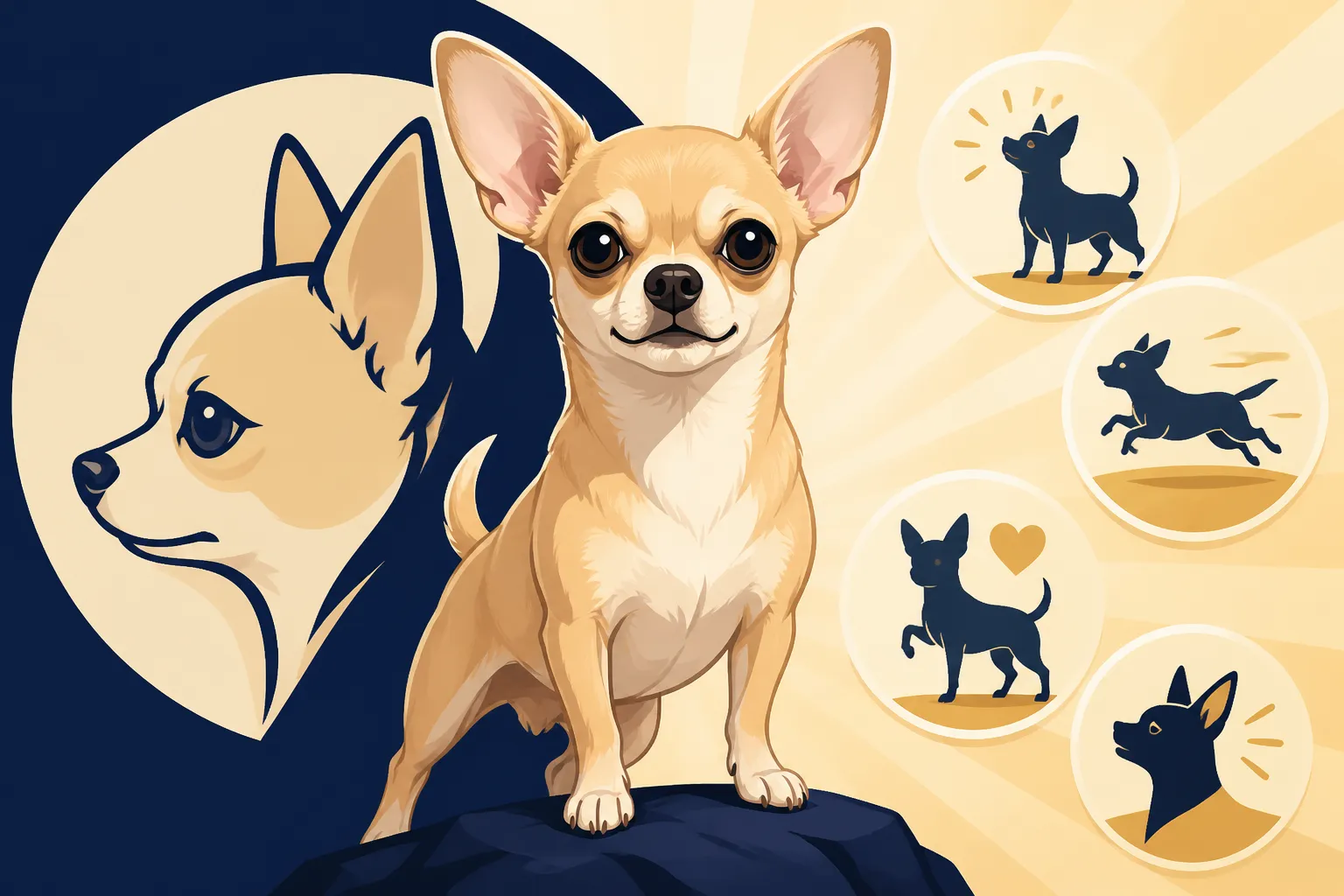
How the Standard Describes a Chihuahua’s Character
It's easy to fall into the trap of believing all the stereotypes about Chihuahuas – that they're yappy, aggressive, or just fluffy accessories. But if you’ve ever lived with one, you know there’s so much more to these tiny dogs. This guide delves into what the official breed standard actually says about the Chihuahua’s character, helping you understand their true spirit beyond the internet memes and common misconceptions.
Understanding the Breed Standard's Ideal Chihuahua Character
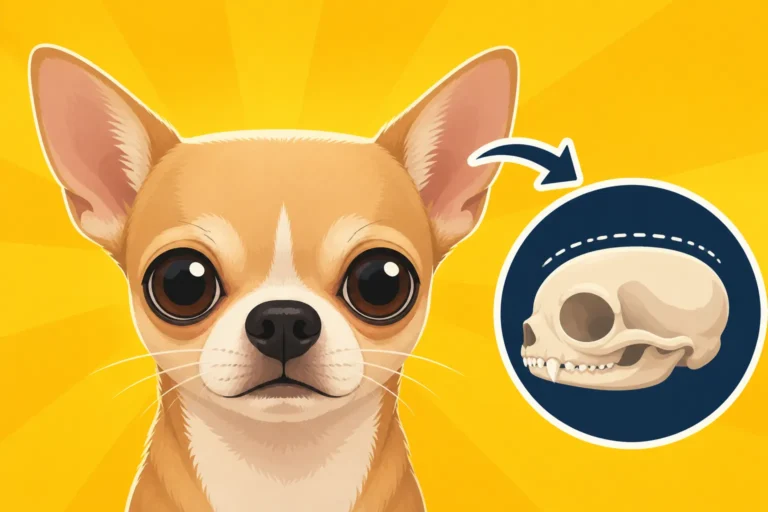
When we talk about a breed standard, we’re looking at the ideal blueprint for a dog of that breed, set by organizations like the American Kennel Club (AKC). This standard isn't just about how a Chihuahua looks – its apple head, large ears, or coat type – but also profoundly describes its temperament and character. It outlines the traits breeders should strive for and what judges look for in the show ring. For Chihuahuas, this character description is often misunderstood, leading many owners down the wrong path when it comes to training and management.
It’s crucial to remember that while the standard describes an ideal, individual personalities within the breed will always vary, just like people. However, knowing the foundational traits helps us understand the genetic predispositions and what makes a Chihuahua, well, a Chihuahua. When you hear terms like "terrier-like" or "alert," these aren't just throwaway words; they point to deep-seated behavioral characteristics that require understanding and appropriate handling from their human companions. Without this understanding, it's easy to dismiss behaviors as simply "Chihuahua quirks" instead of recognizing them as expressions of their inherent nature, sometimes amplified by a lack of proper guidance.
The Chihuahua's "Terrier-Like" Spirit: Fearless and Full of Life
One of the most defining phrases in the Chihuahua breed standard regarding character is "terrier-like." This isn't just a casual comparison; it speaks volumes about their inherent spirit and zest for life. A true Chihuahua, as envisioned by the standard, carries itself with a certain boldness and self-assuredness that often surprises those who underestimate their tiny stature. They aren't meant to be timid or shrinking violets.
Fearless Demeanor and Tenacity
Imagine a little dog, perhaps only four or five pounds, standing its ground against the world. That's the essence of the Chihuahua's fearless demeanor. This "terrier-like" quality means they possess a remarkable bravery and tenacity that belies their small size. They aren't prone to backing down easily, and they approach new situations with a spirited curiosity, rather than outright terror, if they've been properly socialized. This isn't to say they are reckless, but rather they have an inner fortitude that prevents them from being easily intimidated.
This fearlessness is why you might see a Chihuahua confidently exploring a new park or interacting with larger, well-mannered dogs (under supervision, of course). They don't cower; they investigate. However, this same trait can be misinterpreted as aggression if not channeled correctly. A Chihuahua who feels threatened but is naturally fearless might decide the best defense is a good offense, leading to lunging or barking. Owners sometimes mistakenly encourage this, thinking it's cute or protective, when in reality, it's a sign that the dog needs more confident leadership and appropriate socialization. Understanding Fear Reactivity as the Top Chihuahua Complaint is critical here, as true fear reactivity stems from insecurity, not a healthy fearless demeanor. Proper training, like the kind of positive reinforcement you can find resources for on sites like Chewy, helps harness this brave spirit productively.
Intelligence and Trainability
Another facet of being "terrier-like" is their sharp intelligence and inherent trainability. Chihuahuas are not unintelligent dogs; quite the opposite. They are quick learners and can master a wide array of commands and tricks. Their minds are active and curious, and they thrive on mental stimulation. This isn't a breed that's content to simply sit on a lap all day without any engagement. They need puzzles, training sessions, and opportunities to use their brains.
Many owners, unfortunately, underestimate this aspect, assuming that because Chihuahuas are small, they don't need extensive training. This couldn't be further from the truth. A Chihuahua that isn't mentally challenged can become bored, and a bored dog often invents its own entertainment, which can manifest as excessive barking, destructive chewing, or demanding attention. The breed standard implies a dog that can be molded and directed. You'll find that Why a Chihuahua Deserves Real Obedience Training directly addresses this misconception. Their intelligence means they pick up on routines and cues quickly, both good and bad, so consistency in training is paramount from an early age. Think of them as tiny sponges, soaking up everything you teach them.
Alertness and Loyalty: The Chihuahua's Watchful Devotion
Beyond their bold spirit, the breed standard highlights the Chihuahua's notable alertness and profound loyalty. These are traits that make them both excellent companions and, sometimes, challenging members of a busy household if their needs aren't met. They are deeply bonded to their people and inherently vigilant about their surroundings.
Vigilant Watchdogs in Miniature
The standard describes Chihuahuas as "alert" – and anyone who lives with one can attest to this! Their keen senses make them excellent, albeit sometimes overzealous, watchdogs. They notice everything: the mail carrier, a leaf blowing past the window, a squirrel darting across the yard, or a car door shutting down the street. This isn't just about being noisy; it's about being incredibly observant and responsive to their environment. The Chihuahua Alertness the Standard Calls Terrier-Like goes into more detail on this specific trait.
While this vigilance can be a wonderful deterrent to intruders, it can also lead to excessive barking if not managed. A Chihuahua might bark at every perceived threat or change, which can be challenging in an apartment setting or if you have close neighbors. It's not necessarily aggression, but rather an innate drive to alert their family to anything unusual. Teaching them a "quiet" command and desensitizing them to common sounds is essential. Tools like puzzle toys and long-lasting chews from Chewy can also help redirect their attention and provide mental stimulation, reducing the need to be on constant alert.
Deep Bonds with Their People
The loyalty of a Chihuahua is legendary, and it's a deeply ingrained part of their character according to the standard. They tend to form incredibly strong bonds with one or two primary caregivers, often becoming shadows to their chosen human. This intense devotion can be incredibly heartwarming; they want to be with you, on you, or near you almost constantly. This isn't just clinginess; it's a profound attachment that speaks to their desire for companionship and security.
This loyalty means they thrive on human interaction and can struggle with prolonged periods of solitude. They are not dogs that do well being left alone for eight or ten hours a day without mental or physical breaks. For many Chihuahuas, this can lead to Chihuahua Separation Anxiety and Time Alone, manifesting in destructive behaviors, incessant barking, or even house-soiling. While their loyalty is a beautiful trait, it comes with the responsibility of ensuring they feel secure and included in family life. They crave connection, and they truly consider you their entire world.
The "Saucy" and "Self-Important" Chihuahua: Confidence in a Tiny Package
The breed standard also uses adjectives like "saucy" and "self-important" to describe the Chihuahua's character. These terms might sound a little negative at first glance, but in the context of the breed standard, they speak to a certain charming assertiveness and confidence that is part of the Chihuahua's unique appeal. They are little dogs with big personalities, and they know it.
Confidence That Belies Size
"Saucy" and "self-important" describe a dog that possesses an undeniable confidence, sometimes to the point of being a bit cheeky or demanding. They don't see themselves as small, and they certainly don't act like it. This confidence is what allows them to strut alongside much larger dogs or bravely explore new environments. It's part of their charisma, a playful boldness that makes them so endearing. They hold their heads high and expect to be taken seriously, despite their diminutive stature.
However, this strong sense of self can, without proper guidance, sometimes tip into bossiness or even perceived aggression. A "self-important" Chihuahua might try to rule the roost, demanding attention, barking for what they want, or Chihuahua Guarding a Person or a Lap if they feel someone is encroaching on their territory. It’s crucial for owners to understand that while this confidence is part of their charm, it doesn't mean they should be allowed to run the household. Boundaries and consistent training are essential to ensure their confidence remains a positive trait, rather than becoming an entitlement issue.
An Independent Streak
Despite their deep loyalty, Chihuahuas often possess an independent streak. They are not mindless followers and will often express their own opinions. This independence ties into their "self-important" nature; they have a strong sense of self and aren't always eager to comply if they don't see the point. This isn't stubbornness in a malicious sense, but rather a characteristic of a dog that thinks for itself.
This independence means that training needs to be engaging and rewarding for them. Forceful or heavy-handed training methods are likely to backfire, making a Chihuahua retreat or dig in their heels. Instead, positive reinforcement, fun games, and short, frequent training sessions are far more effective. They need to believe that doing what you ask is their idea or at least highly rewarding. It's about respecting their intelligence and offering them a choice, even if the choice is ultimately the one you want them to make. This helps them cooperate while still feeling like they have agency.
Dispelling Myths: What the Standard Doesn't Say About Chihuahua Behavior
It's easy to project human ideas or common stereotypes onto dog breeds, especially one as popular and often misunderstood as the Chihuahua. The breed standard is a clear document, and what it doesn't mention is often as important as what it does. Many common complaints about Chihuahua behavior are not inherent to the breed's ideal character but rather are learned behaviors or responses to improper care and training.
Why "Small Dog Syndrome" Isn't in the Standard
Perhaps the most pervasive myth about Chihuahuas is "small dog syndrome" – the idea that small dogs are naturally yappy, aggressive, and poorly behaved because of their size. This concept is entirely absent from the breed standard, and for good reason: it's a human-created problem, not a genetic trait. The standard calls for a fearless, alert, and confident dog, not a neurotic or aggressive one. What Small Dog Syndrome Means for a Chihuahua really unpacks this, showing that it's a direct result of owners excusing behaviors in small dogs they would never tolerate in a large dog.
Think about it: if a Labrador jumped on guests, barked incessantly at the door, or snapped when moved from the couch, owners would quickly address it. But when a Chihuahua does it, it's often laughed off or seen as "cute." This leniency allows bad habits to form and escalate. A Chihuahua that barks at everything, lunges on the leash, or guards its owner fiercely isn't exhibiting its ideal character; it's exhibiting a lack of boundaries and proper training. The standard asks for a dog with a "saucy" spirit, not an unruly one. It's up to us, as their guardians, to ensure that their inherent confidence is channeled into well-mannered behavior.
The Importance of Early Socialization
While the standard describes an alert and loyal dog, it doesn't describe a dog that is inherently fearful of strangers or other dogs. Any dog, regardless of breed, needs proper socialization during its critical puppyhood window to develop into a well-adjusted adult. For Chihuahuas, whose small size can make them seem vulnerable, this is especially important. Owners often mistakenly overprotect them, limiting their exposure to the world out of fear for their safety, but this can have serious repercussions.
A Chihuahua that isn't exposed to a variety of sights, sounds, people, and other friendly dogs in a positive way during its early months can easily become fearful. This fear can then manifest as reactivity, barking, or snapping because they haven't learned how to process new experiences confidently. Socialization That Does Not Flood a Chihuahua explains how to do this effectively without overwhelming them. It’s about controlled, positive exposure, not throwing them into chaotic situations. A well-socialized Chihuahua is a delight – confident, friendly, and curious, embodying the best of their "terrier-like" spirit rather than shrinking from new experiences.
To summarize the key character traits from the breed standard and often seen in a well-raised Chihuahua:
| Trait from Standard | Description | Common Misconception/Pitfall |
|---|---|---|
| Terrier-Like | Fearless, tenacious, spirited, intelligent, quick learner. | Aggressive, stubborn, untrainable, too small to bother training. |
| Alert | Observant, vigilant, keen senses, quick to notice changes. | Yappy, neurotic, barks at everything without reason. |
| Loyal | Deeply devoted to primary caregiver(s), seeks companionship. | Clingy, overly dependent, suffers extreme separation anxiety. |
| Saucy/Self-Important | Confident, assertive, charismatic, has a strong sense of self. | Bossy, unruly, entitled, prone to resource guarding. |
Ultimately, the Chihuahua breed standard describes a dog that is packed with personality, courage, and intelligence. They are not fragile, nervous creatures, but rather robust little individuals capable of immense loyalty and joy, provided they receive the appropriate training, socialization, and leadership from their human families. When you look past the stereotypes and embrace the character outlined in the standard, you truly begin to understand the incredible depth and spirit of this remarkable breed.
Disclaimer
This article is for general informational purposes only and does not constitute professional advice. Laws, prices and regulations vary by location and change over time. Consult a qualified professional for guidance on your specific situation.