Emergency Sugar for a Collapsing Chihuahua Puppy
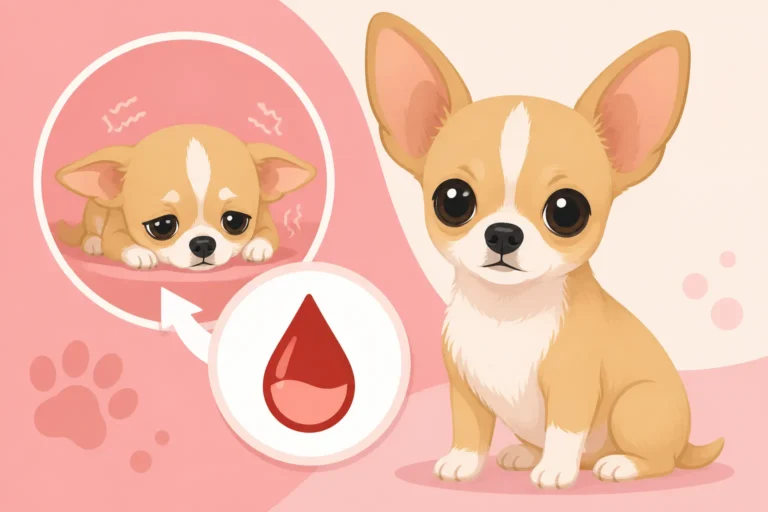
It's absolutely terrifying when your tiny Chihuahua puppy suddenly becomes weak, wobbly, or even collapses right before your eyes. This isn't just a puppy being tired; it's a critical sign that their blood sugar might have plummeted, a condition known as hypoglycemia. This comprehensive guide will walk you through exactly what to do in those scary moments, how to quickly administer emergency sugar, and what steps to take to prevent these life-threatening episodes from recurring.
Recognizing the Urgent Signs of Hypoglycemia in Puppies
When dealing with a Chihuahua, particularly a puppy, every subtle change can signal something serious. Hypoglycemia can sneak up quickly, and knowing the early indicators is crucial for intervention before things escalate.
Subtle Early Warning Signals
Initially, the signs of low blood sugar might be mistaken for simple tiredness or a puppy being a bit "off." Your normally energetic little companion might become unusually quiet and withdrawn, perhaps not engaging in play as they usually would. They might be less responsive to your calls or touch, almost as if they're in a daze. This lethargy isn't just about a longer nap; it's a sign that their tiny body is struggling to find the energy it needs to function properly.
As their blood sugar continues to dip, you might notice a distinct change in their movements. They could start shivering uncontrollably, even if the room temperature is comfortable. This isn't always from cold; it's the body's frantic attempt to generate heat and energy. Their movements might become uncoordinated, leading to a wobbly gait or difficulty navigating familiar spaces. They might bump into furniture or simply seem disoriented, often staring blankly into space as if they're completely lost, even in their own home.
Sometimes, a puppy experiencing early hypoglycemia might exhibit behaviors that seem almost like confusion. They might not react to their name, or they might struggle to find their food bowl, even if it's in its usual spot. This mental dullness is a direct result of their brain not getting enough glucose, which is its primary fuel. If you observe any of these subtle shifts in your puppy's demeanor or coordination, it's a red flag that warrants immediate attention and a check of their energy levels.
The Alarming Progression to Collapse
If those early signs are missed or not acted upon quickly enough, the situation can rapidly worsen, leading to more dramatic and alarming symptoms. One of the most common critical signs is an intense trembling and weakness in a Chihuahua puppy. This isn't just a slight shiver; it's often a profound shaking that indicates their muscles are seizing up from lack of energy. Their legs might give out, making it impossible for them to stand or walk properly. You might see them try to get up, only to immediately collapse again.
As the hypoglycemia progresses, they'll lose their balance completely, stumbling and swaying even when attempting to stand still. This can quickly lead to them being unable to support their own weight, collapsing onto their side. Their breathing might become shallow, and their gums, which are normally a healthy pink, might turn pale or even bluish as their circulation weakens. At this point, they are in a critical state and require immediate intervention. You can read more about Trembling and Weakness in a Chihuahua Puppy to understand these symptoms better.
In the most severe cases, a hypoglycemic Chihuahua puppy can experience seizures. These can manifest as full-body convulsions, muscle twitching, jaw clamping, or even just a vacant stare. Following a seizure, they might enter a state of unconsciousness, where they are unresponsive to any stimuli. This is an absolute emergency. Their tiny bodies simply don't have the reserves to maintain vital functions without glucose. At this stage, time is of the essence, and immediate administration of emergency sugar is not just helpful, it's critical for their survival. You might notice these symptoms are similar to A Chihuahua Seizure Caused by Low Blood Sugar, highlighting the urgent need for action.
Immediate First Aid: Administering Emergency Sugar
When your Chihuahua puppy is showing signs of hypoglycemia, especially if they're collapsing, every second counts. Having the right supplies on hand and knowing exactly what to do can be life-saving.
Gathering Your Emergency Supplies
The good news is that emergency sugar sources are often common household items. The most readily available options include Karo syrup (light corn syrup), honey, or commercial glucose gels specifically formulated for pets, like Nutri-Cal. These substances are packed with simple sugars that can be rapidly absorbed into your puppy's bloodstream, providing a much-needed energy boost. While Karo syrup and honey are excellent temporary fixes, a dedicated glucose gel for pets is often ideal as it's designed for quick absorption and is less sticky, making it easier to administer.
It’s not just important to know about these, but to actually have them easily accessible, especially if you have a young Chihuahua puppy under six months old. Puppies, particularly toy breeds like Chihuahuas, are inherently more susceptible to hypoglycemia because of their high metabolism and limited ability to store glucose. Keeping a tube of glucose gel or a small bottle of Karo syrup in your puppy's first-aid kit, and even a smaller one in your travel bag, can make all the difference. This proactive preparation is a vital part of responsible Chihuahua ownership, giving you peace of mind that you're ready for potential emergencies.
Some pet parents wonder if specific brands matter. While any plain corn syrup or honey will work in a pinch, products like Nutri-Cal or similar high-calorie, glucose-rich gels from reputable pet brands are often recommended by veterinarians. These are formulated to be palatable and easy to administer, and some even contain additional vitamins and minerals. The key is to avoid anything artificially sweetened, as xylitol is highly toxic to dogs. Always check the ingredients list if you're unsure. Having these items within reach can directly impact the outcome during a severe hypoglycemic episode. You can learn more about Keeping Glucose Gel for a Chihuahua at Home.
The Safe Way to Apply Glucose
Once you have your emergency sugar source, the next step is safe and effective administration. If your puppy is conscious but weak, gently pick them up and hold them securely. Using your finger, or a small spoon for syrup, carefully rub a small amount (about a pea-sized drop for honey/syrup or the recommended dose for glucose gel) directly onto their gums. The gums are rich in blood vessels, allowing for rapid absorption of the sugar directly into the bloodstream. It's much safer than trying to get them to swallow liquid, especially if they are disoriented or weak. For more detailed instructions, see Rubbing Syrup on a Chihuahua Puppy's Gums.
Repeat this application every 5-10 minutes, monitoring your puppy closely for signs of improvement. You should ideally see a positive change within 10-15 minutes, such as increased alertness, less trembling, or an attempt to stand. It's crucial not to overdo it; a small amount frequently is better than a large amount all at once, which could lead to aspiration if your puppy struggles. If your puppy starts to perk up, offer a small, easily digestible meal like some wet puppy food or boiled chicken, but only if they are fully alert and able to swallow normally.
If your puppy is unconscious or actively seizing, the process requires extreme caution. Do not attempt to force their mouth open or pour liquid into their mouth, as this poses a serious choking hazard. Instead, gently rub the sugar source on their gums, being careful not to get bitten if they are seizing. The goal is surface absorption, not ingestion. Immediately after administering the sugar, even if you see some improvement, you must contact your veterinarian or emergency animal hospital. This is just a temporary fix to stabilize them for the journey to professional medical care.
What to Avoid During an Emergency
In the panic of seeing your puppy collapse, it's easy to make mistakes that could actually worsen the situation. One of the most critical things to avoid is attempting to force food or water into their mouth, especially if they are weak, unresponsive, or seizing. Their gag reflex might be compromised, or they might be too disoriented to swallow safely. This could lead to aspiration pneumonia, a severe lung infection caused by food or liquid entering the airways, which is a secondary emergency you absolutely want to prevent.
Similarly, do not try to administer any other oral medications or liquids without explicit veterinary guidance. While some owners might consider pain relievers or other remedies, these could interact negatively with your puppy's compromised state or even be toxic. Stick solely to the immediate goal of raising their blood sugar with a safe glucose source. Any other medical intervention should wait for a professional diagnosis and prescription from your vet.
Above all, try to remain as calm as possible. Your panic can stress your puppy further, which can actually exacerbate hypoglycemia. Chihuahuas are incredibly sensitive to their owners' emotions. Speak in a soothing voice, handle them gently, and focus on the immediate task of getting sugar into their system and preparing for the vet visit. A clear head will allow you to act efficiently and effectively, giving your puppy the best chance for a full recovery.
Understanding Why Chihuahuas Are Prone to Sugar Crashes
Chihuahuas, especially when they're puppies, have a unique physiology that makes them particularly susceptible to hypoglycemia. Understanding these underlying reasons can help owners take preventative measures.
The Physiology of a Tiny Metabolism
The primary reason a Chihuahua runs out of blood sugar so fast is their incredibly small body mass combined with a disproportionately high metabolic rate. Picture it like this: a large dog has a much bigger "fuel tank" (liver glycogen stores) and a slower-burning engine. A Chihuahua, on the other hand, has a tiny fuel tank that burns through glucose incredibly quickly. Their liver, responsible for storing glycogen (the body's reserve glucose) and converting other substances into sugar, is also small and less mature in puppies, making it less efficient at maintaining stable blood glucose levels.
This rapid metabolism means they are constantly using energy, even when resting. Unlike larger breeds that can draw on significant fat reserves to convert into glucose during periods of fasting, tiny puppies often have very little body fat. This limited energy reserve means that if they miss a meal, or if their energy demands suddenly increase, their blood sugar can drop precariously fast. It's a delicate balance, and their bodies just aren't as robust at self-regulating blood sugar as a larger animal.
This physiological difference is why the advice for feeding and care often varies so much for toy breeds compared to standard-sized dogs. A German Shepherd puppy might easily skip a meal without consequence, but for a Chihuahua puppy, missing even one feeding can quickly lead to a hypoglycemic crisis. Their systems simply aren't equipped to handle extended periods without caloric intake or to cope with sudden increases in energy expenditure. This inherent vulnerability demands meticulous attention to their diet and routine, particularly in their first few months of life.
Contributing Factors and Triggers
Beyond their inherent physiology, several external factors can quickly trigger a sugar crash in a vulnerable Chihuahua puppy. One major culprit is environmental stress, particularly why cold and stress drop Chihuahua blood sugar. Their minimal body fat and thin coats make them very susceptible to heat loss. When a Chihuahua puppy gets cold, their body expends a tremendous amount of energy trying to stay warm, rapidly depleting their glucose reserves. Similarly, emotional stress from a new environment, loud noises, over-handling, or even a trip to the vet can cause a surge in adrenaline, which consumes glucose quickly.
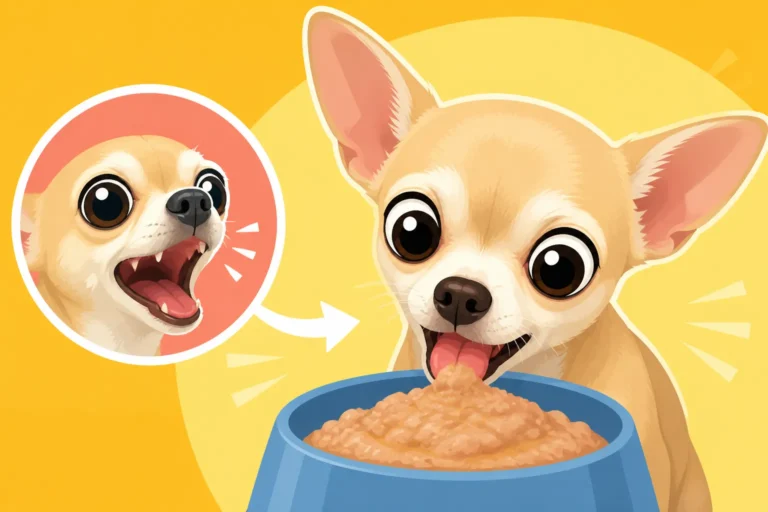
Another common and preventable trigger is an irregular feeding schedule or simply missing meals. Young Chihuahua puppies need to eat very frequently – typically small meals every few hours. If an owner is not diligent about this, or if a puppy is distracted and doesn't finish their food, their blood sugar can dip. Puppies are often too busy playing or exploring to prioritize eating, so owners need to ensure they are consuming enough calories at regular intervals. This is why How Often a Chihuahua Puppy Must Eat is such critical information for new owners.
Beyond simple hunger, underlying health issues can also contribute to hypoglycemia. Over-exertion during playtime or long walks can rapidly burn through their limited sugar stores. Parasites, such as intestinal worms, can steal vital nutrients, leading to malnourishment and low blood sugar. Even minor illnesses like diarrhea or vomiting can prevent a puppy from absorbing enough nutrients, leading to a critical drop in glucose. Any sign of illness in a tiny puppy should be taken seriously and warrants an immediate vet visit, as their small bodies have very little buffer against disease.
Post-Stabilization: What Happens Next
Administering emergency sugar is a crucial first step, but it's only the beginning. Once your puppy is stable, the next phase involves professional veterinary care and careful at-home management.
The Critical Veterinary Visit
Even if your Chihuahua puppy seems to bounce back quickly after receiving emergency sugar, an immediate veterinary visit is absolutely paramount. Administering sugar at home is a life-saving first aid measure, not a cure. There could be an underlying issue that caused the hypoglycemia in the first place, or your puppy might need further supportive care to fully recover. Your vet needs to assess their overall health and identify why the sugar crash occurred.
When you arrive at the clinic, your veterinarian will perform a thorough physical examination, checking vital signs, gum color, and overall responsiveness. They will likely draw blood to measure their current blood glucose levels, along with other parameters to check for infection, organ function, or parasites. In severe cases, or if the puppy is still weak, they might administer intravenous (IV) fluids with dextrose (a form of glucose) to continuously stabilize their blood sugar and rehydrate them. This ensures a steady supply of energy and helps flush out any toxins or metabolic byproducts.
The vet will also discuss your puppy's history, including their feeding schedule, activity level, and any recent changes. This information is vital for diagnosing the root cause. For instance, sometimes hypoglycemia can be a symptom of a more serious condition like a liver shunt or an infection, not just a missed meal. Understanding the specifics will help your vet recommend the best long-term management plan, which might include dietary adjustments, medication, or further diagnostic tests. This holistic approach is essential to prevent future episodes and ensure your puppy's long-term health. The comprehensive article on Chihuahua Hypoglycemia and the Puppy Emergency dives deeper into the veterinary perspective.
Managing Your Puppy's Recovery at Home
Once your puppy is back home, the recovery process requires diligent care and strict adherence to your veterinarian's instructions. A consistent feeding schedule is non-negotiable; young Chihuahuas need to eat small, frequent meals throughout the day. Your vet will advise you precisely how often a Chihuahua puppy must eat, but it's often every 2-4 hours initially, gradually extending as they mature. Ensure they are finishing their meals and consider offering a small, easily digestible snack before bedtime to help sustain their blood sugar overnight.
Beyond food, maintaining a warm, quiet, and stress-free environment is vital for their recovery. Keep them away from drafts, ensure their bedding is warm, and consider a heated bed or a warm blanket, especially if they are prone to chilling. Limit boisterous play and avoid exposing them to overly exciting or stressful situations, as these can rapidly deplete their energy reserves. Rest is crucial for their tiny bodies to recover and stabilize their metabolism.
Careful monitoring for any signs of relapse is also essential. Keep a close eye on their energy levels, appetite, and general demeanor. If they start to seem lethargic, weak, or confused again, immediately contact your vet and be prepared to administer emergency sugar if necessary. Your vet might also recommend having a tube of glucose gel on hand for a few days post-episode as a precautionary measure. Consistent follow-up with your vet is important to ensure they are gaining weight, growing appropriately, and are no longer at high risk for hypoglycemia.
Proactive Prevention: Safeguarding Against Future Episodes
Preventing future hypoglycemic episodes is always better than reacting to an emergency. With a Chihuahua puppy, this means being meticulously proactive about their care and environment.
Establishing a Strict Feeding Schedule
One of the most effective strategies to prevent hypoglycemia in Chihuahua puppies is to establish and strictly adhere to a consistent feeding schedule. Forget free-feeding; it’s too risky for these tiny dogs. Your puppy needs high-quality puppy food, measured precisely according to their weight and age, divided into several small meals throughout the day. For very young puppies, this could mean feeding every 2-4 hours, gradually transitioning to three small meals a day as they get a bit older. Consistency helps their tiny digestive system and metabolism regulate blood sugar more effectively.
The importance of small, frequent meals cannot be overstated. A large meal can sometimes overwhelm their digestive system, leading to inefficient absorption, while long gaps between meals leave them vulnerable to sugar crashes. Think of it like a tiny, high-performance engine that needs constant, small top-ups rather than a single large fill-up. This approach ensures a steady supply of glucose, preventing the peaks and valleys that can lead to a crisis.
A critical step for many Chihuahua owners is feeding a Chihuahua before bed to hold blood sugar. A final small meal right before you tuck them in can make a huge difference in preventing overnight hypoglycemia. During sleep, while their body is at rest, they are still burning calories to maintain body temperature and basic functions. A pre-bedtime snack helps extend their glucose reserves until morning. This simple habit can significantly reduce the risk of those frightening early-morning crashes.
Environmental and Routine Management
Beyond diet, creating a stable and supportive environment is crucial for preventing hypoglycemia. Keeping a Chihuahua puppy warm and stress-free is paramount. Their small size means they lose body heat rapidly. Ensure they have warm, comfortable bedding, possibly a heated pet bed during colder months, and dress them in sweaters or coats when temperatures drop or they venture outdoors. Avoid drafts in the home and keep the ambient temperature comfortable for a small dog. Stress, whether from loud noises, new people, or unfamiliar environments, also burns through glucose reserves rapidly, so aim to keep their world calm and predictable.
It’s also important to avoid over-handling or allowing too much strenuous play, especially with very young puppies. While Chihuahuas are undeniably adorable and you want to snuggle them, excessive handling, particularly by children, can cause stress and physical exertion. Monitor playtime to ensure it's not overly long or intense, allowing for plenty of rest periods. Any sudden changes in routine, such as travel or a change in diet, should be introduced gradually to minimize stress on their delicate systems.
Regular veterinary check-ups are another cornerstone of prevention. Your vet can monitor your puppy's growth, catch any early signs of illness, and ensure they are free from parasites that could compromise their nutritional status. Discuss your feeding schedule and any concerns you have with your vet. Consider the benefits of pet insurance, even for puppies. A provider like Healthy Paws can offer great peace of mind, potentially covering unexpected emergency visits or helping with the costs of routine preventative care that keeps your puppy healthy and less prone to such emergencies. Investing in their health early can save a lot of worry and expense down the line.
Long-Term Considerations and Owner Preparedness
While hypoglycemia is most common in young Chihuahua puppies, the risk doesn't completely disappear as they grow. Being prepared for potential issues throughout their lives is part of being a responsible Chihuahua owner.
Beyond Puppyhood: Hypoglycemia in Adults
While less common, hypoglycemia in an adult Chihuahua can still occur, and the causes are often more serious than a simple missed meal. Unlike puppies whose systems are still developing, an adult dog's body should be much better at regulating blood sugar. If an adult Chihuahua experiences a severe drop in blood glucose, it's often indicative of an underlying medical condition that requires thorough investigation.
Some of the more serious causes in adult Chihuahuas include conditions like an insulinoma, which is a tumor on the pancreas that produces excessive insulin, thereby drastically lowering blood sugar. Another potential cause is a portosystemic shunt (liver shunt), where blood bypasses the liver, preventing it from properly detoxifying the blood and regulating glucose. Severe liver disease or certain types of poisoning can also lead to hypoglycemia.
It's crucial for owners to understand the difference. If an adult Chihuahua collapses from hypoglycemia, the urgency for a veterinary diagnosis is even higher. While emergency sugar is still the immediate first-aid, the focus shifts to uncovering and treating the underlying disease. A quick recovery at home is less likely to signify complete resolution of the problem, and ignoring recurrent episodes could have devastating consequences. Prompt veterinary attention is essential to determine the cause and implement appropriate long-term treatment.
Building Your Chihuahua Emergency Kit
Being prepared for any health hiccup is critical when you own a tiny Chihuahua, and that includes having an emergency kit ready. Keeping glucose gel for a Chihuahua at home is the number one item on this list. A small, easily portable tube of glucose gel or a small bottle of Karo syrup should be a permanent fixture in your pet first-aid kit, your car, and even your travel bag. This ensures you're never caught off guard if your puppy or adult Chihuahua experiences a sudden sugar crash.
Beyond emergency sugar, your kit should include other essential items. A rectal thermometer is important for checking their temperature, as both hypothermia and fever can impact blood sugar. Keep your veterinarian's contact information, as well as the number for your nearest 24-hour emergency animal hospital, clearly visible. Small, warm blankets are crucial for keeping a chilly or weak Chihuahua warm, which as we've discussed, is vital for stabilizing their blood sugar. A small syringe (without a needle) can be useful for administering liquids to a conscious but weak dog, though extreme caution is needed.
Finally, have a clear plan for emergency transport. Know how you will get your Chihuahua to the vet quickly. This might mean having a dedicated carrier easily accessible or knowing which friend or family member can assist if you're unable to drive. Consider how pet insurance can support these unforeseen moments. For instance, Healthy Paws pet insurance is known for its comprehensive coverage that can alleviate the financial stress of emergency veterinary bills, allowing you to focus purely on your pet's health during a crisis. Having both a physical kit and a financial plan in place offers the ultimate peace of mind.
Comparing Emergency Sugar Sources
| Source | Primary Ingredient | Speed of Absorption | Ease of Application | Cost/Availability | Notes |
|---|---|---|---|---|---|
| Karo Syrup | Corn Syrup | Fast | Can be sticky; apply with finger or small spoon | Low cost, widely available | Good emergency option, but may be messy. Avoid high-fructose corn syrup. |
| Honey | Natural Sugars | Fast | Can be sticky; apply with finger or small spoon | Moderate cost, widely available | Natural, good emergency option. |
| Glucose Gel | Dextrose/Glucose | Very Fast | Less sticky, often comes in an easy-to-use tube | Moderate to higher cost, pet stores/vet | Specifically formulated for pets, often preferred by vets. |
| Nutri-Cal/High-Calorie Supplement Gel | Corn Syrup, Fats, Vitamins | Fast | Easy to apply directly to gums or paw for licking | Moderate to higher cost, pet stores/vet | Provides sustained energy, good for puppies not eating well. |
Disclaimer
This article is intended for informational purposes only and does not constitute medical advice. In an emergency, always contact your veterinarian immediately. Prompt professional veterinary care is essential for diagnosing and treating hypoglycemia and any underlying conditions.