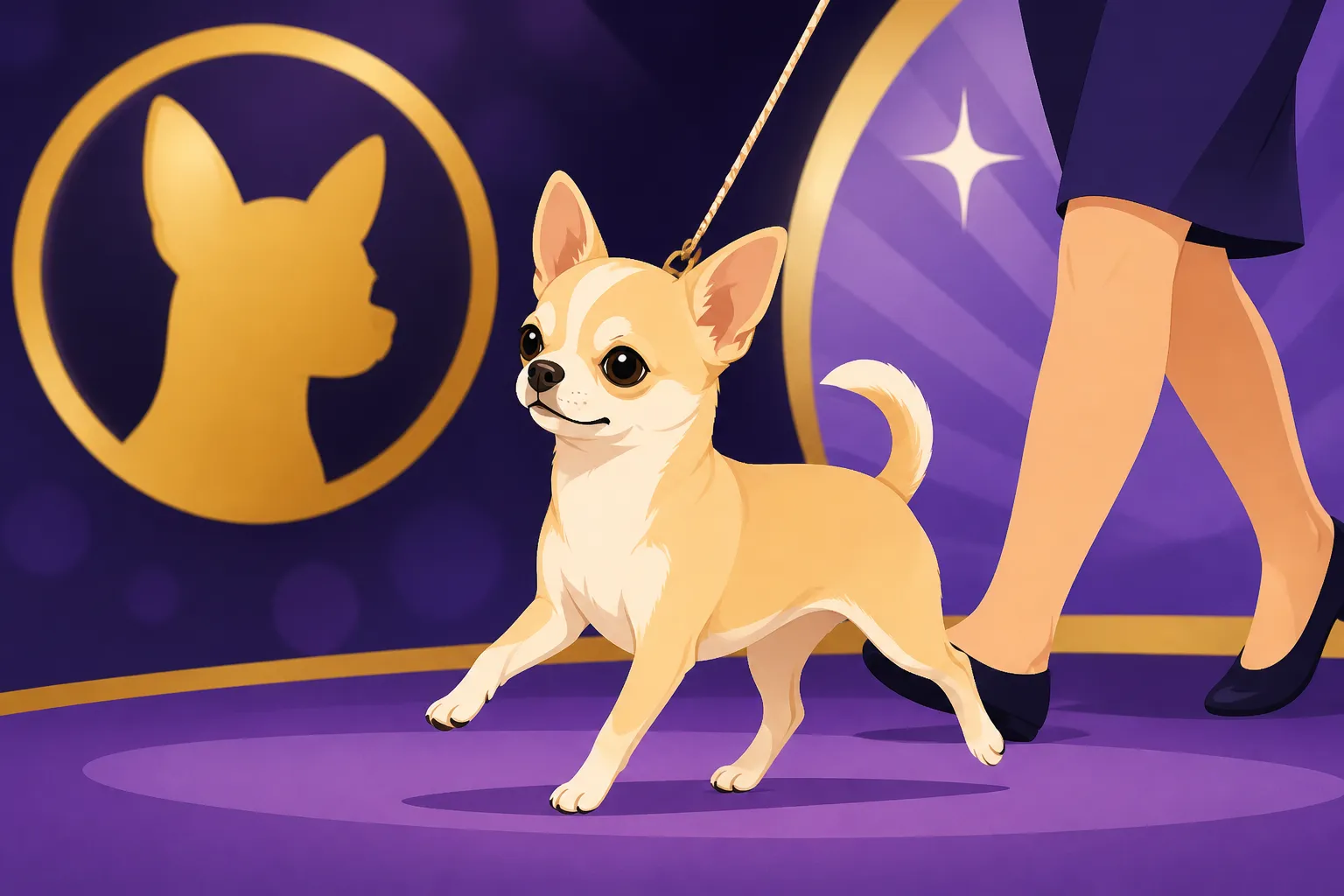
Chihuahua Movement in the Show Ring
Oh, the show ring! It’s a place of such excitement, and sometimes, a little bit of anxiety, for us Chihuahua owners. We pour our hearts into these tiny dogs, grooming them, training them, and then presenting them to judges who are looking for perfection. But what does "perfect movement" even mean for a Chihuahua? It's not about being the fastest or the biggest, but about demonstrating a specific, harmonious gait that speaks to the breed's purpose and health. This guide is all about understanding what judges are looking for when your little showstopper struts their stuff, from their confident stride to every tiny paw placement.
The Ideal Chihuahua Gait and Standard Requirements
When a Chihuahua moves in the show ring, it's not just a casual stroll. Judges are looking for a very specific type of movement, often described as free, active, and graceful, embodying both vigor and balance. It’s a dynamic evaluation of their entire structure, not just a static pose. Think of it as a moving portrait of the breed standard.
The Overall Impression of Movement
The first thing a judge notices about a moving Chihuahua is the overall impression. They want to see a confident, eager dog that moves with purpose and self-assurance. This isn't a dog that's hesitant or dragging its feet; it’s a tiny powerhouse moving with efficient, coordinated steps. The movement should be fluid, meaning there are no hitches, stiff joints, or awkward pauses. It should feel effortless, like a well-oiled machine. This isn't necessarily a "flying trot" like you'd see in a larger working breed, but rather a brisk, happy trot that shows off their sound construction. The dog should cover ground efficiently, meaning that each stride takes them somewhere, rather than just being high-stepping or choppy. It all comes back to the idea that a Chihuahua, despite its size, is a sturdy, well-put-together dog.
Front and Rear Assembly in Motion
Let's get into the nitty-gritty of how those tiny limbs should work together. When a Chihuahua is moving, especially at a trot, their front legs should reach out smoothly, extending forward with purpose, but without any exaggerated high-stepping (often called a "hackney" gait). The paws should track straight forward, neither turning in ("pinning") nor turning out ("paddling"). Imagine parallel lines from their shoulders to their feet; they should follow those lines.
Similarly, the rear legs are crucial for "drive." They should push off the ground powerfully, propelling the dog forward. The hocks (those joints on their back legs that look like backwards knees) should be strong and flexible, bending well to provide that spring. Just like the front, the rear paws should track straight, without crossing over or swinging wide. The overall effect should be that the dog moves as a single, coordinated unit, with the front reach balancing the rear drive. The topline, from the back of the neck to the tail set, should remain firm and level, with minimal bounce or roll. This firmness of the topline is a key indicator of strong core muscles and good spinal structure, essential for a confident and balanced gait. This is all part of what makes Chihuahua Proportions Under the Standard so vital to their overall presentation.
Side Gait and Coordination
Observing a Chihuahua from the side, as they move around the ring, gives the judge a comprehensive view of their coordination and balance. This is where the harmony between the front and rear assemblies really shines through. The dog's head should be held proudly, attentively, reflecting the breed's intelligent and alert nature. The tail, which the standard typically calls for to be carried in a high, proud arch over the back, becomes an extension of their topline, completing the picture of elegance and confidence. The Chihuahua Tail Carried Over the Back is not just for looks; it's part of the overall dynamic silhouette.
The length of stride is also critical here. A Chihuahua should have a moderate, efficient stride – not too long that it throws them off balance, and not too short that it looks choppy or restricts their movement. Each step should flow seamlessly into the next, demonstrating a smooth transition of weight and power. There should be a sense of rhythm and fluidity, showcasing their natural athleticism. This side view helps a judge assess how well the dog's angles are working together and if they have the proper balance for their size and structure.
Common Faults and Deviations in Chihuahua Movement
Even the most beautiful Chihuahua can have less-than-perfect movement, and it’s these faults that judges are trained to spot. These deviations aren't just cosmetic; they often point to underlying structural weaknesses, poor conditioning, or even health issues. Understanding them can help you appreciate the nuances of the breed standard and the challenges breeders face.
Issues with Reach and Drive
When a Chihuahua isn't moving with the ideal reach and drive, it becomes quite noticeable. One common fault is "short-striding," where the dog takes small, mincing steps, failing to extend their limbs fully. This can make them look stiff or unwilling to move. Sometimes, you'll see "paddling," which is when the front paws swing out wide like paddles as the dog moves, rather than tracking straight forward. Another distinct fault is a "hackney gait," where the front legs lift high, almost like a miniature Hackney pony, often with a noticeable snap in the wrist joint. This might look fancy to some, but it’s inefficient and incorrect for a Chihuahua.
At the rear, faults can include a lack of drive, making the dog look like they're dragging their hindquarters. "Cow-hocked" movement is another common issue, where the hocks turn inward while the feet track out, making the hind legs look like a cow's. Then there's "crabbing" or "sidewinding," where the dog moves with its body angled, essentially moving somewhat sideways rather than straight forward. These issues can be genetic, due to poor conditioning, or even indicators of discomfort. It’s particularly important to consider potential underlying health concerns like Chihuahua Patellar Luxation, the Chihuahua's Commonest Joint Problem, which can directly manifest as a compromised gait or The Skipping Gait That Signals a Chihuahua Knee.
Topline and Footfall Problems
Beyond the reach and drive of the individual limbs, the overall stability of the dog's body while moving is critically important. A major fault is a "rolling" or "wobbly" topline, where the back bobs up and down excessively, rather than remaining firm and level. This suggests weakness in the loin or spine, or poor muscle tone. A "dipping" topline can also occur, where the back sags noticeably.
When it comes to footfall, judges are looking for clean, straight tracking. Faults here include "weaving," where the front or rear legs cross over each other as the dog moves, creating an unstable gait. "Interfering" is a more severe form where the paws actually strike each other. Another issue is an inconsistent gait, where the dog might take a good step, then a poor one, or suddenly drop its head or tail, indicating a lack of concentration or comfort. Remember, Chihuahua Faults That Disqualify in the show ring often relate to structural soundness that impacts movement and overall health.
Temperament and Presentation
It’s easy to focus solely on physical mechanics, but a Chihuahua's temperament plays a huge role in its movement presentation. A shy, fearful, or unconfident Chihuahua will often move poorly, regardless of its underlying structure. They might tuck their tail tightly, flatten their ears, keep their head low, or move with a stiff, hesitant, or even darting gait. This lack of confidence immediately impacts the "free and active" description of ideal movement. A judge wants to see a dog that is happy, alert, and keen to show itself off. The breed standard calls for a "terrier-like" spirit, which means they should be bold and self-assured. The Terrier-Like Chihuahua Spirit the Standard Wants means they should approach the ring with a certain joie de vivre, which directly translates into how they move. A dog that is constantly looking for an escape route, or trying to hide behind its handler, will never truly shine in the movement portion of judging.
How Judges Evaluate Chihuahua Movement in the Ring
For those of us watching from the sidelines, judging movement might look simple – the dog trots around, and the judge makes a mental note. But there’s a sophisticated process behind it, designed to give the judge a complete picture of the dog's structure and function. It’s not just about speed; it's about evaluating the efficiency and correctness of every step.
The Triangular Pattern and Down-and-Back
In almost every show ring, judges use specific patterns to evaluate a dog's movement. The most common involves the "down-and-back" and the "triangle." For the down-and-back, the handler will trot their Chihuahua straight away from the judge, turn, and then trot directly back towards them. This allows the judge to assess how the dog's front and rear legs track – are they moving in straight lines, or are they weaving, paddling, or crossing over? They are looking for solidity and parallelism in the limbs. This also reveals any signs of lameness or discomfort that might only be apparent when moving away from or towards them.
The "triangle" pattern is then typically used to evaluate side gait and overall coordination. The handler will trot their Chihuahua away from the judge, turn at one corner, trot across to another corner, turn again, and then trot back towards the judge. This pattern allows the judge to see the dog's movement from multiple angles, observing the reach and drive, the firmness of the topline, head and tail carriage, and overall fluidity. It's during this pattern that the dog's full movement profile, including how well its front and rear synchronize, becomes clear. It’s a comprehensive test of soundness and balance.
Overall Condition and Presentation
Beyond the mechanics of the gait itself, a judge is also evaluating the Chihuahua's overall condition and presentation. A dog that is lethargic, overweight, or clearly uncomfortable will not move to its full potential, no matter how good its underlying structure might be. A well-conditioned Chihuahua will have appropriate muscle tone, be at its ideal weight, and possess a healthy, gleaming coat, all of which contribute to an energetic and free-moving presentation. Remember, What a Chihuahua Weighs Under the Standard is important, as being significantly over or under that six-pound ceiling can affect their agility and endurance.
The handler's skill in presenting their dog also plays a critical role. A handler needs to choose the correct pace to best showcase their Chihuahua's natural gait, neither too fast nor too slow. They should also be aware of their dog's temperament and be able to encourage a confident and happy demeanor in the ring. A handler who is in tune with their dog can help them present their best possible movement, making eye contact and using encouraging words to keep them focused and engaged.
Understanding the Breed Standard's Movement Description
For serious exhibitors, dissecting the precise wording in the breed standard regarding movement is essential. Each national kennel club (like the AKC in the United States) has its own standard, and while they are generally similar, specific nuances can exist. The Chihuahua standard typically emphasizes a "brisk, jaunty, and free" movement. These aren't just flowery words; they're prescriptive. "Brisk" implies energy and speed, "jaunty" speaks to their confident and spirited character, and "free" indicates unrestricted, easy movement.
Judges are trained to interpret these descriptions and apply them to the dogs in the ring. They are looking for a dog that moves with efficiency and without wasted motion, reflecting its purpose as a companion dog that is sound in body. Every structural point mentioned in the standard – from proper angulation of shoulders and stifles to a level topline – contributes to this overall picture of correct movement. For example, a well-angulated shoulder allows for good front reach, while proper rear angulation provides the powerful drive. Understanding How the Chihuahua Standard Has Shifted over time can also provide context, though the core tenets of sound movement have largely remained consistent.
Preparing Your Chihuahua for Optimal Ring Movement
Getting your Chihuahua ready for the show ring, especially when it comes to movement, is a journey that starts long before they ever step foot onto the green carpet. It involves a blend of careful conditioning, specific training, and diligent health management.
Conditioning and Physical Fitness
A show Chihuahua, just like any athlete, needs to be in peak physical condition to perform its best. This means regular, appropriate exercise that builds muscle tone, strengthens joints, and maintains a healthy weight. Daily walks, even short ones, on varied surfaces can improve coordination and stamina. Indoor fetch or controlled play sessions can also contribute to their fitness. Avoid excessive jumping or activities that put undue strain on their small joints, especially since Chihuahuas can be prone to conditions like patellar luxation. Ramps for furniture are an excellent idea to protect their knees.
Good nutrition is also foundational. A high-quality diet provides the energy for activity and the building blocks for strong muscles and bones. Consider discussing specific dietary needs with your vet, or exploring options from reputable brands like Chewy, which offers a wide range of premium foods and supplements designed for small breeds. A dog that is too heavy will struggle with movement, appearing sluggish and putting strain on its delicate frame. Conversely, an underweight dog may lack the muscle and stamina needed for sustained, energetic movement. Regular physical conditioning helps keep them sound and agile well into their senior years, potentially delaying issues such as Chihuahua Arthritis in the Teenage Years.
Ring Training and Handler Skills
Physical fitness is only half the battle; the other half is specific ring training. This involves teaching your Chihuahua to trot confidently on a leash at the desired pace, maintaining that proud head and tail carriage. Practice the "down-and-back" and "triangle" patterns repeatedly, both at home and in environments that simulate the show ring (like a local park or community hall). This exposure helps them get used to different surfaces and distractions.
Learning to stack (pose) your dog correctly is important, but equally vital is mastering the art of moving them. You need to find the "sweet spot" pace where your particular Chihuahua looks their very best. This might be a bit faster or slower than another dog. Using a lightweight show lead and collar or a well-fitting, comfortable harness (you can find a great selection of small-breed harnesses on Chewy) is crucial so you don't restrict their movement or breathing. Work on building a strong, positive bond with your dog, so they look to you for guidance and encouragement in the ring. Consistency in practice, patience, and positive reinforcement are key to building both their skills and their confidence.
Health Checks and Genetic Clearances
Ultimately, optimal movement stems from sound health and genetics. Before even considering the show ring, it's paramount to ensure your Chihuahua has had appropriate health checks and, if from a reputable breeder, comes from lines with documented genetic clearances. Conditions like patellar luxation, which directly impacts knee stability and thus movement, are prevalent in Chihuahuas. Therefore, Chihuahua Patella Certification Before Breeding is a vital step for responsible breeders. These certifications help ensure that the structural components of movement are as sound as possible.
Regular veterinary check-ups are also crucial to catch any budding health issues that might affect their gait or general well-being. A dog in pain or with an undiagnosed condition will never move correctly. This includes regular dental care, as discomfort in the mouth can affect their overall demeanor and focus. A healthy dog is a happy dog, and a happy dog is far more likely to move with the confidence and freedom that judges are seeking in the show ring.
Table: Ideal Chihuahua Movement vs. Common Faults
| Feature | Ideal Movement Description | Common Faults and Deviations | Impact on Judging |
|---|---|---|---|
| Overall Impression | Free, active, fluid, confident, purposeful, balanced | Stiff, hesitant, sluggish, uncoordinated, lacking confidence | Negative impression; suggests structural flaws or poor temperament |
| Front Reach | Smooth, moderate extension; paws track straight forward | Short-striding, paddling (swinging out), hackney gait (high-stepping) | Indicates shoulder/elbow issues, inefficient movement |
| Rear Drive | Strong, powerful propulsion; hocks bend well; paws track straight | Lack of drive, cow-hocked (hocks inward), wide tracking, weaving | Suggests hip/stifle issues, weak hindquarters, poor muscle development |
| Topline | Firm, level, minimal bounce or roll | Rolling, dipping, excessive bounce | Signifies weak back, poor core strength, or structural imbalance |
| Footfall | Paws track clean, straight, no interference | Weaving (crossing over), interfering (striking feet), irregular | Poor coordination, potential lameness, structural misalignment |
| Head & Tail | Head held proudly, alert; tail carried high in an arch | Head low, tail tucked, rigid tail carriage | Implies shyness, fear, lack of confidence, or discomfort |
| Temperament | Eager, attentive, confident, "jaunty" spirit | Shy, fearful, distracted, anxious, aggressive | Detracts from overall presentation; can mask good structure with poor attitude |
Disclaimer
This article is for general informational purposes only and does not constitute professional advice. Laws, prices and regulations vary by location and change over time. Consult a qualified professional for guidance on your specific situation.