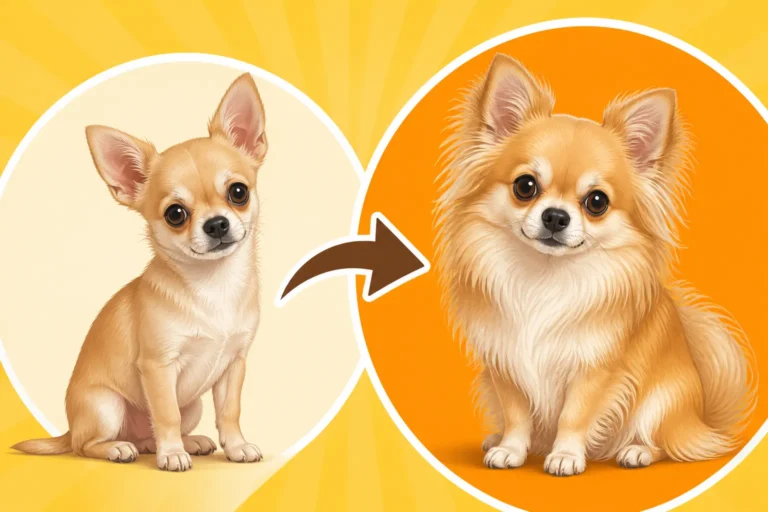
Chihuahua Eye Shape and Expression
One of the most captivating features of a Chihuahua is their striking eyes, often large and expressive, giving them an almost human-like gaze. However, this distinctive look can also lead to confusion for owners trying to discern a normal, healthy eye from one signaling a problem. This guide dives deep into the unique eye shape and expression of Chihuahuas, helping you understand what's typical for the breed and when it's time to seek veterinary attention.
The Distinctive Look of Chihuahua Eyes: What's Normal?
When you look at a Chihuahua, their eyes are often the first thing that catches your attention. They are a defining characteristic of the breed, contributing significantly to their charming and sometimes mischievous appeal. But what exactly makes their eyes so unique, and what should a healthy, normal Chihuahua eye look like? It’s crucial to understand these aspects to properly care for your tiny companion.
The Chihuahua's Characteristic Eye Shape and Placement
Chihuahua eyes are typically large, round, and quite full, often giving them a soulful or perpetually surprised expression. They are almost always dark in color, ranging from a deep brown to black, which contrasts beautifully with lighter fur coats. What's particularly characteristic is how they are set: they tend to be rather prominent, sitting in a relatively shallow orbital socket. This gives them that familiar "bug-eyed" look that many Chihuahua lovers find endearing, but it also carries implications for their care and vulnerability.
This prominence isn't just an aesthetic feature; it's a physical trait inherent to the breed standard, particularly in the "apple head" variety. When you look at an Apple Head Chihuahua Eyes and Ear Set, you'll notice how the rounded skull often complements the fullness of the eyes. Their expression is usually alert and intelligent, always ready to take in their surroundings. Sometimes, they might appear a bit worried or deeply contemplative, even when they're perfectly content. This is simply part of their inherent facial structure and how their emotions are conveyed through those big, dark windows to their soul. It's a look that communicates so much, from deep affection to playful curiosity, without them uttering a single bark.
Tear Staining: A Common Aesthetic Challenge
Given the prominent nature of their eyes and sometimes less-than-perfect tear duct drainage, Chihuahuas are remarkably prone to tear staining. This is that reddish-brown discoloration you often see beneath a Chihuahua's eyes, a result of porphyrins (iron-containing waste products) in their tears oxidizing upon exposure to air and sunlight. It can be incredibly frustrating to keep on top of, especially for owners who pride themselves on their Chihuahua's pristine appearance. It feels like a constant battle, with fresh stains appearing almost as soon as you've wiped the last ones away.
While tear staining isn't usually a health concern itself, it can be a tell-tale sign of underlying issues if it's excessive or accompanied by other symptoms. For most Chihuahuas, it's just a cosmetic nuisance due to their anatomy, including potentially blocked or abnormally shaped tear ducts. There are many products designed to manage this, from gentle wipes to specially formulated washes that you can find readily on sites like Chewy. Consistency is key, and integrating a daily cleaning routine can help prevent the stains from setting in and becoming more difficult to remove. For an even deeper dive into this specific challenge, you might find it helpful to read Chihuahua Tear Stains and How to Clean Them.
Understanding Eye Expression: More Than Just a Look
A Chihuahua's eyes do more than just see; they are powerful communicators, capable of conveying a wide range of emotions and intentions. For a discerning owner, learning to "read" these expressions is an invaluable skill, allowing you to better understand your dog's mood, needs, and even subtle discomforts. It's a silent language, spoken through dilation, furrowed brows, and the very shape of their gaze.
Reading Your Chihuahua's Emotional Cues Through Their Eyes
Chihuahuas communicate a remarkable amount through their eyes, often far more than larger breeds that might rely more on body posture or vocalizations. Wide, alert eyes typically signify curiosity, engagement, or excitement. Your Chihuahua might have this look when you grab their leash for a walk, or when they spot a squirrel outside the window. A soft, relaxed gaze, perhaps with a slight narrowing of the eyelids, often indicates contentment, affection, and trust – the kind of look they give you when they're snuggled happily on your lap.
Conversely, a Chihuahua's eyes can also signal distress. Squinting, especially if accompanied by rubbing or pawing at the face, can be a strong indicator of pain, irritation, or an injury to the eye itself. A fearful Chihuahua might exhibit what's known as "whale eye," where the whites of their eyes are visible at the sides or bottom as they glance away, indicating anxiety or discomfort with a situation. This is a crucial signal to recognize, as it often precedes other defensive behaviors. Learning to interpret Reading a Chihuahua's Whale Eye can give you incredible insight into your dog's inner world and help you preemptively address situations that might cause them stress.
The Importance of a Bright, Clear Gaze
A healthy Chihuahua eye should always be bright, clear, and sparkling. This isn't just about aesthetics; it's a primary indicator of overall eye health and, often, general well-being. The eye surface should appear moist but not overly watery, and there should be no noticeable discharge or cloudiness. The pupils should be reactive to light, dilating in dim conditions and constricting in bright ones, just like a human eye.
Any deviation from this clear, bright appearance can be a cause for concern. A dull, glazed, or cloudy look can signal anything from dehydration to an underlying medical condition. If the whites of the eyes (the sclera) appear yellow or excessively red, it could indicate jaundice or inflammation, respectively. Even subtle changes, like a consistent haziness that wasn't there before, warrant a closer look. Because Chihuahuas are so small, even minor issues can escalate quickly, so paying attention to the clarity and brightness of their gaze is a simple yet powerful way to monitor their health.
Common Chihuahua Eye Concerns and When to Worry
While their large, expressive eyes are undeniably charming, they also come with a unique set of vulnerabilities and predispositions to certain conditions. Being aware of these potential issues is key to providing proactive care and knowing when to seek professional help for your Chihuahua.
Prominence and Vulnerability to Injury
The very feature that makes Chihuahua eyes so captivating – their prominent, almost bulging appearance due to shallow eye sockets – is also their Achilles' heel. These shallow sockets mean the eyes are less protected by bone and surrounding tissue compared to breeds with deeper-set eyes. This anatomical trait makes them exceptionally vulnerable to injury, which can happen with surprising ease in their everyday environment.
Think about it: a quick dash through tall grass during a walk could result in a scratch from a blade. A playful tussle with another dog, even a gentle one, might lead to an accidental poke. Even brushing past furniture at just the wrong angle can cause trauma. These aren't just minor scrapes; because the eye is so exposed, injuries can penetrate deeper, leading to serious complications. This vulnerability is why it's so important to be mindful of their surroundings and to consider their delicate eyes in all activities. If you're ever concerned about a possible injury, checking out Chihuahua Eye Injuries and Prominent Eyes can provide more detailed guidance.
Recognizing Signs of Trouble: Redness, Discharge, and Squinting
Knowing what constitutes a normal eye expression is only half the battle; the other half is recognizing the red flags that signal a problem. Any persistent redness in the eye, particularly if it's localized or intense, is a sign of inflammation or irritation. If you see thick, colored discharge – yellow, green, or even excessive white mucus – it's definitely a reason to worry, as this often indicates an infection. Your Chihuahua might also exhibit excessive blinking or squinting, a clear sign that something is causing discomfort or pain. They might start rubbing or pawing at their face more frequently than usual, which is their way of trying to relieve irritation.
Other concerning signs include cloudiness or a bluish haze over the cornea, which could suggest anything from an ulcer to glaucoma. Sometimes, you might even notice a visible protrusion of the third eyelid (nictitating membrane), which should typically remain tucked away. Conditions like Corneal Ulcers in a Chihuahua are extremely painful and require immediate veterinary attention, as they can quickly worsen and threaten vision. Similarly, if your Chihuahua seems to be blinking more, or if their eyes appear dry and irritated, it could be a case of Dry Eye Behind a Chihuahua's Prominent Eyes, a chronic condition needing ongoing management. Never dismiss these symptoms as minor; prompt action is always best for preserving your Chihuahua's precious eyesight.
Age-Related Eye Changes
Just like humans, Chihuahuas experience age-related changes in their eyes as they mature into their senior years. One of the most common observations is a generalized haziness or cloudiness in the lenses, often referred to as nuclear sclerosis. This is a normal part of aging, caused by the hardening of the lens fibers, and typically doesn't significantly impair vision, though it might make objects appear less sharp. It usually presents as a bluish-gray haze that develops slowly over time.
However, it's crucial not to confuse nuclear sclerosis with cataracts. Chihuahua Cataracts in Older Dogs appear as more opaque, whitish, or milky cloudiness within the lens, and unlike nuclear sclerosis, they can significantly obstruct vision, eventually leading to blindness if severe. While some cataracts are age-related, others can be caused by underlying conditions like diabetes. Furthermore, some Chihuahuas can be predisposed to conditions like Retinal Atrophy Taking a Chihuahua's Night Vision, a degenerative disease that progressively affects the retina, leading to night blindness initially and eventually complete blindness. Regular senior vet check-ups are vital to differentiate between these conditions and to manage any discomfort or vision loss your aging Chihuahua might experience.
Keeping Those Precious Eyes Healthy
Maintaining the health and clarity of your Chihuahua’s eyes is an ongoing commitment, but it doesn’t have to be complicated. With a few simple daily habits and a watchful eye, you can help protect their vision and ensure those beautiful eyes remain bright and comfortable throughout their long lives.
Daily Eye Checks and Gentle Cleaning
Making a quick eye check part of your daily routine is one of the most effective preventative measures you can take. While you’re having your morning coffee or cuddling on the sofa, take a moment to look closely at your Chihuahua’s eyes. Are they clear? Is there any redness? Is there any discharge, and if so, what color and consistency is it? Early detection of any issue can make a huge difference in treatment success.
If you notice any discharge or mild tear staining, gentle cleaning is usually all that’s needed. Use a soft, clean cloth or a cotton pad dampened with warm water – never use harsh soaps, human eye drops, or chemical cleaners near their eyes. Gently wipe away any debris or crust from the corner of the eye, always wiping away from the eye itself. There are also many specially formulated pet eye wipes and cleaning solutions available on platforms like Chewy that are designed to be safe and effective for this purpose. Always ensure any product you use is specifically made for canine ophthalmic use.
Environmental Protection and Preventative Measures
Given the prominence of Chihuahua eyes, environmental protection plays a significant role in preventing injury. Be mindful of where your Chihuahua explores, especially in areas with dense brush, low-hanging branches, or rough ground where sharp objects might be present. When playing with other pets, even housemates, supervise closely to prevent accidental pokes or scratches.
Consider the benefits of a harness over a collar for your Chihuahua. While primarily beneficial for protecting their delicate windpipes (as discussed in detail in posts like Why a Harness Matters for a Chihuahua Windpipe), avoiding direct pressure on the neck can also indirectly benefit eye health by preventing increased intraocular pressure in some cases, or simply reducing strain around the head in general. A well-fitting harness distributes pressure across their chest and back, making it a safer option. Essentially, for Chihuahua Eye Problems in a Shallow Socket, any measure you can take to prevent trauma is a good one, and sometimes that means a different piece of walking gear or just being extra vigilant during playtime.
Regular Veterinary Care
Perhaps the most crucial aspect of maintaining your Chihuahua’s eye health is consistent and regular veterinary care. Routine check-ups are not just for vaccinations; they are an opportunity for your veterinarian to perform a thorough physical examination, which always includes an assessment of the eyes. These exams can detect subtle changes or early signs of disease that you might miss at home.
Your vet can check for common issues like dry eye, glaucoma, or even subtle indications of early cataracts. If concerns arise, they can perform specific ophthalmic tests, such as tear production tests (Schirmer tear test), fluorescein stain tests to check for corneal ulcers, or even pressure checks for glaucoma. Early intervention for many eye conditions, from infections to more complex issues, can often prevent progression, reduce pain, and save your Chihuahua's vision. Don't hesitate to schedule an appointment if you notice any persistent changes or worrying symptoms, as timely professional advice is invaluable.
| Characteristic | Normal Chihuahua Eye | Sign of Concern |
|---|---|---|
| Appearance | Large, round, prominent, dark, clear, sparkling | Squinting, red, cloudy, dull, hazy, excessively bulging |
| Moisture | Moist but not excessively watery, minimal clear tears | Dry, sticky, thick discharge, excessive clear tears that persist |
| Expression | Alert, curious, soft when relaxed, engaged | Avoids eye contact, "whale eye" (whites visible), signs of pain (blinking), dilated pupils in normal light |
| Discharge | None or minimal clear tears only | Yellow, green, thick, crusty, excessive clear tears, bubbles |
| Behavior | No rubbing or pawing at eyes, comfortable in light | Persistent pawing, rubbing, blinking, sensitivity to light, holding eye closed |
| Color | Clear whites (sclera) | Redness, yellow tint, bloodshot appearance |
Disclaimer
This article is for general informational purposes only and does not constitute professional advice. Laws, prices and regulations vary by location and change over time. Consult a qualified professional for guidance on your specific situation.