DNA Studies on Chihuahua Origins
It can be truly fascinating to trace the history of our beloved Chihuahua, especially when you encounter so many conflicting stories and legends about where these tiny powerhouses actually come from. Many of us have heard the tales of ancient Mexico, but other theories pop up, leaving you wondering what the real story is. This guide dives into what modern DNA studies have revealed about Chihuahua origins, cutting through the myths to give you the most current scientific understanding.
The Historical Theories vs. Scientific Fact
For centuries, the precise lineage of the Chihuahua was a topic of much speculation, often fueled by folklore and fragmented historical records. Everyone had a theory, from ancient civilizations to European seafaring. While these stories paint a romantic picture, modern science, through DNA analysis, offers a much clearer, albeit sometimes surprising, look into their past.
The Ancient Techichi and Mexican Roots
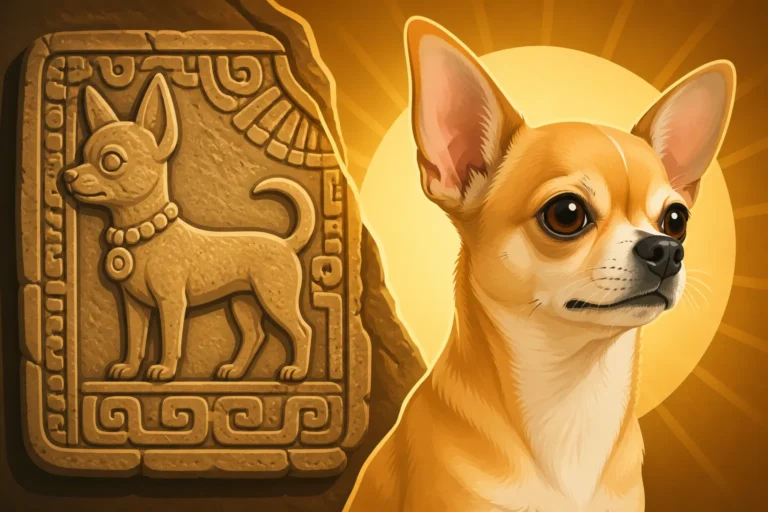
The most enduring and widely accepted historical theory links the Chihuahua to an ancient dog breed known as the Techichi. This small, long-haired dog was kept by the Toltec civilization in Mexico, dating back as far as 300 BC. Imagine stumbling upon archaeological digs and finding carvings and effigies of these little dogs! They were considered sacred, often found in burials, believed to guide souls through the afterlife. When the Aztecs conquered the Toltecs, they adopted many aspects of their culture, including their reverence for the Techichi. Stories even suggest that The Chihuahua's Ancestor Among Montezuma's Treasures was a common sight, cherished by nobility.
This theory has always been compelling due to its strong cultural and geographical ties. You can see why it became the dominant narrative: a tiny, revered dog from a rich, ancient civilization, right there in the region where the modern Chihuahua first gained international recognition in the 1800s. It felt right, a perfect fit for such a distinctive breed. However, historical records can be incomplete, and visual similarities don't always tell the whole genetic story.
The "Chinese Crested" and Other European Theories
Alongside the Techichi legend, various other theories have floated around, often suggesting European or even Asian origins. One popular, though now largely debunked, theory proposed that Chihuahuas descended from dogs brought over from China by Spanish traders, perhaps related to the Chinese Crested Dog. The idea was that these dogs were then bred with smaller native dogs in Mexico. Other whispers linked them to small European terriers or even miniature pinschers.
These alternative theories often arose from the simple fact that small companion dogs exist in many cultures, and when the Chihuahua burst onto the international scene in the late 19th and early 20th centuries, people looked for familiar touchstones. The lack of detailed historical documentation for centuries after the Spanish conquest also left a void that these theories tried to fill. It’s understandable why people would try to connect the dots to other known small breeds, especially when clear records were scarce.
Why DNA Evidence Became Necessary
The sheer volume of conflicting theories and the gaps in historical records highlighted the need for a more definitive answer. While archaeological findings like those depicting The Chihuahua Ancestor Carved in 300 BC provide strong circumstantial evidence, they don't offer the genetic blueprint needed to confirm direct lineage. It's like finding a picture of your great-great-grandparent; you know they existed, but you don't have their full genetic code.
Furthermore, the influence of What the Spanish Conquest Did to the Chihuahua on native dog populations was a huge question mark. Did the Spanish simply replace native dogs with their own, or did extensive interbreeding occur? Without genetic analysis, it was nearly impossible to tell the full story. DNA studies offered the promise of cutting through the historical fog, allowing scientists to compare the genetic makeup of modern Chihuahuas to a vast database of other dog breeds and even ancient dog remains.
What Early DNA Studies Revealed
When the first comprehensive DNA studies on dog breeds began to emerge, they started to paint a picture of Chihuahua origins that was more complex than many had anticipated. These genetic blueprints held secrets that historical accounts alone could never fully unlock.
Initial Surprises: How European Dog DNA Appeared
One of the most striking findings from early DNA analyses was the significant presence of European dog DNA within the Chihuahua genome. This was a bit of a curveball for those who strictly adhered to the Techichi-only theory, as it clearly indicated a mixing of lineages. It meant that the cute little Chihuahuas we adore today weren't solely direct descendants of pre-Columbian Mexican dogs.
This revelation suggested that at some point, there was considerable intermingling between the indigenous dogs of Mexico and dogs brought over by European settlers. It shifted the narrative from a purely unbroken native line to one influenced by the massive demographic and cultural changes brought by the arrival of the Europeans. It's a reminder that history, especially of living creatures, is rarely a straight line.
The Conquistador Connection
The presence of European DNA strongly points to the impact of the Spanish Conquistadors. When the Spanish arrived in the Americas, they didn't just bring people and diseases; they brought their dogs, too. These dogs, often larger and more diverse in breed type than the native dogs, inevitably bred with the local canid populations, including the descendants of the Techichi. This process started centuries ago and continued as new settlers arrived.
So, while the Techichi lineage likely formed the foundational "stock," the genetic contribution from European dogs, over generations, shaped the breed that eventually caught the eye of American visitors in the 1800s. This helps explain How Americans Found Chihuahuas in the 1800s and recognized them as unique, yet potentially with some familiar traits from dogs they knew. This intermingling is a fascinating testament to historical migration and cross-cultural exchange, even among our four-legged friends. This blend of histories is often overlooked when we think about purebred dogs, but it's a vital part of their story.
The Deeper Dive: Reconciling the Past with the Present
As DNA research became more sophisticated, scientists could perform more granular analyses, allowing for a more nuanced understanding of the Chihuahua's complex genetic tapestry. The story isn't just about one origin or another; it's about a fascinating blend.
Re-evaluating the Techichi Ancestry
While European influence is undeniable, more recent and detailed DNA studies have indeed found genetic markers that link the modern Chihuahua to ancient, pre-Columbian dog populations in Mexico, lending significant weight to the Techichi theory. This means the ancestral roots are truly dual-pronged: an indigenous foundation merged with European contributions. It’s not an "either/or" situation, but rather a "both/and." The Chihuahua From Techichi to American Lapdog is a journey that involved both lines.
Imagine it like a river with two tributaries. One tributary is the ancient Techichi line, flowing through centuries of indigenous cultures. The other is the influx of European dogs, joining the main river after the conquest. Over time, these waters mixed, creating the unique stream that is the modern Chihuahua. This explains why Chihuahuas possess some traits that seem distinctly ancient and others that hint at a broader, more recent genetic past.
Modern Breed Development and Genetic Bottlenecks
The story doesn't end with ancient mixing. The modern Chihuahua, as we know it today, was further shaped by intensive selective breeding practices, especially after its recognition by organizations like the AKC in 1904. This period of formal breed development created what's often called a "genetic bottleneck." Breeders began to focus on specific physical traits – the famous "apple head," compact size, certain coat types – and selectively bred dogs that exhibited these characteristics.
This intentional narrowing of the gene pool further refined the breed, making modern Chihuahuas more uniform but also potentially consolidating certain genetic predispositions. For example, specific genes related to size, skull shape (like that associated with The Chihuahua Molera and What a Soft Spot Means), or even certain health conditions became more prevalent. This is a crucial phase in any breed's history, as it defines the look and often the health profile of the dogs we see today. You might find a huge variety of products catering to these specific needs on sites like Chewy, from tiny harnesses to dental chews.
How Genetic Markers Pinpoint Origins
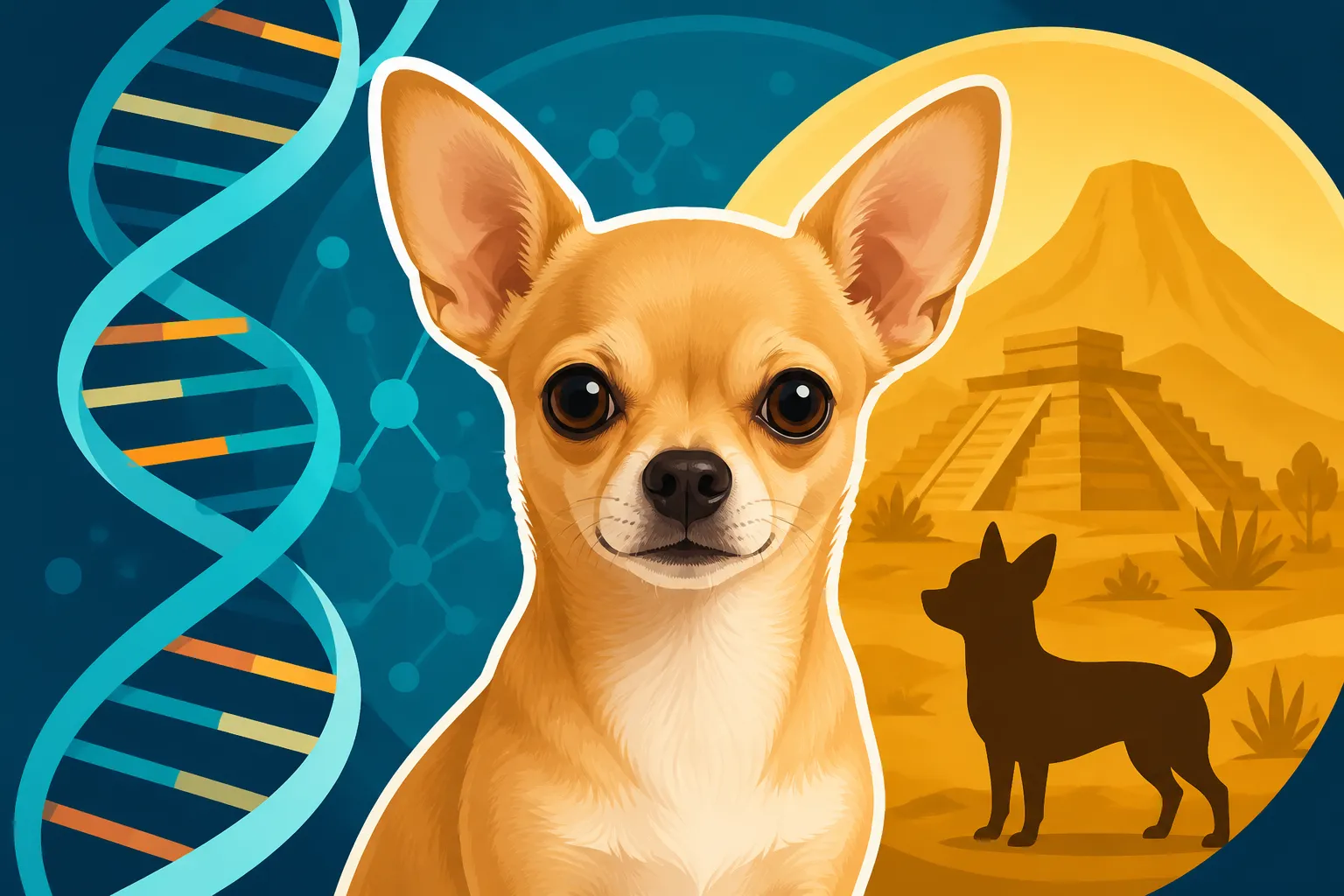
So, how do scientists actually do this? They look at specific sequences in a dog's DNA, called genetic markers. These markers act like signposts, indicating ancestry. By comparing thousands of these markers across various dog breeds, ancient dog remains, and even wolves, researchers can build a family tree. They can see which breeds share significant chunks of DNA, indicating a close relationship or a common ancestor.
For Chihuahuas, researchers identified specific genetic signatures that are uniquely found in pre-Columbian New World dogs, as well as signatures that are distinctly European. The overlap and distribution of these markers within the Chihuahua genome tell the story of their mixed heritage. This sophisticated mapping allows for a much more precise understanding than simply observing physical similarities or relying on oral traditions. It's a testament to the power of scientific inquiry in uncovering historical truths about our pets.
Implications for the Modern Chihuahua
Understanding the genetic origins of the Chihuahua isn't just a fascinating historical exercise; it also offers practical insights into the breed's characteristics, health, and why they are the way they are today. It helps us appreciate the depth of their heritage.
Understanding Unique Breed Traits
The mixed ancestry of the Chihuahua goes a long way in explaining their unique blend of traits. Their fierce loyalty, often described as a "one-person dog" personality, could be a remnant of their ancient role as cherished companions. Their remarkable intelligence and adaptability might stem from a long history of survival and integration into diverse human societies, from ancient nobility to modern households. Chihuahua Temperament and What the Standard Asks For often speaks to this blend of courage and devoted companionship.
The physical traits, from their compact size to their alert, expressive eyes, are a direct result of both natural selection within their native environment and the deliberate breeding choices made over the last century or so. Knowing this background helps us see our Chihuahuas not just as cute lapdogs, but as living historical artifacts with a rich and varied past. It truly makes them even more special.
Health Insights from Genetic History
Delving into the genetic past can also shed light on certain health predispositions common in the breed. For example, understanding the genetic bottlenecks created during breed development can help researchers identify genes linked to conditions like Patellar Luxation, the Chihuahua's Commonest Joint Problem or specific cardiac issues that might have become more prevalent through selective breeding. If certain ancestral lines carried particular genetic vulnerabilities, these could have been amplified as the breed became more formalized.
Breeders who are aware of these genetic insights can make more informed decisions when selecting breeding pairs, aiming to reduce the incidence of hereditary diseases. For owners, knowing the historical genetic influences can help them be proactive about their Chihuahua's health, recognizing potential issues early and working with their vet. It's about using the past to ensure a healthier future for these tiny dogs.
The Continued Fascination with Chihuahua History
Despite the advancements in DNA research, the allure and mystery surrounding the Chihuahua's origins continue to captivate enthusiasts. There's something undeniably romantic about a breed with such deep historical roots, stretching back to ancient civilizations and then navigating the complexities of colonial history. Each new study, while providing answers, also opens up new avenues for questions, keeping the spirit of discovery alive.
The journey of the Chihuahua from the ancient Techichi through periods of genetic mixing with European dogs, to its modern-day recognition as a beloved companion breed, is a testament to the enduring bond between humans and canines. It's a story of survival, adaptation, and cultural significance that makes every little Chihuahua not just a pet, but a small piece of living history. This rich heritage is part of what makes them such a compelling breed to share our lives with, and why their story, and our understanding of it, continues to evolve.
| Aspect | Historical Theories (Pre-DNA) | Early DNA Findings (Initial Phase) | Advanced DNA Findings (Nuanced View) |
|---|---|---|---|
| Primary Ancestry | Primarily Techichi (ancient Mexican dog) | Significant European dog influence | Blend of indigenous Mexican & European dog ancestry |
| Geographic Origin | Exclusively Mexico (Toltec/Aztec civilizations) | European migration played a key role | Mexico as a melting pot; global influences post-conquest |
| Evidence Basis | Archaeological artifacts, folklore, anecdotal reports | Genetic markers showing shared European lineage | Detailed genetic mapping, identifying specific ancestral markers |
| Key Influences | Indigenous cultures, religious significance | Spanish conquest and introduction of European dogs | Selective breeding for modern breed standards (genetic bottlenecks) |
| "Chinese" Theory | Often cited as a possibility | Largely debunked by genetic data | Not supported by robust genetic evidence |
| Modern Breed Link | Direct, unbroken line from Techichi | Modern breed is a hybrid of diverse ancestries | Strong indigenous foundation with significant European admixture, shaped by recent breeding |
Disclaimer
This article is for general informational purposes only and does not constitute professional advice. Laws, prices and regulations vary by location and change over time. Consult a qualified professional for guidance on your specific situation.