How the Chihuahua Standard Has Shifted
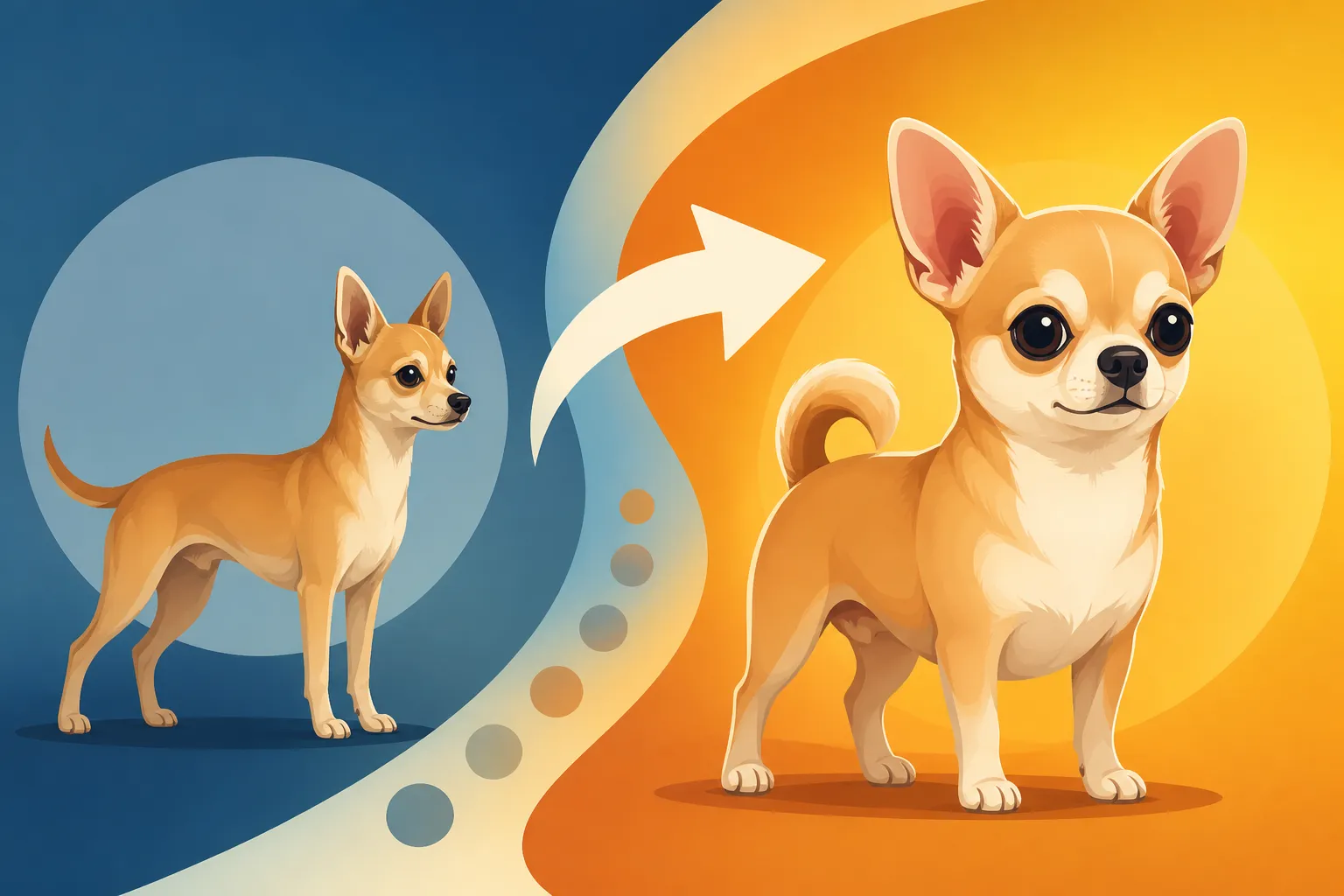
It's easy to look at a Chihuahua today and assume they've always been exactly as they are, with their tiny stature, big eyes, and that distinctive apple-shaped head. But like any living breed, the Chihuahua standard has quietly but significantly evolved over the decades, leading to some misunderstandings about what a "purebred" Chihuahua truly represents. This guide will explore those shifts, helping you understand the history and nuances behind the breed we cherish today.
The Foundations: Early Days and the First Standard
When we talk about a breed standard, we're talking about a blueprint, a written description of the ideal dog of that breed. It's what breeders aim for and what judges use in the show ring. For Chihuahuas, this standard didn't just appear overnight; it's a reflection of their journey from ancient roots to becoming one of America's most beloved companion dogs.
From Ancient Roots to Modern Recognition
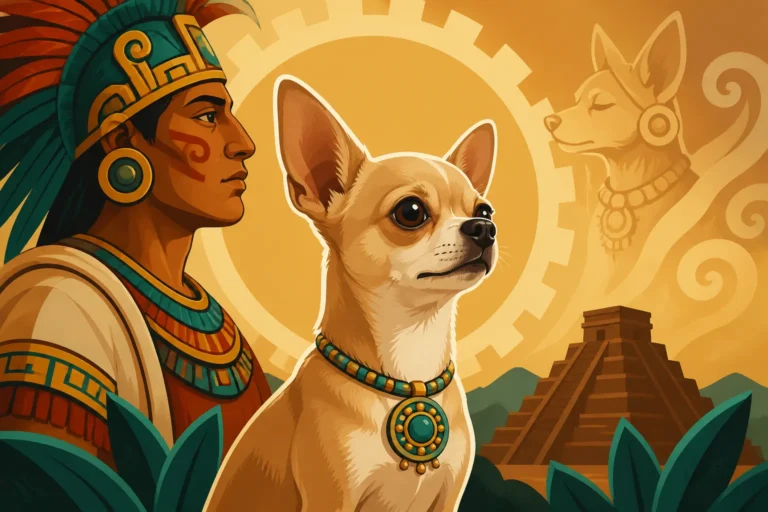
The story of the Chihuahua begins long before any official standard was penned. Their ancestors, likely the Techichi dogs of Mesoamerica, were revered creatures, larger and sturdier than the Chihuahuas we know today, but undeniably linked through archaeological evidence and historical accounts. These dogs were culturally significant, but there was no "standard" as we understand it, just a natural progression of their lineage. The Chihuahua From Techichi to American Lapdog
It wasn't until the mid-19th century that these tiny dogs from the state of Chihuahua in Mexico caught the eye of American travelers. They were small, charming, and utterly unique, quickly gaining popularity as curiosities and companions. As more dogs were brought across the border, and their distinct characteristics solidified, the idea of formalizing what made a Chihuahua a Chihuahua began to take shape. This nascent interest set the stage for defining the breed, moving it from regional curiosity to recognized canine.
The early enthusiasts, captivated by their charm, sought to preserve and refine these traits, paving the way for the establishment of a breed standard. This was a critical step in ensuring the continuity and health of the breed, moving it beyond informal observation to a structured definition. These pioneers understood that without a guiding document, the breed's unique qualities could easily be lost to random breeding or passing fads.
The AKC's First Chihuahua Standard (1904)
The American Kennel Club (AKC) officially recognized the Chihuahua in 1904, a landmark moment that required the creation of its very first breed standard. This initial document was incredibly important because it laid the groundwork for everything that followed. It aimed to capture the essence of the dogs that had charmed their way into American homes, focusing on their small size, distinct head shape, and lively demeanor.
The original standard described a dog that was "well-knit, graceful and swift of movement," with a "saucy expression." It specifically mentioned the importance of the skull being "apple-domed" and the ears being "large, flaring and erect." Interestingly, the initial standard didn't have a rigid weight limit, instead focusing on general proportion and smallness, often noting that "if two dogs are equally typical, the more diminutive one is preferred." This early emphasis on type over a strict numerical weight allowed for a bit more variation in size, as long as the overall "Chihuahua look" was maintained.
This first standard also covered coat types, recognizing both the smooth and long-coated varieties right from the start, detailing their texture and appearance. The goal was to establish a clear benchmark for breeders and judges, providing a unified vision for the future of the breed. While it has been refined over the years, that 1904 document was the foundational text, a testament to the dedication of those early Chihuahua aficionados. It set the stage for how these little dogs would be viewed and developed for generations to come.
Evolving Ideals: Key Shifts in the Standard
Over the decades, as breeding practices became more sophisticated and our understanding of canine genetics grew, the Chihuahua standard didn't remain static. It has undergone several revisions, sometimes subtle, sometimes more pronounced, reflecting changing aesthetic preferences, health considerations, and broader understanding of breed welfare.
The Apple Head Dominance and the Molera
One of the most defining characteristics of the Chihuahua, and a point of considerable evolution in the standard, is the head shape. From the very beginning, the "apple-domed" skull was a prized trait, distinguishing the Chihuahua from other small breeds. Over time, this preference intensified, with breeders often striving for the most pronounced dome possible. This emphasis meant that dogs with flatter or more deer-like heads, while still Chihuahuas, became less favored in the show ring. The Round Skull the Chihuahua Standard Asks For
Alongside the apple head came the discussion of the molera, or soft spot on the skull. While common in Chihuahua puppies, and often closing with age, the original standard was somewhat less explicit about its long-term presence. Later revisions, however, clarified that a molera, while not a fault in itself, should ideally close or be as small as possible in adult dogs. This shift reflected a growing concern for potential vulnerabilities, even though many Chihuahuas live long, healthy lives with an open molera. The Chihuahua Molera and What a Soft Spot Means The debate between adhering to the "apple head" ideal and considering the health implications of exaggerated features has been a continuous thread in the breed's development.
The drive for the extreme apple head and the acceptance of the molera became intertwined. For some breeders, a larger, more pronounced molera was seen as an indicator of that ideal domed skull, leading to some unintended consequences for health. However, responsible breeding always aims to balance aesthetics with robustness. The emphasis has slowly but surely shifted towards promoting healthy structure rather than simply chasing an extreme look, ensuring the welfare of these tiny companions remains paramount.
Shifting Weight and Proportions
While the 1904 standard preferred the "more diminutive" dog, it didn't set a hard weight limit. This changed significantly over the years, evolving into the very specific weight maximum we see today. The current AKC standard states that a Chihuahua must not exceed six pounds. This isn't just a guideline; it's a strict requirement for show dogs, making it a critical factor for breeders aiming for conformation titles. The Six Pound Limit in the Chihuahua Standard
This shift to a hard weight ceiling had a profound impact on breeding programs. It discouraged the breeding of larger, more robust Chihuahuas, even if they retained perfect breed type otherwise. Breeders began to focus intensely on producing dogs that fell within or below this six-pound limit, sometimes leading to the unfortunate pursuit of "teacup" Chihuahuas, which are often undersized and prone to health issues. While the standard itself does not recognize a "teacup" variety, the emphasis on smallness has undeniably contributed to its proliferation outside ethical breeding circles.
The focus on weight also subtly influenced preferred proportions. A Chihuahua isn't just small; it's meant to be a compact, well-balanced dog. However, the pursuit of extreme tininess could sometimes lead to delicate bone structure or disproportionately sized heads. Responsible breeders continue to interpret the standard as calling for a sturdy little dog, not a fragile one, emphasizing balance and overall soundness, which sometimes means that a seven-pound dog can be healthier and more true to type than an excessively tiny four-pound one.
Coat Varieties and Color Controversies
The Chihuahua standard has always acknowledged two distinct coat varieties: the Smooth Coat and the Long Coat. The descriptions for both have been quite consistent, detailing texture, length, and the presence of feathering on the long coats. However, while the physical descriptions have remained stable, the popularity of each coat type has ebbed and flowed, sometimes influencing breeding decisions.
What has seen more evolution, and certainly more controversy, is the acceptance and description of various colors and markings. Chihuahuas come in an astounding array of colors, from solid blacks and whites to fawns, creams, and various patterns like brindle or parti-color. Most of these have always been acceptable, but certain colors, particularly merle, have become a hot topic within the Chihuahua community. Merle Chihuahuas and the Registry Argument
Originally, merle was not explicitly disallowed, perhaps because it was less common or understood in the early days. However, as the merle pattern became more prevalent, it also brought with it an increased risk of specific health issues when two merle dogs are bred together, leading to double merles with potential hearing and vision problems. Consequently, some kennel clubs and breed associations have now moved to disallow merle in their standards or to penalize it in the show ring, emphasizing health and responsible breeding practices over aesthetic novelty. This kind of shift reflects a growing awareness of genetic health within the breed community.
The Modern Chihuahua Standard: Current Focus and Implications
The current Chihuahua breed standard is a culmination of over a century of observation, breeding, and refinement. It reflects not just aesthetic ideals but also a deeper understanding of health, temperament, and the overall well-being of these small dogs. It's a living document, always subject to interpretation and the ongoing dialogue among breeders, judges, and enthusiasts.
Emphasizing Health and Temperament
In recent decades, there has been a powerful movement across all dog breeds to emphasize health and temperament more prominently within breed standards. While beauty in the show ring is still important, the long-term health and functional quality of the dog have gained significant ground. For Chihuahuas, this means looking beyond just the apple head or small size.
The modern standard implicitly encourages breeding for strong patellas, healthy hearts, and robust respiratory systems, acknowledging the breed's common health concerns such as patellar luxation or collapsing trachea. While the standard doesn't list specific health tests, it describes an ideal dog whose physical structure inherently supports good health. Furthermore, temperament descriptions have become more nuanced. The standard asks for a "terrier-like" alertness, but also a "saucy expression" and "good disposition," which discourages shy, fearful, or overtly aggressive traits. Chihuahua Temperament and What the Standard Asks For This focus helps ensure that Chihuahuas remain wonderful companions, not just pretty faces.
Many responsible breeders today go far beyond the aesthetic guidelines of the standard, actively participating in health screening programs like OFA for patellas and hearts. They understand that a beautiful dog is only truly beautiful if it is also healthy and well-adjusted. The standard serves as a guide, but ethical breeding goes the extra mile to produce sound, happy dogs that embody the breed's true spirit.
The Continuous Debate
Despite the clarity of the current standard, debate and discussion are constant within the Chihuahua community. One of the most persistent discussions revolves around the "apple head" versus "deer head" types. While the standard explicitly calls for an "apple-domed" skull, many Chihuahuas, especially those outside the show ring, exhibit a flatter, more elongated skull reminiscent of a young deer. These "deer head" Chihuahuas are just as much Chihuahuas at heart, but they do not conform to the show ring ideal. Apple Head Against Deer Head Chihuahuas
Another ongoing debate centers on the interpretation of the six-pound weight limit. Some argue that this limit, while clear, can sometimes lead to breeders prioritizing extreme smallness over overall health and sturdy conformation. They suggest that a slightly larger, well-built Chihuahua might be a healthier and more functional dog, even if it falls outside the show weight. These discussions are vital because they push the breed community to constantly re-evaluate how best to preserve the breed's essence while adapting to new knowledge and ethical considerations.
| Feature | Early Standard (Circa 1900s) | Modern Standard (Current) |
|---|---|---|
| Head Shape | "Apple-domed" preferred | "Apple-domed" mandatory for show |
| Weight | "More diminutive preferred," no max | Max 6 pounds for show |
| Molera | Not explicitly detailed or faulted | Not a fault if present, but smaller preferred |
| Temperament | "Saucy expression" | "Alert, watchful, curious, and self-important" |
| Color | Most colors accepted | All colors accepted (merle often penalized) |
| Overall Build | "Well-knit, graceful" | "Compact, well-balanced, sturdy" |
Understanding the Standard as a Breeder or Owner
For breeders, the standard is their bible. It guides their breeding decisions, helping them select pairings that will produce offspring closest to the ideal. They study every line, striving to understand the nuances of structure, movement, and temperament described. Adhering to the standard is how they preserve the breed's unique characteristics and ensure its future. For example, a breeder might be carefully considering a breeding pair to ensure they avoid common genetic issues, using resources from places like Chewy for specialized diets or comfortable whelping box bedding. The Health Tests a Chihuahua Breeder Should Run
For the average Chihuahua owner, understanding the breed standard might seem less critical, but it still offers valuable insights. It helps you appreciate why your Chihuahua looks a certain way, or why certain traits are considered desirable. It also helps you understand that while your beloved companion might not fit every line of the show standard, they are no less of a Chihuahua. The standard focuses on the ideal, but every dog is an individual.
Ultimately, the breed standard is a living, evolving document, a reflection of our collective understanding and aspirations for the Chihuahua. It's not just about what a Chihuahua looks like on paper; it's about honoring their history, preserving their unique charm, and ensuring a healthy, happy future for this remarkable toy breed.
Disclaimer
This article is for general informational purposes only and does not constitute professional advice. Laws, prices and regulations vary by location and change over time. Consult a qualified professional for guidance on your specific situation.