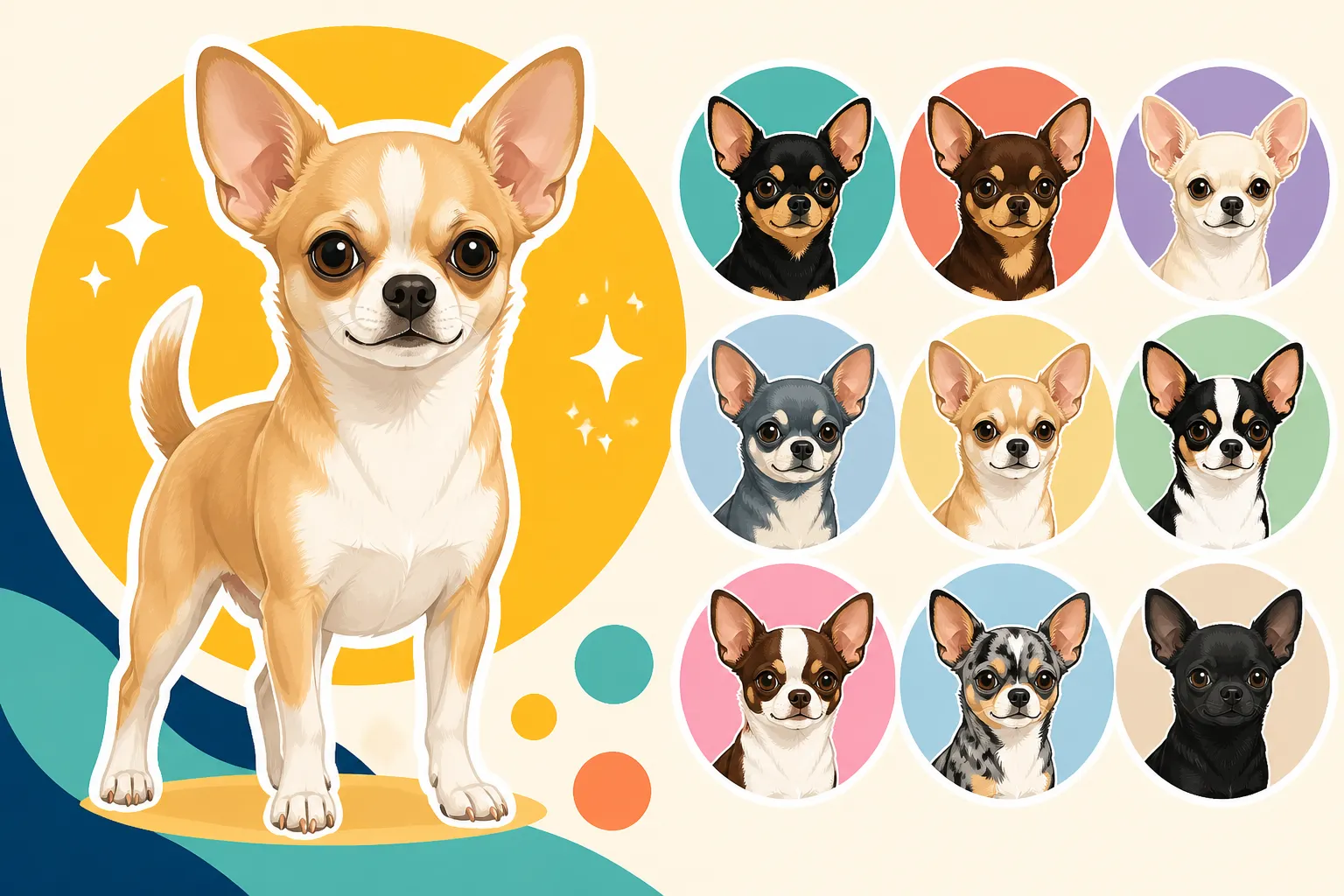
Chihuahua Colors the AKC Accepts
When you picture a Chihuahua, a certain image probably pops into your head: tiny, sassy, big eyes. But what about color? Chihuahuas actually come in an incredibly diverse array of colors and markings, far more than many people realize. It's easy to get lost in the sheer variety, and sometimes, this can lead to confusion about what's "standard" or even healthy for the breed. This guide is here to clear up all that colorful confusion, diving deep into the official color palette recognized by the American Kennel Club (AKC) and what it all means for your pint-sized companion.
Understanding the AKC Chihuahua Standard
The American Kennel Club (AKC) sets a standard for every recognized dog breed. Think of it as the blueprint for the ideal Chihuahua – not just in terms of temperament and size, but also their physical appearance, right down to the tiny details of their coat. It’s a comprehensive document that aims to preserve the breed's characteristics, ensuring that Chihuahuas remain true to their heritage.
Why Standards Exist for Dog Breeds
Breed standards aren't just about aesthetics; they're designed to maintain the breed's health, structure, and inherent traits. For Chihuahuas, this means outlining everything from their distinctive apple-shaped head (though not all Chihuahuas have this, as we'll discuss when talking about Apple Head Against Deer Head Chihuahuas) to their lively, alert expression. The standard helps reputable breeders make informed decisions, guiding them in their efforts to produce healthy, well-tempered puppies that exemplify the breed. Without these guidelines, breed characteristics could dilute over time, potentially leading to a loss of the very qualities we love about Chihuahuas. It also provides a benchmark for judges in conformation shows, ensuring fairness and consistency when evaluating dogs.
The Purpose of Color and Markings in the Standard
Within this detailed standard, specific colors and markings are either accepted, considered undesirable, or outright disqualified. This isn't just about personal preference. Historically, certain coat colors or patterns have been linked, rightly or wrongly, to specific health issues or structural weaknesses in various breeds. While the scientific understanding has evolved, many of these guidelines remain as part of the established standard. For the Chihuahua, the AKC standard is notably generous when it comes to color, recognizing nearly every imaginable hue and pattern. This flexibility reflects the breed's long and varied history, dating back to ancient times, as covered in The Chihuahua From Techichi to American Lapdog. However, even with this broad acceptance, there are specific patterns, like merle, that have sparked debate and concerns within the community, often due to potential genetic links to health problems.
The Wide Spectrum of Accepted Chihuahua Colors
One of the most charming aspects of Chihuahuas is the sheer variety of their coats. Whether you prefer a sleek, short-haired companion or a fluffy, long-coated one (and yes, we cover both in The Two Chihuahua Coat Varieties Explained), you'll find a Chihuahua color to love. The AKC acknowledges a stunning range of solid colors and various markings, making them one of the most colorful breeds around.
Solid Colors: From Black to Cream
The AKC accepts a multitude of solid colors in Chihuahuas, meaning the entire coat is one uniform shade without any distinct patterns or patches of a different color. These can range from deep, rich tones to soft pastels.
- Black: A truly striking solid black Chihuahua, where every hair from nose to tail is a consistent, deep black.
- White: A pure white coat, often with pink skin pigmentation on the nose and paw pads.
- Fawn: This is perhaps one of the most common and beloved Chihuahua colors, ranging from a pale, sandy beige to a deeper, richer tan. It's a classic look for many Chihuahuas.
- Cream: A softer, lighter shade than fawn, often described as an off-white or light yellowish tone.
- Red: A vibrant, often fiery red, sometimes with hints of orange or rust.
- Chocolate: A beautiful, rich brown, which can vary from milk chocolate to a dark, almost black, cocoa shade.
- Blue: While visually stunning, blue is a dilute color. A solid blue Chihuahua will have a grayish-blue coat, often accompanied by blue or gray nose and paw pad pigmentation. It's important to be aware that dilute colors, like blue, can sometimes be associated with certain skin conditions, such as color dilution alopecia, which we discuss in Color Dilution Alopecia in a Blue Chihuahua.
These solid colors are often admired for their clean lines and classic appearance, showcasing the Chihuahua's compact form and expressive eyes. When considering a puppy, a reputable breeder will be able to show you the parents' colors and pedigrees, giving you an idea of the genetic possibilities.
Marked Colors: Understanding Patterns and Combinations
Beyond solid colors, Chihuahuas come in an incredible array of marked coats, where a base color is combined with other colors or patterns. The AKC accepts almost all combinations, which adds to the breed's unique charm and individuality.
- Black and Tan: A very popular combination, featuring a black base coat with distinct tan markings, often on the muzzle, eyebrows, chest, and legs. This gives them a classic "Doberman" or "Rottweiler" look in miniature.
- Chocolate and Tan: Similar to black and tan, but with a rich chocolate base instead of black.
- Blue and Tan: A gray-blue base with tan points, again, a dilute variation of the tan-point pattern.
- Fawn and White: A fawn base with white markings, which might appear as a blaze on the face, a white chest, or white paws.
- Black and White: A stark and beautiful combination of solid black patches on a white background, or vice versa.
- Red and White: A red base with white markings.
- Cream and White: A cream base with white markings, creating a very soft, subtle appearance.
The possibilities are truly endless when you start combining these base colors with various markings. These patterns give each Chihuahua its own personality and make them even more captivating. When looking at puppies, it's fascinating to see how these patterns can develop and change slightly as the puppy grows into an adult.
Common Markings and Combinations
The beauty of the Chihuahua coat isn't just in its base color, but also in the intricate patterns and combinations that can emerge. These markings add depth and character, making each Chihuahua truly unique. Understanding these common patterns can help you appreciate the diversity within the breed.
Brindle and Sable: Unique Patterns
Some of the most distinctive patterns found in Chihuahuas are brindle and sable, both of which add incredible visual texture to their coats.
- Brindle: A brindle Chihuahua has a base color overlaid with stripes or streaks of another color, typically darker. Imagine a tiger's stripes, but often more irregular and broken. For example, a fawn brindle Chihuahua might have fawn as the base color with darker, almost black or brown, stripes running through it. These stripes can be subtle or very prominent, creating a mesmerizing, one-of-a-kind coat. The brindle pattern is accepted by the AKC and is quite beautiful, making for a truly unique-looking dog. These patterns tend to be more noticeable on short-haired Chihuahuas, but they can definitely be present on long-haired ones too, just sometimes less defined due to the length of the fur.
- Sable: Sable refers to a pattern where the tips of the hairs are black or darker, while the base of the hair is a lighter color. This creates a shaded effect, giving the coat a rich, smoky appearance. A fawn sable Chihuahua, for instance, would have fawn hair with black tips, making the fawn appear darker and more nuanced. This pattern often lends a sophisticated look to the Chihuahua and is a recognized and accepted marking by the AKC. Sable can be subtle or quite dramatic, and it often evolves as the dog matures, with the darker tips sometimes becoming more pronounced with age.
These patterns are a testament to the genetic diversity within the Chihuahua breed and are highly sought after by those who appreciate their striking appearance.
Spotted and Merled: A Note on Controversy
While many patterns are widely accepted, there are some, like merle, that come with significant considerations and even controversy.
- Spotted: This refers to coats with distinct spots or patches of color on a contrasting background. A white dog with black spots, for example, would be described as spotted. The AKC generally accepts various spotted patterns, as long as the pigmentation is healthy and the spots are clearly defined. These can be very charming, creating a playful appearance, and often appear as part of a "piebald" pattern where large colored patches are on a white base.
- Merle: The merle pattern is characterized by mottled patches of color, typically appearing as lighter areas mixed with darker areas of the same color, often with blue or odd-colored eyes. Think of a blue merle Australian Shepherd; it's a similar effect. While visually striking, merle in Chihuahuas (and many other breeds) is a color pattern that has generated significant debate. The merle gene itself is associated with a range of potential health problems, particularly when two merle dogs are bred together, which can result in "double merle" offspring. These double merle puppies are at a much higher risk for severe health issues such as deafness, blindness, and other ocular defects. Because of these serious health concerns, the AKC made the decision to disqualify merle-patterned Chihuahuas from conformation shows and has stopped accepting merle as an acceptable color for registration as of a specific date. This doesn't mean a merle Chihuahua can't be a wonderful pet, but it does highlight the importance of understanding the genetic implications and why reputable breeders avoid breeding for this pattern. When considering a puppy, especially if you see a merle, it’s crucial to ask your breeder about the health testing of the parents and understand the potential risks. This is a perfect example of why The Health Tests a Chihuahua Breeder Should Run are so important.
| Color/Marking | AKC Acceptance | Description | Common Pairings (if marked) |
|---|---|---|---|
| Black | Accepted | Solid, deep black coat. | Tan, White |
| Fawn | Accepted | Pale sandy to rich tan. Very common. | White, Sable, Brindle |
| Cream | Accepted | Soft, light off-white or yellowish. | White |
| Red | Accepted | Vibrant, sometimes fiery, red. | White |
| Chocolate | Accepted | Rich brown, from milk to dark cocoa. | Tan, White |
| White | Accepted | Pure white coat, often with pink skin. | Black, Fawn, Red, Chocolate |
| Blue | Accepted | Grayish-blue coat, dilute color. | Tan |
| Brindle | Accepted | Streaks or stripes of darker color on a base coat (e.g., fawn brindle). | Fawn, Red, Black |
| Sable | Accepted | Dark tips on lighter hairs, creating a shaded look (e.g., fawn sable). | Fawn, Red |
| Spotted (Piebald) | Accepted | Distinct spots or patches of color on a contrasting background, usually white. | Black, Fawn, Red, Chocolate |
| Black and Tan | Accepted | Black base with tan points on muzzle, eyebrows, chest, legs. | – |
| Chocolate and Tan | Accepted | Chocolate base with tan points. | – |
| Blue and Tan | Accepted | Gray-blue base with tan points. | – |
| Merle | Disqualified | Mottled patches of color, sometimes with blue eyes. Associated with significant health risks when bred poorly. | – (Avoid breeding merle to merle) |
Colors and Markings Not Accepted by the AKC
While the AKC is quite broad in its acceptance of Chihuahua colors, there are specific instances where a color or marking is considered a disqualification from the breed standard. It's important to understand that a disqualification primarily affects a dog's eligibility for conformation shows; it doesn't mean the dog isn't a wonderful, healthy pet. However, for patterns like merle, there are serious health implications that go beyond just show ring rules.
The Merle Debate and Genetic Health Concerns
As touched upon previously, the merle pattern in Chihuahuas is a significant area of concern for responsible breeders and breed clubs. The merle gene, which creates the striking mottled coat and often blue eyes, is not inherently problematic in a single copy. However, when a dog inherits two copies of the merle gene (meaning both parents were merle), the risk of severe health defects skyrockets. These "double merle" Chihuahuas can suffer from profound deafness, blindness, microphthalmia (abnormally small eyes), and other developmental anomalies.
This is why reputable breeders prioritize health over aesthetics. They understand that breeding two merle dogs, even if both appear healthy, is a dangerous gamble with the health and welfare of the puppies. Because of these serious, well-documented genetic health risks, the AKC decided to disqualify merle Chihuahuas from conformation events and, crucially, to stop accepting new registrations for merle-patterned Chihuahuas as of a certain point. This strong stance by the AKC aims to discourage the breeding of merle Chihuahuas purely for their "rare" color, especially by individuals who might not be fully aware of the genetic pitfalls. While a merle Chihuahua can certainly be a loving family member, it's vital for prospective owners to be educated about the potential health issues and to insist on comprehensive health testing from any breeder, including genetic testing for the merle gene. Merle Chihuahuas and the Registry Argument goes into more detail on this specific issue.
Why Certain Colors Are Disqualified
Beyond merle, other specific colors or markings might lead to disqualification in the show ring, though these are less about inherent health risks and more about adhering to the established aesthetic of the breed. For instance, any color that significantly deviates from the broad range described or certain patterns that suggest a crossbreed might be disqualified.
- Extreme Dilution: While blue and lilac (a dilute chocolate) are accepted, an extreme dilution that results in a washed-out, unhealthy-looking coat or sparse hair might be penalized or even disqualified, especially if it's linked to skin problems or other health concerns. As mentioned earlier with Color Dilution Alopecia in a Blue Chihuahua, dilutes can sometimes have issues.
- Albinism: True albinism, characterized by a complete lack of pigmentation (white coat, pink skin, and red or pink eyes), is generally a disqualifying factor across most breeds. This is because albinism often comes with significant health vulnerabilities, including extreme sensitivity to sunlight and vision problems. While a white Chihuahua is perfectly acceptable, an albino Chihuahua is a different genetic condition entirely and is not recognized within the standard.
- Lack of Pigmentation in Specific Areas: For instance, if a dog is supposed to have black nose pigmentation but has a liver-colored nose (unless it's a chocolate dog, where liver is acceptable), this could be a fault or disqualification depending on the specific breed standard. For Chihuahuas, the standard is generally quite forgiving regarding nose and eye rim pigmentation as long as it harmonizes with the coat color.
The important takeaway here is that an AKC disqualification for color or marking does not mean the dog is any less deserving of love or a healthy life. It simply means they do not conform to the precise physical ideals for the show ring. When looking for a pet Chihuahua, temperament and health should always be paramount over adherence to every fine point of the breed standard.
The Difference Between Accepted Colors and Healthy Breeding
It's easy to get caught up in the allure of "rare" colors or unique patterns, but for any responsible Chihuahua owner or prospective puppy buyer, understanding the critical difference between an AKC-accepted color and truly healthy breeding practices is essential. A pretty coat color should never come at the expense of a dog's well-being.
Prioritizing Health Over "Rare" Colors
The unfortunate reality is that the desire for "rare" or unusual Chihuahua colors can sometimes lead to irresponsible breeding practices. Breeders, driven by higher prices for these unique puppies, might overlook essential health screenings or breed dogs with known genetic issues just to produce a specific coat color or pattern. This is particularly prevalent with colors like merle, where the visual appeal can overshadow the severe health risks associated with inappropriate breeding. For a Chihuahua that can live Why Chihuahuas Live Twelve to Twenty Years, you want to ensure they start life on the right foot, not with predispositions to lifelong health problems.
A truly responsible breeder will prioritize the health and temperament of their dogs above all else. This means performing all recommended health clearances for the breed, such as patella evaluations (given how common Patellar Luxation, the Chihuahua's Commonest Joint Problem is), cardiac exams, and eye certifications. They will also understand the genetics behind coat colors and avoid pairings that could produce puppies with health risks, even if those puppies might command a higher price. When you see a breeder advertising "rare" colors, it should raise a red flag and prompt you to ask even more questions about their breeding practices, health testing, and puppy guarantees. Don't be swayed by novelty; instead, seek out transparency and a proven commitment to the health of the breed.
How to Choose a Reputable Breeder for Any Color
Finding a reputable breeder is perhaps the most important step when bringing a Chihuahua into your home, regardless of the color you desire. A good breeder will be knowledgeable, ethical, and eager to ensure their puppies go to suitable homes.
Here's what to look for:
- Health Clearances: They should readily provide proof of health screenings for both parents, including patella, cardiac, and eye certifications. This is non-negotiable. Don't just take their word for it; ask to see the official documentation.
- Transparency and Questions: A good breeder will be open about their breeding program, willing to answer all your questions (and they'll have plenty for you too!). They should be able to explain their choices in breeding pairs, discuss potential health issues in the breed, and provide insight into the specific puppy's temperament.
- Care for Puppies and Parents: The puppies should be raised in a clean, stimulating environment, well-socialized, and appear healthy and vibrant. You should be able to meet the mother (and sometimes the father if he lives on-site). Look for clean eyes, clear breathing, and active, curious puppies.
- Contract and Guarantee: A reputable breeder will provide a written contract that outlines health guarantees, spay/neuter agreements, and a commitment to take the dog back if circumstances change.
- Focus on Temperament and Health: They should primarily breed for health and good temperament, not just for specific colors or to meet The Six Pound Limit in the Chihuahua Standard at the expense of other traits.
- No "Teacup" Labels: Be wary of any breeder advertising "teacup" Chihuahuas. As we explore in Why Teacup Chihuahua Is Not a Real Size, this is not a recognized size and often indicates breeding for extreme smallness, which can lead to severe health problems like fragile bones and chronic hypoglycemia.
Remember, a Chihuahua is a long-term commitment, often living What Actually Ends a Chihuahua's Sixteen Years. Investing in a puppy from a reputable breeder, even if it means waiting for the right one, will save you heartache and potentially significant vet bills down the line. When you find a reputable breeder, you can browse Chewy for high-quality puppy supplies to prepare for your new arrival.
Practical Considerations for Chihuahua Colors
Beyond aesthetics and genetics, the color and coat type of your Chihuahua can have some practical implications for their daily care and overall well-being. These aren't necessarily deal-breakers, but they are things a mindful owner should be aware of.
Coat Care and Color Fade
The care required for a Chihuahua's coat can vary slightly depending on whether they are a smooth coat or a long coat, but color itself can also play a role in how the coat looks and is maintained over time.
-
Smooth Coat: A smooth coat Chihuahua, regardless of color, generally requires minimal grooming – a quick brush a few times a week with a soft brush or grooming glove is usually sufficient to remove loose hair and keep their coat shiny. Their short hair means any color variation or pattern is often very crisp and distinct.
-
Long Coat: Long coat Chihuahuas, on the other hand, will need more frequent brushing, ideally several times a week, to prevent tangles and mats, especially in the feathering on their ears, legs, and tail. The length of the hair can sometimes soften the appearance of certain patterns, like brindle, making them less distinct than on a smooth coat.
-
Color Fade: Many dog coats, including Chihuahuas, can experience some degree of color fade over time, particularly with sun exposure. A rich black coat might develop reddish undertones, or a vibrant red might lighten. This is a natural process and nothing to worry about. For keeping coats vibrant and healthy, especially long coats, regular brushing and a good diet are key. Products available on Chewy, like gentle shampoos and conditioners, can also help maintain coat health without stripping natural oils. If your Chihuahua has a particularly unique coloring, you might consult with a professional groomer on specific products that can help maintain its vibrance, though generally, simple, high-quality care is best.
Sun Exposure and Pigmentation
Chihuahuas, especially those with lighter coats or pinker skin, can be more susceptible to sun exposure. Their sparse body fat also means they can chill easily, but in summer, sun can be a concern.
- Light-Colored Chihuahuas: White, cream, or light fawn Chihuahuas, particularly those with less pigmentation on their noses or eyelids, can be prone to sunburn. Just like fair-skinned humans, prolonged exposure to intense sunlight can lead to skin irritation, redness, and in severe cases, even increase the risk of skin cancers over their long lifespan. It's a good idea to limit their direct sun exposure during the hottest parts of the day and, if necessary, use dog-safe sunscreen on sensitive areas like the nose and ear tips, or even provide them with lightweight, UV-protective clothing if they spend a lot of time outdoors. For outdoor adventures, consider a shade-providing dog bed from Chewy to keep them cool and protected.
- Blue Chihuahuas: As a dilute color, blue Chihuahuas can sometimes have a predisposition to Chihuahua Skin Allergies and Hair Loss or a specific condition called Color Dilution Alopecia (CDA). CDA can cause thinning hair, dryness, and susceptibility to skin infections. While not all blue Chihuahuas will develop CDA, it's something to be aware of. Protecting their skin from excessive sun can be particularly important if they show signs of hair thinning or skin sensitivity.
No matter your Chihuahua's color, ensuring they have adequate shade and protection from extreme weather elements is part of responsible pet ownership. Their tiny size makes them vulnerable to both heatstroke and hypothermia, so always be mindful of their comfort and safety. From cozy sweaters to protect them in cooler temperatures to shady spots in summer, their well-being comes first.
Disclaimer
This article is for general informational purposes only and does not constitute professional advice. Laws, prices and regulations vary by location and change over time. Consult a qualified professional for guidance on your specific situation.