The Deer Head Chihuahua and Its Following
Many Chihuahua owners find themselves a little confused when trying to describe their beloved companion's physical appearance. There's a lot of chatter online about different "types" of Chihuahuas, and if your pup has a longer snout and a less rounded head, you've probably heard the term "deer head" thrown around. This guide aims to clear up what exactly constitutes a deer head Chihuahua, how they differ from the breed standard, and why they've garnered such a devoted following despite not being recognized in the show ring.
What Defines a Deer Head Chihuahua
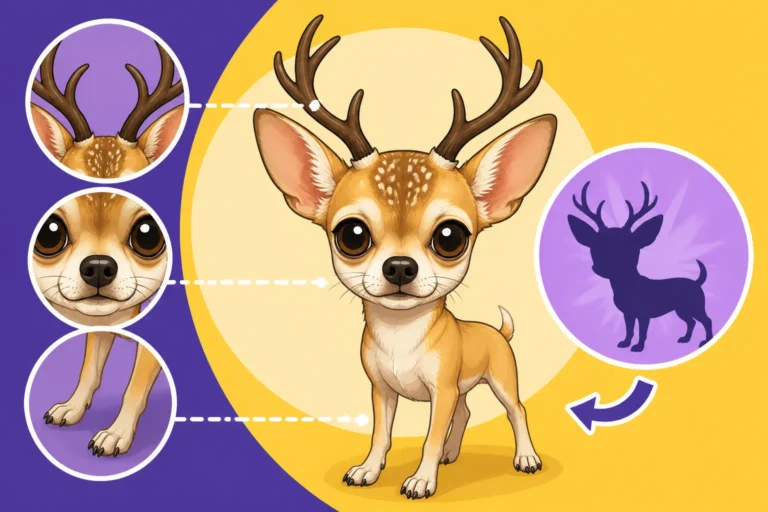
When we talk about a "deer head" Chihuahua, we're really describing a set of physical characteristics that diverge from the official breed standard, particularly concerning skull shape and muzzle length. It's not a separate breed, or even a formally recognized variety, but rather a descriptive term that has become very popular among enthusiasts and pet owners.
Skull Shape and Muzzle Length
The most defining characteristic of a deer head Chihuahua is its head shape. Unlike the domed or "apple" shaped head prescribed by breed standards, a deer head Chihuahua typically has a skull that is flatter on top and slopes more gently into the muzzle. This gives them a profile that is often described as resembling a young deer, hence the name. Their muzzles are also usually longer and more tapered than the shorter, more abrupt stop of an apple head. Imagine a delicate, elegant facial structure rather than the more compact, almost pug-like look you might associate with the classic show Chihuahua. This longer muzzle can mean they have a slightly different expression, often appearing a bit more refined and less "bug-eyed" than some apple heads.
The length of their neck also tends to be a bit more proportionate to their body, without the extremely short, thick neck sometimes seen in the apple head. These subtle differences in skeletal structure contribute to their overall distinct silhouette. Many people find this look incredibly endearing, feeling it gives their Chihuahua a unique grace.
Body Proportions and Leg Length
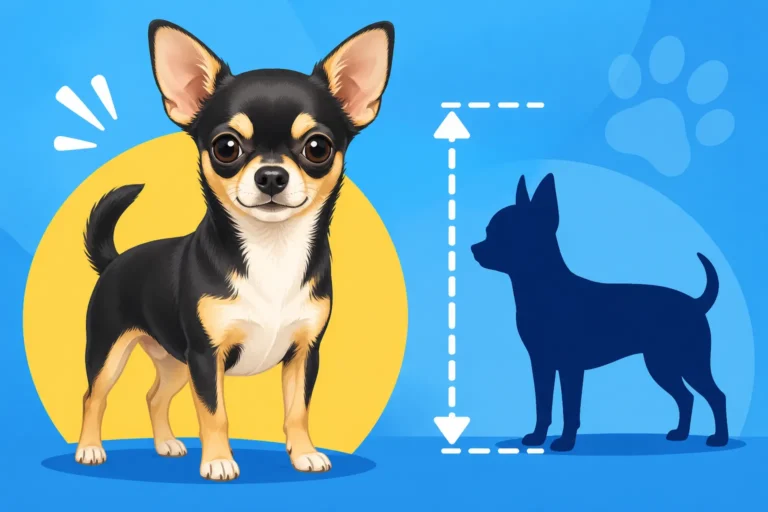
Beyond the head, deer head Chihuahuas often present with slightly different body proportions as well. While Chihuahuas are universally small, deer heads tend to have a somewhat longer body and longer legs compared to their apple head counterparts, who are often described as more "cobby" or compact. This can make them appear a bit more agile and less stout. Think of a tiny dancer versus a miniature bodybuilder. They might stand a tad taller on their legs and have a more slender build overall, even if their weight falls within the typical Chihuahua range.
This doesn't mean they're inherently taller or heavier, but their distribution of height and length can give a different impression. For instance, a deer head Chihuahua and an apple head Chihuahua could both weigh five pounds, but the deer head might look lankier because of its longer legs and body. These variations are simply natural expressions of the Chihuahua gene pool and contribute to the wide range of appearances we see within the breed.
Why the Deer Head Isn't "Standard"
It's common for new Chihuahua owners to hear about "apple heads" and "deer heads" and wonder why one is considered the standard and the other isn't. The answer lies in the history and evolution of breed standards set by kennel clubs, which often prioritize specific aesthetic traits deemed ideal for the breed.
The AKC Breed Standard
The American Kennel Club (AKC) breed standard for the Chihuahua explicitly describes the ideal head as "a well-rounded 'apple' dome skull," and further specifies that the muzzle should be "moderately short, slightly pointed." This is the blueprint that show breeders aim for and what judges look for in the conformation ring. Any deviation from this, such as a flatter head or a longer muzzle, would be considered a fault in a show Chihuahua. This is why you won't see deer head Chihuahuas competing for best in show; they simply don't fit the established aesthetic criteria.
The standard also sets a weight limit, often up to six pounds, but primarily focuses on conformation and proportion within that limit. While a deer head Chihuahua can easily fall within the weight limit, its head shape and muzzle are the primary reasons for disqualification from the show ring. For a deeper dive into the standard, you can look up The Apple Head Chihuahua Under the Standard.
Historical Context and Popularity
The preference for the apple head is rooted in the early days of the breed's formal recognition and has persisted through the decades. However, outside the show ring, the deer head has always had a strong following. Many pet owners actually prefer the deer head look, finding their proportions and longer muzzles to be more aesthetically pleasing or even believing them to be healthier (a point we'll explore later).
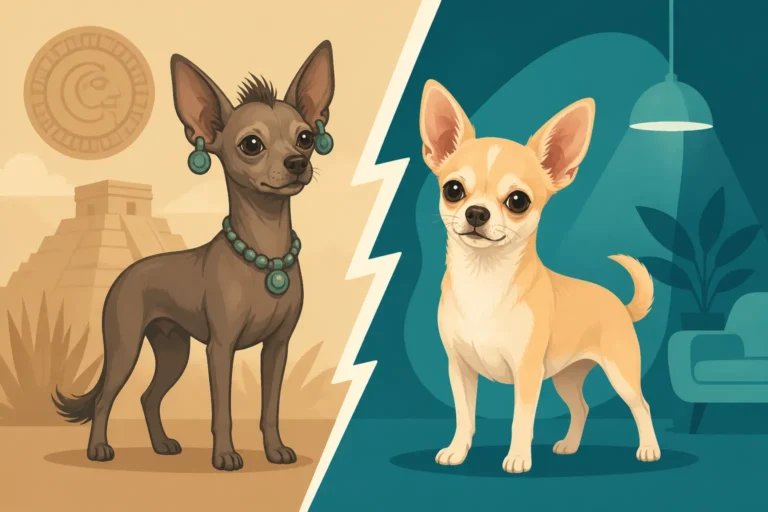
The reality is that both head types are legitimate Chihuahuas, descending from the same genetic lineage. The distinction really only matters if your goal is to compete in conformation shows. For most families looking for a companion animal, the head type is a matter of personal preference. The Chihuahua From Techichi to American Lapdog explains how the breed has evolved and gained popularity over time, leading to these distinct preferences.
Common Traits and Characteristics
Beyond the physical appearance, many people wonder if deer head Chihuahuas behave differently or have unique personality quirks compared to their apple head cousins. While temperament is largely individual, certain traits are often attributed to deer heads, though it's important to remember these are generalizations.
Temperament and Personality
Anecdotally, many deer head Chihuahua owners report their dogs tend to be a bit more laid-back, less prone to the "sassy" or "fiery" reputation sometimes associated with Chihuahuas. They are often described as sweet, affectionate, and eager to please. However, this is far from a hard and fast rule. A Chihuahua's personality is far more influenced by early socialization, training, and individual genetics than by its head shape. Just like their apple head relatives, deer heads can be fiercely loyal, intelligent, and possess that famous Chihuahua courage.
They can still exhibit common Chihuahua behaviors such as intense bonding with one person, a tendency towards barking at strangers, or a watchful nature. The important thing is to remember that Training a Chihuahua Exactly Like a Big Dog is crucial for any Chihuahua, regardless of head shape, to ensure a well-adjusted companion. Early exposure to different sights, sounds, and people is key to building a confident dog.
Activity Levels and Energy
In terms of activity, deer head Chihuahuas generally share the same exercise needs as other Chihuahuas. They are small dogs with bursts of energy, but they don't require extensive outdoor adventures. Daily walks, indoor play, and mental stimulation are usually sufficient. Their slightly longer legs might make them appear a bit more nimble, and some owners suggest they might have a slightly higher endurance for walks, but this is often subtle.
Whether your Chihuahua is an apple head or a deer head, they still thrive on interaction and having their minds engaged. Puzzle toys, short training sessions, and playtime are excellent ways to burn off energy. Products from Chewy, like durable chew toys or interactive feeders, can be great for keeping a little deer head mentally stimulated indoors, especially on days when the weather isn't cooperating for a long walk.
Health Considerations Specific to Deer Heads
One of the reasons many people appreciate the deer head look is the perception that their different skull structure might lead to fewer health issues associated with brachycephalic (short-nosed) breeds. While Chihuahuas as a breed do have some predispositions, there are certainly points to consider regarding head type.
Breathing and Respiratory Health
The longer muzzle of a deer head Chihuahua is often cited as a potential advantage for respiratory health. Breeds with very short muzzles and compacted facial structures can sometimes experience breathing difficulties, though this is less severe in Chihuahuas than in true brachycephalic breeds like Pugs or Bulldogs. However, a slightly longer snout can mean more open airways, potentially reducing the risk of conditions like stenotic nares (narrow nostrils) or elongated soft palates, which can sometimes affect apple heads with extremely short muzzles.
While a longer snout might offer a small benefit, Chihuahuas, regardless of head type, can still be prone to collapsing trachea. This is where the rings of cartilage in the windpipe weaken and flatten. Because of this, using a harness instead of a collar is always recommended for any Chihuahua to avoid putting pressure on their delicate throats. You can learn more about this by reading Why a Harness Matters for a Chihuahua Windpipe.
Dental Health and Jaw Structure
Chihuahuas are notorious for dental problems, largely due to their tiny jaws having to accommodate a full set of teeth. Often, their teeth are crowded, leading to plaque buildup, gum disease, and retained puppy teeth. With a deer head's slightly longer muzzle and jaw, there is a chance that they might experience slightly less crowding than an apple head with a very short, compact jaw. However, this is not a guarantee. Even with a bit more space, their mouths are still small, and dental issues are extremely common across the entire breed.
Regardless of head shape, daily dental care is paramount. Regular brushing, dental chews, and professional cleanings are essential to keeping a Chihuahua's mouth healthy. Finding the right small toothbrush and dog-specific toothpaste on platforms like Chewy can make a big difference in maintaining your pup's oral hygiene. It’s also wise to understand Chihuahua Dental Disease in a Crowded Small Jaw to be prepared for this almost inevitable health challenge.
| Feature | Apple Head Chihuahua | Deer Head Chihuahua |
|---|---|---|
| Skull Shape | Well-rounded, 'apple' dome | Flatter on top, slopes gently |
| Muzzle | Moderately short, abrupt 'stop' | Longer, more tapered, less distinct 'stop' |
| Eyes | Often more prominent, widely set | Can be slightly less prominent, set a bit wider |
| Body Build | More compact, 'cobby' | Often more slender, longer body and legs |
| AKC Standard | Conforms to standard | Does not conform to standard (considered a fault) |
| Health Perceptions | Potential for more respiratory issues (mild) | Potentially fewer respiratory issues due to longer muzzle |
Living with a Deer Head Chihuahua
Bringing any Chihuahua into your home means preparing for a tiny companion with a big personality and specific needs. Whether your pup is a deer head or an apple head, understanding their requirements for care, socialization, and creating a safe environment is key to a happy life together.
Grooming and Maintenance
The grooming needs of a deer head Chihuahua are primarily dictated by their coat type – smooth coat or long coat – rather than their head shape. Smooth coats are relatively low maintenance, requiring weekly brushing to remove loose hair and keep their coat shiny. Long coats, with their flowing fur, will need more frequent brushing, typically several times a week, to prevent mats and tangles, especially behind the ears and on their "feathers."
Regardless of coat type, regular nail trims and ear cleaning are essential for all Chihuahuas. Their large, open ears can sometimes accumulate dirt or wax, so a gentle cleaning schedule is important. You can find a range of grooming supplies, from brushes to ear cleaners, on sites like Chewy to keep your deer head looking and feeling their best.
Socialization and Confidence Building
Just like any Chihuahua, deer heads benefit immensely from early and consistent socialization. Because they are so small, it's easy for them to become overwhelmed or fearful if not properly introduced to the world. A common problem is Chihuahua Fear Reactivity, the Breed's Real Problem, which can manifest as barking, lunging, or snapping out of fear. Exposing them to different environments, sounds, people, and well-behaved dogs in a controlled and positive manner can help them grow into confident adults.
Avoid the temptation to constantly carry your small Chihuahua, as this can prevent them from learning how to navigate the world on their own four paws and can actually exacerbate fear-based behaviors. Instead, let them walk and explore safely on a harness and leash, and allow them to approach new situations at their own pace.
Creating a Safe Environment
Chihuahuas, particularly deer heads with their sometimes longer limbs, can be surprisingly agile, but their small size also makes them vulnerable. It's crucial to "Chihuahua-proof" your home, just as you would for a toddler. This means supervising interactions with larger pets and children, blocking off dangerous areas, and being mindful of potential fall hazards. A jump from a sofa or bed can cause serious injury, especially if they have pre-existing joint issues like patellar luxation. Ramps or steps can be incredibly helpful for allowing them safe access to furniture.
Ensure their sleeping area is warm and draft-free, as Chihuahuas are prone to getting cold quickly due to their minimal body fat. Cozy blankets, heated beds, or even a small sweater can make a big difference in their comfort. Also, be aware of everyday household items and foods that can be toxic, as even a small amount can be dangerous for a dog of their size. For those with tiny puppies, it's also worth noting Chihuahua Hypoglycemia and the Puppy Emergency is a serious risk that requires careful management of their feeding schedule.
Disclaimer
This article is for general informational purposes only and does not constitute professional advice. Laws, prices and regulations vary by location and change over time. Consult a qualified professional for guidance on your specific situation.