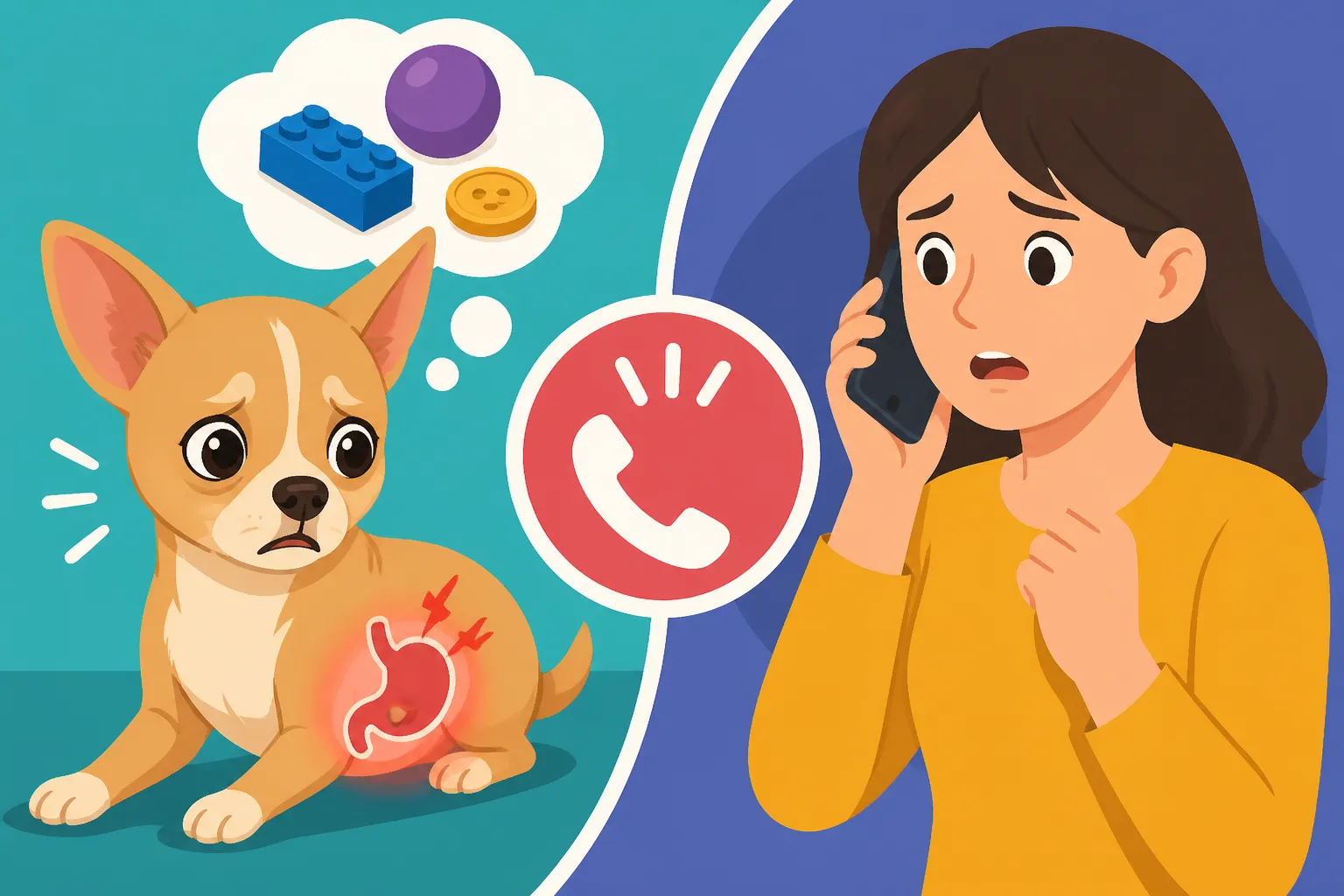
The First Call After a Chihuahua Swallows Something
There's nothing quite like the surge of pure terror you feel when you realize your tiny Chihuahua has just swallowed something it shouldn't have. Whether it's a dropped pill, a piece of chocolate, or a tiny toy, the sheer panic can be overwhelming, especially with a dog so small. This guide is here to walk you through those critical first moments, helping you understand exactly what to do and who to call to give your little companion the best chance at a quick and safe recovery.
The Immediate Panic: What to Do When Your Chihuahua Swallows Something
That pit-in-your-stomach feeling when you see your Chihuahua swallow something questionable is absolutely awful. Our little guys are so small and curious, and they can get into things in the blink of an eye. While your heart might be pounding, taking swift, calm action is the most important thing you can do for them. The first few minutes are crucial, and how you react can make a significant difference in the outcome.
Don't Panic, Act Fast and Stay Calm
It sounds simple, doesn't it? "Stay calm." But when it's your tiny, beloved Chihuahua, panic is often the first, most natural reaction. You might want to scoop them up, yell, or try to force something out of their mouth. However, getting flustered can delay crucial steps or even make things worse. A panicked owner can't think clearly, and your Chihuahua will pick up on your stress, which can make them even more anxious.
Instead, take a deep breath. Yes, easier said than done, but genuinely try to ground yourself. Your Chihuahua needs you to be their advocate and their calm presence right now. Observe, don't intervene physically unless there's an immediate choking hazard that you are certain you can clear safely and without pushing the object further down. Often, the object is already swallowed, and attempting to induce vomiting without professional guidance can be dangerous, as some substances can cause more harm coming back up than going down.
Your primary goal in these initial moments is to secure your Chihuahua to prevent them from getting into anything else, and then to gather information. If there are other pets or children around, make sure they are safely away from the potential hazard. Clear the area of any remaining bits of the ingested item, both to protect other pets and for your vet's assessment.
The Crucial First Call: Your Vet or Emergency Clinic
Once you've taken that breath and secured your Chihuahua, the very next thing you must do is pick up the phone. This isn't the time to consult Dr. Google or ask advice on social media groups. You need professional veterinary guidance, and you need it now. Your regular veterinarian's office should be your first call during business hours. They know your Chihuahua, their medical history, and can access their records immediately.
If it's after hours, a weekend, or a holiday, don't hesitate – call your nearest veterinary emergency clinic. These clinics are staffed 24/7 specifically for situations like this. Even if you think it's something minor, a quick phone call to a professional can save you a world of worry and potentially your Chihuahua's life. They can advise you over the phone whether to monitor at home, induce vomiting (and how to do it safely if recommended), or if you need to rush in immediately.
Be prepared to give them as much detail as possible. Don't worry if you don't have all the answers; they'll help guide you through the questions. The most important thing is to make that call without delay. Time is often of the essence when it comes to accidental ingestions, especially with a dog as small and sensitive as a Chihuahua. The Emergency Bills That Reach Chihuahua Owners can be significant, but your vet will help you understand the urgency and options.
Gathering the Critical Information for Your Vet
When you make that crucial call to your veterinarian or emergency clinic, they're going to ask you a lot of questions. It might feel like an interrogation when you're already stressed, but every piece of information helps them accurately assess the situation and advise you on the best course of action. Having these details ready will streamline the conversation and ensure your Chihuahua gets help faster.
What Did They Swallow? Identifying the Item
This is often the trickiest part, especially if you didn't witness the exact moment of ingestion. Did your Chihuahua chew up a pill bottle or just lick something off the floor? Try your best to identify exactly what was swallowed. Was it a human medication, a piece of chocolate, a toy, or a plant? If it was a medication, can you find the bottle and read the name of the drug, the dosage (e.g., 200mg), and how many pills were in the bottle versus how many are left?
If it was food, what kind? Was it dark chocolate, milk chocolate, or baker's chocolate? Why Chocolate Doses Matter More at Six Pounds is critical here, as even a tiny amount of dark chocolate can be dangerous for a Chihuahua. Was it gum containing xylitol? Xylitol and the Danger to a Small Dog cannot be overstated – it's incredibly toxic. Try to gather any packaging if it's available, as this can provide ingredients lists that are invaluable to your vet. For instance, if it was a sugar-free snack, the label will confirm if xylitol was present.
Even if you only have a vague idea, share it. "I think it was some of my blood pressure medication, but I'm not sure which one," is better than saying nothing. If it was a plant, try to get a picture of it or describe it accurately. Knowing what was ingested is the first and most vital step in determining its potential toxicity.
How Much and How Long Ago? Estimating the Dose
Once you've identified the item, the next critical piece of information is the quantity and the timeline. For tiny Chihuahuas, even a minute amount of a toxic substance can be dangerous due to their low body weight. Think about it: a chocolate chip that might barely register for a Labrador could be a significant dose for a four-pound Chihuahua.
Try to estimate how much was consumed. If it was a whole pill, half a pill, or a few drops of something. If it was food, how big was the piece? Did they just nibble, or did they gulp down a whole serving? If you found a package, can you estimate how much is missing? For liquid spills, try to gauge the puddle size before and after.
Equally important is knowing when it happened. Was it five minutes ago, an hour ago, or sometime while you were out? The time elapsed helps the vet determine how much of the substance might have been absorbed into your Chihuahua's system and what intervention methods are still viable. For example, inducing vomiting is often most effective within a couple of hours of ingestion. If it happened much longer ago, other treatments might be necessary. Keep a keen eye on your dog's behavior, and if you think it's been a while, mention it to the vet. They'll also consider Why a Chihuahua Runs Out of Blood Sugar So Fast if the ingested item could cause a metabolic crash.
Observing Your Chihuahua's Current Symptoms
While you're on the phone with the vet, they will ask you about your Chihuahua's current condition. They need to know if your dog is acting normally or if any symptoms have already started to appear. Be honest and thorough in your observations, even if they seem minor.
Are they drooling excessively? Is there vomiting or diarrhea? Are they lethargic, weak, or having trouble walking? Are they panting, trembling, or having seizures? Even subtle changes in behavior can be significant for a small dog like a Chihuahua. For instance, if your Chihuahua is usually a bouncy, playful little thing, but is now quiet, withdrawn, or hiding, that's important to relay.
Take a quick look at their gums – are they pale, bright red, or bluish? Are their eyes dilated or pinpoint? Are they breathing rapidly or slowly? Touch their ears and paws – do they feel unusually hot or cold? Every piece of information helps the vet build a picture of what's happening internally. If you have a pet first-aid kit, you might even have a thermometer to take their temperature, which can be helpful. The vet will use all this information, along with the details of what was ingested, to decide whether to tell you to head to the clinic right away.
Common Dangers for Tiny Chihuahuas
Our homes are full of everyday items that pose little to no threat to us, but for a tiny Chihuahua, they can be incredibly dangerous, even fatal. Their small size means that even a small dose of a toxin or a minor foreign object can cause severe problems. Understanding these common dangers is key to preventing accidents.
Toxic Foods and Medications
It's astonishing how many everyday items we consume or keep in our medicine cabinets are highly toxic to dogs, especially small breeds like Chihuahuas. Here are some of the biggest culprits:
- Chocolate: This is probably the most well-known toxin. The darker the chocolate, the more toxic it is. Baker's chocolate and dark chocolate contain high levels of theobromine, which Chihuahuas cannot metabolize quickly. Even a small square can cause serious issues, from vomiting and diarrhea to seizures, heart problems, and even death. Always keep chocolate well out of reach.
- Xylitol: This artificial sweetener is found in many sugar-free products like gum, candies, certain peanut butters, and even some medications. For Chihuahuas, xylitol is incredibly toxic, causing a rapid and severe drop in blood sugar (hypoglycemia) and potential liver failure. If your Chihuahua ingests xylitol, it's an extreme emergency. Always check labels on anything sugar-free.
- Onions, Garlic, Leeks, and Chives: These all belong to the Allium family and can cause damage to a Chihuahua's red blood cells, leading to anemia. While a tiny amount might not be immediately fatal, consistent exposure or a large single dose can be very dangerous. Be careful with human food scraps.
- Grapes and Raisins: Even a few grapes or raisins can cause acute kidney failure in some dogs, though the exact toxic mechanism isn't fully understood. There's no known "safe" amount, so avoid them entirely.
- Human Medications: Any human medication, from pain relievers like ibuprofen or acetaminophen to antidepressants or heart medications, can be lethal to a Chihuahua. Their tiny bodies cannot process these drugs safely. Keep all medications, prescription or over-the-counter, locked away.
- Pet Medications (Incorrect Dosing): Sometimes, accidents happen even with pet-specific medications. An owner might accidentally double-dose, or a curious Chihuahua might chew into a bottle of their own chewable medication. Always store pet meds securely and double-check doses.
Consider keeping a small emergency kit, perhaps sourced from Chewy, with items like activated charcoal (only to be used under vet instruction!) and hydrogen peroxide for vet-advised vomiting. It's also helpful to have the phone number for pet poison control readily available, in addition to your vet's number.
Non-Food Items and Foreign Bodies
Beyond toxic substances, Chihuahuas are notorious for their curiosity and ability to swallow things that definitely aren't food. Their small digestive tracts are particularly vulnerable to obstructions, and some objects can cause internal damage or leach toxins.
- Small Toys and Parts: Tiny plastic pieces, squeakers from plush toys, small rubber balls – if it fits in their mouth, a Chihuahua might swallow it. Even seemingly harmless items can cause blockages, especially if they're oddly shaped or don't break down. This is why it’s critical to choose toys specifically designed for toy breeds, that can’t easily be broken into ingestible pieces.
- Coins: Pennies, especially, can be dangerous due to their zinc content. Zinc poisoning can lead to severe anemia and organ damage in dogs. Other coins can cause obstructions.
- Buttons, Beads, Jewelry: These small, often shiny items are incredibly tempting. They can cause obstructions and, depending on the material, potential toxicity.
- Dental Floss or String: Linear foreign bodies are exceptionally dangerous. If swallowed, floss or string can cause the intestines to bunch up and saw through the intestinal wall, leading to peritonitis and a life-threatening emergency.
- Batteries: Whether button batteries from watches or remote controls, or larger batteries, they contain corrosive materials that can cause severe chemical burns to the mouth, esophagus, and stomach.
- Cleaning Products: Bleach, detergents, antifreeze, rodenticides, and insecticides are highly toxic and often have appealing scents or colors to dogs. Keep all household chemicals in secure, inaccessible cabinets. The Kitchen and Garden Dangers for a Chihuahua are everywhere, so a thorough sweep for potential hazards is always a good idea.
- Plants: While many houseplants are harmless, some common ones are highly toxic, such as lilies (fatal to cats, but can cause severe stomach upset in dogs), sago palm (highly toxic to liver), oleander, and azaleas. Know what plants you have in your home and yard.
The key with foreign body ingestions is vigilance. Always supervise your Chihuahua, especially when they're playing with new toys or exploring new environments. When choosing toys, look for those that are durable and size-appropriate, and check reviews on platforms like Amazon or Chewy for feedback from other small dog owners.
| Item Category | Examples | Immediate Action | Potential Severity |
|---|---|---|---|
| Toxic Foods | Chocolate, Xylitol gum, Onions, Grapes, Macadamia Nuts | Call vet immediately; do not induce vomiting unless advised. | Mild upset to fatal organ damage, kidney failure, hypoglycemia. |
| Medications | Human pills (NSAIDs, antidepressants), Pet meds (wrong dose) | Identify exact drug & mg; call vet immediately. | Overdose, organ failure, neurological issues, internal bleeding. |
| Small Objects | Buttons, Coins, Small toy pieces, Jewelry | Assess if choking; if not, call vet for guidance. | Obstruction, internal injury, poisoning (e.g., zinc in pennies), choking. |
| Toxic Plants | Lilies, Sago Palm, Oleander, Azaleas | Identify plant; call vet immediately. | Gastrointestinal upset to severe organ toxicity, kidney/liver failure. |
| Cleaning/Chemicals | Bleach, Detergent, Antifreeze, Rodenticides | Rinse mouth if safe; call vet immediately; do NOT induce vomiting. | Chemical burns, internal damage, organ failure, internal bleeding. |
| Linear Foreign Bodies | Dental floss, String, Yarn | Do NOT pull; call vet immediately. | Severe intestinal damage requiring emergency surgery. |
Prevention: Making Your Home Chihuahua-Safe
While knowing what to do in an emergency is vital, preventing these scary situations from happening in the first place is always the best approach. Our tiny Chihuahuas are like toddlers with four legs – if they can reach it, and it looks interesting, it's going into their mouth. Making your home a safe haven requires a proactive approach and constant vigilance.
Securing Hazardous Items
Think like a curious Chihuahua. Get down on their level and scan your home. What could they get into? Medications are a prime culprit. They should always be stored in secure, child-proof containers and kept in high cabinets or locked drawers. Even small pill bottles can be chewed open by a determined Chihuahua. This goes for both human and pet medications.
Food items, especially those known to be toxic, need to be completely out of reach. This means no chocolate on coffee tables, no grapes left on low counters, and the trash can needs to have a secure lid. Many Chihuahuas are excellent counter-surfers, even if they need a chair or a stacked item to get there. Consider using pet-safe storage containers from places like Amazon to keep foods fresh and secure. Even your purse or backpack, if left on the floor, can contain gum (xylitol!), medications, or other tempting hazards. Always hang them up or put them in a closet.
Cleaning supplies, chemicals, and anything with batteries should be in locked cabinets. Antifreeze, in particular, has a sweet taste that makes it appealing but it's deadly even in small quantities. If you have any plants, either verify they are non-toxic or place them completely out of your Chihuahua's reach, possibly on high shelves or in rooms your dog doesn't access. Remember, even a curious nibble can be enough for a small dog.
Training and Supervision to Prevent Ingestion
Beyond securing items, good training and consistent supervision are your best defenses. Teaching your Chihuahua a solid "leave it" command can be a lifesaver. Practice this command regularly with tempting but safe items, so they learn to ignore things on the floor or that you drop. This takes consistent effort and positive reinforcement, but it's incredibly valuable. Training a Chihuahua Exactly Like a Big Dog applies here; don't underestimate their capacity to learn.
Supervision is non-negotiable, especially with puppies or new Chihuahuas still learning the ropes. When you can't actively supervise them, consider using a playpen or a securely gated, pet-proofed room. This prevents them from wandering off and discovering trouble. Chihuahua Crate Training can also be an excellent tool for keeping them safe when you're busy, leaving the house, or overnight.
When outdoors, always keep your Chihuahua on a leash. This prevents them from sniffing out and ingesting toxic plants, rodenticides, or discarded food items that could be contaminated or harmful. Even in your own yard, supervise them to ensure they're not digging up plants or eating mushrooms. Be aware of your surroundings, whether on a walk or at home. A moment of distraction can lead to a dangerous situation for a tiny, curious Chihuahua. By combining careful household management with diligent training and supervision, you can create a much safer environment for your cherished companion.
Disclaimer
This article is for general informational purposes only and does not constitute professional advice. Laws, prices and regulations vary by location and change over time. Consult a qualified professional for guidance on your specific situation.