What a Chihuahua Puppy Weighs at Twelve Weeks
Bringing home a new Chihuahua puppy is an exhilarating experience, but it also comes with a lot of questions, especially when you're looking at such a tiny bundle of joy. One of the most common worries new owners have is whether their little one is growing properly, and it's completely natural to obsess over those early weigh-ins. This guide is here to walk you through what to expect regarding your Chihuahua puppy's weight around the crucial twelve-week mark, helping to ease your mind and equip you with the knowledge to support their healthy development.
Understanding Early Chihuahua Puppy Growth
Chihuahua puppies are famously small, and their growth trajectory is quite unique compared to larger breeds. While a Golden Retriever puppy might pack on pounds in a week, your Chihuahua will measure their progress in ounces. This tiny scale of growth means every little fluctuation feels significant, and it’s why understanding their general growth pattern is so important.
The Rapid Early Weeks
The first few weeks of a Chihuahua puppy's life are a period of incredibly rapid development. They go from being born blind and deaf, totally reliant on their mother, to exploring their world, playing, and starting to eat solid food. Their weight gain during this time is swift but steady, provided they are getting adequate nutrition from their mother and later, from high-quality puppy food. You'll see noticeable changes almost daily in those first two months. It's a miracle to watch, but it also sets the stage for their overall adult size.
Factors Influencing Puppy Size
Many factors contribute to how much a Chihuahua puppy weighs at twelve weeks and what their eventual adult size will be. Genetics play the most significant role, meaning that if a puppy has parents on the smaller side of the breed standard, they are likely to be smaller themselves. Conversely, if their parents are closer to the six-pound maximum, their puppies will probably follow suit. Beyond genetics, things like litter size can have an impact; a puppy from a very large litter might be smaller at birth simply due to competition for resources in the womb. Their nutrition, health, and activity levels also play a part. Puppies that have experienced bouts of illness or poor nutrition in their early weeks might lag behind their littermates in weight gain. It's a complex interplay, and it's why every single Chihuahua, even from the same litter, is an individual.
What to Expect at Twelve Weeks Old
The twelve-week mark is a really interesting point in a Chihuahua puppy's growth. They're usually well-settled into their new homes by now, past the most critical vulnerability to issues like Chihuahua Hypoglycemia and the Puppy Emergency, and starting to show more of their personality. At this age, you can start to get a much clearer picture of their potential adult size, although it’s still not a guarantee.
Typical Weight Ranges
Generally speaking, a Chihuahua puppy at twelve weeks old might weigh anywhere from 1.5 to 3.5 pounds. This is a fairly broad range, and it highlights just how much variation there is within the breed. A puppy destined to be a true "toy" size, perhaps 3-4 pounds as an adult, might be on the lower end, while a puppy who will mature into a healthy 5-6 pound adult will naturally be heavier. It's not about aiming for the smallest number; it's about looking for steady, healthy growth within this expected range.
Here's a general guideline for how their 12-week weight might relate to their adult weight:
| 12-Week Weight (lbs) | Estimated Adult Weight (lbs) |
|---|---|
| 1.5 – 2.0 | 3 – 4 |
| 2.0 – 2.5 | 4 – 5 |
| 2.5 – 3.0 | 5 – 6 |
| 3.0 – 3.5 | 6 – 7+ |
Remember, these are just estimates, and individual puppies can always surprise you! The most important thing is consistent weight gain, not hitting a specific number exactly. If you're comparing your puppy to others, ensure you're looking at Chihuahuas of similar parentage and not falling for the "teacup" marketing that often promotes unhealthily undersized dogs.
Growth Spurts and Plateaus
Just like human children, Chihuahua puppies can experience mini-growth spurts and occasional plateaus. You might notice a week where they seem to gain weight rapidly, only for the next week to show a more modest increase. This is usually nothing to worry about. Their body is working hard to develop bones, muscles, and organs, and sometimes growth isn't a perfectly linear line on a graph. As long as your puppy is otherwise active, eating well, and has bright eyes and a shiny coat, these minor fluctuations are typically normal. It's the overall trend that matters. However, a significant drop in weight or a prolonged period of no weight gain at all should always warrant a call to your veterinarian.
Monitoring Your Chihuahua Puppy's Progress
Keeping track of your Chihuahua puppy's weight is crucial, especially when they are so small. It's not just about curiosity; it's a vital health indicator that can alert you to potential issues early on.
The Importance of Regular Weigh-ins
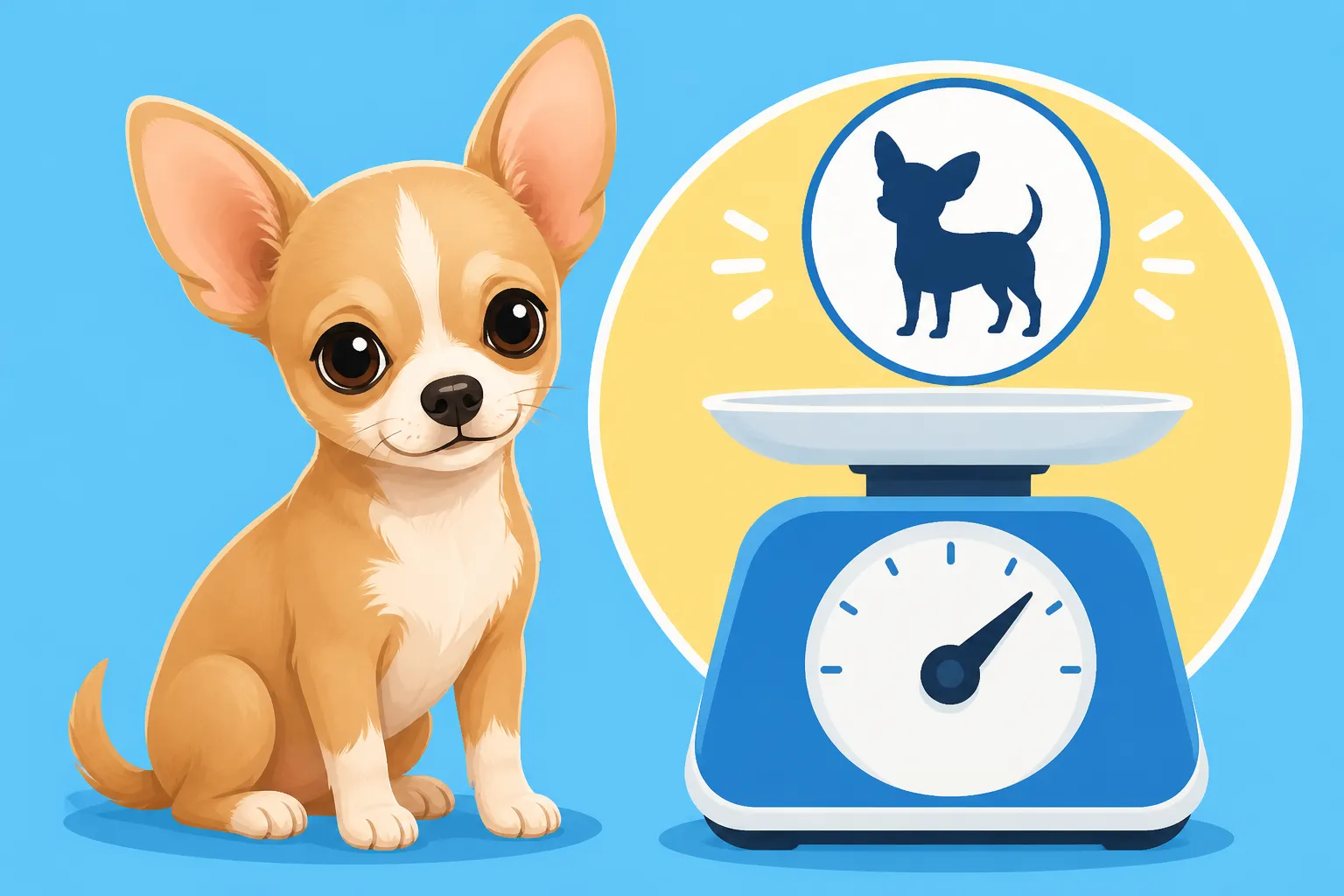
For a Chihuahua puppy, especially in the first few months, daily or every-other-day weigh-ins are highly recommended. A small kitchen scale is perfect for this, the kind you might use for baking. Place a soft towel or a small bowl on the scale, zero it out, and gently place your puppy on it. Consistency is key: try to weigh them at the same time each day, ideally before their first meal, to get the most accurate readings. Jotting these numbers down in a notebook or a puppy app helps you visualize their growth trend and quickly spot any concerning changes. If you notice a sudden drop or a complete halt in weight gain for more than 24-48 hours, especially alongside other symptoms like lethargy or lack of appetite, it's time to contact your vet. For instance, a sudden dip could be an early warning sign of something more serious, requiring immediate attention.
When to Consult Your Veterinarian
While minor fluctuations are normal, there are certain red flags related to weight that you should never ignore with a Chihuahua puppy. These include:
- Significant weight loss: Even a few ounces can be a big deal for a tiny puppy.
- No weight gain for several days: A healthy puppy should be consistently gaining, even if slowly.
- Loss of appetite or refusing meals: This is especially concerning for Chihuahuas due to their susceptibility to Why a Chihuahua Runs Out of Blood Sugar So Fast.
- Lethargy or extreme tiredness: A puppy should be playful and curious.
- Vomiting or diarrhea: These can quickly lead to dehydration and dangerous weight loss in small breeds.
Your vet can assess their overall health, rule out any underlying conditions, and provide guidance on diet or care if needed. Don't hesitate to reach out; it's always better to be safe than sorry when it comes to your tiny companion. Remember that Vaccine Reactions in a Toy Sized Chihuahua or general stress from a new environment can also sometimes impact appetite and weight, so providing a stable, calm environment is important.
Essential Care for Healthy Chihuahua Puppy Growth
Ensuring your Chihuahua puppy grows into a healthy adult goes beyond just tracking their weight. It involves a holistic approach to their care, from nutrition to a safe environment.
Nutrition and Feeding Schedules
Proper nutrition is paramount for a growing Chihuahua puppy. They need a high-quality puppy food specifically formulated for small breeds. These foods are calorie-dense and have the right balance of nutrients to support rapid growth without overwhelming their tiny digestive systems. Look for brands that list real meat as the first ingredient and avoid excessive fillers. Companies like Chewy offer a wide variety of small-breed puppy foods, making it easier to find one that suits your pup. Some owners also choose fresh food options, with services like Ollie providing carefully portioned meals that can be great for precise calorie control.
Because Chihuahuas are prone to hypoglycemia, especially as young puppies, a consistent feeding schedule is non-negotiable. At twelve weeks, your puppy should still be eating small, frequent meals – typically three to four times a day. This ensures a steady supply of glucose and helps prevent their blood sugar from dipping dangerously low. I've written extensively about Feeding a Chihuahua Puppy Every Few Hours because it's so vital for their well-being. Always have an emergency glucose source, like Karo syrup or a specialized glucose gel, on hand, just in case.
Creating a Safe and Stimulating Environment
A puppy that feels safe and loved will thrive. Provide a warm, secure space for your Chihuahua puppy, such as a cozy crate or a playpen. Remember, they have very little body fat and can get cold easily, so soft blankets for burrowing are a must. Chihuahua Crate Size and Setup is something you'll want to get right from the start.
Their small size also makes them vulnerable to household hazards that a larger puppy might easily navigate. Be mindful of potential falling hazards, gaps they could squeeze through, or items they might chew and swallow. Childproofing your home for a tiny dog is often necessary. A stimulating environment, with appropriate toys and gentle socialization, will support their mental and physical development. Early, positive interactions are key for building a confident, well-adjusted Chihuahua. Consider reading up on Chihuahua Puppy Biting at Fingers if your little shark is going through a nippy phase, as proper play helps them learn bite inhibition.
Long-Term Health and Growth Considerations
Even after your Chihuahua puppy passes the 12-week mark, their growth and health remain a priority. Their unique physiology means certain aspects of their care will differ from those of larger breeds throughout their long lives.
From Puppy to Adult: Continued Monitoring
Chihuahuas typically reach their adult height and weight between 9 and 12 months of age, though some may continue to fill out slightly until 18 months. Continuing to monitor their weight, even if less frequently, is important to ensure they maintain a healthy body condition. Obesity, even an extra half-pound, can put significant strain on their tiny joints and overall health. You should be able to easily feel their ribs without seeing them, and they should have a discernible waist when viewed from above. Regularly checking Chihuahua Body Condition on a Tiny Frame will help you keep them at their ideal weight.
As they grow, their dietary needs will shift, and you'll eventually transition them to an adult small-breed formula. This transition should be gradual, typically over a week, to avoid upsetting their digestive system. For specific food recommendations or even durable toys sized just right for a tiny mouth, online retailers like Amazon offer an incredible selection of products tailored for small breeds.
Common Health Concerns Related to Size
Being a tiny dog comes with specific health considerations. Beyond hypoglycemia, Chihuahuas are known for Patellar Luxation, the Chihuahua's Commonest Joint Problem, where their kneecaps can slip out of place. Keeping them at a healthy weight minimizes stress on these delicate joints. They can also be prone to Collapsing Trachea and the Chihuahua Honking Cough, a condition affecting their windpipe, which is another reason to avoid neck collars and opt for a harness. Their tiny mouths are also prone to Chihuahua Dental Disease in a Crowded Small Jaw, making daily tooth brushing a critical part of their routine from a young age.
Regular veterinary check-ups throughout their life are essential for early detection and management of these conditions. Your vet can provide guidance tailored to your Chihuahua's specific needs, helping them live a full, happy, and remarkably long life, often exceeding sixteen years.
Disclaimer
This article is for general informational purposes only and does not constitute professional advice. Laws, prices and regulations vary by location and change over time. Consult a qualified professional for guidance on your specific situation.