Exercise for a Chihuahua With a Bad Knee
It's incredibly disheartening to watch your lively little Chihuahua suddenly hesitate, lift a back leg, or even cry out during what should be a joyful playtime. A "bad knee," often referring to patellar luxation, is a common reality for many Chihuahuas, and it can leave you wondering how to keep them active without causing more pain or injury. This guide is here to walk you through safe and effective exercise strategies, helping your tiny companion stay happy, healthy, and mobile for as long as possible, even with knee challenges.
Understanding Your Chihuahua's Knee Challenges
When we talk about a "bad knee" in a Chihuahua, we're usually referring to patellar luxation, a condition where the kneecap (patella) slips out of its normal groove. It's shockingly common in small breeds, and while some Chihuahuas might just have a little skip in their step, others can experience significant pain, lameness, and even arthritis over time. It's not just a minor inconvenience; it can truly impact their quality of life.
The Reality of Patellar Luxation
Patellar luxation can manifest in different grades, from a kneecap that occasionally slips but corrects itself to one that is permanently dislocated. This means that not every "bad knee" is the same, and what's appropriate exercise for one Chihuahua might be too much for another. The knee joint wasn't designed for constant slipping, and each time it pops out, it can cause wear and tear on the cartilage and surrounding structures. It's a progressive condition, meaning it tends to get worse without proper management. Understanding this underlying issue is the first step in creating a safe exercise plan. If you suspect your Chihuahua has knee issues, a vet visit is paramount to get a proper diagnosis and understand the grade of their condition. You can read more about Patellar Luxation, the Chihuahua's Commonest Joint Problem to understand the mechanics and impact of this condition.
Recognizing the Signs of Discomfort During Movement
Your Chihuahua can't tell you directly when their knee hurts, so it's up to you to become a detective of their body language and movement. Watch for tell-tale signs: a sudden "skipping" gait where they hold one back leg up for a few steps before putting it down, reluctance to jump or use stairs, crying out when moving, stiffness after rest, or even general irritability during play. Sometimes, they might shift their weight or walk with an unusual posture to compensate for the discomfort. Pay close attention to how they move after exercise as well. Are they more stiff? Do they limp? Are they less enthusiastic for their next walk? These are all critical indicators that you might be pushing them too hard, or that the type of activity isn't suiting their joints. A great resource for understanding specific movements is The Skipping Gait That Signals a Chihuahua Knee. If you notice your Chihuahua suddenly A Chihuahua That Cries Out and Then Walks On, it's a clear sign of pain and you should halt the activity and assess the situation.
Establishing a Safe Exercise Philosophy
For Chihuahuas with patellar luxation, the goal isn't to stop all exercise, but to modify it. Movement is essential for maintaining muscle strength, joint flexibility, and a healthy weight, all of which support joint health. The key is to make every movement purposeful and gentle, avoiding anything that puts undue stress on those delicate knee joints.
Prioritizing Low-Impact and Controlled Movement
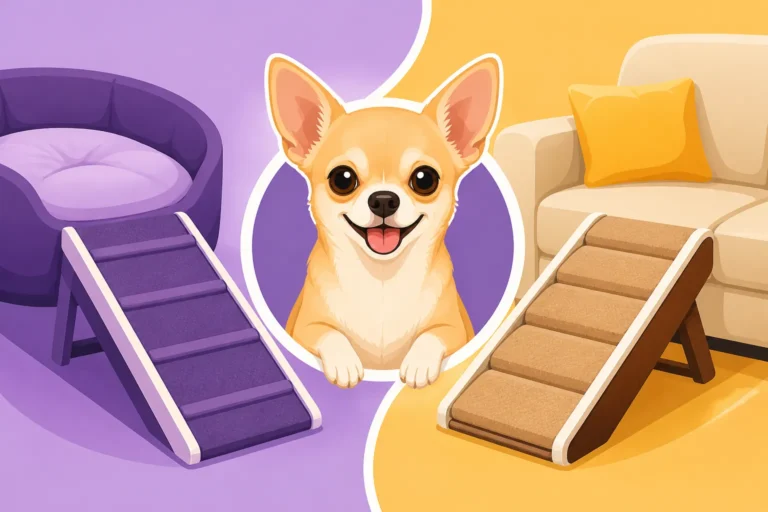
Forget long, vigorous runs or high-flying jumps at the dog park. For a Chihuahua with a bad knee, low-impact, controlled movement is your new best friend. Think slow, steady, and purposeful. Activities where all four paws remain on the ground are generally best. This means leash walks on soft, even surfaces, rather than off-leash romps over uneven terrain. It also means managing their environment at home to prevent sudden jumps off furniture. Instead of letting them bound off the sofa, encourage them to use Ramps and Steps for a Chihuahua Sofa or lift them gently. The idea is to build muscle around the joint without jarring or twisting it. Controlled movements also mean you can observe their form and stop immediately if you see any signs of discomfort.
The Crucial Role of Warm-ups and Cool-downs
Just like human athletes, Chihuahuas with joint issues benefit immensely from proper warm-ups and cool-downs. Before a walk or play session, engage in 5-10 minutes of very gentle, slow movement. This could be a slow walk around the living room, gentle stretches (if your vet or a physical therapist has shown you how), or some easy "follow-me" commands for a treat. This helps to increase blood flow to the muscles and joints, making them more pliable and less prone to injury. Afterward, a similar cool-down period helps their body gradually return to a resting state, preventing stiffness. A gentle massage can also be a wonderful part of their cool-down routine, fostering connection while helping their muscles relax.
Monitoring for Pain and Overexertion
This is arguably the most critical aspect of exercising a Chihuahua with knee issues. You must become adept at reading their subtle cues. Beyond the obvious limp or yelp, watch for:
- Lagging behind on a walk when they normally lead.
- Reluctance to engage in a favorite game.
- Excessive panting or trembling not related to heat or fear.
- Licking or chewing at their knee area.
- Changes in personality, such as being more withdrawn or snappy.
If you see any of these signs, stop the activity immediately. Pushing through pain can lead to more severe injury or exacerbate existing conditions like Chihuahua Arthritis in the Teenage Years. It's always better to err on the side of caution and end a session early than risk a setback. Learn to gauge their energy levels day-by-day; some days they might feel better than others.
Gentle Activities for Joint Health
Keeping your Chihuahua active is vital for their overall well-being, but the activities need to be carefully chosen. The goal is to provide stimulation and movement without putting undue strain on their compromised knees.
Structured Walks on Soft Surfaces
Daily walks are still highly beneficial, but they need to be managed. Opt for shorter, more frequent walks instead of one long trek. Two 10-15 minute walks might be better than one 30-minute one. Choose surfaces that offer good traction and cushioning. Grass, dirt paths, or indoor carpets are preferable to hard pavement, concrete, or slippery floors. Avoid steep inclines or declines that can put extra pressure on their joints. A well-fitting harness, rather than a collar, is crucial to prevent strain on their neck and trachea, which is especially important for Chihuahuas. Many great options can be found on Chewy or Amazon that are specifically designed for small breeds, distributing pressure evenly across their chest. Remember, it's about consistency and gentle movement, not speed or distance.
Indoor Play and Mental Stimulation
When outdoor conditions aren't ideal, or if your Chihuahua is having a "bad knee day," indoor activities become paramount. Mental stimulation is just as important as physical for a happy dog.
- Puzzle Toys: These are fantastic for engaging their minds without strenuous physical activity. Brands like KONG or Nina Ottosson (available on Amazon or Chewy) offer various levels of difficulty. Filling them with a small amount of their regular kibble or a vet-approved treat keeps them occupied and thinking.
- "Find It" Games: Hide small treats around a carpeted room and encourage your Chihuahua to sniff them out. This engages their powerful sense of smell, provides gentle movement, and is low-impact.
- Gentle Tug-of-War (if approved by your vet): If their knees are stable, a very gentle game of tug with a soft toy can build upper body and core strength, but ensure there's no frantic twisting or jumping. Always let your Chihuahua "win" to build confidence.
- "Cookie Streaks" or Targeting: Teach them to touch a target with their nose or paw for a treat. This is a controlled movement that you can direct, building focus and muscle memory. These kinds of activities are great for Training a Chihuahua Exactly Like a Big Dog and helping them burn mental energy.
Exploring Water Therapy and Rehabilitation
For some Chihuahuas with patellar luxation, water therapy can be a game-changer. Swimming or walking on an underwater treadmill allows them to exercise muscles without bearing their full body weight, reducing stress on their joints. This often needs to be done under the supervision of a certified canine rehabilitation therapist, who can ensure the activity is safe and tailored to your dog's specific needs. They can guide your Chihuahua through controlled movements in the water, which strengthens the supporting muscles around the knee. While this might be a specialized service, it's worth discussing with your vet if your Chihuahua's condition is impacting their mobility significantly. It's a fantastic way to rebuild strength gently, especially if they're recovering from surgery or managing chronic pain.
Beyond Exercise: Holistic Support for Aching Knees
Exercise is just one piece of the puzzle. A truly holistic approach to managing patellar luxation involves lifestyle adjustments, diet, and proactive veterinary care.
Weight Management as a Cornerstone of Care
Every extra pound on a small Chihuahua frame puts disproportionate stress on their joints. Maintaining a lean body condition is one of the most impactful things you can do to ease the burden on a bad knee. Work with your vet to determine your Chihuahua's ideal weight and how to achieve it. This might involve precise portion control and selecting a high-quality, calorie-appropriate food. Services like Ollie can deliver fresh, human-grade food portioned specifically for your dog's caloric needs, making weight management much simpler than guessing with kibble. Remember, a tiny Chihuahua needs very few calories, so even a few extra treats can add up quickly. For a deeper dive, check out Chihuahua Obesity on a Six Pound Frame.
Nutritional Support and Joint Supplements
While diet won't "cure" patellar luxation, it can certainly help manage symptoms and support joint health. Look for dog foods that contain natural sources of glucosamine and chondroitin, or consider adding supplements to their diet. These ingredients are believed to help maintain cartilage health and reduce inflammation.
Common joint supplements include:
- Glucosamine and Chondroitin: Work synergistically to support cartilage.
- MSM (Methylsulfonylmethane): An anti-inflammatory agent.
- Omega-3 Fatty Acids (Fish Oil): Powerful natural anti-inflammatories that can also benefit skin and coat.
Always discuss any supplements with your veterinarian before adding them to your Chihuahua's regimen. They can recommend appropriate dosages for a toy-sized dog and ensure there are no contraindications with other medications. Many reputable brands offering these supplements can be found on Chewy or Amazon. For more detailed information, consider reading Joint Supplements for a Chihuahua With Bad Knees.
Environmental Modifications for a Pain-Free Home
Your home environment plays a huge role in your Chihuahua's joint health.
- Ramps and Steps: As mentioned earlier, provide ramps or small steps to access furniture like sofas and beds. This eliminates dangerous jumps and reduces repetitive stress on their knees. You can find many portable and permanent ramp solutions on Amazon.
- Non-Slip Surfaces: If you have hard floors, consider runners or strategically placed rugs to give your Chihuahua better traction, preventing slips and falls that can injure knees.
- Orthopedic Beds: A supportive, orthopedic bed can provide comfort and relieve pressure on joints, especially important for older Chihuahuas or those with more advanced arthritis.
- Controlled Entry/Exit: If your Chihuahua has a dog door, ensure it's easy for them to use without awkward jumps. If they go in and out through a human door, be mindful of how they're moving.
Making these small changes can significantly reduce the risk of exacerbating their knee condition and provide a more comfortable, pain-free existence for your little one. It all contributes to their overall Mobility Help for a Fifteen Year Old Chihuahua as they age.
Disclaimer
This article is for general informational purposes only and does not constitute professional advice. Laws, prices and regulations vary by location and change over time. Consult a qualified professional for guidance on your specific situation.