Chihuahua Dewclaws and Whether to Trim Them
Oh, the dewclaws! They often feel like those mysterious extra bits on our Chihuahuas, easy to forget until they become a painful problem. Many of us Chihuahua parents find ourselves wondering if they even serve a purpose, or if we should be trimming them like the other nails, or if they're better off gone entirely. This guide is here to walk you through everything you need to know about your Chihuahua's dewclaws, helping you understand their role, when they're a risk, and how best to care for them to keep your tiny companion comfortable and safe.
Understanding Chihuahua Dewclaws: More Than Just a "Thumb"
It's easy to look at a dewclaw and think it's just a random appendage, especially when you compare it to our own hands and feet. For many domestic dogs, including our Chihuahuas, dewclaws can seem rather vestigial, like an evolutionary leftover. However, understanding what they are and where they typically appear is the first step in deciding how to care for them.
What Exactly Is a Dewclaw?
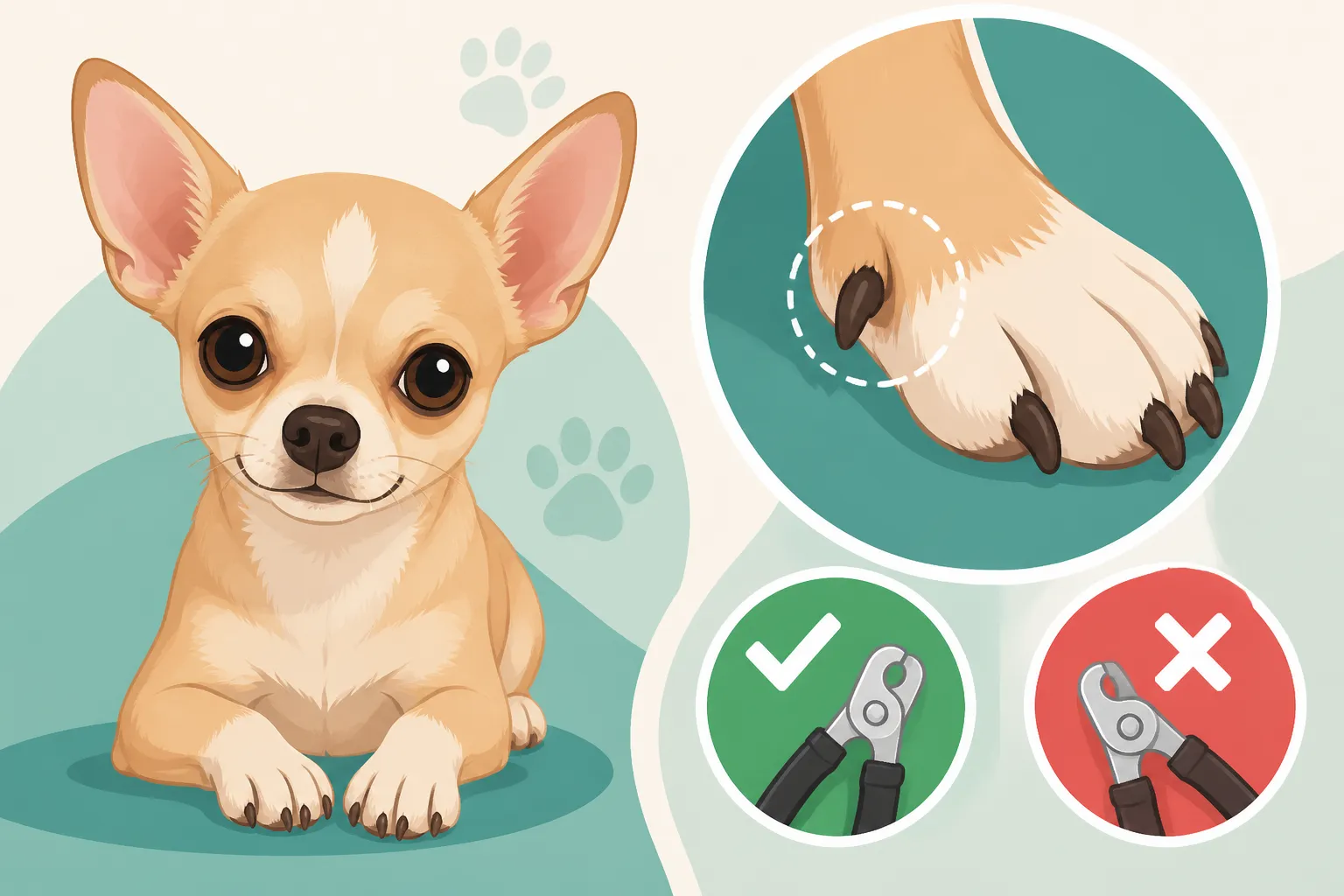
Think of a dewclaw as a dog's "thumb" or "big toe," depending on which leg you're looking at. They're typically located higher up on the leg, above the weight-bearing paw pads, and don't usually touch the ground when your Chihuahua stands or walks. On the front legs, a dewclaw is quite common and is often connected by bone, making it a functional, if subtle, part of the limb structure. It's like an extra digit that some dogs use for gripping things, especially when running at high speeds or climbing, though our little Chihuahuas aren't usually scaling mountains.
These front dewclaws often have a bony attachment, meaning they're securely fastened to the leg structure, even if they appear loose. They have a nail that grows just like the other nails, and it’s just as important to keep it trimmed. If you've ever seen a dog using its paws to hold a bone or toy, sometimes that front dewclaw can come into play, offering a little extra grip. However, for many Chihuahuas, it's mostly just there, growing quietly.
The Function (or Lack Thereof) in Modern Chihuahuas
While dewclaws can serve a purpose for some breeds – think working dogs that use them for traction in rough terrain or to stabilize their wrists when turning sharply – for a petite Chihuahua, their function is often minimal to non-existent. Most Chihuahuas don't engage in activities that would actively utilize their dewclaws in any significant way. They're not usually climbing steep hills or performing high-speed maneuvers that demand extra wrist stability.
Because they rarely touch the ground, the nails on dewclaws don't get worn down naturally like the other nails do. This is a critical point for Chihuahua owners, as it means their dewclaws are far more prone to overgrowth. An overgrown dewclaw can curl around and dig into the paw pad or the skin of the leg, leading to painful infections and discomfort. It's a silent problem because it's not always obvious until it's quite severe, and our tiny companions can be stoic about pain. Therefore, even if your Chihuahua isn't putting their dewclaws to work, you absolutely need to put in the work to maintain them.
The Difference Between Front and Rear Dewclaws
This is where things get a little more nuanced. Front dewclaws, as mentioned, are generally present on most dogs and are often firmly attached by bone. They are considered a normal anatomical feature. Most Chihuahuas will have them on their front legs, and while they might not be actively used, they are part of the dog's structure.
Rear dewclaws, however, are a different story. These are less common, and when they do appear, they are often not attached by bone. Instead, they might just be a flap of skin with a nail, loosely connected to the leg by tissue. These are sometimes referred to as "double dewclaws" if there's more than one, or simply "unattached" dewclaws. For many breed standards, including the Chihuahua's, rear dewclaws are actually considered a fault and are often removed shortly after birth by breeders. The reason for this is primarily practical: a loosely attached rear dewclaw has no functional purpose and is far more susceptible to getting snagged, torn, or ripped off. Imagine your tiny Chihuahua scampering around, and that little loose bit catches on a carpet thread, a piece of furniture, or even another dog's collar during play. The pain and injury can be significant. This distinction is vital for care, as an unattached rear dewclaw presents a much higher risk profile than a firmly attached front one.
When Chihuahua Dewclaws Become a Problem
Even if you're diligent about Chihuahua Nail Trimming at Toy Size for all ten nails, those dewclaws can sometimes be overlooked. Because they don't bear weight or make contact with the ground, they don't experience the natural wear and tear that helps keep other nails in check. This lack of friction means the dewclaws can quickly become long, sharp, and problematic for our small companions.
Catching, Tearing, and Injury Risks
One of the most immediate and painful issues with neglected dewclaws is the risk of injury. Picture your energetic Chihuahua, full of zoomies, tearing across the living room carpet. If a dewclaw is too long, it can easily catch on loose fibers, furniture, or even when your pup is just scratching an itch behind its ear. Because these nails curve, they can get snagged, causing a painful tear. This isn't just a minor cut; a torn dewclaw can be a really nasty injury, involving bleeding, swelling, and significant pain, often requiring a trip to the vet.
I've heard stories from other Chihuahua parents who thought their pup was just being dramatic, only to discover a dangling, partially ripped dewclaw. It’s a gut-wrenching sight. Imagine playing with your Chihuahua, and they jump off the sofa – something they probably shouldn't do anyway because of their delicate knees, but they do – and their dewclaw gets caught on the blanket. The force of the jump, combined with the snag, can cause the nail to rip down to the quick, or even tear the entire dewclaw off the leg. These types of injuries are not only incredibly painful but can also become infected if not treated properly, leading to more complications and higher vet bills.
Ingrown Nails: A Silent Pain
If a dewclaw is allowed to grow unchecked for too long, it will naturally curve. Given their position on the inner side of the leg, this curving often leads to the nail growing into the skin or paw pad. This is an ingrown nail, and it's far more common with dewclaws than with any other nail. For a Chihuahua, with their tiny paws and delicate skin, an ingrown dewclaw can cause immense, constant pain. It’s like having a splinter that constantly gets driven deeper with every step or movement.
The tricky part about ingrown dewclaws is that they can be hard to spot early on, especially if your Chihuahua isn't keen on having their paws handled. You might notice your pup licking at their leg more frequently, favoring a paw, or even becoming a bit withdrawn or snappy when you try to touch their leg. This behavior shift, unfortunately, might often be mistaken for general grumpiness or a desire for personal space, rather than a sign of serious pain. If left untreated, the ingrown nail can pierce the skin, creating an open wound that quickly becomes infected. This can lead to cellulitis, abscesses, and a deep-seated infection that may require antibiotics, pain medication, and even surgical intervention to fully resolve. It’s a preventable agony that no Chihuahua should have to endure.
The Impact of Overgrown Dewclaws on Mobility
Beyond acute injuries and ingrown nails, overgrown dewclaws can subtly yet significantly impact your Chihuahua's overall comfort and mobility. Even if they don't get caught or become ingrown, excessively long dewclaws can interfere with your Chihuahua's natural gait and posture. Think about how a long nail might shift the way they place their paw or how they balance. For a small dog like a Chihuahua, every little shift in weight distribution can have a ripple effect.
When a dewclaw is too long, it can cause an unnatural pressure point or even snag on the ground intermittently, causing your Chihuahua to subtly adjust their stride. Over time, this can lead to muscle strain, joint discomfort, and even issues further up the leg or in the back. Imagine trying to walk comfortably with a pebble in your shoe that you can't get out – it throws off your whole balance. Similarly, a constantly irritating dewclaw can make your Chihuahua hesitant to move freely, reducing their willingness to engage in play or go for walks. This could then lead to a more sedentary lifestyle, contributing to weight gain and other health issues. It's a domino effect, all starting with a seemingly small, forgotten nail. Chihuahua Exercise Needs Every Day is crucial, and overgrown dewclaws can directly hinder it.
Deciding Whether to Trim or Remove Chihuahua Dewclaws
This is often the big question that Chihuahua owners ponder when facing dewclaw issues. Is it better to meticulously trim them, or is surgical removal the more humane and practical long-term solution? There are valid arguments for both, and the best choice often depends on your individual Chihuahua, their lifestyle, and the specific characteristics of their dewclaws.
Regular Trimming as a Preventative Measure
For many Chihuahuas, especially those with front dewclaws that are firmly attached, regular trimming is usually all that's needed to prevent problems. This involves making the dewclaw trim a routine part of your regular Chihuahua Nail Trimming at Toy Size schedule, typically every 2-4 weeks, depending on how fast your pup's nails grow. The key is consistency and starting early in life so your Chihuahua gets used to it.
When you're trimming, remember that dewclaws often have a more prominent quick (the sensitive part of the nail with blood vessels and nerves) than other nails because they don't get ground down. So, taking off small bits more frequently is much better than trying to do a big trim less often, which increases the risk of cutting into the quick. If you're nervous, a quick trip to the vet or a professional groomer can show you the ropes, and they can certainly do the trimming for you. Many Chihuahua parents find success by distracting their pup with high-value Chihuahua Training Treats Cost a Month during nail care sessions. Using quality clippers, like those you can find on Amazon or Chewy, specifically designed for small dogs, makes the process smoother and safer. Regular trims ensure the nail never gets long enough to curve, snag, or become ingrown, keeping your Chihuahua comfortable and safe. You can learn more about Clipping a Chihuahua Nail Without a Vet if you're feeling brave!
Surgical Removal: When It's Recommended
Surgical removal, known as dewclaw amputation, is typically reserved for specific situations where trimming isn't enough or the risks outweigh the benefits of keeping them. This is most commonly recommended for rear dewclaws, especially those that are loosely attached and flop around. Because these unattached dewclaws serve no functional purpose and are highly prone to injury, many vets and breeders advocate for their removal, often doing so when a puppy is just a few days old. The procedure at that young age is quick, relatively simple, and involves minimal discomfort and recovery time.
For older Chihuahuas, particularly if a front dewclaw becomes a chronic problem (repeated tears, persistent ingrown nails despite diligent trimming, or if an injury is so severe it can't be healed without removing the nail bed), surgical removal might be considered. The decision usually comes after weighing the frequency and severity of problems against the risks of general anesthesia, especially for a tiny dog. An adult dog undergoing dewclaw removal will require general anesthesia, stitches, and a period of recovery, similar to other minor surgical procedures. You'll need to consider Anesthesia Risk During a Chihuahua Dental as a reference, as toy breeds have particular sensitivities. It's not a decision to be taken lightly and should always be discussed thoroughly with your veterinarian.
Weighing the Pros and Cons of Dewclaw Removal
Deciding whether to remove your Chihuahua's dewclaws (beyond the early puppy stage for rear dewclaws) involves a careful consideration of the benefits versus the drawbacks.
Here's a quick overview to help you think it through:
| Feature | Regular Trimming (for retained dewclaws) | Surgical Removal (for problematic dewclaws) |
|---|---|---|
| Pros | Non-invasive, maintains natural anatomy, low cost. | Eliminates future injury risk, prevents ingrown nails, permanent solution. |
| Cons | Requires consistent owner diligence, risk of quicking, occasional snagging. | Invasive procedure, requires anesthesia, post-op pain/recovery, higher upfront cost. |
| Best For | Firmly attached front dewclaws, owners committed to regular maintenance. | Loose rear dewclaws, repeatedly injured dewclaws, chronic ingrown nails. |
| Cost Implication | Minimal (clippers, treats) | Significant (vet exam, anesthesia, surgery, pain meds, follow-ups) |
| Recovery | Immediate, no downtime | Weeks of healing, cone of shame, activity restriction (similar to Recovery After Chihuahua Kneecap Surgery) |
If your Chihuahua has healthy, firmly attached dewclaws and you are committed to regular nail care, trimming is often the preferred route. It's less invasive, has no recovery period, and keeps your pup's natural anatomy intact. However, if you're constantly dealing with torn dewclaws, painful ingrown nails, or if your Chihuahua has those floppy, unattached rear dewclaws that are essentially waiting to snag on something, surgical removal might be the kindest long-term option to prevent ongoing pain and vet visits. This conversation with your vet should cover your Chihuahua's age, overall health, and any existing medical conditions.
At-Home Dewclaw Care and Professional Assistance
Whether you decide to keep your Chihuahua's dewclaws or opt for removal, ongoing care is vital. For most Chihuahuas, regular at-home maintenance is a cornerstone of preventing painful dewclaw problems. But knowing when to call in the professionals is just as important.
Tools and Techniques for Trimming Chihuahua Dewclaws
If you're going the route of at-home trimming, you need the right tools and a gentle, confident approach. First, invest in good quality nail clippers designed for small dogs. There are scissor-style and guillotine-style clippers available; many Chihuahua owners find the scissor-style easier to handle for tiny nails. You can find excellent options on Chewy or Amazon. Make sure they're sharp, as dull clippers can crush the nail rather than cut it cleanly, which is uncomfortable for your pup. Having some styptic powder on hand (just in case you accidentally cut too far and hit the quick) is also a good idea.
Here's a simple technique:
- Find a calm time: Pick a moment when your Chihuahua is relaxed, perhaps after a nap or a gentle play session.
- Get comfortable: Sit with your Chihuahua securely in your lap or on a comfortable surface.
- Identify the quick: Look for the quick – it's the pinkish part within the nail. If your Chihuahua has dark nails, this can be harder, so only trim tiny slivers at a time. The dewclaw often has a more visible quick than the other nails.
- Angle the cut: Cut straight across or at a slight angle, following the natural curve of the nail. Don't cut too close to the quick. Think "many small cuts" rather than "one big chop."
- Reward generously: Immediately after each nail (or even each paw, if it's a struggle), offer high-value treats and praise. This positive association is key for future trims.
Remember, practice makes perfect. If you're nervous, ask your vet or a groomer to show you how to How Short to Cut a Chihuahua Nail safely. They can demonstrate the proper technique and help you identify the quick, especially if your Chihuahua has dark nails. Consistency is far more important than perfection in the beginning.
Seeking Veterinary Help for Problematic Dewclaws
There are times when even the most diligent at-home care isn't enough, or a situation arises that demands professional attention. If you notice any signs of pain, swelling, redness, pus, or a foul odor around your Chihuahua's dewclaw, it's time to call the vet immediately. These are all indicators of an infection, an ingrown nail, or an injury that needs prompt medical care. Trying to treat a deep infection or a severe tear at home can lead to worsening conditions and prolonged suffering for your pup.
Your veterinarian can assess the extent of the injury or infection, clean the area, prescribe antibiotics or pain medication, and determine if surgical intervention (like removing a deeply ingrown nail or an entire dewclaw) is necessary. They also have specialized tools and expertise for situations where a dewclaw has grown completely into the pad and requires careful extraction under sedation. Don't hesitate to seek their expertise; they've seen it all and can provide the most effective treatment to alleviate your Chihuahua's discomfort. The Monthly Cost of Keeping a Chihuahua will include vet visits, and addressing these issues promptly can prevent more expensive problems down the line.
Ensuring Your Chihuahua's Overall Paw Health
Dewclaw care is just one piece of the puzzle when it comes to your Chihuahua's overall paw health. Their tiny feet are constantly working, and keeping them in top condition contributes significantly to their comfort and mobility throughout their long lives. Beyond dewclaws, remember to regularly check all your Chihuahua's paw pads for cuts, cracks, or foreign objects, especially after walks. Their delicate pads can be sensitive to hot pavement in summer or ice and salt in winter. Consider Chihuahua Paw Protection on Ice and Salt if you live in a cold climate.
Regularly trim all other nails to prevent them from becoming too long, which can affect your Chihuahua's gait and cause splayed toes. Ensure their paw hair (if they have long coats) is trimmed to prevent matting between the pads, which can be uncomfortable and collect debris. And don't forget the importance of making paw handling a positive experience from a young age. Gentle massages and regular checks can help your Chihuahua become more comfortable with having their paws touched, making future grooming and health checks much easier for both of you. This comprehensive approach to paw care ensures your little friend can confidently prance through life without unnecessary aches or pains, right into their Senior Chihuahua Care Past the Age of Twelve years.
Disclaimer
This article is for general informational purposes only and does not constitute professional advice. Laws, prices and regulations vary by location and change over time. Consult a qualified professional for guidance on your specific situation.