Warming a Chihuahua Straight After a Bath
Anyone who shares their home with a Chihuahua knows that these tiny dogs are exquisitely sensitive to temperature changes. After a bath, this sensitivity becomes even more pronounced, leading to shivers and discomfort that can worry any loving owner. This guide is here to walk you through the most effective and safest ways to get your little companion warm and cozy again after their bath, ensuring their comfort and well-being.
Why Chihuahuas Get So Cold After a Bath
It’s not just in their heads; Chihuahuas genuinely feel the cold more acutely than many other breeds, and a bath compounds this sensation. Understanding the physiological reasons behind their post-bath shivers can help us provide the best care. It's a combination of their unique physical characteristics and the immediate impact of water exposure.
Their Tiny Body Mass and Lack of Insulation
Chihuahuas are, by definition, toy-sized dogs, and their diminutive stature plays a huge role in their struggle with temperature regulation. They have a very high surface area to volume ratio compared to larger dogs. Think of it this way: a tiny dog has a lot of skin relative to its overall body mass, meaning heat escapes their body much faster. This isn't just a quaint breed trait; it's a critical physiological difference that impacts their warmth.
Beyond their size, Chihuahuas also tend to have very little body fat, especially those kept at a healthy, lean weight. This minimal fat layer means they lack the natural insulation that larger, heftier breeds possess. Imagine trying to stay warm on a chilly day with only a thin t-shirt on – that's often how a Chihuahua feels without proper care, especially after being thoroughly soaked. Their bodies just don't have the reserves to generate and hold onto heat effectively, making them prone to hypothermia in situations where other dogs would be perfectly comfortable. This is why you often see them Why a Chihuahua Shivers Indoors even when you feel fine. For a deeper dive into this, you might find our article Why a Chihuahua Has Almost No Body Fat insightful.
The Evaporative Cooling Effect
When your Chihuahua is wet, whether from a bath, a sudden downpour, or even just playing in damp grass, a process called evaporative cooling kicks in. Water molecules on the surface of their fur and skin begin to evaporate, and this process uses heat energy directly from their body. It's the same principle that makes you feel cold when you step out of a shower, even if the bathroom air is warm. For a Chihuahua, with their small mass and limited insulation, this cooling effect is significantly more impactful and can rapidly drop their core body temperature.
The longer they remain wet, the more heat they lose through evaporation. This is why thorough and quick drying isn't just about preventing a damp house; it's a vital step in safeguarding their health. Even a perfectly warm bathroom can't counteract the constant heat loss from a wet coat, especially for a long-haired Chihuahua where water can cling to their fur for longer. They need active help to dry and warm up, or they risk becoming genuinely chilled, which can be detrimental, particularly for puppies or older Chihuahuas.
Essential Supplies for Post-Bath Warming
Preparing your drying station before the bath even begins is a game-changer. Having everything at your fingertips ensures a swift, stress-free transition from wet and chilly to warm and snug, minimizing the time your little one spends shivering. Think of it as setting up a cozy recovery room!
The Right Towels and Drying Tools
Forget those old, worn-out bath towels you've had since college. Your Chihuahua deserves something better – something super absorbent and soft. Microfiber towels are excellent for this purpose, as they're designed to wick away moisture much more efficiently than traditional cotton towels. Having at least two on hand is a good idea: one for the initial, vigorous pat-down, and another for wrapping them up like a burrito. You can often find great multi-packs of these towels on sites like Amazon or Chewy.
When it comes to drying tools, a low-heat hairdryer is often indispensable, especially for long-coated Chihuahuas whose fur can take ages to air dry. However, the key here is low heat and constant movement. High heat can quickly burn their delicate skin, and a static stream of air can cause discomfort. A hairdryer specifically designed for pets often has lower heat settings and quieter motors, which can be less frightening for a nervous Chihuahua. If you opt for a regular human hairdryer, always use the coolest setting and keep it moving. For more tips on the bathing process itself, check out Bathing a Chihuahua Without Letting It Chill.
Warmth-Retaining Gear
Once the initial drying is done, it's time to layer on the warmth. A soft, plush blanket is a must-have. Chihuahuas are notorious burrowers, and a warm blanket provides that comforting, den-like feeling they instinctively crave. You can even warm the blanket slightly in a dryer for a minute or two before wrapping them up – just be sure it's not hot, merely toasty warm.
Additionally, a small sweater or a cozy coat can be incredibly beneficial, especially if your home isn't consistently warm (and let's be honest, few homes keep an Indoor Temperature for a Chihuahua that's ideal 24/7). Opt for soft, non-restrictive fabrics like fleece or soft knits. Sites like Chewy offer a fantastic selection of Chihuahua-sized apparel. Just make sure it fits well without being too tight or hindering movement. This extra layer acts as a personal insulator, helping their tiny bodies hold onto the heat they've just regained. Consider the specific The Sweater Weight a Chihuahua Needs for your climate and dog's preference.
Step-by-Step Post-Bath Warming Process
The moments immediately following the bath are crucial for a Chihuahua's comfort and health. A systematic approach ensures no steps are missed, getting them from shivering to blissful snuggles as quickly as possible.
Immediate Towel Drying Techniques
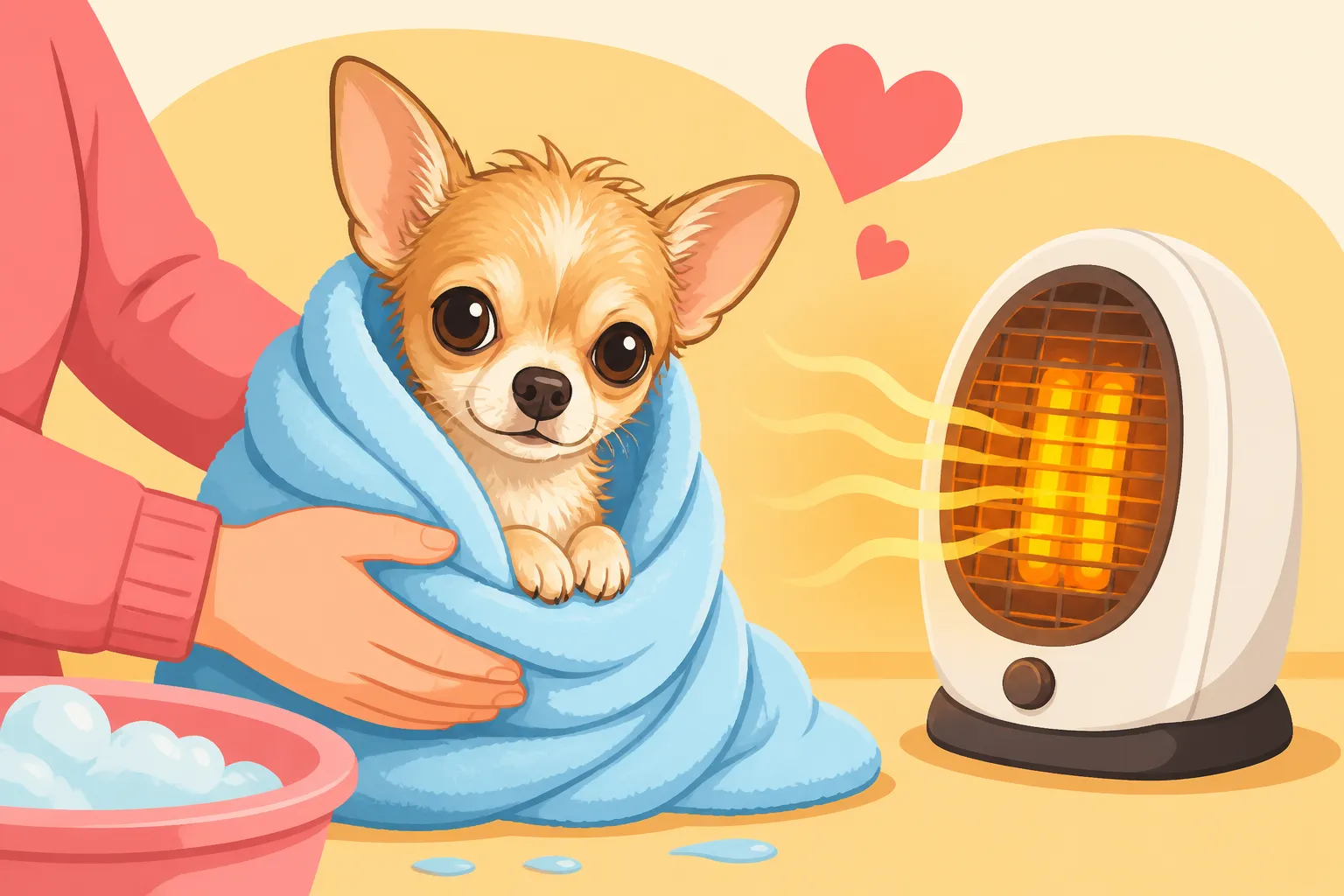
The moment your Chihuahua steps out of the bath, or you lift them from the tub, wrap them immediately in that super-absorbent microfiber towel. Don't just place it on them; actively cocoon them. Then, gently but firmly, pat and squeeze their fur to remove as much standing water as possible. Avoid harsh rubbing, which can damage their delicate coat and skin, especially for long-haired varieties, and lead to tangles and mats. Instead, focus on blotting.
Once the first towel is thoroughly damp, swap it for a fresh, dry one. Continue patting, paying special attention to areas where water tends to linger, such as under their chin, armpits, and around their ears. For Chihuahuas with longer coats, gently work your fingers through their fur to help the towel reach the undercoat. This initial towel drying stage is about speed and efficiency, aiming to get them "damp-dry" before moving to the next step. It significantly reduces the evaporative cooling effect and starts the warming process right away.
Utilizing Gentle Heat Sources
After the bulk of the water is removed with towels, it's time for more targeted drying and warming. If you're using a hairdryer, remember the golden rules: low heat, low speed, and constant motion. Hold the dryer at least 6-8 inches away from your Chihuahua's body, sweeping it back and forth over their fur. Periodically check the temperature of their skin with your hand to ensure it's not getting too warm. You're aiming for warm, dry air, not hot air. Many Chihuahuas are wary of the noise and sensation, so speak in a calm, soothing voice and offer small, high-value treats to make it a positive experience.
Once they are mostly dry to the touch, or if you're not using a hairdryer, immediately wrap them in a warm blanket. You can even use a heated pet bed on a low setting, but always ensure there’s a blanket between the bed and your dog to prevent direct contact with the heating element. Heated Beds and Whether They Are Safe is a great resource to learn more about using these. Position them in a warm, draft-free area of your home, perhaps near a gentle heat vent or a sunny spot. The goal is to keep them from getting another chill.
Monitoring and Maintaining Warmth
The drying process doesn't end when they look dry. Continue to monitor your Chihuahua's body language. Are they still shivering? Are they curled up tightly, or do they seem comfortable and relaxed? Offer them a warm, cozy spot to rest, perhaps in their bed with a freshly laundered blanket that they can burrow into. Many Chihuahuas love creating Blanket Nests and Chihuahua Burrowing. You can find comfortable, size-appropriate beds on Amazon or Chewy, sometimes even with self-warming features built into the bedding material.
It’s important to keep them in a warm environment for at least an hour or two after the bath. Avoid letting them go outside for potty breaks if it's cold or windy, even if they seem dry. A sudden blast of cold air can quickly reverse all your warming efforts. Instead, try to schedule baths for times when outdoor excursions can be postponed, or use an indoor potty pad temporarily. Regular checks of their paws and ears can help you gauge their overall body temperature – they should feel warm, not cold or excessively hot. This sustained warmth is key to preventing any lingering chill.
| Drying Method | Pros | Cons | Best Use Case |
|---|---|---|---|
| Towel Dry Only | Gentle, quiet, low-stress, no equipment needed | Can leave dampness, slow, ineffective for thick coats | Quick refresh, short-coated Chihuahuas in warm climates |
| Low-Heat Hairdryer | Fast, thorough drying, helps fluff coats | Noise can scare some dogs, risk of overheating if misused | All coat types, especially long-haired, in cooler homes |
| Air Dry (Warm Room) | Very gentle, no noise, no equipment needed | Very slow, high risk of evaporative cooling and chilling | Very short-coated Chihuahuas in very warm, draft-free rooms |
Common Pitfalls and How to Avoid Them
Even with the best intentions, it's easy to make mistakes when trying to warm up a tiny Chihuahua. Being aware of these common issues can save your pup from discomfort or even health problems.
Overheating and Skin Irritation
While the primary concern is keeping your Chihuahua warm, it's equally important not to overdo it. Using a hairdryer on too high a setting, holding it too close, or directing it at one spot for too long can quickly lead to burns or skin irritation. Chihuahuas have delicate skin, and what feels merely warm to your hand can be scalding for them. Always keep the dryer moving and use the coolest setting that still provides warmth. You should always be able to comfortably hold your hand in the air stream.
Similarly, leaving a Chihuahua unattended on a high-setting heated pad or under a very hot blanket can cause them to overheat. Signs of overheating include excessive panting, lethargy, bright red gums, or even vomiting. If you notice any of these, immediately move them to a cooler spot and offer fresh water. The goal is gentle, consistent warmth, not intense heat. It’s a fine balance, but one you'll quickly master as you learn your individual Chihuahua's preferences.
Rushing the Drying Process
Patience is a virtue when drying a Chihuahua. Rushing through the drying process, especially for long-coated varieties, means leaving dampness deep within their fur. This residual moisture can continue the evaporative cooling effect, making them prone to chills even hours later. Worse, damp fur can become a breeding ground for bacteria or fungus, leading to skin issues.
Take your time with both towel drying and any hairdryer usage. Ensure their undercoat is dry, not just the outer layer. If you have a long-haired Chihuahua, gently part their fur with your fingers as you dry to expose the skin and undercoat. After drying, give them a good brushing – for tips on this, see Drying a Chihuahua Quickly After a Bath or Smooth Coat and Long Coat Chihuahua Grooming. Not only does this help remove any lingering dampness and prevent mats, but it also stimulates circulation, helping to distribute warmth throughout their body. A fully dry, warm Chihuahua is a happy and healthy Chihuahua!
Disclaimer
This article is for general informational purposes only and does not constitute professional advice. Laws, prices and regulations vary by location and change over time. Consult a qualified professional for guidance on your specific situation.