Shortening Chihuahua Walks in Winter
It's that time of year again when the leaves are gone, the air bites, and the thought of stepping outside for a walk with your tiny Chihuahua can feel like a Herculean effort. We all want our little companions to get their exercise and mental stimulation, but the brutal reality is that winter weather poses real risks to their delicate systems, making those cheerful twenty-minute strolls a distant memory. This guide will walk you through adapting your Chihuahua's outdoor routine for winter, ensuring they stay warm, safe, and happy even when the mercury drops.
Why Winter Walks Are Different for Chihuahuas
Let's face it, our Chihuahuas aren't built for arctic exploration. Their diminutive size, often sparse coats, and distinct physiology mean they experience cold very differently than a big, furry husky. Understanding these differences is the first step to becoming a responsible and empathetic winter-weather Chihuahua parent. It's not just about them being "tough" or "cute" in a sweater; it's about their fundamental health.
The Chihuahua's Unique Physiology in Cold Weather
The most glaring reason Chihuahuas struggle in the cold is their size. Being so small means they have a high surface area to volume ratio, which basically translates to them losing body heat incredibly fast. Think about it: a larger dog has more mass to retain heat, but a Chihuahua's tiny frame just radiates it away into the cold air. They simply don't have the bulk to generate and hold onto warmth effectively.
Compounding this is their naturally low body fat percentage. Unlike many breeds with thick insulation, Chihuahuas, especially the sleek smooth-coat varieties, have very little fat to act as a thermal layer. This lack of natural padding means the cold penetrates quickly, going right to their core. Even long-haired Chihuahuas, while appearing fluffier, often have surprisingly thin single coats that don't offer the dense protection of a double-coated breed. This vulnerability is why shivering often starts almost immediately when they hit cold air; it's their body's desperate attempt to generate warmth. We often think of shivering as fear, but in cold weather, it's often a direct physiological response to being chilled. You can learn more about Why a Chihuahua Has Almost No Body Fat and its implications.
The danger here is not just discomfort, but hypothermia. For a toy breed, a significant drop in body temperature can happen rapidly and lead to serious health issues, including lethargy, muscle stiffness, and even organ failure in extreme cases. Their small lungs are also more susceptible to cold air, which can be particularly problematic for Chihuahuas prone to respiratory issues like collapsing trachea. Keeping them warm isn't optional; it's a matter of safety.
Recognizing the Signs Your Chihuahua is Too Cold
Your Chihuahua can't tell you in words that they're freezing, but their body language will scream it. Learning to read these subtle — and not-so-subtle — cues is vital. The moment you see any of these signs, it's time to cut the walk short and head indoors for warmth. Waiting too long can put them at risk.
The most common and immediate sign is, of course, shivering. While some Chihuahuas shiver when excited or nervous, shivering in cold weather is almost certainly a sign they are chilled. You might notice them hunching their back, tucking their tail tightly between their legs, and pulling their limbs close to their body, trying to make themselves as small as possible to conserve heat. Their ears might feel cold to the touch, and their nose and paw pads could become very cool.
Another clear indicator is reluctance to move. If your normally zippy Chihuahua is lagging behind, stopping frequently, or even trying to lift their paws off the cold ground, they're telling you they're uncomfortable. They might even whine or look up at you with pleading eyes, asking to be picked up. If they start limping or acting stiff, it could be a sign that the cold is affecting their joints or muscles. Pay particular attention if they seem disoriented or unusually drowsy, as these are more severe signs that their body temperature might be dropping dangerously low.
How to Prepare Your Chihuahua for Short Winter Outings
Since completely avoiding the outdoors isn't realistic for most dogs (and certainly not for potty breaks!), the key is preparation. Think of yourself bundled up for a winter storm; your Chihuahua needs the same level of consideration, if not more, for their tiny frame. A little planning goes a long way in turning a potentially miserable outing into a quick, tolerable one.
Essential Winter Gear for Tiny Paws and Bodies
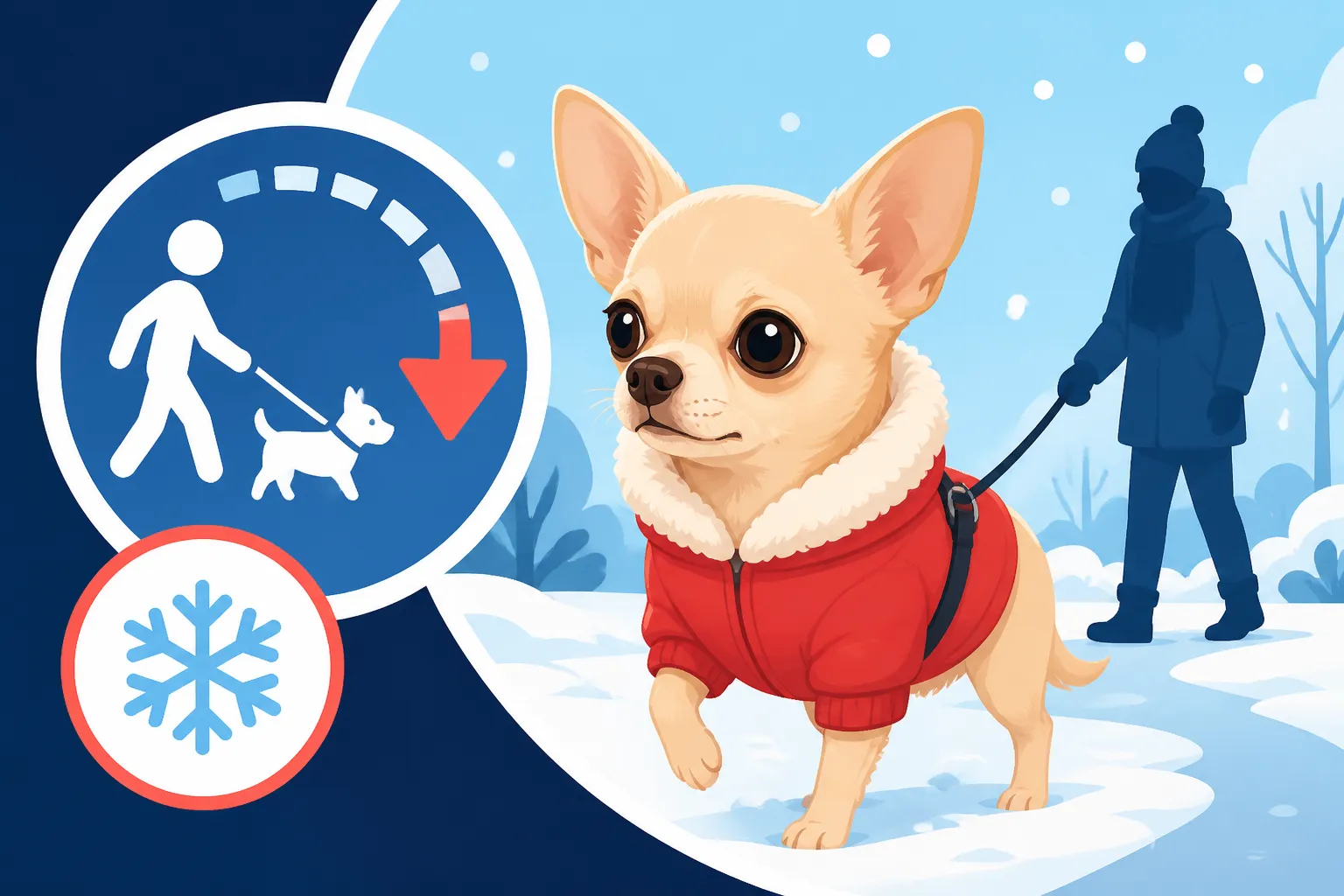
When it comes to keeping your Chihuahua warm, layering is often the most effective strategy, just like for us. Start with a good, insulating sweater. Look for materials like fleece or wool blends that retain heat even if they get a little damp. A snug fit is crucial to prevent cold air from seeping in, but it shouldn't restrict their movement. After the sweater, add a waterproof or water-resistant coat. This outer layer protects them from snow, sleet, and wind, which can strip away body heat rapidly. Brands like Chewy and Amazon offer a huge selection of dog sweaters and coats specifically designed for small breeds, making it easier to find appropriate sizing.
Don't forget their paws! Ice, snow, and especially rock salt or chemical de-icers can be incredibly harsh on delicate Chihuahua paw pads, leading to cracks, irritation, or even chemical burns. Little dog boots are an absolute game-changer. It might take some patience to get your Chihuahua used to them – start with short sessions indoors, rewarding heavily – but they offer vital protection. Make sure they fit securely so they don't slip off, but aren't so tight they cut off circulation. You'll find more details on choosing the right attire in The Sweater Weight a Chihuahua Needs and Chihuahua Winter Coats and Boots. Some even come with reflective strips for added safety during darker winter days.
| Gear Item | Purpose | Key Features for Chihuahuas | Where to Find |
|---|---|---|---|
| Sweater | Core warmth | Snug fit, soft material (fleece, wool blend), doesn't restrict movement | Pet stores, Chewy, Amazon |
| Winter Coat | Weather protection | Waterproof/resistant, windproof, insulated, covers belly | Pet stores, Chewy, Amazon |
| Dog Boots | Paw protection | Non-slip sole, secure fastening, protects from ice/salt/cold | Pet stores, Amazon |
| Paw Balm | Paw maintenance | Moisturizes, protects from dryness/cracks, forms a barrier | Pet stores, specialty brands |
| Harness | Safe walking | Distributes pressure, prevents neck strain (especially if coughing) | Pet stores, online retailers |
Timing and Terrain for Optimal Short Walks
Choosing the right time for your Chihuahua's winter walk can make a huge difference. Mid-day is usually best, as the sun is at its highest and the temperatures are typically the warmest. Avoid early mornings or late evenings when the cold is most biting. Even a difference of a few degrees can be significant for a tiny dog. On especially frigid or windy days, even a quick trip outside might be pushing it, and sometimes skipping the walk in favor of indoor activities is the safest choice. Check the "real feel" temperature, not just the number on the thermometer, as wind chill can be brutal for small dogs.
When it comes to terrain, discretion is the better part of valor. Steer clear of heavily salted sidewalks, which can irritate or burn paws, even through thin boot material. Be mindful of icy patches, as a slip and fall can be dangerous for their fragile joints, especially for a breed prone to Patellar Luxation, the Chihuahua's Commonest Joint Problem. Stick to paths you know are clear and relatively free of hazards. If you have a backyard, even a small, cleared patch can be a lifesaver for quick potty breaks, allowing your Chihuahua to do their business without venturing too far into the elements. Knowing The Coldest Temperature to Walk a Chihuahua can help you make informed decisions about when it's just too cold.
Making the Most of Shorter Walks and Indoor Exercise
Since long, leisurely strolls might be out of the question for much of winter, it's crucial to maximize the impact of brief outdoor excursions and supplement them with plenty of engaging indoor activities. Remember, exercise isn't just about physical exertion; mental stimulation is just as important for a well-adjusted Chihuahua.
Structuring Brief, Purposeful Outdoor Excursions
Instead of aiming for a "walk" in the traditional sense, think of winter outings as highly efficient, purposeful missions. The primary goal is usually a quick potty break and a few moments of sensory enrichment, not distance. Get them geared up, step out, let them do their business, and perhaps allow for a quick sniff of a bush or two before heading straight back inside. This "dash out, dash in" approach minimizes their exposure to the cold while still fulfilling their basic needs.
You can make these short trips more impactful by varying the "sniff spots" in your immediate vicinity. Even exploring a different tree in the yard or a new lamppost on the block can provide novel scents and mental stimulation. Instead of a linear walk, allow them to crisscross and investigate, using their powerful sense of smell. This can be more enriching for them than a longer, monotonous walk on a leash. While typically we advocate for Walking a Chihuahua Twenty Minutes a Day, in winter, this often needs to be dramatically shortened to protect your tiny friend. Reward them generously with praise and maybe a high-value treat (like those from Ollie) upon returning indoors to create a positive association with these quick trips.
Creative Indoor Exercise to Supplement Outdoor Time
When the weather is truly dreadful, or your Chihuahua is simply too sensitive to the cold, bringing the "walk" inside is the only option. Don't underestimate the power of indoor games and activities to burn off energy and keep their minds sharp. Fetch in a hallway or a large living room can provide a surprising amount of cardio for a small dog. Use soft, lightweight toys that won't damage furniture or make too much noise.
Hide and seek, where you hide and call your Chihuahua to find you, is another fantastic way to engage their minds and bodies. Puzzle toys, which dispense treats when manipulated, are excellent for mental enrichment and can keep them occupied for extended periods. Consider spreading their kibble across the floor or hiding it in several spots for a "scavenger hunt" – this taps into their natural foraging instincts. For some Chihuahuas, a gentle game of tug-of-war with a soft toy can also be a good energy burner. Just be mindful of their delicate necks. You'll find many ideas for engaging your pup in Indoor Games for a Chihuahua.
If you have stairs, be cautious. While some Chihuahuas manage them fine, repetitive jumping up and down stairs can put strain on their joints, especially if they are prone to issues like patellar luxation. Consider using Ramps for a Chihuahua Bed and Sofa or other low-impact options to minimize strain. Mental work, like learning new tricks or practicing obedience commands, can be just as tiring as physical exercise, making it an invaluable tool during colder months.
Nutrition and General Care Considerations in Winter
Winter isn't just about walks and sweaters; it subtly impacts other aspects of your Chihuahua's care, particularly their diet and overall well-being. Keeping an eye on these details ensures they remain robust and comfortable throughout the colder season.
Calorie Needs and Hydration in Colder Months
You might think that because your Chihuahua is battling the cold, they need significantly more calories. While very active dogs spending extended time outdoors might, for most Chihuahuas on shorter winter walks, their overall calorie needs may not change drastically. In fact, if they're spending more time sedentary indoors, their calorie requirements might even decrease slightly to prevent weight gain. It’s crucial to continue carefully measuring their food to the gram, remembering that even a few extra kibbles can quickly lead to unwanted pounds on such a tiny frame. Always reference Daily Calories for a Three to Seven Pound Chihuahua and adjust based on their activity level and body condition.
Hydration, however, becomes even more important. Indoor heating can make the air very dry, leading to increased fluid loss through respiration. Ensure your Chihuahua always has access to fresh, clean water. You might even consider placing multiple water bowls around the house to encourage drinking. Some Chihuahuas prefer drinking from ceramic or stainless steel bowls, and some enjoy a pet fountain. Adequate hydration is crucial for all bodily functions, including skin health and immunity, both of which can be challenged by winter conditions.
Protecting Paws and Skin from Winter Elements
Beyond wearing boots, your Chihuahua's paw pads need extra TLC in winter. The combination of cold, dry air indoors and harsh elements like ice, snow, and salt outdoors can lead to cracked, dry, and painful paws. Regular application of a paw balm or wax can create a protective barrier and keep their pads moisturized. Apply it before walks and after, once their paws are clean and dry. Look for non-toxic options, as they will inevitably lick their paws.
After every outdoor excursion, it's a good habit to gently wipe your Chihuahua's paws with a warm, damp cloth. This removes any salt, chemicals, or ice melt residues that could be harmful if ingested or left on their skin. Be diligent, as many de-icing agents are irritating or toxic. You can learn more about how to protect their feet in Salt and Ice Melt on Chihuahua Paws and Chihuahua Paw Protection on Ice and Salt. Beyond paws, dry indoor air can also affect their skin and coat. Regular brushing, even for smooth coats, helps distribute natural oils and can prevent static electricity. Consider a humidifier in the rooms where your Chihuahua spends the most time to add moisture back into the air, benefiting both their skin and respiratory system. Additionally, ensure their bedding is warm and cozy; Chihuahua Bedding That Holds Body Heat is important. Setting your thermostat appropriately and providing warm blankets for burrowing, can help them regulate their temperature better indoors. You can find more tips on this in Setting a Thermostat Around a Chihuahua.
Disclaimer
This article is for general informational purposes only and does not constitute professional advice. Laws, prices and regulations vary by location and change over time. Consult a qualified professional for guidance on your specific situation.