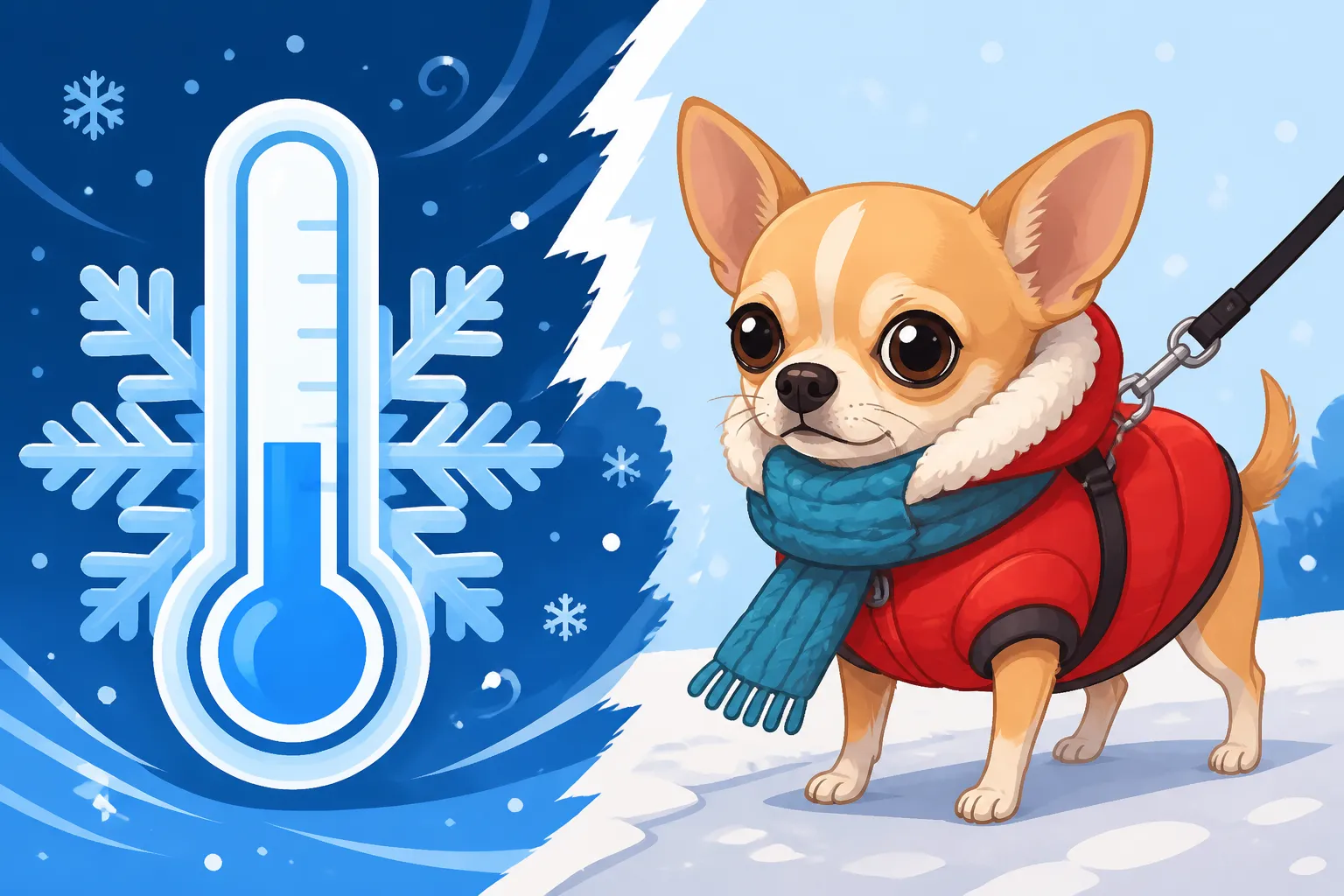
The Coldest Temperature to Walk a Chihuahua
It’s a chilly morning, you’ve bundled up, grabbed your coffee, and now it’s time for your little Chihuahua’s potty break. But as you look at that tiny, shivering bundle, a nagging question hits you: just how cold is too cold for a Chihuahua? It’s a completely valid concern that every Chihuahua parent grapples with, because these adorable little dogs, despite their huge personalities, are not built for harsh winters. This guide is here to walk you through exactly how to tell when the temperature is dropping too low, why it affects them so much, and how you can keep your tiny companion safe and comfortable when the mercury dips.
Understanding Your Chihuahua's Cold Tolerance
It might seem obvious that a small dog gets cold easily, but with Chihuahuas, it's a whole different ballgame. They're not just small; they have unique physiological traits that make them incredibly susceptible to the cold. As a Chihuahua parent, you've probably witnessed the dramatic shivers even on a moderately cool day, and it's not always just fear.
Why Chihuahuas Are Prone to Chills
Let's be real, Chihuahuas are pint-sized marvels, but that tiny stature comes with some specific vulnerabilities when it comes to temperature regulation. First and foremost, they simply don't have the body mass or fat reserves that larger breeds do. Think about it: a Golden Retriever has a good insulating layer of fat and muscle, but your Chihuahua? They're often lean, even at a healthy weight. This lack of natural insulation means their bodies lose heat much faster than they can generate it. It’s like us trying to stay warm in a light jacket when everyone else has a thick parka.
Then there's the coat. While some Chihuahuas, like the long-haired variety, have a bit more fur, even that isn't dense enough to truly protect them from biting winds or freezing temperatures. Smooth-coat Chihuahuas have practically no insulation at all; their fur is incredibly fine and lies close to their skin, offering minimal protection. So, that cute sweater isn't just a fashion statement; it's a necessity for these little guys. You might wonder, Why a Chihuahua Has Almost No Body Fat, and it truly boils down to their genetic makeup as a toy breed. They simply weren't designed for arctic conditions.
Reading the Signs: Is Your Chihuahua Too Cold?
Your Chihuahua can't just tell you they're cold, so it's up to us, their devoted caregivers, to be vigilant. The most obvious sign, and one you've probably seen a thousand times, is shivering. While sometimes a Chihuahua shivers out of excitement or fear, persistent shivering, especially when they're not overtly stressed, is a clear indicator they're trying to generate warmth. This isn't just cute; it's their body expending precious energy to stay warm. You should learn to differentiate this from stress or fear, as sometimes the reasons overlap, but consistent cold shivering is unmistakable. For more on this, you can look into Telling Chihuahua Cold From Chihuahua Fear.
Beyond shivering, watch for other cues. Is your Chihuahua trying to burrow under blankets, into your lap, or pressing against you intensely? That's them seeking warmth. Are their ears cold to the touch? Their paws? These are areas where heat escapes quickly. You might also notice them curling up into a tight ball, tucking their paws under their body, or even lifting a paw off the ground, all attempts to conserve body heat. In more severe cases, they might move slower, become lethargic, or whine, indicating genuine discomfort or even pain from the cold. A Chihuahua’s tiny paws are particularly vulnerable, so pay attention to how they walk.
Determining the "Too Cold" Threshold
There isn't a magic number that applies to every single Chihuahua, every single day. Factors like wind chill, dampness, and even your dog's individual health can play a huge role. But we can certainly establish some helpful guidelines to make those winter walks safer.
Factors Beyond Just Temperature
When you check the weather app, don't just look at the thermometer. The "feels like" temperature is often more important for a Chihuahua. A sunny, still day at 40°F might be perfectly fine for a short, brisk walk with a sweater, but a windy, damp day at the same temperature could be miserable and even dangerous. Wind chill can strip heat from their tiny bodies incredibly fast, and dampness makes everything feel much colder by reducing the insulating properties of their fur and clothing.
Consider your Chihuahua's age and health, too. A spry, healthy adult Chihuahua might tolerate a bit more cold than an elderly one with Chihuahua Arthritis in the Teenage Years or a puppy who hasn't fully developed its thermoregulation. Chihuahuas with conditions like Chihuahua Heart Disease as the Breed Ages might have compromised circulation, making them even more vulnerable to cold. Always consult your vet if you're unsure about cold weather activity for a Chihuahua with a pre-existing health condition. Their overall body condition also matters; a Chihuahua that is underweight has even less natural insulation.
General Temperature Guidelines for Chihuahuas
So, what are those numbers we're looking for? Here's a general guideline, but remember, these are just starting points, and you should always observe your individual dog.
- Above 45°F (7°C): Most healthy Chihuahuas are generally fine for a typical walk, especially if they are wearing a light sweater or coat. Keep an eye on them for shivering, but for many, this is a comfortable range.
- 32°F – 45°F (0°C – 7°C): This is where you absolutely need to start taking precautions. A sweater or coat is no longer optional; it's essential. Keep walks short—10 to 15 minutes max—and avoid lingering in shaded or windy areas. If your Chihuahua starts shivering, it’s time to head inside immediately.
- Below 32°F (0°C): This is generally considered too cold for most Chihuahuas, even with protective gear. The risk of hypothermia and frostbite increases significantly. Short potty breaks are fine, but even those should be quick, just long enough for them to do their business, then back inside to warmth.
- Below 20°F (-6°C): At this point, outdoor exposure should be limited to absolutely essential potty breaks, lasting only a minute or two. This is dangerously cold for Chihuahuas. Many owners find it best to use indoor potty solutions, like pee pads or artificial grass patches, when temperatures drop this low.
Here’s a quick reference table:
| Temperature Range | Chihuahua Safety Level | Recommended Action |
|---|---|---|
| Above 45°F (7°C) | Generally Safe | Normal walks; consider a light sweater for smooth coats or thin-haired dogs. |
| 32°F – 45°F (0°C – 7°C) | Caution | Essential: Sweater/coat. Keep walks short (10-15 min). Monitor for shivering. Avoid wind/damp. |
| 20°F – 31°F (-6°C – 0°C) | High Risk | Critical: Full winter gear (coat, booties). Very short potty breaks (5 min max). Observe for extreme cold signs. |
| Below 20°F (-6°C) | Dangerous / Extreme Risk | Avoid outdoor exposure. Only quick potty breaks (1-2 min). Consider indoor potty solutions. High hypothermia risk. |
Always remember, this table is a guide. Your individual Chihuahua's tolerance may vary. Some Chihuahuas are just more sensitive to cold, no matter the preparation.
Essential Gear and Precautions for Cold Weather Walks
Even when it's not bone-chillingly cold, proper gear is paramount for your Chihuahua during winter. You wouldn't go out in a snowstorm in a t-shirt, and neither should your tiny companion.
Layering Up: Choosing the Right Winter Wear
This is where the adorable Chihuahua wardrobe becomes a true lifesaver. A good quality sweater or coat isn't just for show; it's a vital piece of insulation. For most cold days (above 32°F), a well-fitting, fleece-lined coat or a thick wool sweater will do wonders. Brands available on sites like Chewy and Amazon offer a huge variety, often with waterproof exteriors for snowy or damp conditions. When looking for The Sweater Weight a Chihuahua Needs, consider their individual build and coat type. Smooth coats will generally need more substantial warmth than long coats.
On truly frigid days, or if your Chihuahua is particularly sensitive, consider layering. A thin, thermal undershirt can go under a thicker coat. This provides extra insulation, much like our own base layers. Make sure whatever you choose fits snugly but doesn't restrict movement or breathing. Pay attention to coverage—does it protect their belly from snow and cold ground? Many Chihuahuas have sparse fur on their underside, making their bellies very vulnerable. Also, think about how easily you can get it on and off, especially when dealing with a wiggling, cold pup! For extreme conditions, you might even consider Chihuahua Coats for Rain and Snow that offer full body coverage.
Protecting Tiny Paws from the Elements
Chihuahua paws are delicate. The pads are sensitive, and the small surface area means they lose heat quickly and are susceptible to frostbite. Beyond the cold, winter walks often expose their paws to harsh elements like ice melt chemicals, sharp ice shards, and road salt, which can be irritating, painful, and even toxic if licked off.
This is where booties come in. Yes, your Chihuahua might look a little silly at first, doing the "bootie dance," but they are incredibly effective. Look for booties that are truly waterproof, have good traction, and can be secured tightly around their ankles so they don't slip off. It might take some practice to get your Chihuahua used to wearing them, but it's worth the effort. Start with short periods indoors, rewarding them heavily. If booties are a non-starter, consider a paw balm or wax. Products like Musher's Secret create a protective barrier against salt and ice. Apply it before the walk and wipe their paws thoroughly afterward to remove any residue. Don't underestimate the dangers of Salt and Ice Melt on Chihuahua Paws; it can cause chemical burns or severe upset stomachs if ingested.
Safe Walking Practices in Winter
Even with the best gear, your winter walks need to be managed differently than summer strolls. Keep them short. As mentioned in the table, anything beyond 10-15 minutes in colder temperatures (below 45°F) is usually too much. The goal is to get their business done and stretch their legs a bit, not to have a long, leisurely exploration. For more on appropriate duration, you can check Shortening Chihuahua Walks in Winter.
Avoid icy patches, deep snow, or areas treated with harsh chemicals. These can lead to slips, falls, injuries, or chemical exposure. If possible, stick to well-maintained paths or areas with natural snow that isn't too deep for their little legs. If your Chihuahua has Collapsing Trachea and the Chihuahua Honking Cough, cold, dry air can exacerbate their symptoms, so keeping walks brief is even more crucial.
Always leash your Chihuahua, even in a fenced yard, to prevent them from wandering into potentially dangerous cold spots or getting lost in snowy conditions. Remember, cold can disorient them. When you come back inside, immediately remove any wet clothes and dry them thoroughly with a towel. Check their paws for any redness, cracking, or signs of frostbite.
When Outdoor Walks Aren't an Option
There will inevitably be days when the weather is simply too severe for any outdoor activity for your Chihuahua. This doesn't mean their exercise and mental stimulation have to suffer!
Indoor Exercise Solutions for Your Chihuahua
On days when the wind howls and the snow piles up, you need a plan B for exercise. Fortunately, Chihuahuas are small, making indoor exercise quite feasible. Fetch is a classic. Use soft, lightweight toys that won't damage furniture or cause injury if they hit something. You can roll a ball down a hallway or across a living room. Even short bursts of fetch can burn off surprising amounts of energy. Indoor Games for a Chihuahua can be incredibly effective.
Another great option is a game of "hide and seek" with treats or their favorite toy. Start easy, then make it more challenging. This not only gets them moving but also engages their brain, which is just as important as physical exercise. Using a laser pointer (safely, never shining it directly in their eyes) can also encourage chasing and quick bursts of movement. You might also want to explore gentle tug-of-war with appropriate toys, keeping sessions short to protect their tiny necks and teeth. Even just walking around your house, encouraging them to follow you from room to room, can add up to some steps for them. Remember, How Much Exercise a Chihuahua Actually Needs isn't always about long hikes; consistent, short bursts of activity are often more beneficial for them.
Keeping Their Minds Active Indoors
Mental stimulation is crucial for Chihuahuas, preventing boredom and potential behavioral issues like excessive barking or destructive chewing. Puzzle toys are fantastic for this. Fill them with a portion of their daily kibble or small, healthy treats. Brands like Kong and Nina Ottosson (available on Amazon or Chewy) make a range of sizes, so you can find one perfectly suited for a Chihuahua's tiny mouth and intellectual capacity. Even simple snuffle mats, where they have to use their nose to find hidden treats, provide excellent mental enrichment.
Practice new tricks or reinforce old ones. Chihuahuas are incredibly smart and love to learn. Five-minute training sessions several times a day can be very rewarding for both of you. You can teach them "spin," "weave" through your legs, or even more complex tricks. For treats, you might consider small, high-value options from brands like Ollie, which often come in freeze-dried formats that can be broken into tiny, calorie-appropriate pieces.
Even just engaging in calm, focused play or a good cuddle session can be mentally stimulating. Allow them to "help" you with chores by following you around or supervising from their warm bed. A happy, mentally stimulated Chihuahua is a healthier Chihuahua, no matter the weather outside!
Disclaimer
This article is for general informational purposes only and does not constitute professional advice. Laws, prices and regulations vary by location and change over time. Consult a qualified professional for guidance on your specific situation.