The Sweater Weight a Chihuahua Needs
It's a familiar sight for any Chihuahua parent: that unmistakable shiver, even when you're feeling perfectly comfortable yourself. Our little dogs aren't just being dramatic; they genuinely feel the cold more intensely than larger breeds, and trying to figure out what kind of clothing actually helps them can feel like a guessing game. This guide is here to cut through the confusion and help you understand exactly what "sweater weight" means for your tiny companion, ensuring they stay cozy and safe, whether snuggled on the couch or venturing outdoors.
Why Chihuahuas Get So Cold: The Science Behind the Shiver
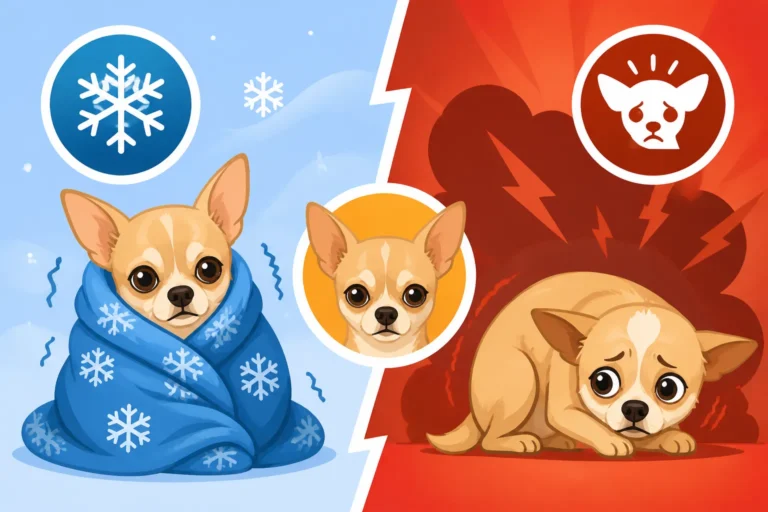
Many people assume Chihuahuas are just naturally "shaky" or "nervous," but often, that tell-tale tremble is their body's way of telling you they're cold. It's not just a cute quirk; it's a physiological response rooted in their unique physical makeup. Understanding why they get cold helps us choose the right gear to keep them comfortable.
Tiny Body Mass and Minimal Fat Stores
One of the biggest factors is pure physics: Chihuahuas have an incredibly small body mass compared to their surface area. Think about it – a tiny dog has a lot of skin exposed relative to the volume of its body. This means they lose heat to the environment much faster than a big dog with more internal mass to retain warmth. On top of that, Chihuahuas are lean little creatures. They simply don't have the thick layer of insulating body fat that many larger breeds possess. Imagine trying to stay warm on a chilly day with very little natural padding; that's your Chihuahua's reality. This lack of natural insulation means that when the temperature drops, their core body temperature can plummet quickly, triggering that characteristic shivering. They’re simply not built for cold weather, a stark contrast to a Siberian Husky, for example. If you’ve ever wondered Why a Chihuahua Has Almost No Body Fat, this explains a lot.
Fast Metabolism and Heat Loss
Chihuahuas also have a very high metabolism. While this helps them generate heat internally, it's a double-edged sword. A faster metabolism burns through energy quickly, and the heat produced dissipates just as rapidly from their small bodies. This is why they need to eat frequently, especially as puppies, to maintain their blood sugar and energy levels; a drop can quickly lead to more serious issues like hypoglycemia. Their small size combined with this rapid metabolic rate means they are constantly fighting to maintain a stable body temperature. When they exert themselves or are excited, their metabolism kicks into an even higher gear, sometimes leading to panting, but once they settle, that rapid heat loss can set in if they're not adequately covered. It's a delicate balance their tiny systems manage every single day.
The Role of Coat Type
When we talk about Chihuahua warmth, coat type definitely plays a role. We have two main varieties: the smooth coat (short hair) and the long coat. A smooth coat Chihuahua, with its sleek, often very fine hair, offers minimal insulation. It's like wearing a thin t-shirt in winter – better than nothing, but not much protection. These Chihuahuas are particularly susceptible to cold and almost always need a sweater or coat when temperatures dip. On the other hand, a long coat Chihuahua has a denser, often softer double coat, which does provide a bit more natural insulation. They have that lovely ruff around their neck and feathering on their legs and tail. While this extra fur helps, it's still not enough to make them truly cold-hardy, especially in severe weather. They will still shiver and seek warmth when it's chilly, but they might tolerate a slightly cooler temperature than their smooth-coated counterparts before needing an extra layer. Still, even with a long coat, they're not meant for prolonged exposure to cold. You might be surprised to learn Whether a Long Coat Chihuahua Stays Warmer, but the answer is usually "not by much!"
Understanding Different Sweater Weights and Materials
Choosing a sweater isn't just about picking a cute pattern. The weight and material are crucial for providing the right level of warmth for your Chihuahua. Just like our own clothing, different fabrics and constructions offer varying degrees of insulation.
Lightweight vs. Medium Weight vs. Heavy Duty
Let's break down what these "weights" mean in terms of canine apparel:
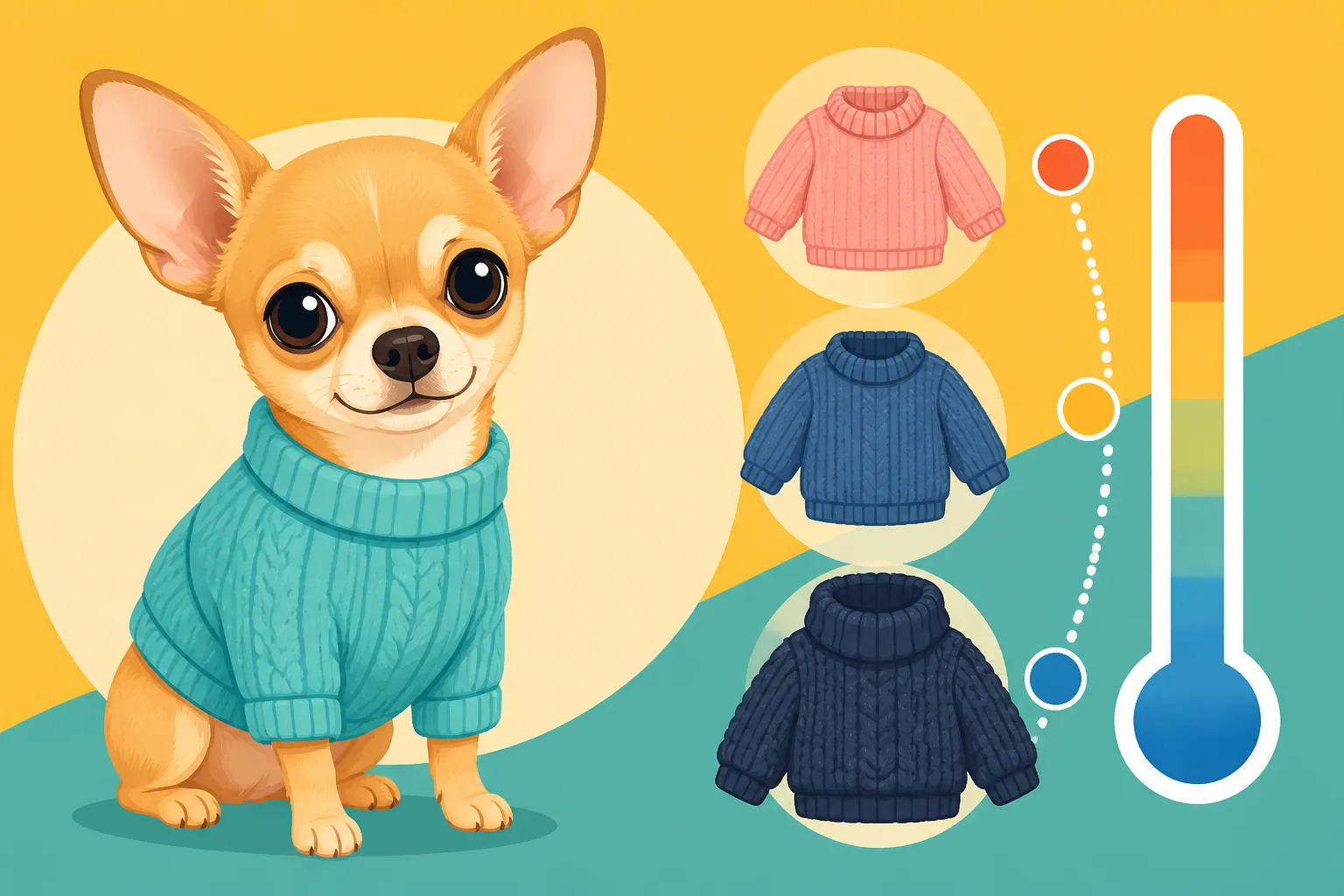
- Lightweight sweaters: These are typically made from thin cotton or a very fine knit blend. They offer a slight barrier against a cool breeze or a chilly indoor environment. Think of them as a long-sleeve tee for your Chihuahua. They're great for those slightly crisp spring or autumn days, or if your home runs a little cool but not truly cold. They don't add bulk, so your Chihuahua can move freely and comfortably. They're not designed for serious outdoor protection in cold weather, but rather to take the edge off a minor chill.
- Medium-weight sweaters: These are usually thicker knits, fleeces, or cotton blends with a bit more heft. They provide a noticeable level of warmth and are a good all-rounder for cooler indoor temperatures, milder winter days, or brisk outdoor walks. They offer more insulation than a lightweight option without being overly restrictive. Many common dog sweaters you find from retailers like Chewy or Amazon fall into this category, offering a good balance of warmth and comfort for everyday use.
- Heavy-duty (or insulated) coats/sweaters: When we talk about heavy-duty, we're often moving into true coats rather than just sweaters. These are designed for real cold, featuring thicker insulation like synthetic fill, sometimes a waterproof or windproof outer shell, and often fleece lining. They're built to protect your Chihuahua in freezing temperatures, snow, or harsh winds. These are essential for outdoor excursions in winter climates and are significantly warmer than a simple knit sweater.
Common Fabrics and Their Warmth Properties
The material dictates how well a sweater will insulate your Chihuahua:
- Cotton blends: Often found in lightweight and medium-weight options, cotton is breathable and soft. It's comfortable for indoor wear but doesn't offer much warmth when wet and isn't the best insulator for truly cold outdoor conditions. It's a good choice for comfort in mildly cool settings.
- Fleece: This synthetic material (often polyester) is fantastic for Chihuahuas. It's soft, lightweight, and provides excellent insulation, trapping air close to the body. Fleece also has the benefit of retaining some warmth even when damp, and it dries relatively quickly. It's a go-to for medium to heavy-weight sweaters and linings in more robust coats.
- Wool/Wool blends: Natural wool is an exceptional insulator, renowned for its warmth even when wet. However, pure wool can sometimes be scratchy or irritating for sensitive skin, and it can be heavier. Wool blends offer some of wool's benefits with added softness or stretch from other fibers. These are often found in higher-end or handmade options.
- Synthetic insulated materials (e.g., polyester fill): Used in puffer-style coats, these materials create pockets of air that trap heat, offering serious warmth without excessive weight. They're often combined with a water-resistant outer layer to protect against snow and rain, making them perfect for true winter weather.
Considerations Beyond Just Fabric
Beyond the material itself, consider the design. A sweater that covers more of your Chihuahua's back and belly will naturally be warmer. Some designs even have a high collar or hood to protect the neck and ears, which is a huge plus for these tiny pups who lose a lot of heat from their head and neck area. Layering is also an option – a thin fleece under a windbreaker coat can be more effective than a single very thick item, allowing you to adjust as needed.
Matching Sweater Weight to the Weather and Activity
Choosing the right sweater weight isn't a one-size-fits-all situation. It truly depends on the ambient temperature, whether you're indoors or out, and what your Chihuahua will be doing. Getting this right is key to their comfort and health.
Indoor Comfort vs. Outdoor Adventures
A Chihuahua's needs inside the house are vastly different from their needs when venturing out. Indoors, if your home is kept at a comfortable human temperature (say, 70-72°F), your smooth-coat Chihuahua might still appreciate a lightweight sweater if they tend to shiver, especially if they like to nap near a drafty window or on a cold floor. A long-coat Chihuahua might be fine without one, or just need it for lounging. However, if your thermostat drops to, say, 65°F or lower, then even a long-coat will likely benefit from a medium-weight sweater indoors. Many Chihuahuas love to burrow under blankets, and a sweater simply adds to their personal "nest" of warmth.
Once you step outside, the game changes entirely. Wind, humidity, and direct cold air penetrate much faster than still indoor air. A lightweight sweater that was fine inside won't cut it when you're out for a walk in 50°F weather with a breeze. For outdoor adventures, you almost always need to size up in "warmth weight."
Spring and Fall Chill
Those crisp, beautiful days of spring and fall, when the sun is out but there's a definite chill in the air, are perfect for lightweight or medium-weight sweaters.
- Lightweight: Think of temperatures ranging from 55-65°F (around 13-18°C). A thin cotton or light knit sweater will provide just enough warmth to take the edge off the air without causing overheating during a short walk around the block. This is especially true for smooth-coat Chihuahuas who start to feel the cold much quicker.
- Medium-weight: When the thermometer dips into the 45-55°F (7-13°C) range, or if it's windy, a medium-weight fleece or thicker knit is a much better choice. These provide more substantial insulation, ensuring your little one stays comfortable during their potty breaks or a slightly longer stroll. These are ideal for those "in-between" seasons where the weather can be unpredictable, preventing that tell-tale shiver.
Deep Winter and Snow
This is where the heavy-duty gear truly shines. When the temperatures plummet below 40°F (4°C), and especially when you get into freezing territory, your Chihuahua needs serious protection.
- Heavy-duty/Insulated Coats: For anything from 32-40°F (0-4°C), a good insulated coat is vital. If it drops below freezing, or if there's snow, ice, or biting wind, you absolutely need a coat with significant insulation and, ideally, a water-resistant or waterproof outer layer. Brands like Chewy and Amazon offer a wide selection of robust winter coats for small breeds that are specifically designed for harsh conditions. These often feature fleece linings, synthetic fill, and good coverage over the back and belly. Remember, even a quick trip outside for a potty break in freezing temperatures can be a shock to their system. Don't forget their paws! Consider adding boots to protect against ice, salt, and extreme cold, as discussed in Chihuahua Winter Coats and Boots. It's crucial to minimize their exposure during these cold periods, as their small bodies can lose heat rapidly. You'll want to be especially careful about The Coldest Temperature to Walk a Chihuahua.
Rain, Wind, and Other Elements
It’s not always just about the temperature. Wind chill can make a 50°F day feel like 30°F to a tiny Chihuahua, stripping away their body heat at an alarming rate. Similarly, rain can quickly soak through a regular knit sweater, making your dog even colder.
- Windproof Layers: For windy days, a windbreaker-style jacket over a lighter sweater can make a world of difference. Many heavy-duty winter coats already incorporate windproof properties.
- Water-Resistant/Waterproof Coats: If rain or wet snow is in the forecast, a water-resistant or waterproof coat is non-negotiable. It keeps their underlying fur dry, which is paramount for warmth. A wet dog gets cold much faster than a dry one, even if the air temperature isn't freezing. Look for coats with sealed seams and materials designed to shed water.
Finding the Right Fit and Ensuring Comfort
A sweater is only effective if it fits properly. A poorly fitting sweater can be uncomfortable, restrict movement, or, ironically, not provide the warmth it's intended to. It's a common mistake to just guess a size, but a few measurements can make all the difference for your Chihuahua's comfort and safety.
The Importance of a Snug, Not Tight, Fit
The goal is to find a sweater that is snug enough to trap body heat close to your Chihuahua's body, but not so tight that it restricts their breathing, movement, or causes chafing. A sweater that's too loose will allow cold air to circulate underneath, negating its warming effect. One that's too tight, on the other hand, can be painful, especially around the chest, armpits, or neck.
To get the best fit, you'll typically need three measurements:
- Girth (Chest Circumference): This is the most critical measurement. Measure around the widest part of your Chihuahua's chest, just behind their front legs. This should be a comfortable measurement, not pulled tight.
- Length (Back Length): Measure from the base of your Chihuahua's neck (where the collar sits) to the base of their tail.
- Neck Circumference: Measure around the base of their neck.
Always compare these measurements to the sizing chart provided by the manufacturer. Don't just go by "small" or "extra-small," as these can vary greatly between brands. A Chewy house brand might size differently than another brand also sold on Amazon. When trying on, you should be able to easily slip two fingers under the sweater at the neck and chest. This indicates a good, snug but not restrictive fit.
Avoiding Chafing and Discomfort
Because Chihuahuas have such delicate skin and fine fur, they are prone to chafing if a sweater is ill-fitting. Pay close attention to these areas:
- Armholes: These should be large enough that they don't rub or restrict shoulder movement. If the armholes are too small or positioned incorrectly, they can dig into your Chihuahua's sensitive armpit area, leading to redness, irritation, or even sores over time.
- Neckline: The neck opening should be comfortable and not choke your dog, but also not so loose that it sags or allows cold air in. High collars that come up the neck can be wonderful for warmth but ensure they don't put pressure on the windpipe, especially for Chihuahuas prone to Collapsing Trachea and the Chihuahua Honking Cough.
- Belly Coverage: For male Chihuahuas, ensure the belly part of the sweater is cut high enough that it doesn't interfere with urination. A wet sweater is a cold, irritating sweater! Look for designs that are tailored for male dogs or that have a wide enough opening to prevent accidents.
After putting on a new sweater, watch your Chihuahua for a few minutes. Are they moving naturally? Are they trying to bite or scratch at the sweater? Do they seem uncomfortable? These are all signs that the fit might be off.
Getting Your Chihuahua Used to Wearing Clothes
Some Chihuahuas take to clothing immediately, acting like tiny fashionistas. Others, not so much. If your Chihuahua is new to sweaters, introduce them slowly and positively.
- Start with short periods: Put the sweater on for just a few minutes, supervising closely.
- Pair with positive reinforcement: Offer treats, praise, or a favorite toy immediately after putting the sweater on. Make it a fun experience!
- Distraction is key: Distract them with play or a meal while wearing the sweater. This helps them forget they're wearing it.
- Gradually increase wear time: As they get more comfortable, increase how long they wear it.
- Avoid forcing it: If your Chihuahua is genuinely stressed or unhappy, take the sweater off and try again later. Forcing it can create a negative association.
It's a process, but with patience and positive reinforcement, most Chihuahuas can learn to tolerate, and even enjoy, their warm layers. For more tips on this, check out Getting a Chihuahua Used to Wearing Clothes.
Sweater Selection Guide for Chihuahuas
To help you visualize the best choices, here’s a quick guide to matching sweater weight and material to conditions.
| Condition | Recommended Sweater Weight | Ideal Material(s) | Key Features to Look For |
|---|---|---|---|
| Indoor Chill (65-70°F) | Lightweight | Cotton, light knit | Breathable, soft, non-restrictive |
| Mild Outdoor (50-60°F) | Medium-weight | Fleece, thicker knit, wool blend | Good insulation, comfortable, full back/belly coverage |
| Cool Outdoor (40-50°F) | Medium-weight to Insulated | Fleece, wool blend, light puffer | Better insulation, possibly wind-resistant, high collar |
| Cold Outdoor (30-40°F) | Heavy-duty / Insulated | Fleece-lined puffer, thick wool | Significant insulation, good coverage, potentially water-resistant |
| Freezing/Snow (<30°F) | Heavy-duty / Insulated | Waterproof/windproof shell, thick synthetic fill, fleece lining | Maximum insulation, waterproof, windproof, high collar, belly protection |
| Rainy/Damp (any temp) | Water-resistant/Proof Coat | Coated nylon, polyurethane, softshell | Sheds water, quick-drying (worn over appropriate sweater) |
| Windy (any temp) | Windbreaker or Insulated | Nylon, softshell, densely woven | Blocks wind, can be layered over lighter sweater |
Disclaimer
This article is for general informational purposes only and does not constitute professional advice. Laws, prices and regulations vary by location and change over time. Consult a qualified professional for guidance on your specific situation.