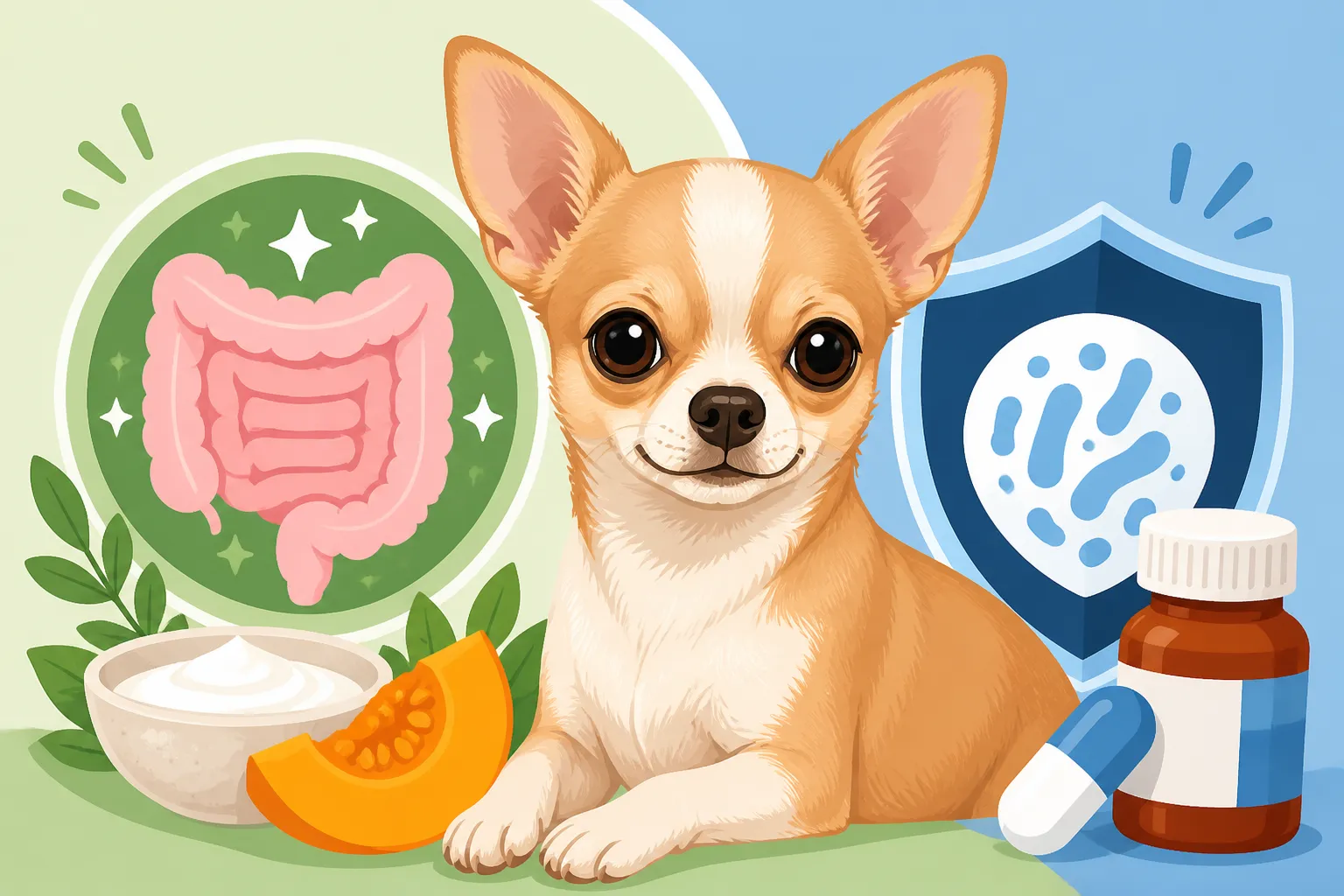
Gut Support for a Chihuahua on Antibiotics
It's incredibly frustrating when your tiny Chihuahua, already prone to delicate health, needs antibiotics. While these medications are lifesavers for bacterial infections, they can wreak absolute havoc on a small digestive system, leading to uncomfortable issues like diarrhea, vomiting, and a general feeling of malaise. This guide is all about helping you understand why antibiotics can be so tough on your little one's gut and, more importantly, how you can proactively support their digestive health during and after treatment.
Understanding Why Antibiotics Affect a Chihuahua's Gut
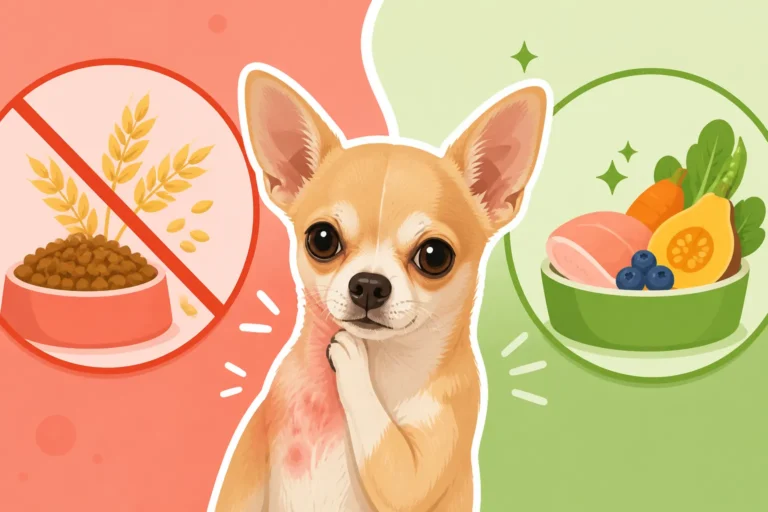
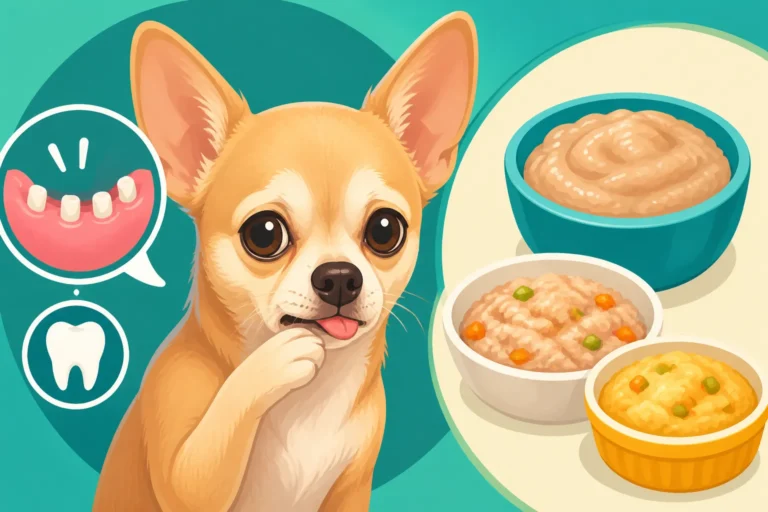
When your veterinarian prescribes antibiotics for your Chihuahua, it's usually for a good reason – maybe a pesky Chihuahua Ear Infections and Big Open Ears, a skin infection that's causing bald patches from Chihuahua Skin Allergies and Hair Loss, or perhaps even a severe dental issue requiring extractions that comes with Chihuahua Dental Disease in a Crowded Small Jaw. The problem is, these powerful medications, designed to kill harmful bacteria, aren't very good at distinguishing between the "bad" guys and the "good" guys living in your dog's gut.
The Delicate Balance of a Chihuahua's Gut Microbiome
Think of your Chihuahua's gut as a bustling city, teeming with trillions of microorganisms – bacteria, fungi, viruses, and more – all working together in a complex ecosystem called the microbiome. This inner city is crucial for everything from digesting food and absorbing nutrients to maintaining a strong immune system. When the balance is just right, your Chihuahua's tummy is happy, their poops are solid, and they're generally feeling great. It's a finely tuned system, especially in such a small creature.
In a Chihuahua, this delicate balance is arguably even more precarious. Their digestive tracts are tiny, and any disruption can have a magnified effect. What might cause a mild rumble in a larger dog could lead to significant distress and dehydration in a four-pound Chihuahua. Their small size means their systems are less buffered against sudden changes, making that gut microbiome balance incredibly important for their overall well-being.
When the good bacteria thrive, they create an environment that suppresses the growth of harmful pathogens, helping to prevent issues like yeast overgrowth or opportunistic bacterial infections. They also produce beneficial compounds, like short-chain fatty acids, which nourish the gut lining and support immune function. It’s a foundational aspect of their health, and something we often take for granted until it goes awry.
How Antibiotics Disrupt This Balance
The primary function of antibiotics is to eliminate bacteria. Unfortunately, they're not always selective. While they target the specific bacteria causing your Chihuahua's infection, they also act like a carpet bomb, wiping out a significant portion of the beneficial bacteria in the gut alongside the pathogens. This widespread destruction disrupts the delicate balance of the microbiome, leading to an imbalance known as dysbiosis.
Once the good bacteria are depleted, there's less competition for the less desirable microorganisms, like certain types of yeast or harmful bacteria, which can then proliferate unchecked. This overgrowth can cause inflammation in the gut, leading to the classic signs of antibiotic-associated diarrhea. It can also impair nutrient absorption, leaving your Chihuahua feeling lethargic and generally unwell, even if their primary infection is improving.
The aftermath of antibiotic use can linger long after the medication is finished. It can take weeks, or even months, for a dog's microbiome to fully recover its original diversity and balance. During this recovery period, your Chihuahua might remain more susceptible to digestive upsets, allergies, or other immune-related issues. This is why supportive care during and after antibiotics isn't just a temporary fix but an investment in their long-term health.
Signs of Gut Upset in a Small Dog
Recognizing the signs of gut upset in a Chihuahua is crucial, as their small size makes them more vulnerable to dehydration and rapid decline. The most common sign is diarrhea, which can range from soft stools to watery, explosive episodes. You might also notice an increase in frequency or urgency when they need to go outside, or even accidents indoors if they can't hold it. Pay close attention to any changes in stool consistency or color.
Beyond diarrhea, other indicators include vomiting, a reduced appetite, or a sudden loss of interest in their food. They might seem lethargic, less playful, and generally "off." Some Chihuahuas might even show signs of abdominal discomfort, such as hunching their back, stretching excessively, or being reluctant to be picked up or have their belly touched. A Chihuahua That Cries Out and Then Walks On due to pain could also be indicative of an upset stomach, not just a knee issue.
Because Chihuahuas are so tiny, they can become dehydrated very quickly if they're experiencing vomiting or severe diarrhea. Sunken eyes, lethargy, dry gums, and a loss of skin elasticity (if you gently pinch the skin on their back, it stays tented) are all red flags that warrant immediate veterinary attention. Don't hesitate to call your vet if you notice any of these more severe symptoms.
Proactive Steps Before and During Antibiotic Treatment
Knowing that antibiotics can be tough on your Chihuahua's gut allows you to be proactive. Taking steps before and during the course of medication can significantly lessen the negative impact and help your little one feel better faster. This isn't about second-guessing your vet, but about collaborating with them to provide the best possible supportive care.
Discussing Gut Support with Your Veterinarian
Before starting any antibiotic treatment, it’s always a good idea to have an open conversation with your veterinarian about gut support. They can offer specific recommendations tailored to your Chihuahua's individual health history, the type of antibiotic being prescribed, and the reason for the treatment. Don't be shy about asking questions – you're your dog's best advocate.
Ask your vet if they recommend a specific probiotic supplement to accompany the antibiotic course. Many vets have preferences for certain brands or formulations that they've seen work well. They can also advise on the appropriate dosage for your Chihuahua's small weight, which is essential because what works for a Labrador certainly won't work for a four-pounder. Getting this guidance upfront can save you a lot of guesswork and ensure you're using products safely and effectively.
This discussion is also a good opportunity to mention any past sensitivities your Chihuahua might have had to medications or digestive upsets. Your vet might suggest starting probiotics a day or two before the antibiotics if possible, to help "seed" the gut with beneficial bacteria in preparation for the upcoming bacterial blitz. Remember, your vet is your partner in keeping your Chihuahua healthy.
Timing Probiotics Around Antibiotic Doses
One of the most crucial aspects of using probiotics with antibiotics is proper timing. Since antibiotics kill bacteria indiscriminately, giving a probiotic at the same time as an antibiotic dose is largely counterproductive. The antibiotic will simply destroy the beneficial bacteria you're trying to introduce, rendering the probiotic less effective or even useless.
The general rule of thumb is to administer probiotics at least 2-4 hours after an antibiotic dose. This allows the antibiotic to do its work and clear out of the system sufficiently before you introduce the beneficial bacteria. For example, if your Chihuahua gets an antibiotic at 8 AM and 8 PM, you could give the probiotic at 12 PM (noon) and 4 PM. Consistency is key here to maintain a steady influx of good bacteria.
If your Chihuahua is on a once-a-day antibiotic, this timing becomes much easier – simply give the probiotic at the opposite end of the day. Whatever the schedule, mark it down so you don't forget. Setting reminders on your phone can be a huge help when juggling multiple medications and meal times, especially when managing a tiny dog's complex routine.
Dietary Adjustments for a Sensitive Stomach
While on antibiotics, your Chihuahua's stomach might be more sensitive than usual, making dietary adjustments an important part of gut support. Bland, easily digestible foods can help soothe the digestive tract and reduce the workload on their compromised gut. Think cooked white rice, plain boiled chicken (no skin or bones), or even a little canned pumpkin (not pie filling) for added fiber.
It's wise to temporarily avoid rich, fatty foods, new treats, or anything that could potentially upset their stomach further. If your Chihuahua usually eats kibble, you might try soaking it in warm water or low-sodium chicken broth to make it softer and easier to digest. Some owners find that a change to a gentle, fresh food diet during this period, such as one from Ollie, can be really helpful, as these often contain easily digestible ingredients.
Always ensure your Chihuahua has constant access to fresh water. Hydration is paramount, especially if they are experiencing diarrhea or vomiting. If they're reluctant to drink, you can try offering ice cubes, or even a little bit of unflavored Pedialyte (consult your vet for safe amounts) to help replenish electrolytes. Remember, Feeding a Chihuahua on Two Hundred Calories a Day already requires careful measurement, so any dietary changes should still ensure they're getting adequate nutrition without overdoing it.
Choosing the Right Probiotics for Your Chihuahua
Navigating the world of probiotic supplements can feel overwhelming, with countless options available. For your tiny Chihuahua, selecting the right product is even more critical, ensuring it's safe, effective, and appropriate for their size.
Types of Probiotics and What to Look For
When choosing a probiotic for your Chihuahua, look for products specifically formulated for dogs. Human probiotics, while generally not harmful, may not contain the strains of bacteria most beneficial for canine guts. Key bacterial strains to look for include Lactobacillus acidophilus, Bifidobacterium animalis, and Enterococcus faecium. These are well-researched for their efficacy in dogs.
Consider the form of the probiotic. Powders are often easiest for Chihuahuas, as they can be sprinkled directly onto food, mixed with a little water, or even rubbed on the gums if your dog is refusing food. Chews or pills can also work, but ensure they are small enough for your Chihuahua to easily consume without choking. Always check the CFU count (Colony Forming Units) – a higher CFU count generally means more live, active bacteria.
Furthermore, look for products that clearly state the specific strains and their amounts. High-quality probiotics will often come from reputable brands that conduct independent testing to ensure potency and purity. Be wary of generic brands that make vague claims without listing specific bacterial strains or CFU counts. Brands like Purina FortiFlora are often recommended by vets, but there are many others out there.
Dosage and Administration for a Tiny Dog
Dosage is absolutely critical for a Chihuahua. What's appropriate for a 50-pound Labrador is vastly different from what a 5-pound Chihuahua needs. Always follow the manufacturer's recommendations for small dogs or, better yet, your veterinarian's specific instructions. Overdosing, while usually not dangerous with probiotics, can sometimes lead to mild digestive upset if their system is not used to such a high influx of new bacteria.
If using a powder, measure carefully. Many come with tiny scoops that are useful for larger dogs but might still be too much for a Chihuahua. You might need to use a very small measuring spoon or even estimate a smaller portion if your vet gives you guidance to do so. For example, if a scoop is for 10-20 lbs, you might only give a quarter or half of that scoop for your three-pounder. Consistency is more important than absolute precision, as long as you're within a safe range.
As mentioned earlier, remember to time the probiotic away from antibiotic doses – ideally 2-4 hours apart. This separation gives the probiotics the best chance of surviving and colonizing the gut without being immediately wiped out by the medication. Make it a regular part of their routine, perhaps with a specific meal, so it becomes easier to remember.
Where to Find Quality Probiotic Supplements
You have several good options for sourcing quality probiotic supplements for your Chihuahua. Your veterinarian's office is an excellent starting point; they often carry professional-grade products that they trust and can guide you on the best choice for your specific needs. This eliminates guesswork and provides peace of mind regarding product quality and efficacy.
Pet supply stores, both brick-and-mortar and online retailers, also offer a wide selection. Online giants like Amazon or specialized pet product sites like Chewy stock numerous brands, allowing you to compare ingredients, reviews, and prices. When shopping online, always check the expiration date and ensure the product has been stored correctly, as probiotics are live cultures and can be sensitive to heat.
When you're trying to figure out what to buy, looking at the ingredients list is crucial. Some probiotics might include prebiotics (like FOS or inulin), which are food for the beneficial bacteria, offering a double whammy of gut support. Always make sure there are no artificial sweeteners, flavors, or harmful additives, as these can easily upset a small Chihuahua's sensitive system.
Beyond Probiotics: Other Gut-Supportive Measures
While probiotics are fantastic for helping restore gut balance, they aren't the only tool in your arsenal. A holistic approach to gut health for your Chihuahua, especially when they're feeling vulnerable on antibiotics, involves several other important considerations.
Prebiotics and Fiber for Gut Health
Think of prebiotics as the fertilizer for the good bacteria you're introducing with probiotics. They are non-digestible fibers that pass through the digestive system, promoting the growth and activity of beneficial bacteria already present in the gut. Many quality probiotic supplements will contain prebiotics like FOS (fructooligosaccharides) or inulin.
In addition to supplements, you can incorporate natural sources of fiber into your Chihuahua's diet, provided it doesn't cause further upset. A small dollop of plain canned pumpkin (not pie filling!) is a popular choice, known for its ability to regulate digestion, whether your dog is experiencing diarrhea or constipation. Other safe options, in very small quantities, might include cooked sweet potato or green beans.
However, moderation is key, especially with a Chihuahua's tiny system. Too much fiber too quickly can sometimes lead to gas or bloating, which is the last thing you want when their gut is already compromised. Introduce any new fiber source slowly and observe your dog for any adverse reactions. The goal is gentle support, not further disruption.
Hydration and Electrolytes
As we've touched on, hydration is paramount for Chihuahuas, especially when they're experiencing digestive upset. Diarrhea and vomiting can quickly lead to dehydration, which can be dangerous for a small dog. Always ensure your Chihuahua has access to fresh, clean water. You might need to encourage them to drink more frequently.
If your Chihuahua is severely dehydrated or not drinking enough, your veterinarian might recommend electrolyte solutions. These are specially formulated to replenish essential minerals lost during fluid depletion. Never give human sports drinks without vet guidance, as they often contain ingredients or sugar levels unsuitable for dogs. In some cases, your vet might suggest subcutaneous fluids (fluids given under the skin) to quickly rehydrate your little one, particularly if they're very lethargic.
Monitor your Chihuahua's water intake closely. If they seem to be drinking excessively, or conversely, not at all, it's worth a call to your vet. These can be indicators of underlying issues or worsening dehydration that requires professional intervention. A well-hydrated Chihuahua is a step closer to a healthy recovery.
Recognizing When More Help Is Needed
While gut support measures are incredibly helpful, there are times when your Chihuahua needs more than just probiotics and a bland diet. It's crucial to recognize the signs that warrant immediate veterinary attention, rather than trying to manage things at home.
Severe, persistent vomiting or diarrhea (especially if it contains blood or is black and tarry), extreme lethargy, collapse, or signs of intense abdominal pain (like hunching or crying out when touched) are all emergencies. Given how quickly Chihuahuas can decline, don't wait to see if it "gets better." Emergency Bills That Reach Chihuahua Owners are never fun, but your dog's health is always the top priority.
Even if the symptoms aren't immediately life-threatening, if your Chihuahua's digestive upset isn't improving within a day or two of starting supportive measures, or if they seem to be getting worse, contact your vet. They may need a different type of antibiotic, anti-nausea medication, prescription gut protectants, or further diagnostic tests to rule out other issues. Sometimes, what looks like antibiotic side effects could be an entirely different problem, or the original infection worsening. Your vet can assess the situation and provide the best course of action.
Disclaimer
This article is for general informational purposes only and does not constitute professional advice. Laws, prices and regulations vary by location and change over time. Consult a qualified professional for guidance on your specific situation.