Cooking for a Chihuahua and Getting Calcium Right
It’s a natural desire to want to control every single ingredient that goes into your beloved Chihuahua’s bowl, especially when you're looking for the very best for their health. Many of us get inspired to cook for our tiny companions, but quickly hit a wall when it comes to ensuring they're getting all the right nutrients, particularly a critical one like calcium, without inadvertently causing harm. This guide is here to walk you through the nuances of home-cooking for your Chihuahua, focusing specifically on how to properly balance calcium in their diet to support their health for years to come.
The Allure and Challenges of Home-Cooked Meals for Chihuahuas
There’s something incredibly appealing about preparing fresh, wholesome meals for your Chihuahua right in your own kitchen. You know exactly what's in it, can avoid fillers, mysterious by-products, and common allergens, and it feels like a profound expression of love and care. Many Chihuahua parents turn to home cooking with the best intentions, often after struggling with picky eaters, food sensitivities, or simply wanting to upgrade their dog's diet beyond standard kibble.
Why Home Cooking Appeals to Chihuahua Owners
The desire to home-cook for a Chihuahua often stems from their unique needs and vulnerabilities. These tiny dogs, sometimes weighing as little as three pounds, can have delicate digestive systems, dental issues, and specific health concerns like Chihuahua Hypoglycemia and the Puppy Emergency or Patellar Luxation, the Chihuahua's Commonest Joint Problem that make owners hyper-aware of their diet. If your Chihuahua has a sensitive stomach, or perhaps struggles with dry, itchy skin, the idea of a limited-ingredient, freshly prepared meal can seem like a miracle solution. Plus, let's be honest, watching your tiny companion gobble down a meal you lovingly made yourself is incredibly rewarding.
You might be looking at commercial foods and feeling overwhelmed by the sheer number of ingredients you don't recognize, or perhaps you've tried several brands without success. For some, it's about control – knowing the quality of the meat, the freshness of the vegetables, and being able to tailor portions precisely. This is especially true when dealing with a dog that needs a very specific calorie count, like our little Chihuahuas who thrive on around Daily Calories for a Three to Seven Pound Chihuahua.
The Hidden Complexities of Nutritional Balance
However, the reality of home cooking for dogs, especially for a tiny breed like the Chihuahua, is far more complex than simply boiling some chicken and rice. Dogs have intricate nutritional requirements that differ significantly from humans. They need a precise balance of proteins, fats, carbohydrates, vitamins, and minerals. Get one part wrong, and over time, you can cause serious health problems. This isn't just about throwing in "some" calcium; it's about the right amount and the right ratio to other minerals, particularly phosphorus.
Many well-meaning owners end up inadvertently creating nutritionally deficient diets. A common mistake is feeding too much lean protein and carbohydrates (like chicken and rice) without adding essential fats, organs, or bone content. This can lead to imbalances that aren't immediately obvious but can manifest in issues like dull coats, low energy, or, most critically for this discussion, skeletal problems due to improper calcium levels. It's a daunting task to get it just right, and it's why many turn to veterinary nutritionists or pre-made fresh food services that have already done the heavy lifting of scientific formulation.
Understanding Calcium Requirements for Your Tiny Dog
Calcium is not just important; it's absolutely vital for your Chihuahua's health. It plays a role far beyond just strong bones and teeth, impacting nerve transmission, muscle function, blood clotting, and even hormone regulation. But unlike some nutrients where "more is better," calcium is a delicate balancing act. Both too little and too much can cause severe problems for your little one.
The Role of Calcium in Chihuahua Health
For Chihuahuas, with their delicate bone structure and propensity for conditions like Patellar Luxation, the Chihuahua's Commonest Joint Problem, proper calcium intake is paramount. During puppyhood, it's crucial for the development of a strong skeletal system. An adult Chihuahua needs calcium to maintain bone density, which becomes increasingly important as they age to help prevent Chihuahua Arthritis in the Teenage Years. It's also essential for their famously crowded Chihuahua Dental Disease in a Crowded Small Jaw. Without adequate calcium, teeth can become weak, and bone loss in the jaw can accelerate dental problems.
Calcium works in tandem with other nutrients. For instance, Vitamin D is essential for calcium absorption, and phosphorus needs to be in a specific ratio with calcium for optimal bone health. If these ratios are off, even if total calcium seems sufficient, the body might not be able to use it effectively, or worse, it might start pulling calcium from the bones to compensate for imbalances, weakening them over time.
Dangers of Too Little or Too Much Calcium
Getting the calcium balance wrong can have serious, long-term consequences for your Chihuahua.
Too Little Calcium (Deficiency):
A diet deficient in calcium can lead to:
- Nutritional Secondary Hyperparathyroidism: The parathyroid glands overproduce hormones to try and raise blood calcium levels, which leads to calcium being leached from the bones, making them weak and brittle. This can cause bone pain, fractures, and lameness.
- Weak Bones and Teeth: This is perhaps the most obvious symptom. Puppies can develop rickets, where bones fail to mineralize properly. Adult dogs can suffer from osteoporosis-like conditions.
- Eclampsia (in lactating females): This is a life-threatening condition in nursing mothers, where extreme calcium depletion leads to seizures, muscle tremors, and collapse. It's an emergency.
- Growth Plate Issues in Puppies: Incorrect calcium levels can disrupt proper bone growth in young Chihuahuas, potentially exacerbating issues like patellar luxation or other orthopedic problems later in life.
Too Much Calcium (Excess):
While often less discussed, excessive calcium is equally dangerous, especially in growing puppies.
- Skeletal Abnormalities: In fast-growing puppies, too much calcium can lead to developmental orthopedic diseases, interfering with bone remodeling and causing abnormal bone and cartilage growth. While Chihuahuas aren't typically "fast-growing" in the same way a Great Dane is, their small, delicate bones are still susceptible to these problems.
- Kidney Stones: Excess calcium can increase the risk of calcium oxalate stones in the urinary tract, which are painful and often require surgical removal. This is a very serious concern for such a small dog.
- Mineral Imbalances: High calcium can interfere with the absorption of other vital minerals like phosphorus, zinc, and iron, leading to further deficiencies despite adequate intake of those other nutrients. It throws the whole system out of whack.
Therefore, simply guessing or adding a generic human calcium supplement to your Chihuahua’s food without precise calculations can be incredibly risky.
Practical Approaches to Balancing Your Chihuahua's Home-Cooked Diet
Now that we understand why calcium is so crucial and what happens when it's imbalanced, let's talk about how to get it right. This is where the rubber meets the road, and it requires diligence, precision, or professional guidance.
Essential Calcium Sources for Home-Cooked Meals
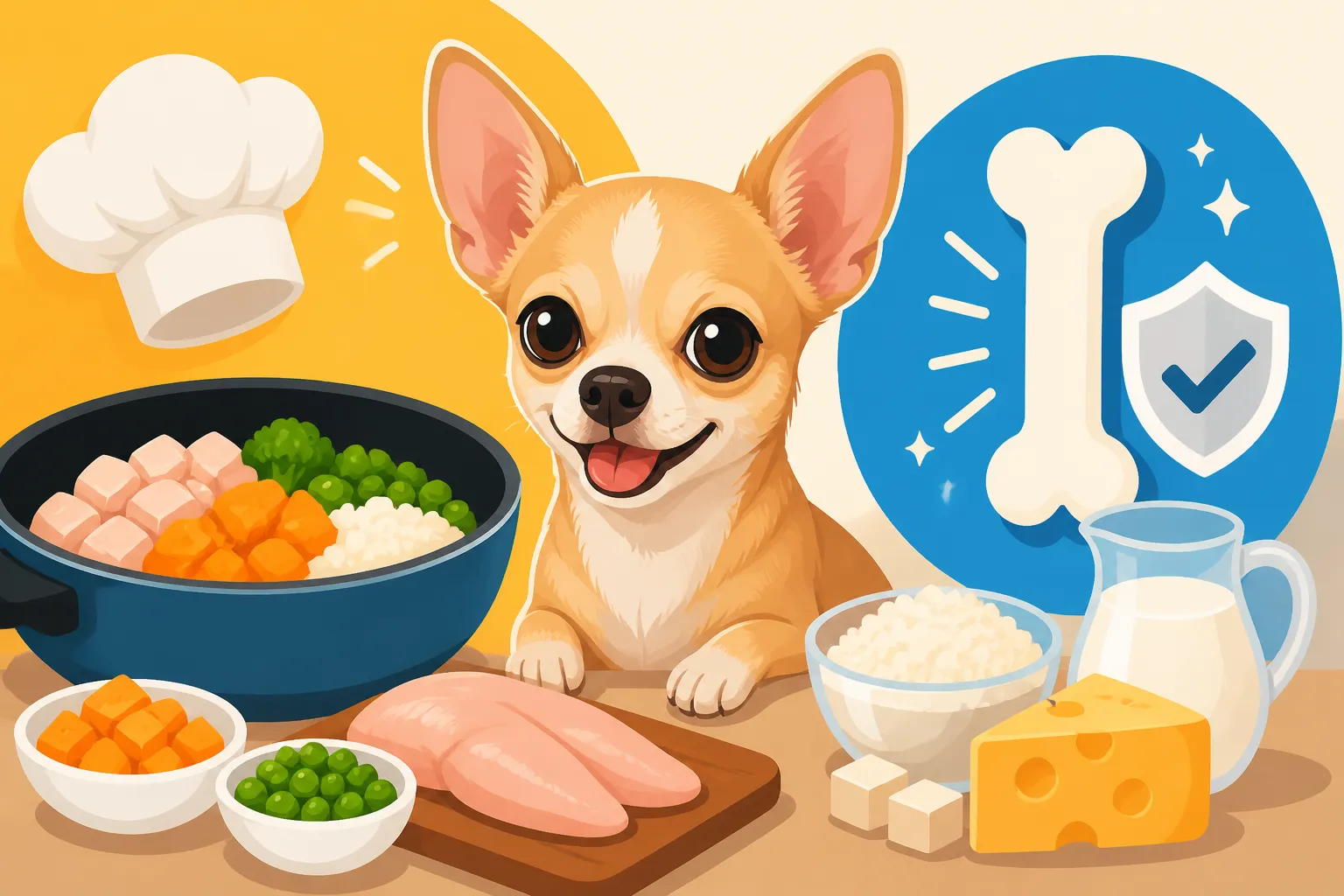
When cooking for your Chihuahua, you can't rely solely on meat and vegetables for their calcium. Here are the primary sources you'll need to consider, along with their pros and cons:
| Calcium Source | Pros | Cons |
|---|---|---|
| Ground Bone Meal | Excellent source, biologically appropriate. Contains phosphorus in a good ratio. | Must be food-grade and specifically for pets (not garden fertilizer). Can be difficult to find the right grind for small dogs. Risk of choking or GI upset if not finely ground or if too much is used. Quality varies. |
| Crushed Eggshells | Readily available, cost-effective, good calcium source. | Must be sterilized (boiled) and finely ground to a powder. Lacks phosphorus, so needs to be balanced with other ingredients. If not fine enough, can cause irritation or sharp edges. |
| Plain Yogurt/Kefir | Provides calcium and probiotics. | Calcium content is lower compared to bone meal/eggshells. Not suitable as a primary calcium source, more of a supplement. Some Chihuahuas are lactose intolerant, leading to digestive upset. |
| Calcium Supplements | Designed to provide specific amounts. Easily dosed. | Must be veterinary-specific (e.g., calcium citrate, calcium carbonate). Human supplements often contain xylitol or other ingredients toxic to dogs. Requires careful calculation by a vet to avoid over or under-dosing. |
It's tempting to think that since dogs in the wild eat bones, you can just toss a bone to your Chihuahua. However, raw bones, especially weight-bearing bones, can be too hard for a Chihuahua's tiny teeth and jaw, leading to fractures. Cooked bones are an absolute no-go, as they splinter easily and can cause severe internal damage. For raw feeders, finely ground raw bone from a reliable source is often used, but this still needs to be carefully portioned and balanced. Even then, Raw Feeding a Chihuahua and the Bone Problem is a real concern for their small size.
Getting the Calcium-to-Phosphorus Ratio Right
This is perhaps the most critical aspect of home-cooked diets. Dogs require a calcium-to-phosphorus ratio that generally falls between 1:1 and 2:1, with an ideal range often cited around 1.2:1 to 1.4:1 for adult dogs. Meats are naturally high in phosphorus and low in calcium. If you're feeding a diet primarily of muscle meat, without adding a significant calcium source, you will quickly create a severe imbalance.
To correct this, you need to add a calcium source. For example, if you're making a batch of home-cooked food with lean ground turkey and rice, you'll need to calculate how much calcium (from finely ground eggshell powder or food-grade bone meal) to add to achieve the correct ratio. This isn't a "dash here and a sprinkle there" kind of task. It requires careful measurement. Using a digital kitchen scale to measure ingredients for your Chihuahua, down to the gram, is essential, not just for calorie control but for nutrient balance. You can find reliable kitchen scales on platforms like Amazon or Chewy that are perfect for this precision.
For a general guideline, a common recommendation for calcium carbonate (from eggshells or a supplement) when trying to balance a meat-heavy diet is roughly 1/2 teaspoon per pound of cooked meat. However, this is a very rough estimate and should never replace precise calculations by a professional. Different meats, different cuts, and added vegetables will all alter the overall nutritional profile.
The Importance of Professional Guidance
Frankly, creating a nutritionally complete and balanced home-cooked diet for a Chihuahua is incredibly difficult without expert input. This is not to discourage you from wanting to provide the best for your dog, but rather to emphasize the complexity.
Consult a Veterinary Nutritionist: This is truly the gold standard. A board-certified veterinary nutritionist can formulate a bespoke diet plan specifically for your Chihuahua's age, weight, activity level, and any existing health conditions (such as Chihuahua Heart Disease as the Breed Ages or Chihuahua Kidney Disease in a Long-Lived Chihuahua). They can provide precise recipes with exact measurements of ingredients and supplements, ensuring all nutrient requirements are met, especially the critical calcium-to-phosphorus ratio. This initial investment can save you significant heartache and vet bills down the line from diet-related health issues.
Pre-Formulated Fresh Food Options: If the idea of complex calculations and sourcing specific supplements feels overwhelming, commercially prepared fresh dog food services can be a fantastic middle ground. Companies like Ollie deliver fresh, human-grade meals that are already scientifically formulated to be complete and balanced by veterinary nutritionists. They take the guesswork out of it entirely, offering portioned meals tailored to your dog's specific needs. While not "home-cooked by you," they offer the benefits of fresh ingredients without the risk of nutritional deficiencies. You can often find these services on Chewy, or directly through their own websites, and they are usually worth the cost for the peace of mind they offer.
The Risks of Getting it Wrong and When to Seek Professional Help
Even with the best intentions, errors in home-cooked diets can occur. Recognizing the signs of an imbalance and knowing when to seek professional help are crucial for your Chihuahua's long-term health and well-being.
Recognizing Signs of Nutritional Imbalance
Nutritional deficiencies or excesses can manifest in various ways, sometimes subtly at first, then becoming more severe. It’s important to pay close attention to your Chihuahua's overall health and behavior.
Signs to watch for that might indicate calcium imbalance or other nutritional issues:
- Lethargy or Weakness: Your Chihuahua might seem unusually tired, less playful, or generally weak. This can be a sign of many issues, including low blood sugar (especially for young Chihuahuas) or severe calcium deficiency.
- Lameness or Stiffness: Difficulty walking, limping, reluctance to jump (even from small heights), or pain when touched could point to bone or joint problems exacerbated by poor calcium. This is particularly concerning with a breed prone to The Skipping Gait That Signals a Chihuahua Knee.
- Changes in Appetite or Weight: A sudden decrease or increase in appetite, or unexplained weight loss or gain, are red flags. While some Chihuahuas are picky eaters, a persistent change needs investigation.
- Poor Coat or Skin Condition: A dull, dry coat, excessive shedding, or recurring skin issues like bald patches or irritation could indicate deficiencies in fats, vitamins, or minerals.
- Dental Problems: While Chihuahuas are prone to Chihuahua Dental Disease in a Crowded Small Jaw anyway, a diet low in calcium can accelerate bone loss around teeth, leading to premature tooth loss or painful infections.
- Behavioral Changes: Nutritional imbalances can even affect mood and behavior. For example, a dog in pain from weak bones might become more irritable or withdrawn.
- Gastrointestinal Upset: Frequent vomiting, diarrhea, or constipation can be signs that the diet isn't agreeing with your Chihuahua or is lacking necessary fiber or other nutrients.
- Puppy Growth Issues: If you're home-cooking for a puppy, slow growth, bowed legs, or unusual gait can be serious indicators of rickets or other skeletal developmental issues.
If you observe any of these signs, don't delay. Your Chihuahua's tiny body can't compensate for long, and small issues can escalate quickly.
When to Abandon Home Cooking or Seek Veterinary Help
It's perfectly okay to admit that home cooking is too challenging or isn't working out. Your Chihuahua's health is the priority. If you find yourself constantly worried about whether your dog is getting the right nutrients, or if your vet expresses concerns about their health on a home-cooked diet, it's time to re-evaluate.
Consider these scenarios:
- Persistent Health Concerns: If your Chihuahua is showing any of the symptoms listed above, and your vet suspects a dietary link, it's a clear signal to get professional help with your recipes or switch to a high-quality, commercially balanced diet.
- Lack of Time or Resources: Life gets busy. If you can't consistently dedicate the time needed for precise measuring, sourcing ingredients, and preparing meals, it's better to opt for a nutritionally complete commercial food. Services like Ollie, or even high-quality kibble from trusted brands found on Chewy, are excellent alternatives.
- No Access to a Veterinary Nutritionist: If you can't find or afford to consult a board-certified veterinary nutritionist, attempting to formulate a balanced diet on your own is inherently risky. Without that expert guidance, you're essentially guessing, which is not fair to your pet.
- Before Major Life Changes: If your Chihuahua is pregnant, nursing, or has a serious illness, their nutritional needs change drastically. This is absolutely not the time to experiment with home-cooked diets without stringent veterinary oversight.
Remember, a properly balanced commercial diet is always superior to an unbalanced home-cooked one. There's no shame in choosing the option that ensures your Chihuahua lives a long, healthy life, even if it means stepping away from the kitchen. The goal is a healthy, happy Chihuahua, however you get there. Make sure to keep excellent records of any health issues or dietary changes, which will be invaluable over your Sixteen Years of Chihuahua Costs Added Up.
Disclaimer
This article is for general informational purposes only and does not constitute professional advice. Laws, prices and regulations vary by location and change over time. Consult a qualified professional for guidance on your specific situation.