Whether Softened Kibble Suits a Chihuahua
It’s a common scenario in many Chihuahua-loving homes: you open a fresh bag of kibble, and your little one just stares at it, or worse, tries to chew a few pieces with evident discomfort before walking away. This can be especially frustrating for new puppy parents trying to get their tiny charge to eat, or for those with beloved seniors who are suddenly struggling with their once-favorite meals. This guide is here to unravel the question of whether softened kibble is the right choice for your Chihuahua, diving deep into its pros, cons, and how to make the best decision for your tiny companion's health and happiness.
The Rationale Behind Softening Kibble for Chihuahuas
When it comes to our Chihuahuas, their unique physical traits often lead us to adjust their care in ways we wouldn't for a larger dog. Their diminutive size, delicate mouths, and specific health predispositions mean that even something as seemingly simple as eating kibble can become a complicated affair. Softening their food often seems like a logical, compassionate step, but understanding why you're doing it is the first key.
Puppies with Tiny Teeth and Growing Jaws
Imagine a tiny, eight-week-old Chihuahua puppy. Their mouth is incredibly small, and those first set of puppy teeth, often called "needle teeth," are sharp but not necessarily robust for crunching through hard, dry kibble designed for much larger or older dogs. The breeder might have sent them home already on softened kibble or a gruel to ease the transition from mother's milk or wet puppy food. Expecting them to immediately tackle hard pellets can be a big ask.
For these little ones, softened kibble makes mealtime less of a chore and more enjoyable. It helps prevent them from accidentally hurting their gums or struggling to break down pieces that are simply too large or hard for their developing jaws. This can be particularly helpful during the stressful period of adjusting to a new home, ensuring they get the vital nutrients they need without unnecessary struggle. Many new owners find themselves soaking kibble to get their puppy interested, especially if the puppy is prone to hypoglycemia. The Feeding Schedule a Chihuahua Breeder Sends Home often includes instructions for moistened food.
Senior Chihuahuas with Dental Challenges
As Chihuahuas age, dental health becomes a significant concern – often the primary health battle for the breed. Chihuahua Dental Disease in a Crowded Small Jaw is practically an inevitable reality for most of them. By the time they reach their senior years, many Chihuahuas have already undergone multiple dental cleanings and extractions, potentially leaving them with fewer teeth or sensitive gums. Eating hard kibble can become genuinely painful, leading to a noticeable reluctance to eat or a significant drop in appetite.
For an older Chihuahua, softened kibble can be a game-changer. It allows them to eat comfortably without pain, ensuring they maintain their weight and continue to enjoy their meals. This simple adjustment can significantly improve their quality of life, making their golden years much more pleasant. When your senior Chihuahua starts turning their nose up at their usual food, especially after a history of dental issues, a soft texture is often the first thing to try. Feeding a Chihuahua With Few Teeth Left becomes a crucial part of senior care.
Chihuahuas with Medical Conditions or Appetite Issues
Beyond age and puppyhood, various medical conditions can necessitate a temporary or permanent switch to softened food. Chihuahuas recovering from surgery, especially oral surgery or a dental procedure, will find chewing painful or impossible. Illnesses that cause nausea or a general malaise can also suppress appetite; in such cases, a more palatable, easier-to-eat softened meal might be the only way to entice them to eat and keep their strength up.
Even Chihuahuas who are just plain picky eaters might benefit from softened kibble. Sometimes, the texture or aroma of dry kibble isn't appealing. Adding warm water can release more scent, making the food more enticing, and the softer texture can make it feel more like a treat or a novel meal. This can be a useful strategy for stimulating the appetite of a Chihuahua who is otherwise healthy but showing disinterest in their food, though it's always wise to rule out underlying medical causes for a sudden loss of appetite first.
How Softened Kibble Impacts Chihuahua Dental Health
Here’s where the conversation about softened kibble gets a bit more nuanced. While it solves immediate problems related to chewing comfort, it introduces another set of considerations, particularly concerning the notoriously delicate dental health of Chihuahuas. It’s a common misconception that hard kibble cleans teeth, and understanding this myth is crucial to making informed feeding choices.
The Myth of Hard Kibble Cleaning Teeth
Many dog owners, for years, have been told or have assumed that crunchy dry kibble helps scrape plaque off their dog's teeth. Unfortunately, for most kibble, this isn't true, especially not for Chihuahuas. Imagine trying to clean your own teeth by chewing on hard crackers; it simply doesn't work. The size and shape of regular kibble pieces are typically too small and shatter too quickly to provide any meaningful abrasive action against the tooth surface. They don't scrape down to the gumline where plaque and tartar truly build up.
Instead, the kibble often just breaks into smaller pieces and can even get lodged between teeth or along the gumline, contributing to plaque rather than removing it. Specialized dental diets do exist, designed with larger, fibrous kibble that forces the tooth to sink in before it breaks, providing a slight scrubbing action, but these are formulated differently from standard kibbles. For a regular bag of dry food, whether it’s from a general pet store or a premium brand found on Chewy, its primary function is nutrition, not dental cleaning. Why a Chihuahua Loses Teeth Younger Than Big Dogs isn't because they eat soft food; it's due to genetics and jaw structure.
Increased Plaque and Tartar Accumulation
Now, let's consider softened kibble. When you add water to dry kibble, it becomes softer, mushier, and often stickier. This altered texture, while easier to chew, can adhere more readily to the teeth and gums. Think of it like a sticky food residue that coats the surfaces of the teeth after eating. This residue creates an even more hospitable environment for bacteria to multiply, leading to faster plaque formation and, subsequently, tartar buildup.
This increased adherence of food particles means that Chihuahuas eating softened kibble are at a higher risk for accelerated dental disease if diligent dental hygiene isn't maintained. The softened food, lacking any abrasive quality, doesn't offer any resistance or "cleaning" action. This is a critical point for a breed already so predisposed to severe dental issues. Without regular intervention, feeding softened kibble could inadvertently lead to more frequent professional dental cleanings and potentially more tooth extractions down the line. Chihuahua Tartar Building Up by Age Three is already a rapid process; softened food can speed it up further.
Dry Kibble as a Lesser Evil (But Not a Solution)
Comparing dry kibble to softened kibble purely from a dental perspective, dry kibble, while not a dental cleaner, might be considered the "lesser evil" if no other dental care is provided. It generally adheres less to the teeth and might offer a tiny, negligible amount of mechanical action. However, it's crucial to understand that neither dry nor softened kibble offers a real solution to canine dental health. They are both simply food delivery systems.
The bottom line is this: if your Chihuahua is eating any form of kibble, whether dry or softened, you absolutely must have a proactive dental hygiene routine in place. Relying on kibble alone for dental health, no matter the texture, is a recipe for serious dental problems, pain, and costly veterinary procedures. This is why The Two Minute Daily Chihuahua Tooth Routine is preached so often – it's the real solution.
Best Practices for Feeding Softened Kibble
If you've determined that softened kibble is the best choice for your Chihuahua, whether it's for a puppy, a senior, or a dog with a temporary medical need, it's important to do it correctly. There are techniques that can help maximize the benefits while minimizing the potential drawbacks, particularly concerning dental health.
Proper Soaking Techniques
Softening kibble is more than just dumping water on it. For best results and to maintain hygiene, use warm water or low-sodium, dog-safe broth. Hot water can degrade some nutrients, and cold water won't soften it as quickly or enhance the aroma. Only add enough liquid to moisten the kibble thoroughly, creating a soft, crumbly texture, not a soupy mess. Too much liquid can dilute nutrients and make it less appealing.
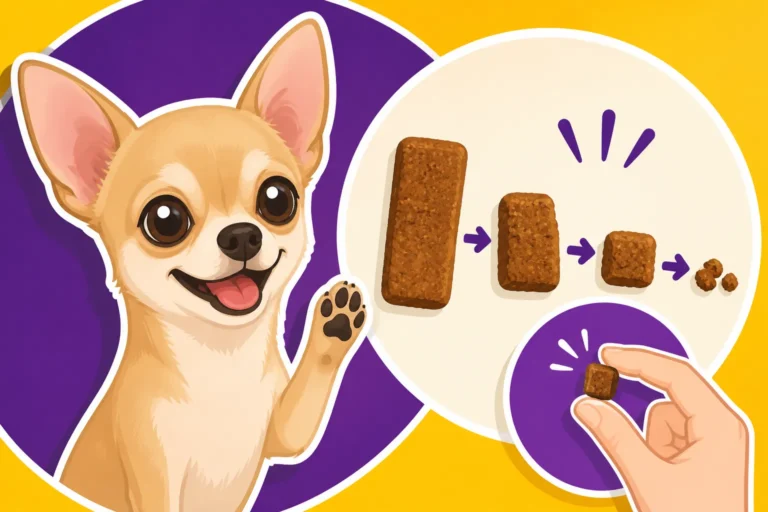
Allow the kibble to soak for about 5-15 minutes, or until it reaches the desired consistency. For very young puppies, you might create a thin gruel, while older Chihuahuas might just need softer, still-intact pieces. Always serve it immediately after soaking, and discard any uneaten portion within 30-60 minutes, especially in warmer temperatures. Leaving wet food out too long can encourage bacterial growth, which is a big no-no for any dog, let alone a tiny Chihuahua. Never use milk to soften kibble, as many dogs are lactose intolerant.
Maintaining Dental Hygiene Diligently
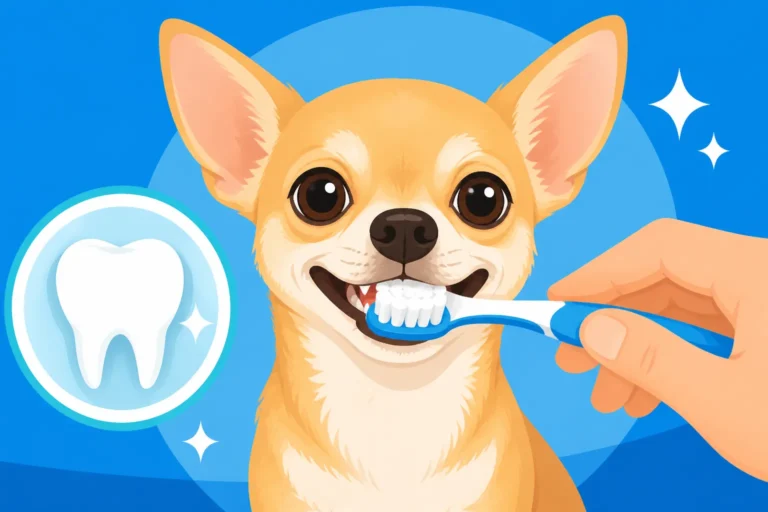
This cannot be stressed enough: if you are feeding softened kibble, daily, thorough dental hygiene is absolutely non-negotiable. Because softened food can stick to teeth more readily and promote plaque buildup, you must be hyper-vigilant about cleaning your Chihuahua's teeth. This means committing to Chihuahua Dental Brushing as a Daily Job. Use a dog-specific toothbrush and toothpaste (never human toothpaste!) and aim for at least two minutes of brushing all surfaces of their teeth.
Beyond brushing, consider incorporating other dental health aids into your routine. Dental wipes can help remove plaque from the surface of teeth, especially on days you might miss brushing. Water additives can help reduce bacteria in the mouth. Some dental chews are designed to help scrape teeth, but ensure they are appropriately sized for your Chihuahua and that you monitor them closely, as some hard chews can cause tooth fractures. You can find a variety of these tools on platforms like Chewy or Amazon. Remember, these are supplements to brushing, not replacements. Regular veterinary check-ups that include oral exams, along with professional dental cleanings as recommended by your vet, are also paramount. Anesthesia Risk During a Chihuahua Dental is real, but dental disease left untreated is worse.
When to Transition Back to Dry or Consider Alternatives
For puppies, the goal is often to transition them off softened kibble as their adult teeth come in and their chewing ability improves. This typically happens between 4-6 months of age. You can gradually introduce dry kibble by mixing increasing amounts of dry with softened food until they are eating entirely dry kibble. Watch for any signs of discomfort or reluctance to eat. If they continue to struggle, a gradual approach is best.
For senior Chihuahuas or those with permanent dental issues, softened kibble might be a permanent dietary staple. In these cases, consistent dental care remains vital. However, if your Chihuahua is simply a picky eater or you're using softened kibble temporarily during recovery, assess if they can transition back to dry food once the issue resolves. If they continue to struggle with dry kibble, or if their dental health is severely compromised, it might be time to explore other dietary alternatives, such as high-quality wet foods or fresh-cooked diets.
Here's a quick overview of the pros and cons:
| Feature | Softened Kibble Pros | Softened Kibble Cons |
|---|---|---|
| Palatability | Easier to eat for puppies, seniors, or sick dogs | Can become sticky and messy |
| Comfort | Reduces pain for sensitive gums/missing teeth | No dental cleaning action |
| Hydration | Adds moisture to the diet | Can degrade some nutrients if soaked in hot water |
| Appetite | Can stimulate appetite with enhanced aroma | Requires immediate consumption to avoid bacterial growth |
| Dental Impact | None for cleaning | Increases risk of plaque and tartar buildup |
Alternative Soft Food Options for Chihuahuas
While softening kibble is a viable option for many Chihuahuas, it's not the only way to provide an easy-to-eat meal. Given the breed's particular needs, especially regarding dental health and tiny appetites, exploring other soft food alternatives can be highly beneficial.
High-Quality Wet Foods
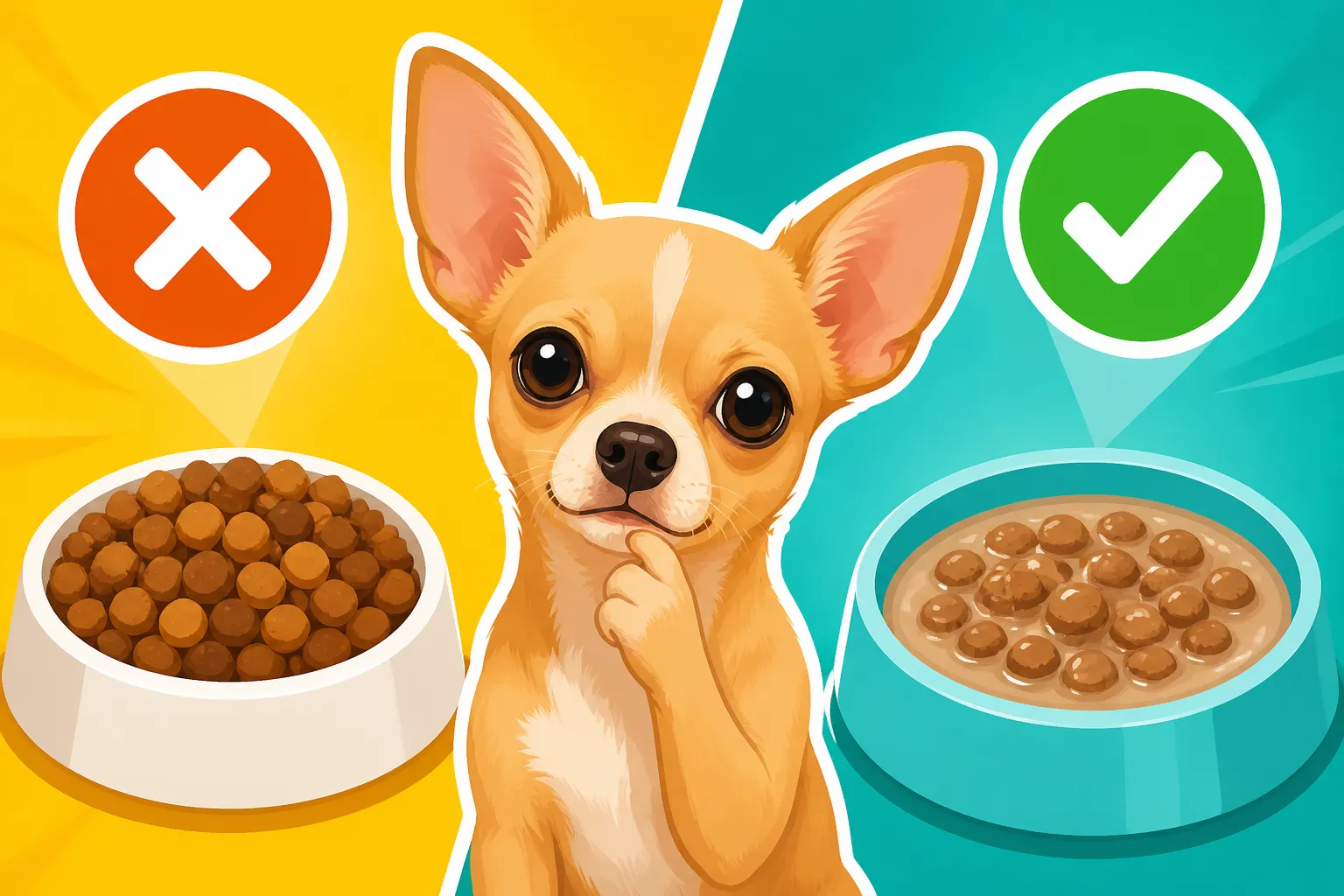
Wet dog food is an obvious alternative for Chihuahuas who struggle with dry kibble. These foods are inherently soft, easy to chew, and often highly palatable, making them excellent for picky eaters, puppies, or seniors with dental problems. Many wet foods come in small, Chihuahua-appropriate portions, which helps with calorie control for their Daily Calories for a Three to Seven Pound Chihuahua and prevents waste.
When choosing wet food, look for high-quality options with real meat as the primary ingredient and minimal fillers. They also offer the added benefit of increasing your Chihuahua's hydration, which can be good for overall health. However, just like softened kibble, wet food doesn't clean teeth. In fact, some stickier wet foods can also contribute to plaque buildup. So, the rigorous dental hygiene routine, including daily brushing, is still absolutely essential when feeding a wet diet. Variety can also be helpful; offering different protein sources or textures can keep mealtime interesting for your little connoisseur.
Fresh, Cooked Dog Food Services
In recent years, fresh-cooked dog food delivery services have become incredibly popular, and for good reason. These meals are prepared with human-grade ingredients, gently cooked, and often delivered frozen or refrigerated right to your door. They are naturally soft, making them incredibly easy for Chihuahuas of all ages to eat, and are highly palatable.
Brands like Ollie, for instance, create recipes that are specifically designed to be nutritionally complete and balanced. The convenience of having pre-portioned meals formulated for your dog's specific calorie needs is a huge plus for Chihuahua owners, as precision in feeding is crucial for such small dogs. These fresh food options are generally much softer than even soaked kibble, often resembling a pâté or stew. They can be particularly appealing to Chihuahuas who have lost interest in traditional kibble or wet food, providing a highly digestible and delicious meal. Again, while these foods are fantastic for palatability and ease of consumption, they don't clean teeth, so keep that toothbrush handy!
Home-Cooked Meals (with caution)
For some dedicated Chihuahua owners, home-cooked meals might seem like the ultimate solution for providing soft, palatable food. You have complete control over the ingredients, ensuring quality and freshness. You can tailor meals specifically to your Chihuahua's preferences or dietary sensitivities, using ingredients like lean proteins (chicken, turkey), cooked vegetables, and appropriate grains (rice, oatmeal).
However, embarking on a home-cooked diet requires significant caution and, ideally, guidance from a veterinary nutritionist. It is incredibly challenging to formulate a nutritionally complete and balanced diet for a dog, especially a small one like a Chihuahua with precise caloric and micronutrient needs. Deficiencies or excesses of certain vitamins and minerals can lead to serious health problems over time. Things like getting the calcium and phosphorus ratio correct are vital, and difficult to achieve without expert guidance. Cooking for a Chihuahua and Getting Calcium Right is a complex science. If you choose this path, consult your vet or a certified veterinary nutritionist to ensure your Chihuahua receives all the nutrients they need to thrive. Without this expertise, you risk doing more harm than good, despite your best intentions.
Disclaimer
This article is for general informational purposes only and does not constitute professional advice. Laws, prices and regulations vary by location and change over time. Consult a qualified professional for guidance on your specific situation.