Whether a Chihuahua Should Eat Overnight
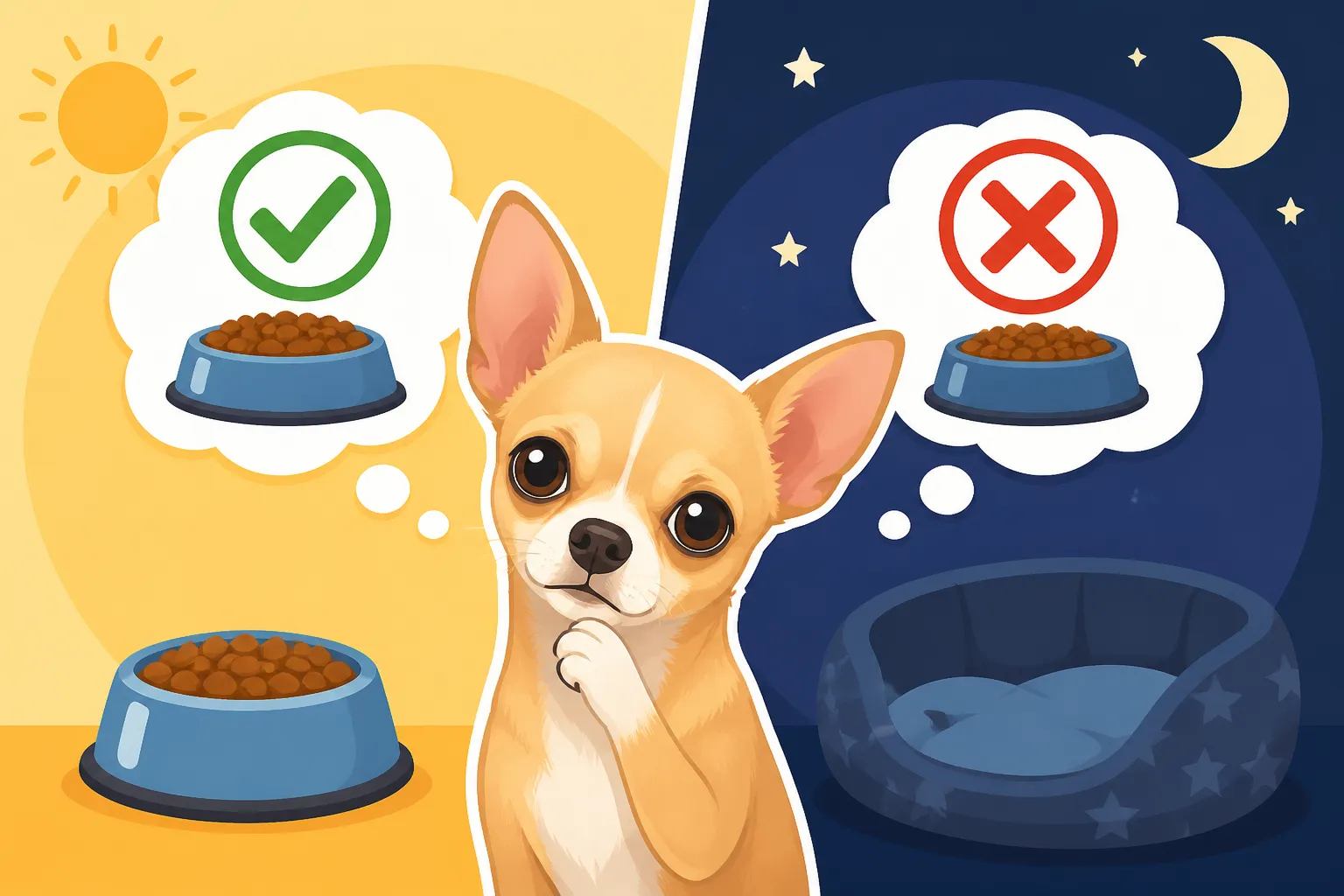
It's a common worry for Chihuahua parents, especially those with tiny puppies or dogs prone to sugar crashes: should your little one be eating overnight? The thought of your precious, diminutive companion going too long without food can be genuinely unsettling, conjuring images of low blood sugar emergencies. This guide will walk you through the nuances of overnight feeding for Chihuahuas, exploring the reasons this question arises and offering practical, vet-approved strategies to ensure your dog's health without unnecessary nighttime meals.
Why the Question About Overnight Feeding Even Arises for Chihuahuas
When you have a dog as small and delicate as a Chihuahua, every little detail about their care feels magnified. Owners often grapple with the idea of overnight feeding due to very real concerns, primarily stemming from the breed's unique physiology. It’s not just an arbitrary worry; there's a foundation to this anxiety.
Chihuahua Hypoglycemia Concerns
Chihuahuas, particularly puppies and sometimes even adults, are prone to a condition called hypoglycemia, which is dangerously low blood sugar. Their tiny bodies don't have large glycogen reserves like bigger dogs do, meaning they can deplete their energy stores incredibly quickly. A few hours without food, especially if they're stressed, cold, or over-exercised, can send their blood sugar plummeting. Chihuahua Hypoglycemia and the Puppy Emergency dives deeper into this.
Imagine your little four-pound Chihuahua, full of boundless energy during the day. They've been playing, exploring, and burning through calories. If they go eight to ten hours overnight without food, a worried owner might wonder if their energy reserves will be enough to tide them over until morning. This concern is particularly acute for owners who have experienced a hypoglycemic episode, where their dog becomes lethargic, wobbly, or even seizes. The memory of that panic can make any long stretch without food feel risky. It’s why many contemplate keeping food available, or at least offering a meal, during the night.
The Needs of Very Young Puppies
The concern about overnight feeding is amplified when dealing with a tiny Chihuahua puppy, especially those under three or four months old. These little bundles of joy have even fewer energy reserves than adult Chihuahuas and are much more susceptible to hypoglycemia. A typical puppy feeding schedule often involves meals every few hours, and that doesn't just stop when the sun goes down.
Think about an eight-week-old Chihuahua puppy, barely two pounds. Their little metabolic engine is running in overdrive, fueling rapid growth and constant exploration. If you try to enforce an adult-style overnight fast, you might wake up to a listless, trembling puppy. This is why breeders and vets often advise a very different feeding approach for these youngsters. They might recommend a final meal right before bed, and sometimes even a middle-of-the-night check or small feeding for the tiniest, most fragile pups. It's a temporary measure to get them through the most vulnerable stage, not a long-term solution. Chihuahua Hypoglycemia in the First Twelve Weeks covers how critical early feeding is.
The Downsides of Consistent Overnight Feeding for Adult Chihuahuas
While the concern for hypoglycemia is valid, particularly with puppies, consistently feeding an adult Chihuahua overnight generally comes with more drawbacks than benefits. It can disrupt established routines, impact health, and even encourage behaviors you don't want. Most adult Chihuahuas, unless medically advised, thrive on a structured feeding schedule that includes an overnight fast.
House Training Challenges
One of the most immediate and frustrating consequences of overnight feeding for an adult Chihuahua is the inevitable impact on house training. Chihuahuas already have tiny bladders, which means they need frequent potty breaks during the day. How Long a Chihuahua Can Hold Its Bladder explains just how small that capacity truly is. If you're providing food (and therefore, water) overnight, you're essentially ensuring that your dog will need to relieve themselves during those same hours.
Imagine you've worked tirelessly to get your Chihuahua to sleep through the night without accidents. You've established a solid bedtime routine, a final potty trip, and perhaps restricted water an hour or two before bed. Then, you start leaving food out. Your dog eats, drinks, and suddenly, that eight-hour stretch of clean-crate sleep is gone. You're back to square one, dealing with messes inside, and your dog is likely confused. They can't understand why it's okay to eat and pee at night now, when before it was strictly daytime business. This inconsistency can severely undermine all your house training efforts, leading to a frustrated owner and a confused pup.
Dental Health Impact
Chihuahuas are notoriously prone to dental disease. Their small mouths are often crowded, and teeth can rotate or overlap, creating perfect little nooks and crannies for plaque and tartar to accumulate. Chihuahua Dental Disease in a Crowded Small Jaw details the challenges. Every time your dog eats, food particles mix with saliva and bacteria, forming plaque. If this plaque isn't brushed away, it hardens into tartar, which then leads to gingivitis and eventually periodontal disease, tooth loss, and even systemic health problems.
Leaving food out overnight, or offering an overnight meal, simply provides more opportunities for plaque to form and sit on your Chihuahua's teeth for extended periods. Instead of a clear overnight fast where their mouth can "rest" and their saliva can naturally help cleanse, their teeth are constantly exposed to food debris. This accelerates the process of dental disease, potentially requiring more frequent and costly veterinary dental cleanings down the line. It's a silent killer for Chihuahuas' health, and constant access to food, even dry kibble, won't do their tiny teeth any favors. Daily brushing is already a must, but overnight feeding adds another hurdle to overcome.
Weight Management Worries
Chihuahuas thrive on a specific, carefully measured caloric intake. A mere half-pound of extra weight on a six-pound Chihuahua is like a person gaining 10-15 pounds. This tiny amount of excess weight puts significant strain on their joints, heart, and respiratory system. What One Extra Pound Does to a Chihuahua highlights just how impactful even small weight changes are.
Free-feeding, which is essentially what overnight feeding becomes if you leave food out, makes accurate calorie control nearly impossible. Your Chihuahua might graze throughout the night, consuming calories you can't easily track or account for in their daily allowance. This overconsumption can quickly lead to obesity. A little extra kibble here, a few midnight nibbles there, and suddenly your perfectly proportioned Chihuahua is carrying too much weight. This isn't just about aesthetics; obesity significantly increases their risk for conditions like patellar luxation, collapsing trachea, and even diabetes. Structured, portion-controlled meals are vital for maintaining a healthy weight and feeding too close to bed, or leaving food out, works directly against that goal.
When Overnight Feeding Might Be Considered
While generally not recommended for healthy adult Chihuahuas, there are specific, rare circumstances where a veterinary professional might advise some form of overnight feeding or supplemental support. These are typically driven by serious medical conditions or extreme vulnerability.
Veterinary-Guided Medical Needs
In certain medical situations, a veterinarian might suggest adjusting your Chihuahua's feeding schedule to include small, frequent meals throughout a 24-hour period, which could extend into the overnight hours. This is not a decision to be made lightly or without professional guidance, as it usually addresses a very specific health concern.
For example, a Chihuahua suffering from severe, recurring hypoglycemia that cannot be managed with strategic daytime feeding might require a small, easily digestible meal or snack late at night to stabilize blood sugar. This could be in cases of a severe liver shunt or other metabolic disorders where the body struggles to maintain glucose levels. Similarly, dogs recovering from major surgery or battling certain debilitating illnesses might have compromised appetites and energy needs that necessitate calorie intake around the clock. In these situations, the vet will provide clear instructions on what to feed (often a high-calorie, palatable wet food), how much, and when. This isn't about leaving a bowl of kibble out; it's a targeted, therapeutic intervention.
Palliative Care for Senior Chihuahuas
As Chihuahuas age, especially into their senior years (past 12-14 years old), their needs can change dramatically. Senior Chihuahua Care Past the Age of Twelve covers many of these considerations. For Chihuahuas nearing the end of their lives, particularly those in palliative care, the rules around feeding often shift to prioritize comfort and calorie intake over strict routines.
An older Chihuahua experiencing cognitive decline might forget to eat during regular mealtimes, or may simply have a diminished appetite. They might benefit from having small, appealing portions of food available whenever they feel like eating, including overnight. For a dog that is frail, losing weight, and whose primary goal is simply to maintain quality of life, allowing free access to food, or offering a small, tempting meal when they stir at night, can make a significant difference. This could involve highly palatable wet food, or even a specialized prescription diet. The focus here is on ensuring they get enough calories and enjoyment from food, rather than adhering to rigid schedules. This is a very different scenario from a healthy, active adult, and is always done under close veterinary supervision to ensure their overall well-being.
Better Alternatives to Overnight Meals for Most Chihuahuas
For the vast majority of Chihuahuas, especially healthy adults, there are far better ways to manage hunger, prevent hypoglycemia, and maintain overall health than resorting to overnight feeding. Strategic planning and consistent routines are key.
Strategic Bedtime Snacks
Instead of leaving food out all night, which invites house training issues and potential overeating, a much better strategy for preventing overnight hunger or blood sugar dips is to offer a carefully chosen bedtime snack. This isn't a full meal, but a small, calorie-appropriate treat designed to provide a little sustained energy through the night.
Think about a small, easily digestible treat like a tiny piece of boiled chicken, a small dollop of plain pumpkin puree, or a specially formulated dental chew from a brand like Chewy, which can also help with those tiny teeth. The key is "small" and "strategic." This snack should be given shortly before your Chihuahua's final potty break, perhaps 30 minutes to an hour before you tuck them in. This gives them time to process a little bit of the food and potentially empty their bladder one last time before settling down. This approach helps to bridge the gap between their last meal and breakfast without overloading their system or disrupting their bladder schedule. It's a way to top off their little energy tanks without causing problems.
Optimizing Daily Meal Schedules
The best defense against overnight hunger or hypoglycemia is a well-planned daytime feeding schedule. Most adult Chihuahuas do very well with two to three small, portion-controlled meals spread throughout the day. This prevents long stretches without food and helps maintain stable blood sugar levels.
Consider giving your Chihuahua their last main meal of the day a couple of hours before your own bedtime. This allows for proper digestion and a final potty break before they settle for the night. If you're currently feeding only once or twice a day and finding your Chihuahua is ravenously hungry in the morning, shifting to three smaller meals might be beneficial. Three Small Meals a Day for a Chihuahua goes into more detail about this. For instance, instead of a large breakfast and dinner, you might do breakfast, a small lunch, and an early dinner. Brands like Ollie offer fresh, pre-portioned meals that make adhering to a strict calorie count and feeding schedule incredibly easy, ensuring your Chihuahua gets exactly what they need at appropriate times. This consistency helps their little bodies regulate blood sugar and reduces the perceived need for a middle-of-the-night snack.
Keeping Glucose Gel Handy
Even with the best feeding schedule, Chihuahuas can sometimes have unexpected drops in blood sugar, especially very young puppies or those prone to stress. This is why it’s absolutely crucial to always have a tube of canine-specific glucose gel or even a bottle of corn syrup (like Karo syrup, widely available on Amazon) readily available in your home. This is your emergency plan, not a daily routine.
Knowing how to react in a hypoglycemic emergency can be life-saving. If your Chihuahua appears weak, disoriented, or starts trembling excessively, gently rub a small amount of the glucose gel or corn syrup on their gums. The sugar is absorbed quickly through the mucous membranes, giving their system a rapid boost. This is a critical first aid measure while you contact your veterinarian immediately. It’s not a substitute for proper feeding but acts as a safety net. Keeping Glucose Gel for a Chihuahua at Home provides essential information on this emergency preparedness. By being prepared for the worst-case scenario, you can feel more confident about sticking to a healthy, structured feeding regimen for your Chihuahua without resorting to routine overnight meals.
Here’s a quick comparison of strategies for managing your Chihuahua's nighttime hunger:
| Feature | Routine Overnight Feeding (Adult) | Strategic Bedtime Snack + Structured Day Feeding |
|---|---|---|
| Primary Goal | Prevent perceived hunger/hypoglycemia overnight | Prevent hunger/hypoglycemia, maintain health & routine |
| House Training Impact | High risk of overnight accidents, disrupts training | Minimal impact if portioned correctly, supports established routine |
| Dental Health Impact | Increased risk of plaque/tartar buildup | Less impact, especially with appropriate dental chews or clean teeth |
| Weight Management | Difficult to control calories, high obesity risk | Easier to manage calorie intake, supports healthy weight |
| Metabolic Stability | Can lead to inconsistent blood sugar spikes and drops | Promotes stable blood sugar throughout the day and night |
| Convenience for Owner | May seem convenient, but leads to more cleanup and stress | Requires planning, but results in fewer issues and better sleep |
| Veterinary Recommendation | Generally not for healthy adults unless specific medical need exists | Strongly recommended for healthy adults |
Final Thoughts on Nighttime Nutrition for Your Chihuahua
The question of whether a Chihuahua should eat overnight really boils down to balancing genuine health concerns, particularly around hypoglycemia, with the practicalities of maintaining good habits for an adult dog. For the vast majority of healthy adult Chihuahuas, structured daytime feeding with a sensible bedtime snack is the optimal approach. It safeguards their dental health, supports their house training, and helps prevent obesity, all while keeping their blood sugar stable.
Remember, very young puppies or Chihuahuas with specific, vet-diagnosed medical conditions might be the exception, requiring tailored feeding plans that could include overnight sustenance. But this should always be done under the explicit guidance of your veterinarian. Don't be afraid to talk to your vet about your concerns, especially if you're worried about hypoglycemia. They can help you craft a feeding schedule that suits your individual Chihuahua's needs, giving you peace of mind and your little companion a healthy, happy life.
Disclaimer
This article is for general informational purposes only and does not constitute professional advice. Laws, prices and regulations vary by location and change over time. Consult a qualified professional for guidance on your specific situation.