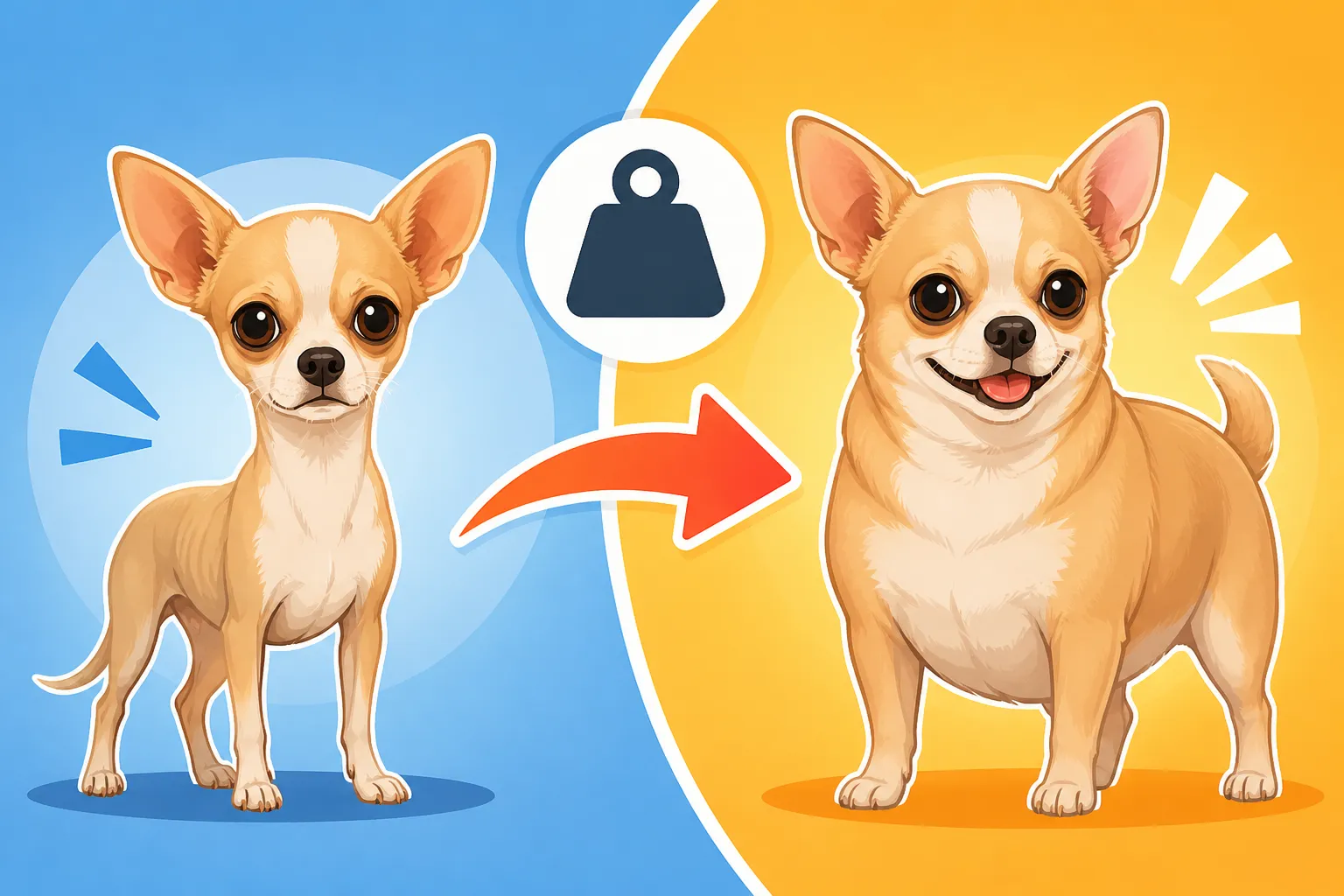
What a Half Pound Means on a Chihuahua
It’s easy to think that half a pound is absolutely nothing, a mere blip on the radar for any living creature. For us humans, it might be the difference between a good lunch and a skipped one. But for a Chihuahua, that seemingly tiny amount of weight can be a monumental shift, potentially impacting their health, mobility, and overall quality of life in significant ways. This guide will delve into why a half-pound matters so much for our pint-sized companions, what it means for their well-being, and how you, as a loving owner, can manage these delicate fluctuations.
The Outsized Impact of Small Weight Changes on a Chihuahua
When we talk about a dog's weight, especially for larger breeds, we often think in terms of several pounds. A ten-pound fluctuation on a fifty-pound dog might be noticeable, but not immediately alarming. However, a Chihuahua lives in a different world, where their entire existence is scaled down. This means every gram, every ounce, and certainly every half-pound, carries a disproportionately larger significance.
Why Half a Pound is a Big Deal for a Small Dog
Imagine a Chihuahua that weighs four pounds. If that little dog gains a mere half-pound, they've just increased their body weight by a full 12.5%. To put that into perspective, consider a human weighing 160 pounds. A 12.5% weight gain for them would be 20 pounds! Would a twenty-pound weight gain impact your joints, your energy levels, or your breathing? Absolutely. It's the same principle for our Chihuahuas, but the numbers are just smaller. Their delicate bone structure and tiny internal organs are simply not built to carry excess weight, even if that excess seems negligible to us. It's truly astounding how much Why Chihuahuas Live Twelve to Twenty Years, but improper weight management can certainly shorten that potential.
Their metabolism is also finely tuned. Chihuahuas, especially puppies, can be prone to conditions like hypoglycemia, where their blood sugar drops dangerously low because their small bodies don't have large reserves. While gaining weight isn't a direct cause of hypoglycemia, it speaks to the delicate balance of their physiological systems. Any change in energy demands or organ function due to increased weight can throw this balance off, making them more susceptible to various health issues. Their tiny frames have very little fat reserve naturally, which makes keeping warm a challenge in cold weather, but also means that any additional fat is a significant change to their natural composition.
Recognizing a Half-Pound Difference: It's Not Always Obvious
Because Chihuahuas are so small, visually spotting a half-pound gain or loss can be incredibly tricky. They might still look "small" to the casual observer, even if they're carrying too much weight. This is why hands-on checks and accurate weighing are absolutely crucial. You need to get comfortable feeling your Chihuahua's body. Gently run your hands along their ribs, spine, and waist. You should be able to feel their ribs without pressing hard, like feeling the knuckles on your hand when your palm is flat. If you have to press to feel them, or if you can't feel them at all, they've likely gained too much. You should also see a noticeable "tuck" in their waist when viewed from above, just before their hips. If they look like a little furry sausage with no discernible waist, that's another sign of excess weight. Learning how to gauge Feeling a Chihuahua's Ribs and Waist is one of the most important skills you can develop as a Chi owner.
For truly accurate weight monitoring, invest in a good quality digital kitchen scale. Yes, a kitchen scale! One designed for food prep is often perfect for weighing a Chihuahua, especially if they are under 10-12 pounds. Place a comfortable mat or towel on the scale, zero it out, and then place your Chihuahua gently on top. Weighing them weekly or bi-weekly at the same time of day can give you a clear picture of any trends. You might also notice subtle changes in how their harness fits – becoming a bit snugger or looser. These small cues, when combined with regular weighing, can help you catch a half-pound shift before it becomes a whole pound, or more.
Gaining Half a Pound: The Health Risks Accumulate Fast
While a tiny amount to us, that extra half-pound on a Chihuahua is not just cosmetic; it's a significant health burden. Their bodies are meticulously designed for their small size, and any deviation from their ideal weight can lead to or exacerbate a host of medical problems.
The Strain on Joints and a Fragile Trachea
One of the most common issues in Chihuahuas is patellar luxation, often referred to as a "slipping kneecap." Their tiny knees are prone to dislocating, and even a small amount of extra weight dramatically increases the strain on these already delicate joints. Imagine trying to walk with a backpack filled with bricks that represented 12% of your body weight – it would put immense pressure on your knees and hips. For a Chihuahua, an extra half-pound means their already vulnerable kneecaps are under constant stress, making them more likely to slip out of place or worsening existing luxation. This can lead to pain, arthritis, and in severe cases, the need for surgery. We've talked extensively about Patellar Luxation, the Chihuahua's Commonest Joint Problem and how crucial it is to manage.
Beyond the joints, Chihuahuas are also highly susceptible to collapsing trachea, a condition where their windpipe weakens and flattens, causing a distinctive honking cough. Carrying extra weight around their neck and chest puts increased pressure on this fragile structure. An overweight Chihuahua will likely experience more frequent and severe coughing episodes, especially during excitement or exercise. That half-pound can literally make the difference between an occasional cough and a persistent, debilitating one, significantly impacting their breathing comfort and quality of life. Understanding Collapsing Trachea and the Chihuahua Honking Cough is key to helping them. It’s truly amazing What One Extra Pound Does to a Chihuahua.
Metabolic Changes and Organ Stress
Just like in humans, excess weight in Chihuahuas can lead to metabolic dysfunction. While young Chihuahua puppies are often at risk for low blood sugar, an adult Chihuahua carrying too much weight can develop insulin resistance, which can be a precursor to diabetes. Their small pancreases can become overworked, struggling to regulate blood sugar levels efficiently. This isn't just about sugar; it's about the entire body's delicate chemical balance.
Furthermore, a half-pound of extra fat can accumulate around vital organs like the liver and heart. Fatty liver disease can develop, impairing the liver's ability to filter toxins and process nutrients. Their hearts, especially as they age, are also put under increased strain. Many Chihuahuas are prone to heart conditions such as mitral valve disease; an extra half-pound makes their heart work harder to pump blood through a larger body mass, potentially accelerating the progression of heart disease. We have covered Chihuahua Heart Disease as the Breed Ages in depth, and weight management is a cornerstone of care.
Reduced Mobility and Quality of Life
The most immediate and heartbreaking impact of an extra half-pound is often a noticeable decline in a Chihuahua's joy and zest for life. They might tire out faster on walks, reluctant to engage in play, or simply seem less enthusiastic about their favorite activities. That extra weight makes every movement more effortful. Jumping onto a sofa, climbing stairs (which they shouldn't do excessively anyway due to joint strain), or even just running across the yard becomes a greater challenge.
This reduced mobility isn't just physical; it can affect their mental well-being. A dog that can't move comfortably or participate in play may become lethargic, withdrawn, or even irritable due to chronic discomfort. Overweight Chihuahuas may also struggle more with heat regulation, becoming easily overheated in warmer weather because their extra fat acts as insulation. It’s an unfortunate reality that Chihuahua Obesity on a Six Pound Frame can sneak up on owners who aren’t vigilant. This truly diminishes their overall quality of life and the joy they can find in simple daily activities.
Losing Half a Pound: When It's Good and When It's Worrying
Weight loss, like weight gain, can have profound implications for a Chihuahua. The context is everything: is it deliberate, healthy weight loss for an overweight dog, or is it an unexplained, concerning drop?
Deliberate Weight Loss for Overweight Chihuahuas
If your veterinarian has identified your Chihuahua as being overweight, even by that seemingly small half-pound, a carefully managed weight loss plan can be a game-changer. For a Chihuahua struggling with a Grade 2 or 3 patellar luxation, shedding that half-pound can reduce the pressure on their knee joint, potentially decreasing pain and slowing the progression of arthritis. For a dog with a collapsing trachea, less weight means less pressure on their windpipe, often leading to fewer coughing fits and easier breathing.
The key here is careful and gradual weight loss under veterinary guidance. This is not about starving your Chihuahua; it's about precise portion control, often using a prescription diet or a carefully measured amount of their regular food, combined with appropriate exercise. Your vet might recommend a specific calorie target, and you'll need that kitchen scale again to measure every meal and treat accurately. Companies like Ollie, for instance, offer fresh food delivery with precise portioning that can be very helpful for weight management, ensuring your Chihuahua gets exactly what they need without excess. The goal is to lose weight slowly, typically 1-2% of their body weight per week, to avoid metabolic upset. Losing Half a Pound Safely on a Chihuahua means doing it with purpose and caution. The benefits, however, are immense: improved mobility, more energy, better breathing, and a potentially longer, healthier life.
Unintended Weight Loss: A Red Flag
Conversely, sudden or unexplained weight loss in a Chihuahua is always a cause for concern and warrants an immediate veterinary visit. While it might only be a half-pound, remember the proportion. A half-pound off a healthy four-pound Chihuahua is a significant 12.5% loss, akin to a 160-pound human suddenly dropping 20 pounds without trying. This is rarely a good sign.
Unexplained weight loss can be a symptom of various underlying health issues. Dental disease, rampant in Chihuahuas, can make eating painful, leading to a reduced appetite and subsequent weight loss. Conditions like Chihuahua Dental Disease in a Crowded Small Jaw are incredibly common and often silently erode a dog's health. Internal organ diseases, such as kidney disease, liver problems, or even certain cancers, can also manifest as weight loss. Parasites, while less common in well-cared-for adults, can also cause a dog to lose condition. If your Chihuahua is losing weight and also exhibiting other symptoms like lethargy, changes in appetite, vomiting, diarrhea, or unusual urination, don't wait. Early diagnosis and intervention are critical for a small dog whose body can deteriorate rapidly. Pay attention if An Old Chihuahua That Stops Eating Breakfast; it's not just a picky phase, but a potential sign of trouble.
Managing Your Chihuahua's Weight: Precision is Key
Given the profound impact that even small weight changes can have, proactive and precise weight management is paramount for every Chihuahua owner. It requires vigilance, consistency, and a deep understanding of their unique needs.
The Importance of Accurate Feeding and Portion Control
This cannot be stressed enough: for a Chihuahua, generic measuring cups are simply not accurate enough. The difference between a "full" half-cup and a "scant" half-cup might be only a few grams, but for a dog eating only 150-200 calories a day, those few grams can easily represent an extra 10-20 calories daily. Over weeks and months, that adds up to a half-pound or more.
Therefore, you absolutely need a digital kitchen scale. You can find excellent, affordable options on sites like Amazon or Chewy. Use it to weigh out every single meal, exactly to the gram or ounce recommended by your vet or the food packaging (after calculating their specific needs). Understanding Weighing Chihuahua Food on a Kitchen Scale will change your approach to feeding. Avoid free-feeding entirely; leaving food out all day encourages overeating and makes it impossible to track intake. Instead, provide measured meals two or three times a day. Even treats need to be factored into their daily calorie budget. Break larger treats into tiny, pea-sized pieces to prevent overfeeding, especially during training sessions.
Regular Weigh-Ins and Body Condition Scoring
Making regular weigh-ins a routine part of your Chihuahua's care is essential. Aim for weekly or bi-weekly weigh-ins, always at the same time (e.g., first thing in the morning before breakfast). Keep a small log or use an app to track their weight. This consistent monitoring allows you to spot any upward or downward trends early, giving you the chance to adjust their food intake or consult your vet before a half-pound becomes a two-pound problem.
In addition to weighing, regularly practice body condition scoring (BCS). This involves both looking at and feeling your dog to assess their fat coverage. Your vet can show you how to do this accurately, but generally, you want to easily feel their ribs, spine, and hip bones with a thin layer of fat over them, and see a distinct waistline. They shouldn't look bony, but they shouldn't be pudgy either. Getting to grips with Chihuahua Body Condition on a Tiny Frame will provide visual and tactile feedback that complements the numbers on the scale. Consistent vet check-ups are also vital, as your veterinarian can provide an objective assessment of your Chihuahua's weight and overall health.
Smart Exercise and Activity for a Tiny Frame
Exercise is crucial for weight management, but for Chihuahuas, it needs to be appropriate for their small, delicate bodies. They don't need miles of running, but consistent daily activity is vital. Short, brisk walks (15-20 minutes, twice a day) are usually perfect. This not only burns calories but also keeps their muscles strong and supports joint health. Always use a harness, not a collar, to protect their fragile trachea, especially during walks or any activity where they might pull. Sites like Chewy offer a wide range of harnesses specifically designed for tiny breeds, ensuring a comfortable and safe fit.
Indoor games can be just as effective as outdoor walks. Playing fetch in the living room, hide-and-seek with treats (again, tiny portions!), or using puzzle toys can provide both physical and mental stimulation without putting excessive strain on their joints. Be mindful of jumping; repetitive jumping off furniture can be hard on their knees and backs over time. Consider providing ramps or steps for access to sofas and beds. Even just 10-15 minutes of dedicated, playful interaction several times a day can make a significant difference in their energy expenditure and help maintain a healthy weight. Understanding Chihuahua Exercise for a Dog That Fits in a Bag helps tailor activity levels to their specific needs.
Disclaimer
This article is for general informational purposes only and does not constitute professional advice. Laws, prices and regulations vary by location and change over time. Consult a qualified professional for guidance on your specific situation.