Cleaning Chihuahua Ears
As a Chihuahua owner, you know that these tiny dynamos come with their own unique set of care needs, and their ears are definitely high on that list. It's incredibly common for new owners to feel a little intimidated about properly cleaning those precious ears, whether they stand tall and alert or have that adorable, soft fold. The truth is, neglecting ear hygiene can lead to discomfort, irritation, and even painful infections, which no one wants for their little companion. This guide is here to demystify Chihuahua ear care, offering practical, empathetic advice to keep your furry friend's ears healthy and happy.
Understanding Chihuahua Ear Anatomy and Why It Matters
Chihuahuas, with their distinctive features, often have ears that are a focal point. But beyond their charming appearance, the structure of these ears plays a significant role in their health and how you approach their cleaning. It’s not just about what you see on the outside; what’s inside is equally, if not more, important for their well-being. Knowing a bit about their anatomy will help you understand why certain cleaning methods are recommended and why issues can arise.
Upright vs. Floppy Ears: Differences in Airflow
Most Chihuahuas are known for their signature large, erect ears that stand proudly atop their heads. These upright ears tend to have excellent air circulation, which is a natural defense against moisture and heat buildup – two prime conditions for bacterial or yeast growth. The open structure allows air to move freely, helping to keep the ear canal dry and healthy. However, even with great airflow, their large size means they are more exposed to the elements, catching dust, dirt, and even tiny bugs as your Chihuahua explores. Think of them as little antennae, constantly gathering information from their environment, and sometimes, unwanted debris.
On the other hand, some Chihuahuas, particularly in puppyhood or those with a blend of genetics that result in a "rose" or folded ear, might have ears that lie closer to their head. While less common, these floppy ears, much like those of a Cocker Spaniel or Basset Hound, create a warmer, more humid environment within the ear canal. This reduced airflow makes them more susceptible to moisture retention, which can be a breeding ground for yeast and bacteria. If your Chihuahua has ears that tend to stay down, you might find yourself needing to be a bit more vigilant with their cleaning routine, perhaps even checking them daily, especially after a bath or a romp in damp grass. The key difference lies in the microclimate created inside the ear, which directly impacts the potential for issues.
The Ear Canal: What You're Cleaning and What You're Not
Beneath the visible outer ear, your Chihuahua's ear canal is a marvel of intricate design. Unlike human ear canals, which are relatively short and horizontal, a dog's ear canal is long and L-shaped. It starts vertically and then takes a sharp turn horizontally towards the eardrum. This deep structure is excellent for protecting the delicate inner ear, but it also means that debris, wax, and moisture can easily get trapped in that horizontal section, making it challenging for them to work their way out naturally. When you're cleaning, your primary focus is on the vertical canal and the accessible parts of the horizontal canal, not on poking or reaching deep into the ear with cotton swabs.
Understanding this L-shape is crucial because it informs the golden rule of dog ear cleaning: never insert anything further than you can see. If you push a cotton swab too far, you risk pushing debris deeper, compacting wax, or even worse, damaging the eardrum. The goal of cleaning is to gently flush out or wipe away superficial buildup, allowing the natural self-cleaning mechanisms of the ear to work, aided by a proper ear cleaning solution. You're essentially helping to clear the path for the ear to do its job, not performing deep-canal surgery.
Why Chihuahuas Are Prone to Certain Ear Issues
While Chihuahuas generally boast good ear health due to their erect ear structure, they aren't entirely immune to problems. Allergies are a common culprit, and many Chihuahuas can suffer from environmental or food allergies that manifest as skin irritation and itchiness, often including the ears. When a Chihuahua is constantly scratching or rubbing their ears due to allergies, it can create micro-abrasions, inflammation, and introduce bacteria, leading to secondary infections. Chihuahua Skin Allergies and Hair Loss often go hand-in-hand with ear issues.
Their small size also means they are close to the ground, potentially picking up more environmental irritants, especially if they enjoy sniffing through tall grass or dusty areas. Additionally, like all breeds, Chihuahuas can be susceptible to ear mites, particularly in puppyhood, which cause intense itching and a distinctive dark, crumbly discharge. While the erect ear helps with airflow, their prominent ears also make the outer ear and pinna more vulnerable to minor scrapes or insect bites during outdoor adventures. A proper cleaning routine helps mitigate these risks, catching minor irritations before they escalate into full-blown problems that require a vet visit.
Recognizing Signs of Trouble: When Cleaning Isn't Enough
Sometimes, what you think is just dirty ears is actually the beginning of an infection or other health issue. As a dedicated Chihuahua parent, it’s vital to learn the subtle (and not-so-subtle) cues your dog gives when their ears are more than just a little waxy. Early detection can save your Chihuahua from unnecessary pain and discomfort, and save you from potentially costly and complicated vet bills down the line. Don’t dismiss changes as mere quirks; they could be a cry for help.
Smell, Discharge, and Redness: Visual Clues
The first things you'll likely notice are changes in appearance and odor. Healthy Chihuahua ears should have a mild, almost neutral smell. If you start to detect a strong, yeasty, or even rotten odor emanating from their ears, that's a huge red flag. This distinctive smell is often a hallmark of a bacterial or yeast infection, thriving in a warm, moist environment. Don't ignore it, even if the ear doesn't look particularly dirty otherwise.
Next, pay close attention to discharge. Normal ear wax is usually pale yellow to light brown and doesn't have much texture. However, if you see dark brown, black, or yellowish-green discharge that looks like coffee grounds (a common sign of ear mites), pus-like, or has a cheesy consistency, it’s a strong indicator of an underlying problem. The amount of discharge also matters; a sudden increase suggests something is amiss. Finally, visually inspect the ear flap and inside the canal. Any redness, swelling, or crusting around the ear opening are clear signs of inflammation and irritation. These visual and olfactory cues are your body's early warning system for your Chihuahua's ears.
Itching, Head Shaking, and Pain: Behavioral Indicators
Beyond what you can see and smell, your Chihuahua's behavior will often be the most telling sign that something is wrong with their ears. The most common behavioral symptom is intense itching. You might notice your little one constantly scratching at their ears with a back paw, or rubbing their head against furniture or the carpet. This isn't just a casual itch; it's persistent and often frantic. If your Chihuahua usually loves head scratches but suddenly flinches or pulls away when you touch their ears, it's a clear sign of pain or sensitivity.
Another tell-tale sign is excessive head shaking. While dogs shake their heads occasionally to dislodge water or debris, continuous, vigorous head shaking, especially if accompanied by a whimpering sound or holding one ear down, points directly to discomfort. They might also tilt their head persistently to one side. In more severe cases, your Chihuahua might become lethargic, lose their appetite, or even show signs of aggression if you try to examine their ears, all because the pain is making them feel miserable. Any of these behavioral changes, particularly when combined with visual or olfactory clues, mean it's time to take action.
The Difference Between Normal Wax and an Infection
It’s easy to confuse normal ear wax with the early stages of an ear infection, especially for first-time Chihuahua owners. Normal ear wax serves an important purpose: it traps dirt, dust, and other foreign particles, preventing them from reaching the delicate eardrum. It's usually a light yellowish-brown, has a soft, greasy texture, and can be easily wiped away. You might see a small, consistent amount accumulating over time, but it typically doesn't have a strong odor or cause any discomfort to your dog. Think of it as your Chihuahua's natural ear cleaning agent, doing its job.
An infection, however, is a whole different ballgame. As mentioned, infections often come with a foul odor – yeasty, sweet, or putrid. The discharge will likely be excessive, perhaps dark brown and crumbly (mites), thick and yellowish-green (bacterial), or greasy and dark with a strong odor (yeast). The skin inside the ear will probably be red, swollen, and warm to the touch. Your Chihuahua will exhibit discomfort: scratching, head shaking, whimpering, and sensitivity to touch. If you're ever in doubt, it’s always better to consult your veterinarian. They can properly diagnose whether it’s just a buildup of normal wax or a full-blown Chihuahua Ear Infections and Big Open Ears.
The Essential Tools and Techniques for Safe Chihuahua Ear Cleaning
Once you've determined that your Chihuahua's ears are simply needing a routine clean, rather than showing signs of infection, gathering the right tools is your first step. Trying to wing it with whatever you have on hand can lead to frustration for both you and your little one, or worse, cause accidental harm. Being prepared makes the process smoother, safer, and more effective. Remember, patience and a gentle touch are just as important as the products you choose.
Choosing the Right Ear Cleaner for Chihuahuas
Selecting an appropriate ear cleaner specifically designed for dogs is paramount. You absolutely do not want to use water, hydrogen peroxide, rubbing alcohol, or human ear cleaning solutions. These can be irritating, too harsh, or even damage the delicate ear canal and eardrum. Look for veterinary-approved ear cleaners that are formulated to be gentle, non-irritating, and effective at dissolving wax and drying the ear canal. Many good quality cleaners contain ingredients like salicylic acid to break down wax, and mild drying agents to prevent moisture buildup. Some also include antimicrobial agents to help prevent yeast and bacterial growth.
Brands like Epi-Otic, Zymox, or those recommended by your vet are excellent choices. You can often find a wide selection of these reputable products on online pet supply retailers like Chewy or Amazon. When choosing, consider if your Chihuahua has particularly sensitive skin or if you're trying to manage a specific issue, as some cleaners are designed for maintenance while others are more therapeutic. If your Chihuahua has a history of allergies, opt for a cleaner with minimal ingredients and no strong fragrances. Always read the label carefully for instructions and warnings.
Gentle Wipes vs. Liquid Solutions
When it comes to the cleaning medium, you generally have two main options: ear wipes or liquid solutions. Both have their place, and you might even use them in conjunction depending on your Chihuahua's needs.
-
Ear Wipes: These are pre-moistened pads designed for quick, superficial cleaning of the outer ear flap and the very entrance of the ear canal. They are fantastic for daily maintenance, wiping away dust, surface debris, and excess wax before it builds up. Wipes are often convenient, less messy than liquid solutions, and many Chihuahuas tolerate them well because there's no "squishy" feeling of liquid in their ears. They're especially useful for Chihuahuas with upright ears that tend to stay clean but might accumulate a bit of external grime. Brands like Earthbath or Pet MD make great, gentle ear wipes you can easily order from Amazon. However, wipes aren't effective for deep cleaning inside the ear canal where most of the wax and potential problems reside. They're like a quick surface clean, not a deep scrub.
-
Liquid Solutions: These are your go-to for a more thorough ear canal cleaning. The process involves gently squirting the solution into the ear canal, massaging the base of the ear, and then allowing your Chihuahua to shake their head. The liquid works its way into the L-shaped canal, loosening wax and debris, which is then expelled by the head shaking. This method is crucial for getting into those harder-to-reach areas. It can be a bit messier, and some Chihuahuas initially resist the feeling of liquid in their ears. However, with patience and positive reinforcement, most learn to tolerate it. Always ensure the solution is at room temperature – nobody likes cold liquid in their ear! This method is more effective for preventing deeper ear infections and managing regular wax buildup.
Step-by-Step Cleaning Process
Okay, let's get down to business. Here's how to clean your Chihuahua's ears safely and effectively:
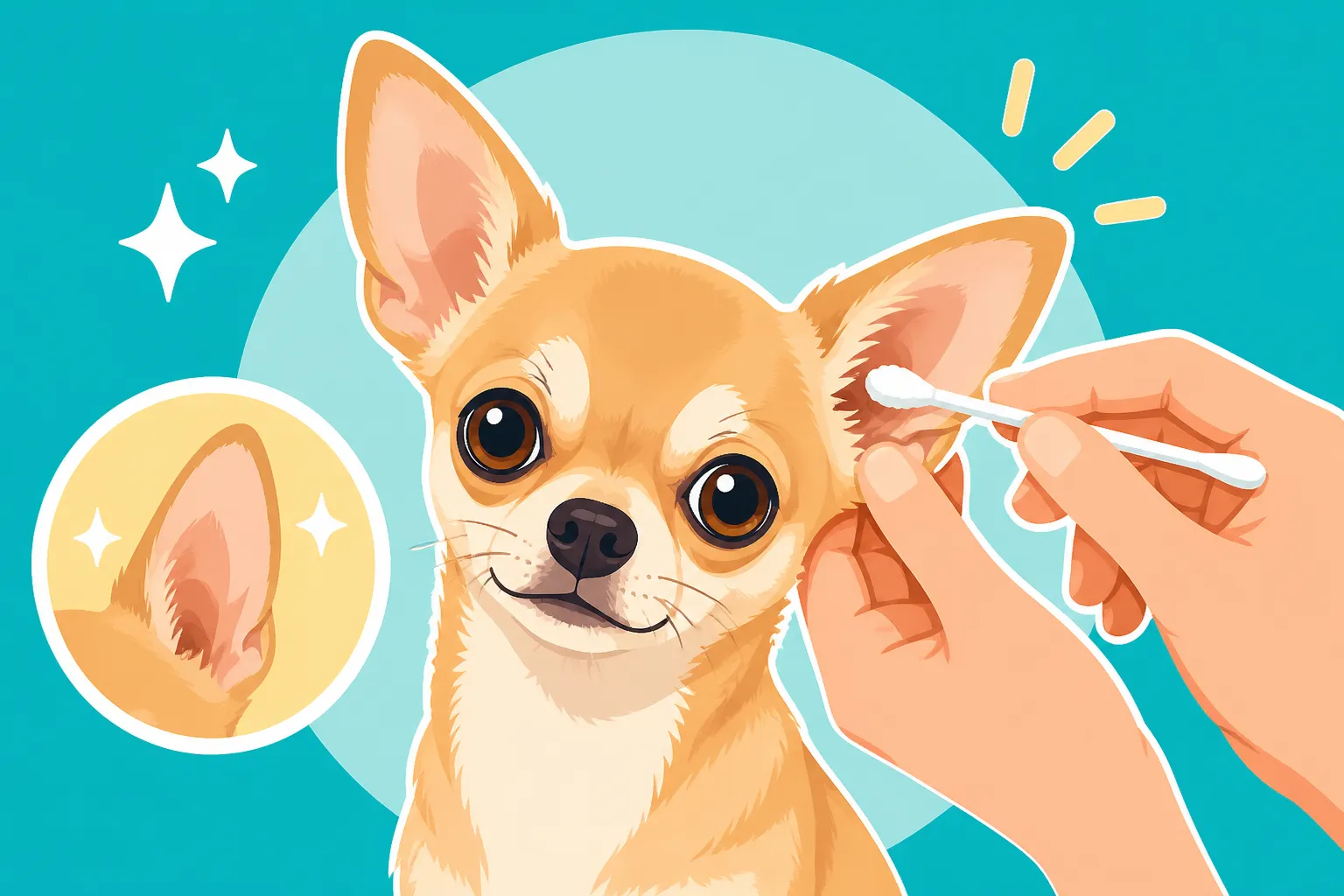
- Gather Your Supplies: You'll need your chosen canine ear cleaner (liquid solution), cotton balls or gauze pads, and plenty of treats. Avoid cotton swabs (Q-tips) for inside the ear canal, as they can push debris deeper or damage the eardrum. You might use them only for cleaning the visible folds of the outer ear flap, never inside the canal.
- Find a Calm Spot: Choose a quiet area where your Chihuahua feels secure. This might be on your lap, on a towel on the floor, or on a sturdy table if they're used to being groomed there. Make sure you have good lighting.
- Position Your Chihuahua: Gently hold your Chihuahua securely but comfortably. You might need a second person to help hold them still, especially if they're squirmy. Offer a treat and praise to start on a positive note.
- Administer the Solution: Hold your Chihuahua's ear flap gently upright and open. Using the nozzle of the ear cleaner bottle, carefully squirt the recommended amount of solution directly into the ear canal. Don't touch the nozzle to the ear to avoid contamination. The amount will vary by product, but usually it's enough to fill the canal.
- Massage the Ear: Once the solution is in, gently but firmly massage the base of your Chihuahua's ear for about 20-30 seconds. You should hear a squishing sound, which means the cleaner is working its way into the canal and breaking up wax and debris.
- Allow Them to Shake: Stand back and let your Chihuahua shake their head vigorously. This is a crucial step! The head shaking helps to bring the loosened wax and dirty solution out of the ear canal. Be prepared for some spray – this is where having a towel handy helps.
- Wipe the Outer Ear: After the shaking subsides, take a clean cotton ball or gauze pad and gently wipe away any visible solution, wax, and debris from the inner surface of the ear flap and the very entrance of the ear canal. Only go as far as your finger can reach comfortably. Do not insert anything deep into the canal. Continue with fresh cotton balls until no more dirt comes out.
- Repeat (if necessary) and Reward: If the ear was very dirty, you might repeat the process. Always finish with plenty of praise, cuddles, and their favorite treats to create a positive association with ear cleaning. You want them to view this as a manageable routine, not a terrifying ordeal.
| Item Type | Purpose | Why It's Important | Example Brands (General) |
|---|---|---|---|
| Liquid Cleaner | Dissolves wax, dries canal, prevents microbial growth. | Essential for deep cleaning the L-shaped canal. | Epi-Otic, Zymox, Vet's Best |
| Ear Wipes | Superficial cleaning of outer ear, daily maintenance. | Convenient for quick cleans, managing light buildup, and easy application. | Pet MD, Earthbath, VetriScience |
| Cotton Balls/Gauze | Wiping away loosened debris and excess cleaner. | Safe for wiping visible areas without pushing debris deeper. | Any sterile cotton/gauze |
| Plenty of Treats | Positive reinforcement and distraction. | Creates a positive association, reduces stress, and makes future cleanings easier. | Zuke's, Wellness Soft Rewards |
| Headlamp (Optional) | Improves visibility inside the ear. | Helps you see accumulated wax and discharge more clearly. | Any small, comfortable headlamp |
| Towels | Protects you and your home from shaken-out solution/debris. | Keeps the area clean and contains the mess from head shaking. | Old bath towels |
Establishing a Routine: How Often and When to Clean
Consistency is key when it comes to any aspect of pet care, and ear cleaning is no exception. Developing a regular schedule not only keeps your Chihuahua's ears healthy but also helps them get accustomed to the process, making it less stressful for everyone involved. Think of it like brushing their teeth – a regular habit yields the best results. Chihuahua Dental Brushing as a Daily Job is a similar proactive measure.
Frequency Based on Ear Type and Lifestyle
The frequency of ear cleaning largely depends on your individual Chihuahua's ear type, lifestyle, and any predispositions to ear issues. For most Chihuahuas with those classic upright, airy ears and no history of infections, a routine cleaning once every two to four weeks is often sufficient. This schedule allows you to prevent excessive wax buildup and catch any minor irritations before they become serious. If your Chihuahua spends a lot of time outdoors, rolling in dirt, or playing in dusty environments, you might consider checking and cleaning them a bit more frequently, perhaps every week or two.
If your Chihuahua has those less common floppy ears or has a known history of allergies or chronic ear infections, you might need to increase the frequency. For these sensitive ears, a weekly check and cleaning might be necessary. Some vets even recommend flushing ears every few days during allergy season or if you're managing a recurring issue, but always consult with your veterinarian before implementing such a frequent routine, as over-cleaning can sometimes cause irritation. The goal is to find that sweet spot – clean enough to prevent problems, but not so often that it irritates the delicate ear lining. Pay attention to how quickly wax accumulates and adjust accordingly.
Making it a Positive Experience
No dog, especially a sensitive Chihuahua, enjoys having liquid squirted into their ears or being held still against their will. However, you can absolutely turn ear cleaning into a tolerable, or even positive, experience through patient training and positive reinforcement. The key is to introduce the process gradually and associate it with good things. Start small: simply touching their ears gently, then lifting the flap, followed immediately by a high-value treat and praise. Repeat this many times over several days or weeks until they are comfortable with ear handling.
Once they tolerate handling, introduce the cleaning solution without actually using it yet. Let them sniff the bottle, then offer a treat. Then, gently bring the nozzle near their ear, reward, and so on. Build up to squirting a tiny bit of solution, massaging, then letting them shake, always followed by generous praise and rewards. Keep sessions short and sweet, ending on a high note. Never scold or punish your Chihuahua for being squirmy; this will only create negative associations and make future cleanings a battle. Patience, consistency, and a pockets full of their favorite tiny training treats will make all the difference, making ear cleaning just another routine, like getting their Harness Fitting on a Chihuahua Chest or having their nails trimmed.
Integrating Ear Care into Overall Grooming
The easiest way to remember to clean your Chihuahua's ears is to integrate it into a broader grooming routine. Chihuahuas, whether smooth or long-coated, benefit from regular grooming. This might be a weekly session where you brush their coat, check their nails, and then move on to their ears. Smooth Coat and Long Coat Chihuahua Grooming both require dedicated attention. By making ear care part of an established ritual, it becomes less of a chore and more of a predictable part of their week.
For example, on "grooming Sunday," after a good brush, you might wipe their face, check their teeth (because Chihuahua Dental Disease in a Crowded Small Jaw is a real issue), and then proceed to ear cleaning. This systematic approach ensures that no part of their routine gets forgotten. It also means your Chihuahua is already in a "grooming mindset," which can make them more compliant. Consistency in timing and order helps your dog anticipate what's next and accept it. Plus, when you're already handling them for other tasks, adding ear care feels less intrusive.
Common Pitfalls and How to Avoid Them
Even with the best intentions, Chihuahua owners can inadvertently make mistakes when it comes to ear cleaning. These pitfalls, while often minor, can lead to irritation, discomfort, or even exacerbate existing problems. Understanding what to avoid is just as important as knowing what to do, ensuring that your efforts contribute to your Chihuahua's health, not detract from it.
Over-Cleaning and Irritation
One of the most common mistakes is thinking that "more is better" when it comes to cleaning. While it’s good to be proactive, over-cleaning a Chihuahua’s ears can actually do more harm than good. The ear canal has a delicate, protective layer of skin and natural oils. Excessive cleaning, especially with harsh solutions or too much scrubbing, can strip away these protective elements, leading to dry, irritated, and inflamed skin. This irritation can then make the ear more susceptible to infections, creating a vicious cycle.
Think of it like washing your own hands too often with harsh soap – they become dry, cracked, and painful. The same applies to your Chihuahua's ears. If you notice redness, sensitivity, or an increase in discharge after cleaning, you might be overdoing it. Stick to the recommended frequency (every 2-4 weeks for healthy ears, potentially weekly for problem ears, but never daily unless specifically advised by a vet for a severe infection). If you're unsure, lean towards slightly less frequent cleaning and focus on gentle, thorough technique rather than aggressive intervention.
Using Cotton Swabs (The No-No)
This is perhaps the most critical rule in dog ear care: never use cotton swabs (Q-tips) deep inside your Chihuahua's ear canal. While they might seem perfectly sized for a tiny Chihuahua ear, the L-shaped structure of the canine ear canal makes them incredibly dangerous. Inserting a cotton swab risks pushing wax and debris further down into that horizontal canal, compacting it against the eardrum. This not only makes it harder for the ear to naturally clear itself but can also lead to a painful impaction that requires professional removal.
Even worse, you could accidentally puncture your Chihuahua's eardrum, causing severe pain, hearing loss, and potentially long-term complications. The eardrum is delicate and surprisingly easy to damage. Cotton swabs are designed for flat surfaces or very shallow crevices, not deep, curving canals. You can use a cotton swab very carefully to clean the visible folds and crevices of the outer ear flap – the parts you can clearly see – but they should never enter the ear canal itself. For the canal, stick to liquid flush and cotton balls to wipe up the expelled grime.
Ignoring the Problem
This pitfall is perhaps the most serious. It’s tempting to hope that a suspicious smell or a bit of head shaking will just "go away on its own." However, with ear issues, this is rarely the case. Untreated ear infections in Chihuahuas can quickly escalate, causing significant pain, chronic discomfort, and even lead to permanent damage to the ear canal or eardrum. What starts as a minor yeast overgrowth can become a raging bacterial infection, sometimes accompanied by a painful hematoma from excessive head shaking.
Ignoring the problem doesn't just prolong your Chihuahua's suffering; it can also make treatment much more difficult and expensive. Early intervention is always best. If you notice any persistent signs of discomfort, unusual discharge, or a foul odor, don't delay. Schedule a vet visit promptly. A quick diagnosis and appropriate medication can resolve the issue much faster and prevent it from becoming a long-term battle. It's an investment in your Chihuahua's comfort and overall health, just like staying on top of Chihuahua Heart Disease as the Breed Ages or getting regular check-ups for Patellar Luxation, the Chihuahua's Commonest Joint Problem.
When to Call the Vet: Beyond Home Care
While regular home ear cleaning is a cornerstone of good Chihuahua health, there are times when your efforts simply aren't enough. Recognizing these moments and knowing when to seek professional veterinary help is crucial. Attempting to treat a full-blown ear infection or a complex issue at home can worsen the problem and prolong your Chihuahua's discomfort.
Persistent Symptoms
If you've been diligent with your home cleaning routine, but your Chihuahua's ear symptoms persist or worsen, it's a clear sign that professional intervention is needed. This includes:
- Continuous Head Shaking or Ear Scratching: If your Chihuahua is still shaking their head incessantly or scratching at their ears despite regular cleaning, it suggests the problem goes deeper than superficial wax buildup. The irritation isn't being resolved by external efforts.
- Ongoing Foul Odor or Discharge: A persistent bad smell, especially if it doesn't improve after a thorough cleaning, or a continuous flow of abnormal discharge (dark, yellow, green, or pus-like) indicates an active infection that needs medication.
- Redness, Swelling, or Pain: If the ear remains red, swollen, warm to the touch, or if your Chihuahua cries out when the ear is gently handled, they are experiencing significant inflammation or pain that home remedies cannot address.
- Hearing Loss or Balance Issues: In rare but severe cases, an untreated ear infection can affect your Chihuahua's balance or lead to temporary (or even permanent) hearing loss. If you notice your dog bumping into things, circling, or having trouble navigating, seek immediate veterinary attention.
- A "Cauliflower" Ear: If you notice the ear flap itself appears swollen and puffy, almost like a pillow, it could be an aural hematoma. This occurs when blood vessels burst due to vigorous head shaking, causing blood to pool under the skin. Hematomas are painful and require veterinary drainage.
These symptoms indicate that a home ear wash isn't sufficient. There's likely an underlying infection (bacterial, yeast, or mites) that requires specific diagnostic testing and prescription medication.
Diagnosing Specific Infections (Yeast, Bacteria, Mites)
Only a veterinarian can accurately diagnose the specific type of ear infection your Chihuahua is suffering from. They do this by performing an otoscopic examination, where they use a special lighted tool to look deep into the ear canal and inspect the eardrum. They will also typically take a sample of the ear discharge with a cotton swab and examine it under a microscope (a cytology). This allows them to identify whether the culprits are yeast, different types of bacteria, or ear mites.
The treatment protocol will vary significantly depending on the diagnosis. For example:
- Yeast Infections: Often treated with topical antifungal medications (drops or creams) and sometimes an oral antifungal if severe or recurrent. They thrive in moist, warm environments.
- Bacterial Infections: Require specific antibiotic ear drops, and sometimes oral antibiotics, depending on the type of bacteria and severity. A culture and sensitivity test might be performed to determine the most effective antibiotic.
- Ear Mites: Treated with antiparasitic ear drops or systemic medications that kill the mites. Mite infestations are highly contagious among pets.
Attempting to treat a bacterial infection with antifungal drops, or vice versa, will be ineffective and could even worsen the condition by delaying proper treatment. This is why a professional diagnosis is so essential. During this visit, your vet may also discuss preventative measures, especially if allergies are suspected. They might also evaluate for conditions like Chihuahua Arthritis in the Teenage Years or Chihuahua Back and Neck Pain if head shaking is chronic and causing neck strain.
Dealing with Chronic Ear Issues
For some Chihuahuas, ear problems can become a chronic, recurring nightmare, often linked to underlying conditions like severe allergies, anatomical abnormalities, or even thyroid issues. If your Chihuahua experiences frequent ear infections, your veterinarian will likely recommend a more in-depth investigation. This might include:
- Allergy Testing: To identify specific environmental or food allergens that trigger inflammation in the ears. Managing allergies can significantly reduce ear infection recurrence. This could involve prescription diets, such as those recommended by brands like Ollie, or environmental changes.
- Dietary Changes: If food allergies are suspected, a hypoallergenic or novel protein diet might be prescribed. This often involves a strict elimination diet under veterinary guidance.
- Ear Flap Surgery (for some floppy-eared dogs): In very rare cases of severe, chronic infections in floppy-eared dogs, surgery to widen the ear canal might be considered to improve airflow, though this is far less common in Chihuahuas with their typically erect ears.
- Long-Term Maintenance Regimens: Your vet might prescribe a specific maintenance cleaner or topical medication to use regularly to keep chronic issues at bay.
- Referral to a Veterinary Dermatologist: For very complex or stubborn cases, your regular vet might refer you to a specialist who has advanced diagnostic tools and treatment options for chronic skin and ear conditions.
Managing chronic ear issues requires a partnership with your vet and a commitment to their recommendations. It can be frustrating and costly, as Chihuahua Dental Bills as the Biggest Recurring Cost often show, ongoing care for chronic conditions adds up. However, finding the root cause and implementing a long-term plan will drastically improve your Chihuahua's quality of life and prevent unnecessary pain.
Disclaimer
This article is for general informational purposes only and does not constitute professional advice. Laws, prices and regulations vary by location and change over time. Consult a qualified professional for guidance on your specific situation.