What Chihuahua Extractions Cost Per Tooth
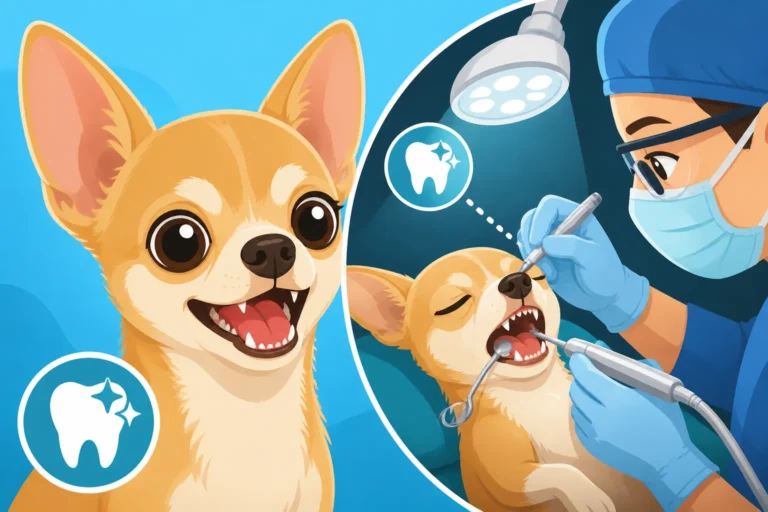
It's a heart-sinking moment when your vet tells you your beloved Chihuahua needs dental extractions. You immediately start doing mental math, wondering how many teeth are affected and, more importantly, what the bill is going to look like per tooth. This guide is here to demystify the costs associated with individual tooth extractions for Chihuahuas, breaking down everything you can expect from the initial diagnosis to post-operative care, and helping you prepare for these sometimes inevitable expenses.
Why Chihuahuas Face Such Significant Dental Challenges
If you've ever owned a Chihuahua, you know their personality is anything but small. But when it comes to their mouths, size definitely matters, and not in a good way. Chihuahuas are notoriously prone to dental disease, often requiring extractions even at a relatively young age. It's not just bad luck; it's a combination of genetics, anatomy, and sometimes, a lack of consistent preventative care. Understanding these underlying issues can help you grasp why dental work is such a common and costly part of Chihuahua ownership.
The Problem of a Crowded Jaw
Imagine trying to fit a full set of adult human teeth into a toddler's mouth. That's essentially what happens with a Chihuahua. They have 42 adult teeth, just like a Labrador or a German Shepherd, but packed into a tiny jaw. This extreme crowding means teeth are often rotated, overlapping, or too close together. These tight spaces create perfect little traps for food particles and bacteria, making it incredibly difficult to keep them clean, even with diligent brushing. The result? A much faster buildup of plaque and tartar compared to larger breeds. You might also find that your Chihuahua keeps its puppy canines, a common issue known as Chihuahua Tooth Crowding and Retained Baby Teeth, which further exacerbates the problem by creating additional surfaces for bacteria to cling to.
This overcrowding isn't just an aesthetic issue; it's a direct pathway to serious periodontal disease. When teeth are constantly rubbing against each other or trapped food ferments, it leads to inflammation of the gums (gingivitis). If left unchecked, this inflammation progresses, affecting the bone and ligaments supporting the teeth. Over time, these structures are destroyed, leading to painful infections, loose teeth, and eventually, the need for extraction. It's a frustrating cycle that many Chihuahua owners encounter, often feeling helpless despite their best efforts.
The Progression of Periodontal Disease in Small Breeds
Dental disease doesn't happen overnight. It starts subtly with plaque, a sticky film of bacteria, which hardens into tartar. Tartar then pushes under the gumline, causing infection and inflammation. This is where the real damage begins, quietly eroding the support structures of the teeth. Many owners don't realize the severity until their Chihuahua shows obvious signs of pain, like difficulty eating, bad breath, or pawing at their mouth. By this point, the disease is often advanced, and extractions become the most viable option to alleviate pain and prevent further systemic health issues.
It’s crucial to understand that Chihuahua Dental Disease in a Crowded Small Jaw isn't just about bad breath; it's a significant health concern that can impact their overall well-being. The bacteria from severe dental infections can enter the bloodstream and affect vital organs like the heart, kidneys, and liver. This is why veterinarians often emphasize the importance of regular dental cleanings under anesthesia, even if your Chihuahua seems perfectly fine. Waiting until problems are visible usually means waiting until the teeth are too far gone to save, making extractions unavoidable.
Breaking Down the Cost: What Goes Into a Chihuahua Tooth Extraction
When you get that estimate for a dental procedure with extractions, it can feel overwhelming. It’s not just one line item, but a whole breakdown of services, and the cost per tooth for extraction isn't always immediately clear. The reality is, a Chihuahua dental with extractions is a complex veterinary procedure involving more than just pulling teeth. Several factors contribute to the final bill, and understanding each component can help you prepare financially and appreciate the care your tiny companion receives.
The Price Tag Per Tooth: A Realistic Range
The cost per tooth for extraction in a Chihuahua can vary significantly, typically ranging from $50 to $200 per tooth, but it can climb even higher for more complicated removals. This range isn't arbitrary; it depends heavily on the tooth's location, the severity of its disease, and how difficult it is to extract. A simple incisor (front tooth) might be on the lower end, while a deeply rooted molar or a canine tooth requiring surgical cutting of the gum and bone, often called a surgical extraction, will be much more expensive.
For example, a Chihuahua might need a molar extracted due to a severe root infection. This often requires significant time, specialized tools, and careful technique to ensure all root fragments are removed and the jawbone isn't damaged. Such a complex extraction could easily be $150-$300 or more for that single tooth. On the other hand, a very loose, diseased incisor might practically fall out, costing less in terms of surgical time. These individual tooth costs are then added to the overall procedure, which includes anesthesia, bloodwork, and other critical services.
Anesthesia and Monitoring: The Biggest Chunk of the Bill
Often, the largest portion of a dental bill isn't the extraction itself, but the cost associated with anesthesia and monitoring. For a tiny Chihuahua, anesthesia is a serious consideration, and rightfully so. Their small body mass means they are more susceptible to temperature fluctuations and dosage errors. Vets often go to great lengths to ensure their safety, which includes pre-anesthetic bloodwork, careful intubation, IV fluids to maintain blood pressure and hydration, and constant monitoring by a dedicated veterinary technician. Many clinics use specialized equipment to monitor heart rate, respiration, oxygen saturation, and body temperature. Anesthesia Risk During a Chihuahua Dental is a real concern, and the thoroughness of these safety protocols directly impacts the cost.
This comprehensive approach is non-negotiable for responsible veterinary care. You're paying for the peace of mind that comes with knowing your tiny dog is being watched like a hawk throughout the entire procedure. A facility might charge anywhere from $300 to $800 or more just for the anesthesia and monitoring portion, depending on the clinic, your geographic location (major cities typically have higher costs), and the duration of the procedure. If your Chihuahua has underlying health conditions, like a heart murmur or kidney issues, the monitoring might be even more intensive, potentially adding to the cost. The importance of Warming a Chihuahua Through an Anesthetic cannot be overstated, as hypothermia is a significant risk for small breeds under sedation.
Pre-Surgical Workup and Diagnostics
Before any anesthesia is administered, a pre-surgical workup is essential. This usually includes a physical exam, a thorough oral exam (though a full assessment might only be possible under sedation), and blood tests. These blood tests are crucial to ensure your Chihuahua's internal organs, particularly the liver and kidneys, can safely process the anesthetic drugs. For older Chihuahuas, or those with suspected underlying health issues, additional diagnostics like an electrocardiogram (ECG) for heart function might be recommended.
The costs for these diagnostics typically range from $100 to $300. While it might seem like an extra expense, this step is vital for your Chihuahua's safety. Discovering an underlying condition before anesthesia can prevent serious complications during or after the procedure. Think of it as investing in a safe journey for your pet. After all, you want to ensure your beloved companion is as healthy as possible before undergoing any surgical intervention.
Post-Operative Care and Medications
Once the extractions are done, the care doesn't stop. Your Chihuahua will likely be sent home with pain medication, antibiotics (especially if there was significant infection), and sometimes anti-inflammatory drugs. These medications are crucial for comfort, preventing post-operative infection, and promoting healing. The cost for these medications can range from $30 to $100, depending on the number of teeth extracted and the length of the prescription.
Additionally, some clinics might recommend a recheck appointment a week or two after the procedure to ensure proper healing and address any concerns. This follow-up visit, which might or might not include a fee, is important for monitoring recovery. Sometimes, special soft food might be recommended temporarily, which you can often find from brands like Chewy or Ollie, known for their softer, fresh-food options. It’s all part of ensuring a smooth and complete recovery for your little one.
Here’s a simplified breakdown of typical costs involved in a Chihuahua dental extraction:
| Cost Component | Typical Range (USD) | Notes |
|---|---|---|
| Initial Exam & Consultation | $50 – $100 | May be part of a general check-up. |
| Pre-Anesthetic Bloodwork | $100 – $250 | Essential for screening organ function. |
| Anesthesia & Monitoring | $300 – $800+ | Varies by duration, clinic, and monitoring intensity. |
| IV Catheter & Fluids | $50 – $150 | Crucial for hydration and blood pressure support. |
| Full Mouth Dental X-rays | $150 – $300 | Often required to assess hidden issues and roots. |
| Dental Cleaning (Scaling/Polishing) | $150 – $400 | Basic cleaning performed on all teeth before extractions. |
| Per Tooth Extraction (Simple) | $50 – $120 | Incisors, very loose teeth. |
| Per Tooth Extraction (Complicated/Surgical) | $120 – $300+ | Molars, canines, fractured teeth, root retention. |
| Pain Medication | $20 – $50 | Oral medication for home use. |
| Antibiotics | $20 – $50 | For infection, if present. |
| Anti-inflammatory Medication | $20 – $50 | To reduce swelling and discomfort. |
| Post-Operative Recheck | $0 – $50 | Some clinics include this, others charge. |
Note: These are estimated ranges and can vary widely based on location, veterinary practice, and the individual needs of your Chihuahua.
Minimizing Costs and Preparing for Your Chihuahua's Dental Care
The cost of dental extractions can be a heavy burden, and it’s completely understandable to feel stressed about it. While some expenses are unavoidable, there are proactive steps you can take to manage and potentially reduce the financial impact of your Chihuahua's dental care. Planning ahead and exploring different options can make a significant difference in facing these necessary procedures. Many owners underestimate the true cost of owning a Chihuahua, and dental bills are a prime example of What Chihuahua Owners Underestimate Most.
The Role of Pet Insurance
Pet insurance can be a lifesaver when it comes to unexpected veterinary bills, including dental extractions. While most policies won't cover pre-existing conditions (meaning if your Chihuahua already has documented periodontal disease, they won't cover future extractions directly related to it), they often cover accidental injuries to teeth or newly diagnosed dental issues, especially if you have a comprehensive plan. Some policies, particularly those with a wellness add-on, might even contribute to the cost of annual cleanings, which can help prevent the need for extractions in the first place.
When looking into pet insurance, check the fine print carefully regarding dental coverage. Companies like Healthy Paws offer accident and illness plans, but dental disease may have specific exclusions or requirements. It's often beneficial to enroll your Chihuahua when they are young, before any dental issues arise, to maximize your coverage down the line. Even if you have to pay out of pocket initially, a good policy can soften the blow of major surgeries or multiple extractions, saving you hundreds or even thousands of dollars over your Chihuahua's long life. Getting Chihuahua Insurance Premiums Around $31 a Month can seem like a small amount, but it really adds up in terms of peace of mind.
Budgeting and Payment Options
Even with insurance, you'll likely have a deductible and a co-pay, so budgeting for your Chihuahua's dental health is crucial. Many vets recommend an annual dental cleaning, which helps prevent extractions and allows you to Budgeting a Chihuahua Dental Every Year. Setting aside a small amount each month into a dedicated "pet health" fund can make a huge difference. For example, if you aim to save $50 a month, you’ll have $600 by the end of the year, which could cover a significant portion of a cleaning or even a minor extraction.
If you're faced with a large bill for immediate extractions, don't hesitate to discuss payment options with your veterinary clinic. Many practices offer payment plans, or they may work with third-party financing services like CareCredit, which provides low or no-interest payment options for veterinary expenses. Sometimes, a vet might be able to stage the extractions if absolutely necessary, addressing the most critical teeth first, though this isn't ideal as it requires multiple anesthesia events. Being open and honest about your financial situation can help your vet team find solutions that work for both you and your Chihuahua.
Choosing the Right Veterinary Practice
The cost of veterinary care, including dental extractions, can vary significantly between practices and geographic regions. A clinic in a high-cost-of-living area like New York City or Los Angeles will naturally have higher prices than one in a rural town. Similarly, a specialty dental veterinarian, who has advanced training and equipment, will typically charge more than a general practitioner, although their expertise might be invaluable for complex cases.
When seeking a quote, don't be afraid to call a few different veterinary offices in your area. Ask for a detailed estimate that breaks down all the expected costs. While price shouldn't be the only factor, comparing estimates can help you make an informed decision. Look for a practice that emphasizes patient safety, offers clear communication, and has experience with small breeds like Chihuahuas. Sometimes, driving a little further to a different town might result in a more affordable bill without compromising on quality of care.
Long-Term Dental Health and Prevention
Facing a dental extraction bill is tough, but what if you could significantly reduce the chances of your Chihuahua needing extractions in the future? The good news is, you absolutely can. Long-term dental health is all about proactive prevention and consistent home care. It requires dedication, but the payoff is a healthier, happier Chihuahua with fewer painful dental issues and, of course, lower vet bills in the long run.
Daily Brushing and Home Care: The Most Effective Prevention
This is probably the most impactful thing you can do for your Chihuahua's teeth. Just like with humans, daily brushing is the gold standard for removing plaque before it hardens into tartar. Using a small, soft toothbrush or a finger brush designed for pets, along with pet-specific enzymatic toothpaste, can make an enormous difference. Start slow, make it a positive experience with treats and praise, and aim for at least a few seconds on each side of their mouth every single day.
It might feel daunting at first, trying to brush the teeth of such a small, sometimes feisty, dog. But consistency is key. Even if you only manage a quick swipe on the most affected teeth initially, you're building a routine. This isn't just about preventing Chihuahua Bad Breath and What It Means, which is a symptom of dental disease, but actively stopping the progression of periodontal disease. Along with brushing, dental chews specifically formulated for small breeds, and water additives, can offer supplementary help, though they are never a replacement for manual brushing. Brands available on platforms like Chewy often carry a wide range of these products, sized appropriately for a Chihuahua.
Regular Professional Cleanings: Staying Ahead of Extractions
Even with the best home care, Chihuahuas will likely still need professional dental cleanings under anesthesia. This is because home brushing, while effective, can’t reach all the nooks and crannies, especially below the gumline where periodontal disease really takes hold. These professional cleanings allow your vet to thoroughly scale off tartar, polish the teeth, and conduct a comprehensive oral exam, including dental X-rays, which are vital for assessing the roots and bone structure.
Your vet will recommend how frequently your Chihuahua needs these cleanings. For some, it might be every year, while others might stretch it to every 18-24 months if their home care is exceptional and their genetics are more forgiving. Regular professional cleanings are the best way to catch dental issues early, before they become so severe that extractions are the only option. Think of The Yearly Chihuahua Dental Cleaning Bill as a necessary investment to prevent far more expensive and painful procedures down the line. It's truly a critical component of Senior Chihuahua Care Past the Age of Twelve, as dental health often declines with age.
Disclaimer
The information provided in this guide is for general informational purposes only and is not a substitute for professional veterinary advice. Always consult with a qualified veterinarian regarding any health concerns or before making any decisions about your pet's medical care. Costs are estimates and can vary widely.