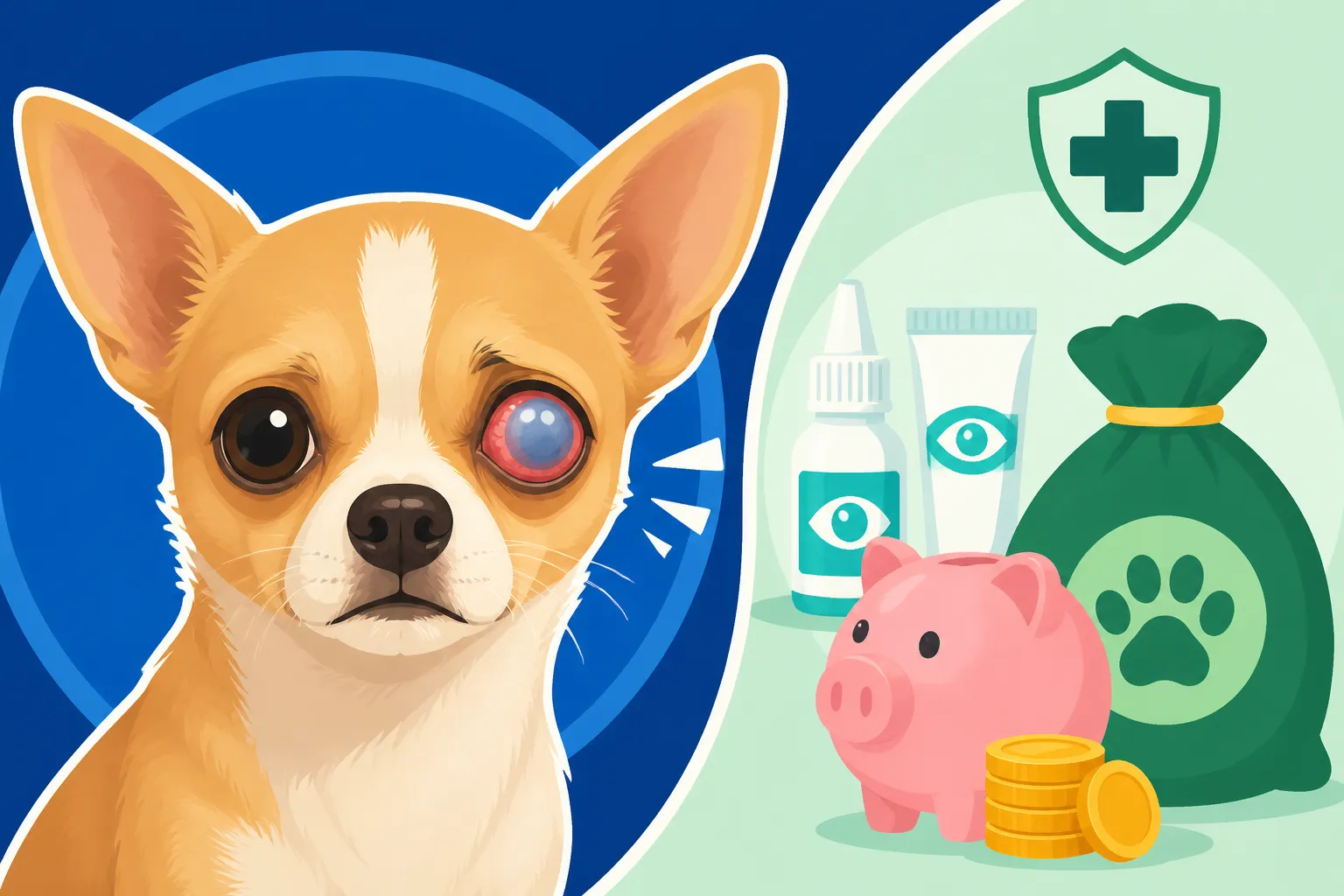
Chihuahua Corneal Ulcer Treatment Cost
It's absolutely terrifying to look at your beloved Chihuahua and see their eye cloudy, red, or that tell-tale squint that tells you something is terribly wrong. Our tiny companions might be small, but their health issues can feel overwhelmingly large, especially when it comes to something as delicate as their vision. Dealing with a corneal ulcer can be a whirlwind of worry, vet visits, and unexpected expenses, leaving you wondering what to expect. This guide is here to walk you through the potential costs involved in treating a Chihuahua corneal ulcer, from initial diagnosis to ongoing care.
Understanding Chihuahua Corneal Ulcers and Their Urgency
When we talk about a corneal ulcer, we're referring to an open sore on the cornea, which is the clear, protective outer layer of your Chihuahua's eye. Think of it like a cut or scrape on the surface of their eye. Chihuahuas, with their often prominent, large eyes and sometimes shallow eye sockets, are unfortunately quite prone to these sorts of injuries. Their eyes are just more exposed to the world, making them susceptible to scratches from a stray branch, a cat's claw, dust, or even rubbing against furniture. You can read more about why our little ones face these particular challenges in our post on Chihuahua Eye Injuries and Prominent Eyes.
The key thing to understand about corneal ulcers is their urgency. Unlike a cut on the paw that might heal with a little time and care, an eye ulcer can rapidly worsen. What starts as a superficial scratch can quickly deepen, potentially leading to infection, severe pain, and even rupture of the eyeball if not treated promptly and effectively. This isn't something you can "wait and see" with; it requires immediate veterinary attention. Symptoms usually include noticeable squinting or holding the eye shut, excessive tearing, redness around the eye, a cloudy appearance to the cornea, or discharge. If you notice any of these signs, don't delay – call your vet right away.
Initial Veterinary Consultation and Diagnostic Costs
The first step, naturally, is a trip to the vet. This initial visit is crucial for properly diagnosing the ulcer and assessing its severity. You might find yourself at your regular family veterinarian, or if it's after hours or a severe case, an emergency veterinary clinic. Emergency clinics typically have higher fees, so be prepared for that difference.
During this initial consultation, your vet will perform a thorough eye exam. They'll likely start with a basic physical check, but for an eye concern, specific diagnostic tests are essential.
- Initial Exam Fee: This is the baseline cost for any vet visit. Depending on your location and whether it's a general practice or an emergency clinic, this can range from $60 to $150 or more. An emergency visit could easily push this to $150-$300 just for the exam.
- Fluorescein Stain Test: This is the gold standard for diagnosing a corneal ulcer. The vet will apply an orange dye (fluorescein) to your Chihuahua's eye. If there's an ulcer, the dye will stick to the exposed deeper layers of the cornea, glowing bright green under a special blue light. This test helps confirm the presence of an ulcer and often indicates its size and depth. This test is usually relatively inexpensive, often between $20 and $50.
- Schirmer Tear Test: Sometimes, dry eye (keratoconjunctivitis sicca or KCS) can be an underlying cause or contributing factor to corneal ulcers. This test measures tear production and involves placing small paper strips in your Chihuahua's lower eyelids for a minute. It helps determine if insufficient tear production is exacerbating the problem. The cost for this is typically around $25-$50. You can learn more about this related issue in our article on Dry Eye Behind a Chihuahua's Prominent Eyes.
- Tonometry: This test measures the pressure inside the eye. While not directly for ulcer diagnosis, it's often performed during a comprehensive eye exam to rule out conditions like glaucoma, which can present with similar symptoms or complicate an ulcer. An increase in intraocular pressure could indicate a more serious underlying issue. Expect this to add another $30-$70 to the bill.
- Corneal Cytology/Culture (if needed): If the ulcer appears infected or isn't healing as expected, your vet might take a sample of cells from the cornea for cytology (examining cells under a microscope) or a culture (growing bacteria to identify the specific type). These tests help guide the choice of antibiotics. A cytology might be $50-$100, while a culture could be $100-$200 or more.
So, for an initial diagnostic visit, you're realistically looking at a range of $150 to $500, depending on the complexity of the tests required and whether it's an emergency visit.
Treatment Options and Associated Expenses
Once an ulcer is diagnosed, your vet will discuss treatment options. These can vary significantly based on the ulcer's severity, depth, and whether there are signs of infection or other complications.
Medical Management for Uncomplicated Ulcers
Most superficial corneal ulcers can be managed medically, meaning with medications rather than surgery. This is always the first line of defense if possible, especially since our tiny Chihuahuas are sensitive.
- Antibiotic Eye Drops/Ointments: These are critical to prevent or treat bacterial infections. Your vet will prescribe specific drops, often to be administered multiple times a day. Common antibiotics include Neomycin/Polymyxin B/Bacitracin (Neopolybac), Gentamicin, or Tobramycin. A single bottle or tube can cost anywhere from $30 to $80, and you might need more than one type or a refill. If a culture was done and a specific antibiotic is needed, it might be on the higher end.
- Pain Medication: Ulcers are painful! Your vet will likely prescribe an oral pain reliever (like carprofen or gabapentin) and/or a topical NSAID eye drop to keep your Chihuahua comfortable. Oral pain meds can be $20-$50 for a course, and specialized ophthalmic NSAIDs might be $40-$70.
- Atropine Eye Drops: For very painful ulcers, especially those causing intense squinting, atropine drops might be prescribed. These help dilate the pupil, which reduces muscle spasms and pain. Be aware, this can also cause light sensitivity and sometimes increased drooling. A bottle costs around $20-$40.
- Serum/Plasma Eye Drops: In some cases, your vet might recommend drops made from your Chihuahua's own blood serum. These drops contain growth factors that promote healing. This is a more specialized treatment and costs more, usually in the $50-$150 range for a supply, plus the cost of drawing blood.
- E-Collar (Elizabethan Collar): This is non-negotiable! Your Chihuahua must wear an e-collar to prevent them from rubbing, scratching, or pawing at their injured eye, which can easily undo healing or worsen the ulcer. While some vets provide a basic plastic cone, you might opt for a softer, more comfortable alternative. These typically cost $10-$40. You can often find a good selection of various e-collars and other pet supplies on sites like Chewy, which can be convenient for home delivery.
- Follow-up Vet Visits: Medical management isn't a one-and-done deal. You'll need several follow-up appointments (often every few days initially, then weekly) to monitor healing. Each follow-up exam can cost $50-$100.
For an uncomplicated ulcer managed medically, expect total costs to range from $300 to $800, depending on the number of medications, follow-ups, and the duration of treatment.
Surgical Intervention for Complicated Ulcers
Sometimes, medical treatment isn't enough. If an ulcer is deep, not healing after weeks of medication, or has progressed to a descemetocele (meaning it's almost perforated the eye), surgery becomes necessary. This is a much more significant financial undertaking.
- When Surgery is Needed:
- Deep or non-healing ulcers: Ulcers that penetrate deeply into the cornea or don't respond to medical therapy within a reasonable timeframe.
- Descelematocele: An emergency where the ulcer has eroded down to the last layer of the cornea. This can rupture easily.
- Perforated ulcer: The eye has already ruptured, requiring immediate surgical repair to save the eye, or in some cases, removal of the eye.
- Types of Surgery:
- Grid Keratotomy or Diamond Burr Debridement: For superficial, non-healing ulcers, the vet might lightly score the surface of the cornea or use a diamond burr tool to create a fresh surface, encouraging new cell growth. These are less invasive than other surgeries and might be done under local anesthetic with sedation, but often still require full anesthesia for a Chihuahua. Costs range from $400 to $1,000.
- Conjunctival Flap Surgery: This is a more involved procedure where a flap of conjunctival tissue (the pink tissue from inside the eyelid) is surgically attached over the ulcer. This flap provides blood supply and healing factors to the damaged cornea. This is a specialized surgery often performed by a veterinary ophthalmologist.
- Corneal Graft: For very deep or perforated ulcers, corneal tissue from a donor might be grafted onto the affected area.
- Enucleation (Eye Removal): In severe cases of irreparable damage, infection, or excruciating pain, removing the eye might be the kindest and safest option.
- Anesthesia Costs: Anesthesia for a tiny Chihuahua is always a concern and carries specific risks. It requires careful monitoring, specialized equipment, and skilled personnel to ensure their safety. Pre-anesthetic bloodwork is usually required, and the cost of anesthesia itself can be substantial due to the precision needed for a small patient. You can find more detail on this topic in articles like Warming a Chihuahua Through an Anesthetic or Chihuahua Vaccination and Anesthesia at Toy Size. Expect anesthesia alone to be $300-$700 for a several-hour procedure.
- Surgeon and Facility Fees: These costs encompass the veterinary ophthalmologist's expertise, the use of specialized surgical equipment, and the facility's overhead. For complex eye surgeries, these can range from $1,500 to $4,000 or even higher depending on the specific procedure and location.
- Post-Operative Care and Medications: After surgery, your Chihuahua will need a strong regimen of eye drops (antibiotics, anti-inflammatories, pain relievers) and oral medications. There will also be numerous follow-up visits with the specialist to ensure proper healing. These post-op costs can easily add another $200-$500 over several weeks.
If surgery is necessary, the total cost for a complicated corneal ulcer can easily range from $2,000 to $5,000+. This is where having pet insurance, like a policy from Healthy Paws, can be an absolute lifesaver, covering a significant portion of these emergency expenses (provided the condition isn't pre-existing).
Here's a breakdown of potential costs you might encounter:
| Service/Item | Estimated Cost Range (USD) | Notes |
|---|---|---|
| Initial Visit | ||
| Regular Exam Fee | $60 – $150 | Higher for emergency/specialist |
| Emergency Exam Fee | $150 – $300 | |
| Fluorescein Stain | $20 – $50 | Basic diagnostic, usually included |
| Schirmer Tear Test | $25 – $50 | To check for dry eye |
| Tonometry (Eye Pressure) | $30 – $70 | To rule out glaucoma |
| Corneal Cytology/Culture | $50 – $200 | If infection suspected or non-healing |
| Medical Treatment (per course/bottle) | ||
| Antibiotic Eye Drops/Ointment | $30 – $80 | May need multiple types or refills |
| Oral Pain Medication | $20 – $50 | |
| Atropine Eye Drops | $20 – $40 | To relieve pain from spasms |
| Serum Eye Drops | $50 – $150 | Specialized healing drops |
| E-Collar (Cone) | $10 – $40 | Essential for preventing self-trauma |
| Follow-up Exam | $50 – $100 (per visit) | Several often required for monitoring healing |
| Surgical Treatment | (These are in addition to medical management for post-op care) | |
| Pre-anesthetic Bloodwork | $100 – $250 | Vital for tiny Chihuahuas |
| Anesthesia (Monitoring & Drugs) | $300 – $700 | Higher due to toy breed size and complexity |
| Grid Keratotomy/Debridement | $400 – $1,000 | For superficial, non-healing ulcers |
| Conjunctival Flap Surgery | $1,500 – $3,500 | More involved, often by specialist |
| Corneal Graft Surgery | $2,000 – $4,000+ | For severe, deep or perforated ulcers, by specialist |
| Enucleation (Eye Removal) | $800 – $2,000 | For irreparable damage/pain |
Please remember, these are estimated ranges. Actual costs can vary based on your geographic location (major cities typically cost more), the specific veterinary practice, and the individual needs of your Chihuahua.
Long-Term Care and Potential Complications
Even after the initial treatment, the journey with a corneal ulcer might not be entirely over. Sometimes, there are long-term considerations or potential complications that can add to the overall cost and commitment.
Ongoing Management and Follow-Ups
- Chronic Dry Eye (KCS): If dry eye was an underlying factor, your Chihuahua might need lifelong medication such as Optimmune or Tacrolimus eye ointment to stimulate tear production. These medications are not cheap, often costing $40-$70 per tube and needing regular refills. This is a commitment that can continue for the life of your dog.
- Scarring: Even with successful healing, some ulcers can leave behind corneal scarring. While minor scarring might not affect vision significantly, dense scars can impair sight. There aren't typically "treatment" costs for scarring itself, but it's a long-term outcome to be aware of.
- Recurrence: Unfortunately, Chihuahuas prone to ulcers might experience them again, especially if the underlying cause (like dry eye, prominent eyes, or environmental factors) isn't fully mitigated. This means potential repeat cycles of vet visits, diagnostics, and medications.
- Home Care: You'll be responsible for administering eye drops and keeping the eye clean at home, sometimes multiple times a day. This requires patience and consistency. While not a direct cost, it's a time commitment.
Ensuring regular check-ups, especially in senior Chihuahuas, can help catch potential issues early. You can learn more about general care for aging Chihuahuas in our article on Senior Chihuahua Care Past the Age of Twelve.
The Role of Pet Insurance
This is where pet insurance truly shines, especially with the high costs associated with emergency and specialized veterinary care. If you have a good policy in place before your Chihuahua develops a corneal ulcer, it can dramatically reduce your out-of-pocket expenses.
- How it Works: Most pet insurance plans, like those offered by Healthy Paws, work on a reimbursement model. You pay the vet bill upfront, and then submit a claim for reimbursement based on your deductible, reimbursement percentage (e.g., 70%, 80%, or 90%), and annual limits.
- Pre-existing Conditions: It's absolutely crucial to understand that pet insurance typically does not cover pre-existing conditions. This means if your Chihuahua already had signs of an eye issue or a diagnosed ulcer before you enrolled or before the waiting period ended, that specific condition likely won't be covered. This is why enrolling a Chihuahua when they are young and healthy is highly recommended. For more information, consider reading Chihuahua Pet Insurance and Its Low Premium.
- Coverage for Ulcers: For a new, unexpected corneal ulcer, pet insurance can cover a significant portion of diagnostic tests, medications, and surgical costs. For example, if you had a $250 deductible, 80% reimbursement, and a $3,000 surgery, you'd pay the first $250, and then 20% of the remaining $2,750 ($550), meaning Healthy Paws or a similar insurer would cover $2,200. This makes a huge difference.
Preventative Measures and General Eye Health
While not all ulcers are preventable, you can take steps to minimize the risk and support overall eye health.
- Environmental Awareness: Be mindful of hazards at your Chihuahua's eye level. Keep bushes trimmed, ensure safe play areas, and consider their exposure to dust or irritants in the home.
- Regular Grooming: For long-haired Chihuahuas, keep the hair around their eyes trimmed to prevent irritation. Even smooth coats can benefit from gentle daily wiping to remove debris.
- Dental Health: Believe it or not, severe dental disease can sometimes indirectly affect eye health due to the proximity of structures and potential for infection. Maintaining good oral hygiene for your Chihuahua, as discussed in Chihuahua Dental Disease in a Crowded Small Jaw, is always a good idea for overall health.
- Nutrition: A well-balanced diet supports overall immune function and tissue health, including the eyes. While a specific diet won't prevent all ulcers, ensuring your Chihuahua gets proper nutrition from a high-quality food source (whether it's premium kibble or fresh food, some owners find brands like Ollie helpful for customized nutrition) contributes to their resilience.
- Immediate Action: The best prevention for high costs and severe outcomes is immediate veterinary attention at the first sign of an eye problem. Don't wait.
Dealing with a corneal ulcer in your tiny companion can be a stressful and expensive experience, but by understanding the potential costs and treatment pathways, you can be better prepared to make informed decisions for your beloved Chihuahua's health and well-being.
Disclaimer
The information provided in this guide is intended for general knowledge and informational purposes only, and does not constitute veterinary advice. Always consult with a qualified veterinarian for any health concerns or before making any decisions about your pet's medical care. Costs are estimates and can vary significantly.