Senior Chihuahua Care Past the Age of Twelve
Senior Chihuahua care for dogs past twelve involves monitoring aging signs, metabolism changes, and shifting energy levels.
Know what to watch for.
Breed-specific conditions, screening and DNA tests, what surgery actually costs, and the daily habits that stretch a healthy lifespan.

Senior Chihuahua care for dogs past twelve involves monitoring aging signs, metabolism changes, and shifting energy levels.
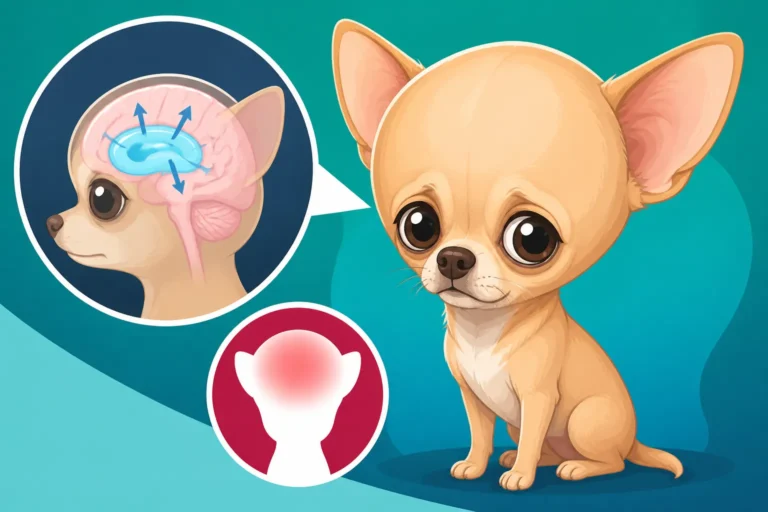
Hydrocephalus in apple head Chihuahuas involves excessive cerebrospinal fluid accumulation and genetic skull structure risks.
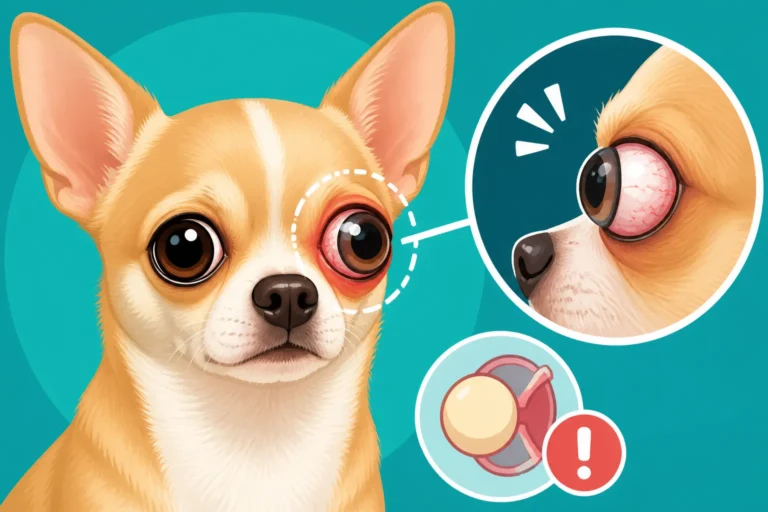
Chihuahua eye problems from shallow sockets create vulnerability to accidental scratches, trauma, and chronic conditions.

Aging Chihuahua heart disease risks include mitral valve thickening, leaky valves, early coughing signs, and progressive heart failure stages.

Chihuahua jaw anatomy and crowded teeth containing forty-two adult teeth cause severe oral health issues and rapid plaque buildup.

The Chihuahua molera is an unfused skull fontanelle that remains open in many adult dogs as a normal breed characteristic.
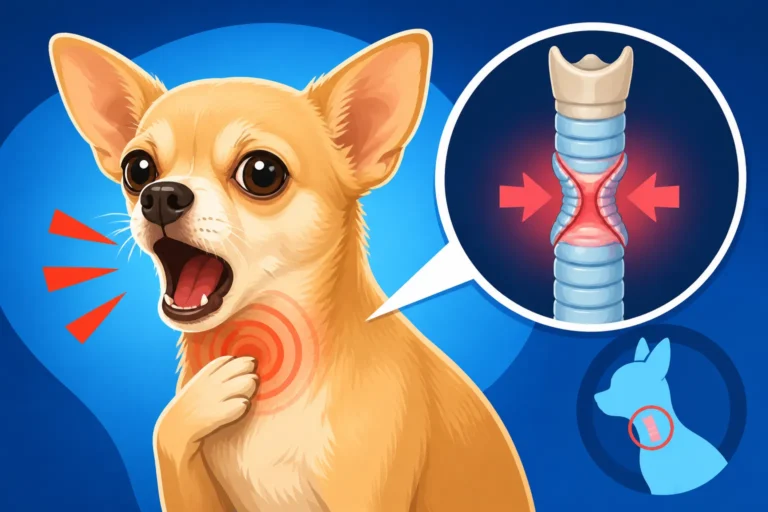
Collapsing trachea in Chihuahuas causes a goose-like honking cough when weak cartilage rings flatten and restrict airflow.

Chihuahua hypoglycemia causes sudden weakness and collapse in tiny puppies with rapid metabolisms and limited internal reserves.
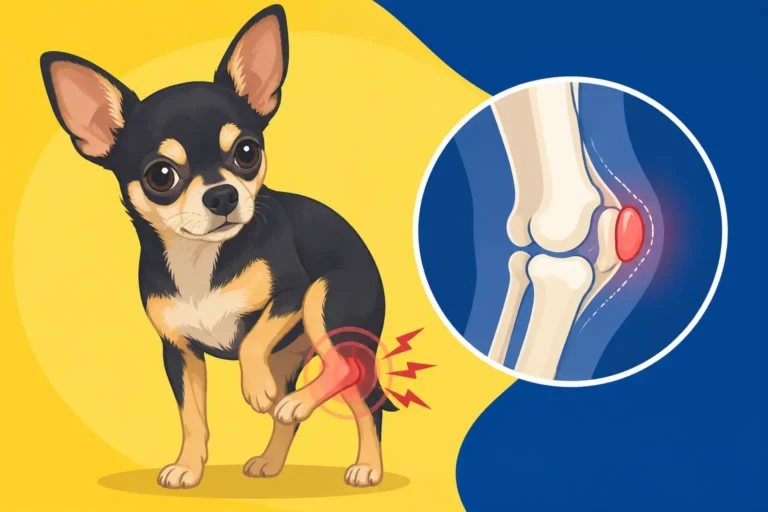
Patellar luxation in Chihuahuas causes the kneecap to slip out of the trochlear groove, leading to mobility issues and joint damage.

Chihuahua longevity factors, including slower growth rates and low physical stress, explain why healthy dogs live fourteen to sixteen years.