Whether a Chihuahua Knee Needs Surgery at All
Patellar luxation in Chihuahuas explains when slipping kneecaps require surgery versus conservative management across four grades.
Know what to watch for.
Breed-specific conditions, screening and DNA tests, what surgery actually costs, and the daily habits that stretch a healthy lifespan.

Patellar luxation in Chihuahuas explains when slipping kneecaps require surgery versus conservative management across four grades.

Patellar luxation, neck strain, and paw injuries cause four to six pound Chihuahuas to yelp briefly and then walk normally.
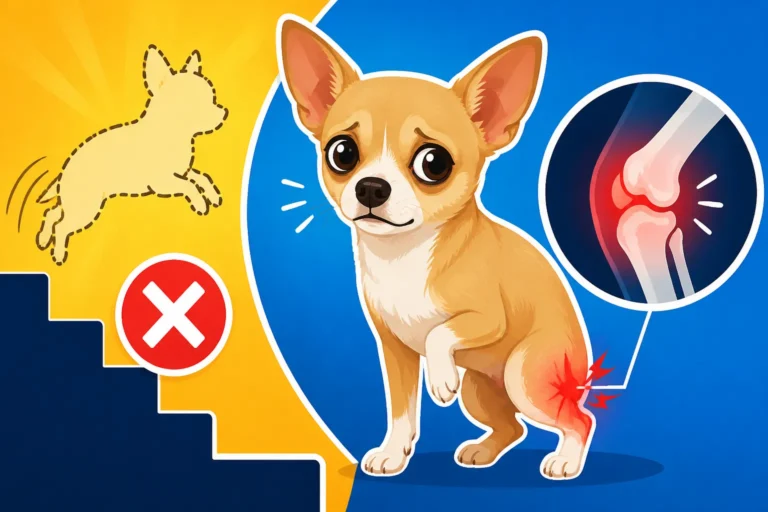
The Chihuahua skipping step indicates patellar luxation, a slipped kneecap caused by shallow grooves and bone misalignment.
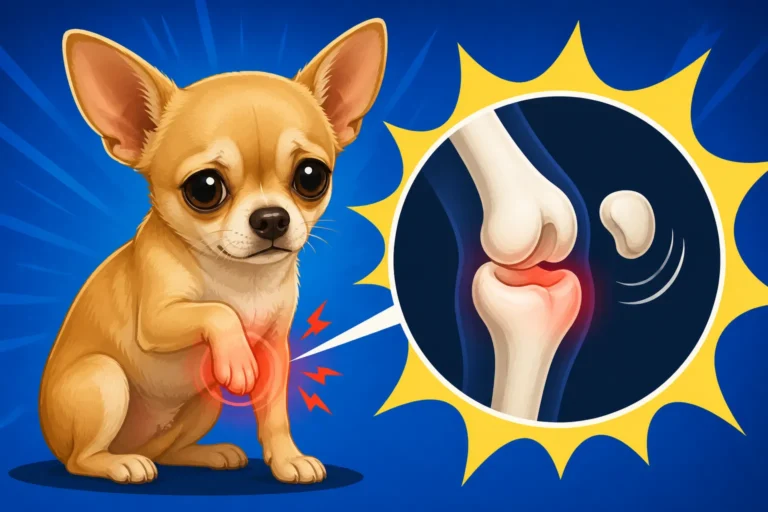
Patellar luxation in Chihuahuas causes a persistently dislocated kneecap, affecting comfort, mobility, and life quality.
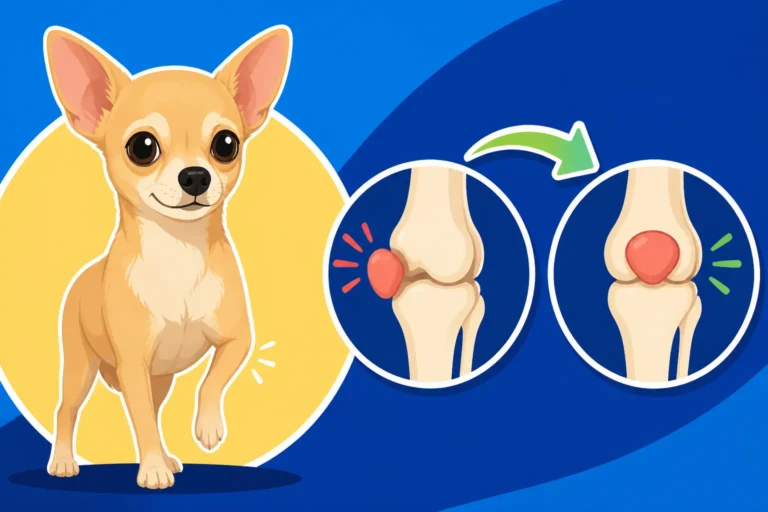
Grade one patellar luxation in Chihuahuas is a mild knee issue where the kneecap slips and then quickly corrects itself.
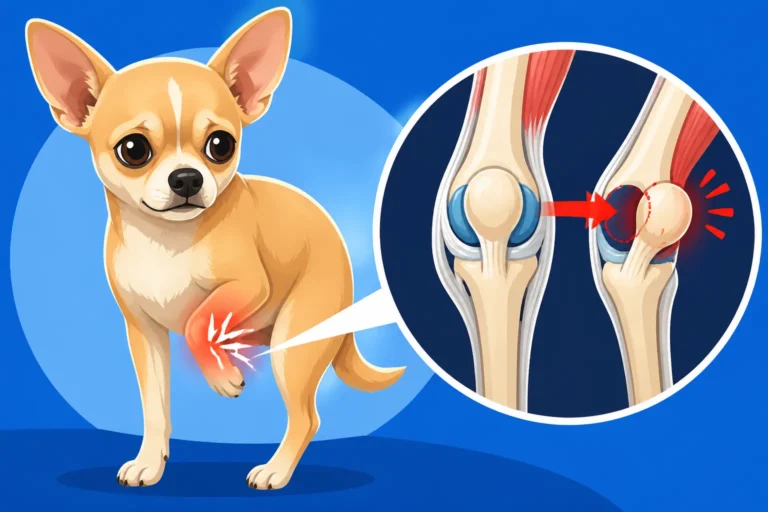
Patellar luxation mechanisms in Chihuahuas explain how shallow grooves and off-center ligaments cause kneecap dislocations.

Hidden genetic conditions, patellar luxation, and heart disease that shorten a Chihuahua lifespan, plus everyday environmental dangers.

Chihuahuas enter their senior years between ten and twelve years old, making the traditional seven-year rule completely inaccurate.

Standard Chihuahua size standards and the health risks of extreme teacup breeding determine whether smaller dogs live longer.

Chihuahua longevity factors, including compact size and genetics, explain why these dogs frequently live up to twenty years.