Keeping a Chihuahua in a Studio Apartment
Chihuahua exercise needs in a studio apartment require two to three daily walks of fifteen to twenty minutes and engaging indoor puzzle toys.
Is this the right one for you?
Origins and temperament, size and coat, what living with one is actually like, and how it compares to the breeds people weigh against it.

Chihuahua exercise needs in a studio apartment require two to three daily walks of fifteen to twenty minutes and engaging indoor puzzle toys.

Chihuahua and cat cohabitation requires understanding different temperaments, natural instincts, and resource guarding behaviors for peace.

Adding a second Chihuahua can provide companionship and play, but owners must carefully consider separation anxiety before deciding.

Chihuahuas face fatal risks from larger dogs due to size disparity and rough play styles, requiring constant owner vigilance.

Integrating a Chihuahua and a Labrador requires managing size differences and contrasting temperaments to ensure household safety.
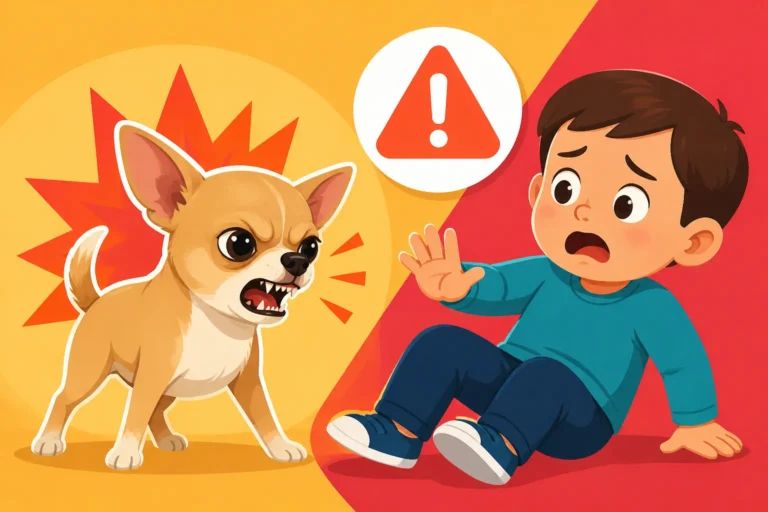
Chihuahua anxiety and defensive instincts around unpredictable children explain why small dogs risk snapping and biting toddlers.

Chihuahuas and toddlers living together present injury risks due to the dog fragile size and unpredictable toddler behavior.

Chihuahua vigilance and watchful behavior stem from ancient instincts, terrier spirit, and protective loyalty to owners.

Chihuahua terrier-like alertness explains why the small dogs act as vigilant watchdogs reacting to every sound and movement.

Chihuahua reputation stereotypes and small dog syndrome analysis explains if yappy behavior is inherent or caused by poor socialization.