Budgeting for a Chihuahua With Chronic Dental Disease
It’s a heart-wrenching reality that many Chihuahua owners face: chronic dental disease. While these tiny dogs capture our hearts with their big personalities, their small mouths often harbor big problems. If you're currently wrestling with vet bills for ongoing dental issues, or if you're preparing for the inevitable with a young pup, you're not alone. This guide will walk you through why Chihuahuas are so prone to these issues and, crucially, how to budget effectively for the specialized, ongoing care they desperately need.
Understanding Why Chihuahuas Are Prone to Dental Disease
It’s easy to look at a Chihuahua and think they're just a smaller version of a bigger dog, but their oral anatomy tells a different story. These tiny pups come with a set of predispositions that make dental disease almost a guarantee without vigilant care. It's not just bad luck; it's often built into their very design.
The Anatomy of a Chihuahua's Mouth
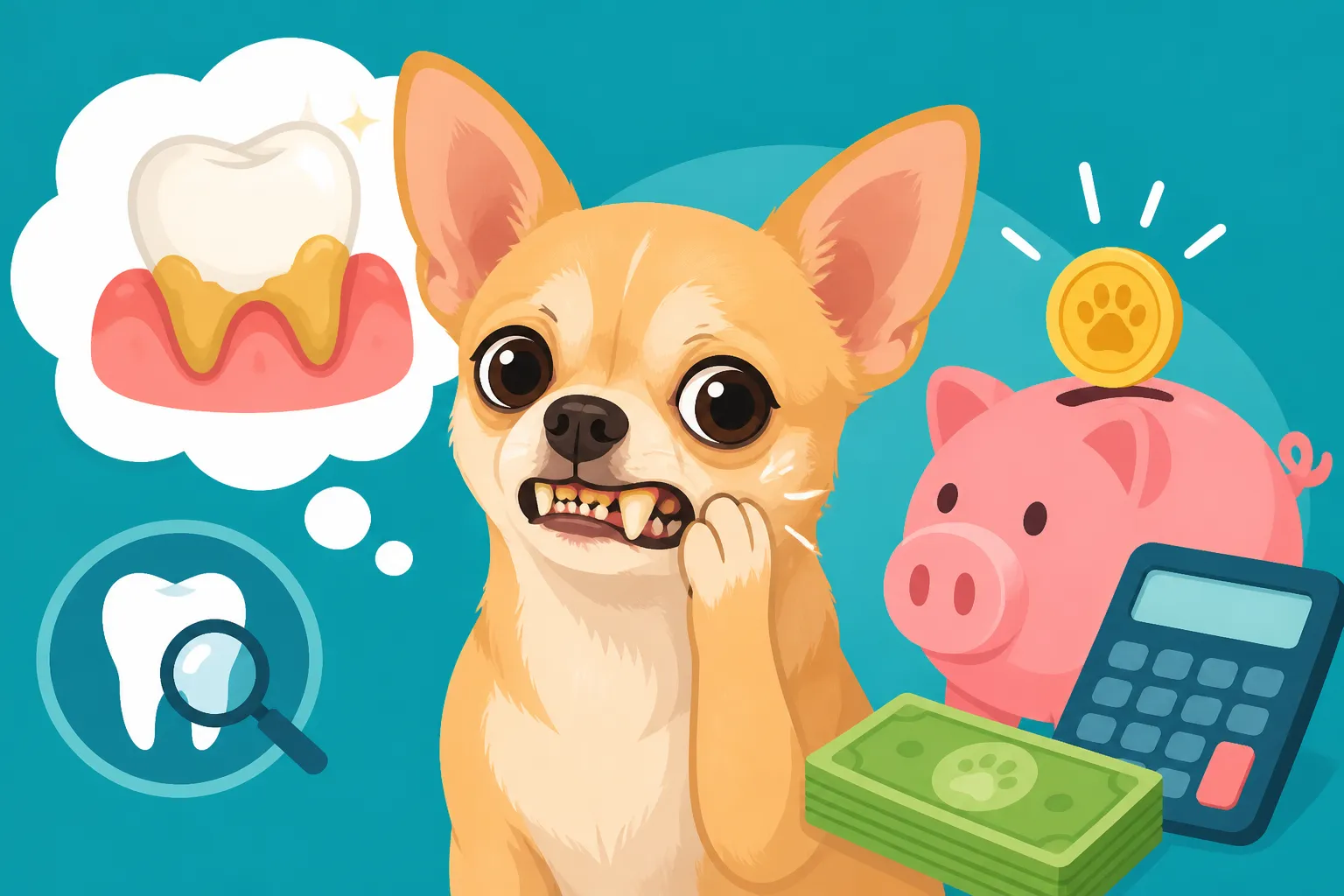
Imagine trying to fit a full set of adult human teeth into a child's mouth – that’s essentially what’s happening in a Chihuahua’s tiny jaw. Chihuahuas have the same number of teeth as much larger breeds, typically 42 permanent teeth, packed into an incredibly compact space. This severe overcrowding is the root (pun intended!) of many problems. When teeth are jammed together, they create crevices and overlaps where food particles and bacteria can easily get trapped. These tight spaces are incredibly difficult for owners to clean, even with the best intentions and the tiniest of toothbrushes.
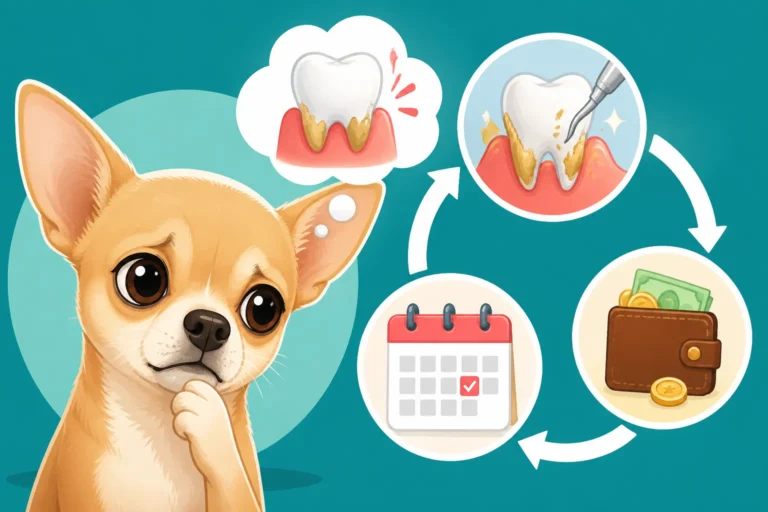
This constant trapping of debris leads directly to plaque and tartar buildup. Plaque is a sticky film of bacteria, and if not removed daily, it hardens into tartar, a cement-like substance that clings to the tooth surface. Tartar is rough and irritating to the gums, initiating the inflammatory process that eventually leads to periodontal disease. It's a vicious cycle where the very structure of their mouth works against them, making good oral hygiene a constant, uphill battle. Many owners are surprised to learn just how quickly these issues can escalate. If you want to dive deeper into this, you might find our article on Chihuahua Dental Disease in a Crowded Small Jaw particularly insightful.
The Speed of Dental Decay in Small Breeds
It’s not just the crowding; Chihuahuas and other toy breeds also seem to accumulate plaque and tartar at an accelerated rate compared to their larger canine counterparts. While a Golden Retriever might go years before needing a dental cleaning, a Chihuahua often needs one by age two or three, sometimes even earlier. There are a few theories about why this happens. One is that toy breeds tend to have more alkaline saliva, which can promote faster tartar formation. Another factor is simply their metabolism and genetics. Some Chihuahuas are just predisposed to rapid dental decay, regardless of their diet or how diligent their owners are with home care.
Compounding this is the fact that many Chihuahuas are fed primarily kibble, and while some believe kibble helps "scrape" teeth clean, the reality is often different, especially with overcrowded mouths. Tiny kibble pieces can still get stuck, and the scraping effect is minimal. Without regular mechanical brushing, these dogs are highly susceptible to early onset and aggressive periodontal disease. This means that by the time they are five or six, many Chihuahuas are already facing multiple tooth extractions. It's truly disheartening to watch, and it's why it's crucial to understand Why Chihuahuas Lose Teeth Younger Than Big Dogs and take action early.
The Financial Reality of Chronic Chihuahua Dental Care
Let's be frank: owning a Chihuahua with chronic dental disease isn't just emotionally taxing; it's financially demanding. The costs can add up quickly, sometimes catching owners completely off guard. It's not a one-time fix but an ongoing commitment. Understanding where your money is going can help you prepare.
Routine Cleanings and Anesthesia Costs
For a Chihuahua prone to dental issues, routine professional cleanings aren't a luxury; they are a medical necessity, often recommended annually, or even every six to nine months, depending on the severity and speed of tartar buildup. These cleanings are always performed under general anesthesia. Why anesthesia? Because a proper dental cleaning involves scaling below the gumline, polishing, and a thorough oral exam, including dental X-rays – things no dog, especially a tiny, potentially anxious Chihuahua, would tolerate while awake.
The cost associated with anesthesia for a small dog like a Chihuahua can be higher than you might expect. This isn't just about the drugs; it's about the specialized monitoring required for a tiny patient. Chihuahuas, with their small body mass, can lose body heat quickly and are more susceptible to anesthetic complications. Vets often use specialized warming blankets, advanced monitoring equipment (ECG, blood pressure, pulse oximetry), and dedicated technicians to ensure their safety. This intensive care, while vital, contributes to the overall bill. Many vets also require pre-anesthetic bloodwork to ensure the internal organs are functioning properly, adding another layer to the cost. If you're curious about the specifics, reading about Anesthesia Charges on a Four Pound Chihuahua can give you a clearer picture of what's involved.
Tooth Extractions and Associated Expenses
Even with excellent routine care, extractions are often an unavoidable part of chronic dental disease in Chihuahuas. When periodontal disease progresses, the bone supporting the tooth can erode, making the tooth loose, painful, and a source of infection. Leaving diseased teeth in place can lead to systemic health problems, affecting the heart, kidneys, and liver. Each extraction is a surgical procedure, and the cost can vary significantly depending on the tooth's location and how complex the extraction is.
A simple extraction might involve just loosening and removing a single-rooted tooth. However, many Chihuahua teeth, especially the molars, have multiple roots, and these can be notoriously difficult to remove without fracturing. Surgical extractions, where the gum tissue is flapped back and bone is removed to access the roots, are far more involved and expensive. Aftercare might include antibiotics to fight infection and pain medication to keep your pup comfortable during recovery. These costs add up, often turning a routine cleaning into a significant financial event. It's a tough reality, and understanding What Chihuahua Extractions Cost Per Tooth is critical for your budget planning.
Dealing with Jaw Fractures and Other Complications
Beyond routine cleanings and extractions, chronic dental disease can lead to more severe, and more costly, complications. One of the most alarming is a jaw fracture. When severe periodontal disease eats away at the jawbone, especially in the slender lower jaw of a Chihuahua, the bone can become incredibly fragile. A jaw can fracture during a complicated tooth extraction, or even spontaneously from chewing on a hard toy or just a strong sneeze if the bone is severely compromised.
If a jaw fracture occurs, it requires immediate veterinary attention, often involving specialized surgical repair, which can be complex and expensive, potentially involving pins, wires, or plates to stabilize the jaw. This is an emergency scenario, and the bills can quickly escalate into the thousands, often requiring referral to a veterinary dental specialist. This is a stark reminder of why addressing dental disease promptly is so important, not just for comfort but for preventing catastrophic outcomes. We have more information on this sobering topic in our post about Jaw Fractures From Chihuahua Dental Disease.
| Dental Procedure Component | Description | Why It Costs What It Does (Shape of Cost) |
|---|---|---|
| Pre-Anesthetic Bloodwork | Essential to check organ function and ensure the dog is a good candidate for anesthesia. | Labs cost money. Tailored panels for small, older dogs may be chosen. |
| Anesthesia & Monitoring | General anesthesia, IV fluids, continuous heart rate, blood pressure, oxygen saturation, temperature monitoring. | Drugs, specialized equipment for tiny patients, dedicated trained veterinary technicians. Warming measures for tiny dogs like Chihuahuas are critical. |
| Full Mouth Dental X-Rays | Crucial for assessing bone loss, root health, unerupted teeth, and detecting problems hidden below the gumline. | Digital X-ray equipment, specialized dental sensors, and vet tech/vet time to take and interpret images. Cannot be skipped for proper assessment. |
| Scaling & Polishing | Ultrasonic scaling to remove plaque/tartar from above and below the gumline, followed by polishing. | Dental tools, polisher, and the time of the veterinary team. Manual removal is often necessary for tight spaces. |
| Tooth Extractions | Surgical removal of diseased teeth. Can be simple or complex (surgical, sectioning roots). | Time, surgical instruments, sutures, local nerve blocks, post-operative medications. Complexity and number of teeth directly impact the cost. |
| Medications | Post-operative pain relief, anti-inflammatories, and antibiotics as needed. | Pharmaceuticals scaled to the Chihuahua's tiny weight. |
| Veterinarian Time | Examination, procedure, consultations with owner, charting. | The professional expertise and time of the veterinarian are a significant factor, especially for complex cases. |
Strategies for Budgeting and Mitigating Costs
The prospect of recurring dental bills can be overwhelming, but there are proactive steps you can take to manage these expenses and give your Chihuahua the best possible oral health. It requires a multi-pronged approach, combining diligent home care with smart financial planning.
Proactive Home Dental Care
While home dental care won't eliminate the need for professional cleanings, it can certainly extend the time between them and potentially reduce the number of extractions needed. The cornerstone of this is daily tooth brushing. Yes, daily! I know it sounds like a lot, but even a minute or two can make a huge difference. Use a toothbrush designed for small pets or even a finger brush, and always use dog-specific toothpaste (human toothpaste contains xylitol, which is toxic to dogs). Start young, make it a positive experience with lots of praise and tiny treats, and be consistent. It’s hard work, but it truly pays off. Our guide on Brushing a Chihuahua's Teeth Every Single Day offers practical tips to make this routine manageable.
Beyond brushing, you can explore other supplemental aids. Dental chews formulated for small breeds can help reduce plaque, but always supervise your Chihuahua to ensure they don't break off large pieces and choke. Some water additives are also designed to reduce bacteria in the mouth. When selecting these products, look for ones approved by the Veterinary Oral Health Council (VOHC) for proven efficacy. You can often find a good selection of VOHC-approved dental chews and oral hygiene products on sites like Chewy, making it easy to have them delivered right to your door. Remember, these are supplementary; they don't replace brushing or professional cleanings, but they can be part of a comprehensive strategy.
The Role of Pet Insurance and Wellness Plans
Pet insurance can be a lifesaver for unexpected veterinary emergencies, but its role in chronic dental disease is a bit more nuanced. Most standard pet insurance policies, like those offered by Healthy Paws, typically cover dental disease only if it’s caused by an accident or injury, or if it's a new condition that develops after enrollment. The critical phrase here is "pre-existing condition." If your Chihuahua already has signs of dental disease (even mild tartar or gingivitis) before you enroll, subsequent treatments for those existing issues, including extractions, are likely to be excluded. This is why it’s absolutely crucial to enroll your Chihuahua as a young puppy, ideally before their first vet visit confirms any dental issues.
Some insurance providers or veterinary clinics also offer "wellness plans" which are separate from traditional accident/illness insurance. These plans often include routine preventive care, and many will cover a yearly dental cleaning. However, they usually won't cover major dental surgery or extractions once significant disease is present. Carefully read the terms and conditions for both pet insurance and wellness plans to understand what dental care is actually covered. It’s an investment, but one that can cushion the blow of these inevitable bills. To understand the common pitfalls, check out our piece on Whether Chihuahua Insurance Covers Dental Disease.
Setting Up a Dedicated Savings Fund
Even with the best home care and pet insurance, you should still anticipate significant dental costs throughout your Chihuahua's long life. Because of their predisposition to dental disease, it's wise to set up a dedicated savings fund specifically for their annual dental cleanings and potential extractions. Think of it as a recurring utility bill rather than a surprise expense. Research typical dental cleaning costs in your area and estimate the potential cost of a few extractions. Then, divide that amount by 12 and set up an automatic monthly transfer into a separate savings account.
For example, if a cleaning averages a certain amount and you factor in a couple of extractions every few years, you might aim to save a fixed amount per month. This way, when the vet calls to say your Chihuahua needs a cleaning and possibly a few teeth out, you have the funds readily available without stress. This proactive budgeting allows you to make decisions based on your dog's health needs, not just your immediate bank balance. While not directly a budgeting tool, investing in high-quality, easily digestible food, like fresh food options from services like Ollie, can support overall health, which in turn can contribute to better dental health indirectly, though it’s not a substitute for active dental care. Taking control of the financial planning can truly make a difference in your Chihuahua’s quality of life. For more detailed budgeting tips, see our article on Budgeting a Chihuahua Dental Every Year.
Life After Significant Tooth Loss
It's a tough pill to swallow, but for many Chihuahuas, a lifetime of chronic dental disease means they will eventually lose a significant number of their teeth. This isn't necessarily a death sentence for their quality of life, but it does mean making some adjustments to ensure they remain comfortable and well-nourished.
Adjusting Diet and Feeding Methods
Once your Chihuahua has lost several teeth, especially molars, their ability to chew hard kibble can be severely compromised, or even become painful. This is where dietary adjustments become essential. You might need to transition them to a softened kibble (by adding water or broth), or even entirely to wet food. Some owners opt for a home-cooked diet or fresh food delivery services, ensuring the texture is soft enough for their sensitive gums. The key is to make sure they can eat comfortably and get all the nutrients they need without pain.
It's vital to monitor their eating habits closely after tooth loss. Are they still approaching their bowl with enthusiasm? Are they dropping food? Is their weight stable? Sometimes, even with soft food, they might struggle. You might need to hand-feed small amounts, or try different bowl heights to make eating easier. A Chihuahua with few teeth left can still live a happy and healthy life, but their diet needs to be tailored to their new oral reality. Our detailed guide on How a Toothless Chihuahua Eats can offer more specific advice on making these transitions smooth and stress-free for your little one.
Maintaining Comfort and Quality of Life
Beyond diet, maintaining overall comfort and quality of life for a Chihuahua with chronic dental disease or significant tooth loss is paramount. Even if teeth have been extracted, gum disease can recur around the remaining teeth, so continued vigilance and home care are still necessary. Regular vet check-ups are more important than ever, especially as your Chihuahua ages. Your vet can monitor their remaining teeth, check for any signs of infection, and assess their overall health, including nutrition and pain management.
Chihuahuas are known for their incredibly long lifespans, often living well into their teens. This means that managing chronic conditions, like dental disease, is a marathon, not a sprint. We owe it to these resilient little dogs to ensure their golden years are as comfortable and pain-free as possible, even if it means regular dental procedures or adjusting their lifestyle significantly. It's about seeing beyond the immediate problem and committing to their long-term well-being. For comprehensive advice on navigating these later years, our article on Senior Chihuahua Care Past the Age of Twelve provides invaluable insights.
Disclaimer
This article is for general informational purposes only and does not constitute professional advice. Laws, prices and regulations vary by location and change over time. Consult a qualified professional for guidance on your specific situation.