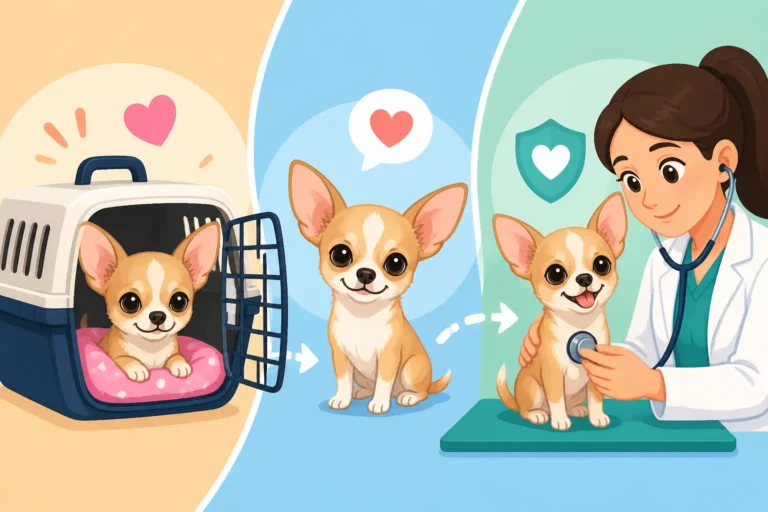
Chihuahua Costs in Year One Against Year Ten
Bringing a tiny Chihuahua into your home is an absolute joy, but it’s easy to get swept up in their adorable antics and forget about the practical side of things. Many new owners, especially those new to toy breeds, are genuinely shocked when they realize how much the financial landscape changes between the initial puppy stage and the golden years. This guide will walk you through the distinct financial commitments you'll face for your beloved Chihuahua, comparing the upfront investments of year one with the often-higher, specialized expenses that crop up as they reach their tenth year and beyond.
The Initial Burst: Chihuahua Costs in Year One
That first year with a new Chihuahua puppy is a whirlwind of excitement, firsts, and quite a few essential purchases. While the initial acquisition might be the biggest single line item, there's a cascade of necessary expenditures that follow to ensure your tiny companion gets the best start in life. These costs are often front-loaded, setting the foundation for a healthy and happy dog.
Puppy Purchase and Initial Vet Visits
The very first cost you'll encounter is, naturally, the price of the puppy itself. This can vary dramatically based on the breeder's reputation, the puppy's lineage, and even geographic location. A well-bred Chihuahua from a responsible breeder who performs health screenings for issues like Patellar Luxation, the Chihuahua's Commonest Joint Problem and ensures their dogs are sound will naturally come with a higher price tag than, say, a puppy from a less scrupulous source. This initial investment often includes their first round of vaccinations, deworming, and sometimes even microchipping.
However, the moment you bring that little bundle home, your vet visits begin in earnest. You'll need an initial check-up to establish care and ensure everything looks good. Then come subsequent rounds of puppy vaccinations, which are crucial for protecting their tiny, developing immune system. Don't forget about preventative medications for fleas, ticks, and heartworm, which are dispensed based on their miniature body weight. These early vet visits are vital for catching any potential issues, like Chihuahua Hypoglycemia and the Puppy Emergency, before they escalate, and they represent a significant, non-negotiable expense in that first year.
Essential Gear and Setup
Once the puppy is home, you realize just how many tiny things they need to thrive. A secure carrier is a must for vet trips and safe travel; remember that flying a Chihuahua in cabin has its own set of rules and associated costs. Then there’s a comfortable, appropriately sized crate for training and safe resting, which is crucial for Chihuahua Crate Training. You’ll need a soft bed that retains warmth, as Chihuahuas are prone to shivering and need help regulating their body temperature. Don't underestimate the need for several blankets for burrowing, too!
When stocking up on all those initial supplies, online retailers like Chewy become invaluable for finding everything from tiny harnesses and leads (essential for protecting a fragile windpipe, as discussed in Why a Harness Matters for a Chihuahua Windpipe) to nail clippers and a soft brush for either a smooth or long coat. Toys are another big one – Chihuahuas have surprisingly strong little jaws, so durable, small toys are key. And then there's food. Selecting a high-quality puppy food, portioned correctly for their tiny stomachs, is paramount. You might even want to invest in a kitchen scale to accurately measure their meals, as even a quarter-ounce difference can impact a Chihuahua's calorie intake when they only need around Two Hundred Chihuahua Calories.
Early Training and Socialization
The first year is also the prime window for socialization and basic obedience training. While it might be tempting to baby a tiny Chihuahua, treating them exactly like a big dog when it comes to training is crucial for their long-term well-being and preventing behavioral issues. Puppy classes are an excellent investment, offering controlled exposure to other dogs and new environments, helping to build their confidence. These classes usually involve a fee, and you might need to try a few different trainers to find one who understands toy breed dynamics.
Beyond formal classes, there's the ongoing cost of training treats – tiny, high-value rewards that fit within their strict calorie budget. Positive reinforcement is the name of the game, and those little treats add up. Consider also things like puppy pads for house training, especially if you live in a cold climate or have a high-rise apartment where quick outdoor trips aren't always feasible. The investment in a good trainer or puppy class can pay dividends by preventing problems down the line, saving you from needing a behaviorist to address issues like Chihuahua Fear Reactivity, the Breed's Real Problem. It's an investment in a well-adjusted, confident companion, rather than a tiny tyrant.
The Long Haul: Chihuahua Costs in Year Ten and Beyond
As your Chihuahua gracefully transitions into their senior years, typically around the age of eight to ten, the nature of your financial commitments shifts considerably. While the initial flurry of puppy purchases fades, new, often more significant, costs emerge, primarily centered around maintaining their health and comfort. This is where the true long-term budget for a Chihuahua Lifespan and Why the Breed Reaches Sixteen truly comes into focus.
Shifting Healthcare Needs as They Age
By year ten, many Chihuahuas are moving into their senior phase, and with age comes an increased likelihood of developing age-related health conditions. Regular veterinary check-ups often become more frequent, sometimes twice a year, and often include more extensive bloodwork to monitor organ function. Conditions like Chihuahua Heart Disease as the Breed Ages or kidney disease can require ongoing medications, specialized diagnostic tests like echocardiograms, and frequent vet visits.
Dental care, which should have been a priority from year one, becomes absolutely critical. Chihuahuas are notoriously prone to dental disease due to their crowded small jaws. By year ten, many will have already had several professional cleanings, and it's highly probable that tooth extractions will be necessary. These procedures often involve anesthesia, which carries a higher risk for tiny, older dogs, and the overall Anesthesia Risk During a Chihuahua Dental requires careful monitoring, driving up costs. The cumulative effect of these recurring dental bills makes them perhaps Chihuahua Dental Bills as the Biggest Recurring Cost throughout their lives. Specialized medications for arthritis or other chronic pain, common in older dogs, also become regular expenses.
Senior Nutrition and Comfort
An older Chihuahua's dietary needs can change. They might require a food specifically formulated for senior dogs, which often contains different protein levels, joint support, or ingredients to support cognitive function. Some may develop sensitivities or conditions that necessitate prescription diets, which tend to be more expensive than regular kibble. For Chihuahuas struggling with appetite or dental issues, you might even consider fresh food delivery services. Brands like Ollie offer fresh, pre-portioned meals that can be easier for older Chihuahuas to eat and digest, tailored to their exact caloric needs.
Comfort becomes paramount in their later years. Heated beds can be a godsend for arthritic joints or Chihuahuas who struggle to stay warm. Ramps and steps become crucial for safe access to furniture, protecting their fragile knees and backs from injury. You might find yourself investing in new, softer bedding, or even additional sweaters and coats to keep them cozy during colder months. The goal is to make their environment as comfortable and accessible as possible, which sometimes means replacing worn-out items or adding new creature comforts tailored to their aging bodies. Ensuring they maintain a healthy weight is also critical; even a pound or two extra on a tiny frame can exacerbate joint problems, so carefully calculating their daily calories and sticking to a diet is essential for Chihuahua Obesity on a Six Pound Frame.
Ongoing Routine Expenses
Even into their senior years, many basic expenses remain consistent, though some might see a slight increase. Regular grooming, whether done at home or by a professional, continues to be necessary, especially for long-haired Chihuahuas prone to matting. Flea, tick, and heartworm prevention are lifelong commitments. While these might not seem like huge individual costs, they are non-negotiable and add up over time.
Additionally, as Chihuahuas age, they might require specialized items like puppy pads if bladder control starts to wane, or even diaper wraps for incontinence. Their eyesight or hearing may begin to fail, necessitating changes in your home environment or additional training to help them navigate their world safely. While the excitement of new toys might diminish, providing appropriate mental stimulation with puzzle toys or gentle play is still important, albeit with items that might be softer or easier on their aging teeth. The cumulative effect of these routine care items, combined with elevated veterinary costs, means that the Monthly Cost of Keeping a Chihuahua in its senior years can be substantially higher than in its youthful prime.
Why Chihuahua Costs Shift Over Time (And How to Prepare)
Understanding that the financial commitment to a Chihuahua is not static but evolves significantly over their long lifespan is key to being a responsible owner. The differences between year one and year ten are stark, primarily due to the shift from preventative and foundational expenses to managing age-related health challenges. Preparing for these shifts requires foresight and proactive planning.
The Impact of Preventative Care and Early Choices
The choices you make in your Chihuahua's early years can have a profound impact on their health and your wallet down the line. Investing in a puppy from a reputable breeder who screens for genetic conditions like patellar luxation, providing proper nutrition from day one, committing to consistent dental hygiene (like daily brushing as detailed in Brushing a Chihuahua's Teeth Every Single Day), and ensuring regular preventative vet care can significantly reduce the incidence and severity of problems as they age. Think of it as an upfront investment in long-term health.
Conversely, skimping on these early essentials can lead to much higher costs later. For example, neglecting dental care can result in widespread extractions and even jaw fractures in older Chihuahuas, incurring massive vet bills that could have been mitigated by consistent home care and regular professional cleanings. Failing to address Chihuahua Obesity on a Six Pound Frame in their younger years can accelerate joint degeneration and lead to more severe arthritis requiring extensive medication and even Chihuahua Kneecap Surgery Costs down the line. These early decisions truly shape the financial trajectory of your Chihuahua's life.
The Value of Pet Insurance as a Chihuahua Ages
One of the most powerful tools for mitigating the financial shock of senior Chihuahua care is pet insurance. While it's an ongoing monthly expense, enrolling a Chihuahua when they are young and healthy means that many conditions that might develop later won't be considered "pre-existing." This is particularly important for a breed prone to specific health issues. A good policy can cover a significant portion of unexpected vet bills, from diagnostics for a new heart murmur to the cost of medications for chronic conditions or emergency surgeries.
Providers like Healthy Paws are popular choices, often offering comprehensive coverage that can provide immense peace of mind. While premiums might increase slightly as your Chihuahua ages, having coverage in place before conditions like heart disease or advanced dental issues arise can save you thousands of dollars in a single year. It's truly about buying security against the unpredictable nature of an aging pet's health. Without it, you might find yourself facing difficult decisions based solely on finances when your beloved senior needs care the most. For a full breakdown, explore Chihuahua Pet Insurance and Its Low Premium.
Budgeting for the Unexpected
Beyond routine care and insurance, it's prudent to create an emergency fund or savings account specifically for your Chihuahua. Even with insurance, there are deductibles and co-pays, and some treatments might not be fully covered. Unexpected accidents, sudden illnesses, or even a specialized consultation with a veterinary cardiologist (especially for conditions like those mentioned in Chihuahua Heart Disease as the Breed Ages) can quickly escalate into bills well beyond what you might anticipate.
Thinking about the full Budgeting for a Chihuahua That Lives Sixteen Years means recognizing that your expenditures won't be linear. There will be peaks and valleys. The first year is a peak of initial setup and puppy care, but the senior years often present the highest ongoing costs due to medical needs. A realistic financial plan acknowledges these fluctuating demands and ensures you're prepared to provide the best possible care for your tiny companion, no matter their age.
Here's a simplified comparison of typical costs between a Chihuahua's first year and its tenth year:
| Category | Year One Typical Experience | Year Ten Typical Experience | Notes |
|---|---|---|---|
| Acquisition Cost | High (Puppy purchase) | N/A (unless adopting a senior dog, often lower fees) | One-time cost for the pet itself. |
| Vet Visits & Vaccines | Frequent (Puppy shots, deworming, initial health checks) | Regular (Senior check-ups, potentially twice-yearly, blood panels, diagnostics) | Shifts from developmental care to age-related health monitoring. |
| Preventative Meds | Consistent (Flea, tick, heartworm for low weight) | Consistent, potentially more varied (Arthritis medication, supplements, continued preventatives) | Medications can become more complex and expensive for chronic conditions. |
| Food & Nutrition | Puppy formula, accurate portioning | Senior diet, specialty/prescription foods, appetite stimulants, easier-to-eat textures (like Ollie) | Dietary needs can change significantly; more expensive options may be necessary. |
| Dental Care | Preventative home care (brushing supplies) | Professional cleanings, likely extractions, higher anesthesia risk costs | Becomes a major, recurring expense. |
| Pet Insurance Premiums | Lower (Younger dog, fewer pre-existing conditions) | Higher (Older dog, more potential claims, though early enrollment locks in benefits) | Crucial for mitigating high senior vet bills; best to enroll early. |
| Supplies & Comfort | Initial setup (Crate, bed, toys, harness, puppy pads) | Replacements, specialized items (Heated beds, ramps, softer bedding, special clothing) | Focus shifts from initial setup to enhancing comfort and accessibility for an aging dog. |
| Training & Behavior | Puppy classes, basic obedience | Behaviorist if new issues arise from pain or cognitive decline | Front-loaded in youth; may reappear if senior changes cause new behaviors. |
| Emergency Fund Usage | Less likely (accidents, hypoglycemia in puppies) | More likely (sudden illness, critical health events) | The risk of urgent, high-cost vet care increases with age. |
Disclaimer
This article is for general informational purposes only and does not constitute professional advice. Laws, prices and regulations vary by location and change over time. Consult a qualified professional for guidance on your specific situation.