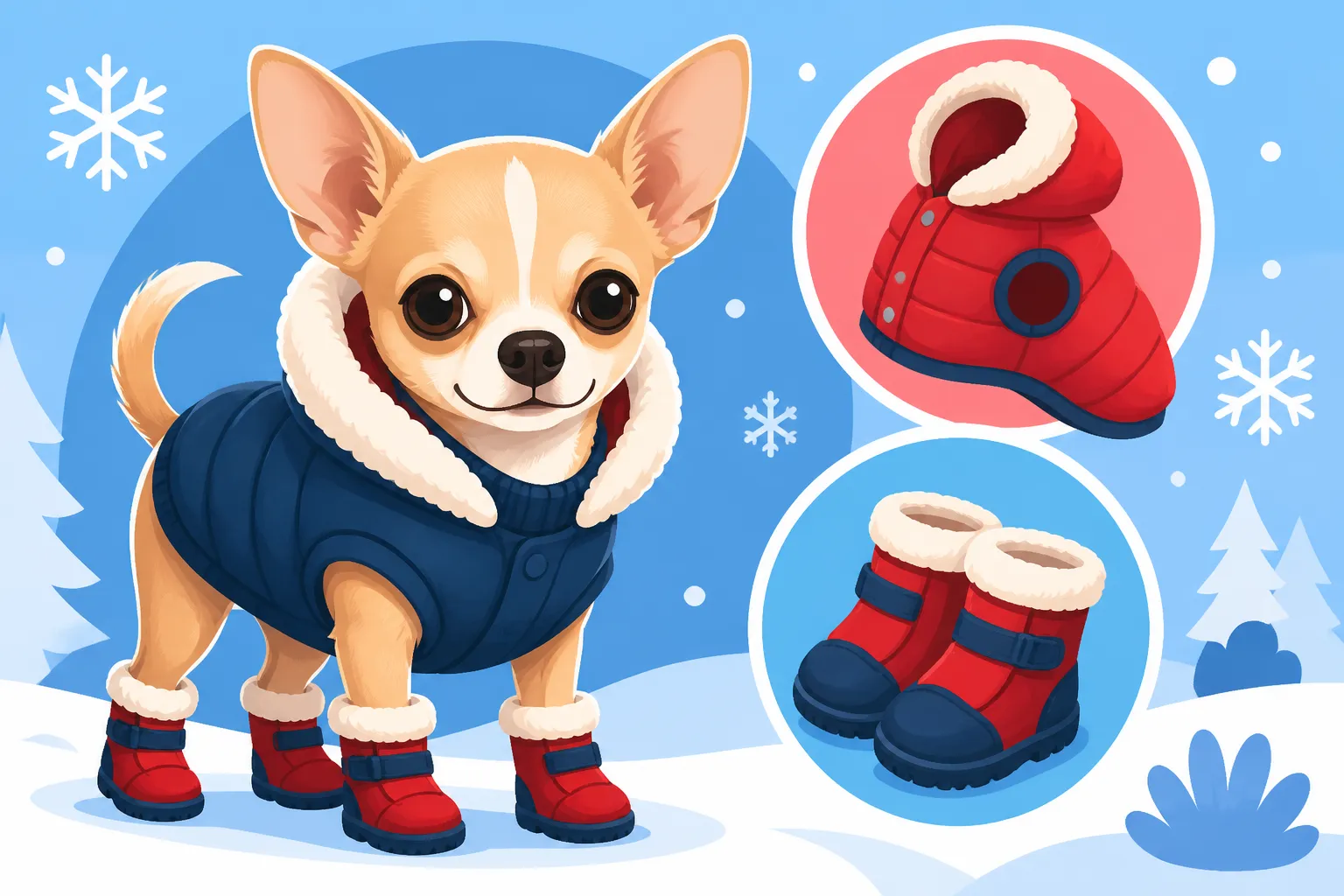
Chihuahua Winter Coats and Boots
Oh, the chill in the air! If you're a Chihuahua parent, you know that crisp autumn breeze quickly turns into a serious dilemma when winter truly sets in. Our tiny companions, despite their fierce spirits, simply aren't built for the cold, leaving many of us worrying about their safety and comfort during even the shortest outdoor excursions. This comprehensive guide is here to unravel the mysteries of keeping your pint-sized pal toasty warm, diving deep into the world of Chihuahua winter coats and boots so you can confidently face the colder months together.
The Imperative for Winter Wear: Why Chihuahuas Get So Cold
It's not just about looking adorable in a little sweater – though they certainly do! For Chihuahuas, winter gear is less a fashion statement and more a crucial layer of protection. Understanding why they struggle with cold temperatures helps us appreciate just how vital these items are.
The Physiological Realities of a Small Dog in Winter
Chihuahuas possess a unique physiology that makes them particularly susceptible to cold. Unlike many breeds with thick undercoats designed for insulation, Chihuahuas typically have fine hair, whether it's a smooth coat or the longer, wispy variety. This thin covering offers minimal protection against the elements. More significantly, their diminutive size means they have very little body fat to act as a natural insulator. Think about it: a larger dog has more mass, which generates and retains heat more efficiently. A Chihuahua, with its tiny frame, has a much larger surface area relative to its body volume, leading to rapid heat loss. This high surface-to-volume ratio means their core body temperature can drop much faster than a big dog's.
Their metabolism also plays a role. While they might shiver to generate warmth, this expends energy quickly, which can be dangerous for a breed already prone to issues like low blood sugar if not fed regularly. When cold, their bodies are working overtime just to try and maintain a normal temperature, diverting energy from other essential functions. It's a constant struggle for them in chilly weather, even when indoors in what we might consider a comfortable room. If you've ever wondered Why a Chihuahua Shivers Indoors, you're seeing their body's desperate attempt to stay warm.
Recognizing the Signs of Hypothermia and Discomfort
Knowing your Chihuahua is cold is the first step in helping them. The most obvious signs include persistent shivering, a hunched posture, and an unwillingness to move or play. You might notice them lifting their paws off the cold ground, trying to seek warmth under furniture or burying themselves in blankets. However, there are more subtle indicators that owners should be aware of.
A cold Chihuahua might become unusually quiet, have low energy, or develop a decreased appetite. Their gums might appear paler than usual, and they might whine or whimper, desperately trying to get picked up and carried. They may even tuck their tail tightly between their legs, not just from fear, but as a physical response to draw their body into a more compact, heat-retaining shape. It’s crucial to take these signs seriously, as small dogs can develop hypothermia rapidly. Prolonged cold exposure can lead to serious health issues beyond just a chill, including frostbite on delicate paws and ears, a weakened immune system making them more prone to illness, and it can even exacerbate underlying conditions like joint pain, which is common in the breed, such as Chihuahua Patellar Luxation, the Chihuahua's Commonest Joint Problem. In young puppies, cold stress can also contribute to dangerous drops in blood sugar, similar to Chihuahua Hypoglycemia and the Puppy Emergency. Always remember, if you feel cold, your Chihuahua is likely feeling even colder.
Dressing Your Chihuahua for Success: Choosing the Right Coat
Choosing the right winter coat for your Chihuahua isn't just about picking out the cutest design. It's about providing functional, safe, and effective warmth. There's a surprising amount of variety out there, and understanding the differences can make all the difference to your dog's comfort.
Navigating Coat Types for Optimal Warmth and Protection
When it comes to Chihuahua winter wear, you'll generally encounter a few main types, each serving a slightly different purpose. Sweaters are fantastic for mild temperatures, for keeping drafts off indoors, or as a base layer under a heavier coat. They come in various materials like soft fleece, cozy wool blends, or acrylic. While they offer comfort and a basic layer of warmth, they aren't usually windproof or waterproof, making them less suitable for serious outdoor exposure.
For truly cold outdoor walks, puffer jackets or insulated coats are essential. These are designed to mimic human winter jackets, featuring a water-resistant or waterproof outer shell (often nylon or polyester) and an insulated lining, typically synthetic fill or fleece. The key here is effective belly coverage, as their underside is very exposed to cold air and snow. Look for wind-blocking capabilities to prevent bitter winds from cutting through.
For extreme cold, deep snow, or extended outdoor time, snowsuits or full-body overalls offer maximum protection. These garments cover most of your Chihuahua's body, including their legs, which prevents snow from clumping and freezing onto their fur. While they can be a bit more challenging to put on, they provide comprehensive warmth and protection against harsh conditions. It's important to note that even long-coat Chihuahuas, despite their extra fur, often have fine hair that isn't dense enough to offer true insulation, so they benefit just as much from proper outerwear.
The Critical Art of Sizing and Fit for Chihuahuas
This is where many owners get frustrated! Chihuahua sizing can be incredibly inconsistent between brands, and a poor fit renders even the best coat useless. To get it right, you'll need a soft tape measure and your patient Chihuahua. The three most critical measurements are:
- Back Length: Measure from the base of their neck (where their collar sits) to the base of their tail. This ensures the coat covers their vital organs and doesn't cut off too short.
- Chest Girth: This is the most important measurement. Measure around the widest part of their rib cage, just behind their front legs. The coat needs to fit snugly but not tightly here, allowing for full movement and preventing cold air from getting in.
- Neck Circumference: Measure around their neck where a collar would naturally rest.
Always compare these measurements to the specific brand's size chart, not just the general "Small" or "X-Small" label. Consequences of a poorly fitting coat range from mild discomfort to genuine hazards. A coat that's too tight can restrict movement, hinder circulation, and cause chafing, especially around the armpits or belly. One that's too loose can be ineffective at insulating, allow cold air to seep in, and even become a tripping hazard or slip off entirely. Ensure the coat allows full leg movement and doesn't restrict their shoulders or hips. Retailers like Chewy are incredibly helpful here, as they often provide detailed sizing guides for each product and include customer reviews with photos, which can be invaluable when trying to visualize how a coat will fit your unique Chihuahua.
Essential Features for a Functional and Safe Winter Coat
Beyond style and fit, several key features make a winter coat truly functional and safe for your small dog. First and foremost, look for a harness or leash access point. Many coats have a small opening on the back or an integrated D-ring, allowing you to attach a leash directly to a harness worn under the coat. This is absolutely crucial for Chihuahua safety, as their delicate windpipes can be easily damaged by collar pressure, making a harness the preferred walking tool. We delve deeper into this topic in Harnesses That Spare a Chihuahua Windpipe.
Adjustability is another non-negotiable feature. Velcro straps, elastic drawstrings, or buckles around the chest, neck, and belly allow you to customize the fit, ensuring it's snug enough to keep warmth in without being restrictive. In low-light winter conditions, visibility is paramount. Choose coats with reflective piping, bright colors, or even integrated LED lights to make your Chihuahua more visible to cars and pedestrians. Finally, consider ease of use and durability. A coat that's simple to put on and take off will reduce stress for both you and your Chihuahua, especially if they're not thrilled about getting dressed. Look for machine-washable materials and robust stitching that can withstand regular use and cleaning throughout the winter season.
Paw Protection: The Necessity of Chihuahua Winter Boots
Winter boots might seem like a luxury, but for a Chihuahua, they're often a necessity. Their tiny paws are particularly vulnerable to the harsh realities of winter environments.
Protecting Delicate Paws from Winter's Assault
Imagine walking barefoot on a frozen sidewalk covered in rock salt – that's essentially what your Chihuahua experiences without paw protection. The dangers of winter ground surfaces for Chihuahuas are manifold. Extremely cold asphalt, concrete, and even snow can lead to painful frostbite on their delicate paw pads. Sharp ice shards hidden under snow or rough icy patches can cause cuts and abrasions.
Perhaps even more insidious are the chemical irritants used to melt ice and snow. Road salt, magnesium chloride, and other de-icing agents are caustic. They can cause painful chemical burns and cracking on paw pads. Worse, if your Chihuahua licks their paws after a walk (which most dogs do), they can ingest these toxic substances, leading to gastrointestinal upset, kidney damage, or even more severe poisoning. Additionally, snow and ice can accumulate between their paw pads, forming painful ice balls that make walking difficult and can also lead to frostbite. Beyond these direct threats, boots provide vital traction on slippery surfaces, helping to prevent falls and injuries, especially for Chihuahuas prone to joint issues.
Overcoming the Challenge of Finding and Fitting Chihuahua Boots
Let's be honest, finding boots that actually stay on a Chihuahua's tiny, often oddly shaped feet is a notorious struggle for many owners. The "frozen paw" dance is almost a rite of passage for new boot wearers! The key to success lies in specific design features. Look for boots with high-quality, multiple velcro straps per boot, or elastic toggles that cinch securely around the ankle. A boot that relies on a single, flimsy strap is likely to be kicked off within minutes.
The material of the boot is also important. You'll want a waterproof yet flexible outer shell (like neoprene or a softshell fabric) to keep paws dry, paired with a soft inner lining for comfort. The sole should be non-slip and durable, providing grip without being too heavy or stiff for their small gait. Accurate measurement is, once again, crucial. Measure your Chihuahua's paw while they are standing, bearing weight. Trace their paw on a piece of paper, then measure the widest part (width) and the longest part (length, from the heel pad to the longest toenail, not the tip of the boot). Many owners find starting with a more affordable set for training purposes is wise before investing in premium, high-tech options once their Chihuahua is accustomed to wearing them.
Gentle Introduction: Training Your Chihuahua for Boots
Most Chihuahuas won't instinctively love wearing boots. Patience and positive reinforcement are absolutely paramount. Start the training process before winter's chill truly sets in. Begin indoors, in a calm environment. Put just one boot on, immediately follow with a high-value treat and enthusiastic praise. Let them wear it for just a minute or two, distracting them with a favorite toy or a bit of their preferred wet food. Then take it off. Repeat this process, gradually adding more boots and increasing the wear time.
Make it a game, not a punishment. If they seem uncomfortable, take a break. The goal is to build a positive association with the boots. You'll likely witness the "high step" or "frozen foot" dance, where they walk exaggeratedly or lift their paws high. This is a normal initial reaction as they adjust to the strange sensation. Don't laugh or get frustrated; simply continue with treats and praise. Once they tolerate boots indoors for several minutes, try a very short walk outside in the yard or a quiet area. Distraction is your friend during these first outdoor attempts. With consistent, positive training, many Chihuahuas will eventually accept wearing boots, understanding that they lead to comfortable outdoor adventures.
Holistic Winter Care: Beyond Just Gear
While winter coats and boots are indispensable, keeping your Chihuahua comfortable and healthy through the colder months is a broader endeavor. It involves integrating these items into a thoughtful, all-encompassing winter routine.
Safe Outdoor Adventures and Indoor Alternatives
Even with the best winter coat and boots, caution is key during cold weather walks. Shorten walk durations in extreme cold, especially when temperatures drop below freezing or when there's a significant wind chill. Your Chihuahua’s small stature puts them closer to cold surfaces and wind, amplifying the chill. Always monitor your dog closely for any signs of discomfort – if you're feeling cold, they're likely feeling much colder. Never, ever leave your Chihuahua unattended outside in winter, not even for a "quick" potty break, as they can quickly become hypothermic or suffer frostbite.
When outdoor conditions are simply too harsh, or if your Chihuahua is particularly sensitive to cold, prioritize indoor exercise and mental stimulation. Engaging in games like indoor fetch, hide-and-seek with treats, or using puzzle toys can keep them active and entertained without exposing them to the elements. You can find more ideas for Indoor Games for a Chihuahua to keep their minds and bodies engaged. Consider local dog-friendly indoor spaces or even specific doggy daycares that cater to small breeds if available in your area. After any outdoor excursion, even with boots, it’s a good practice to quickly wipe down their paws and lower legs to remove any lingering salt or chemicals.
Creating a Warm and Cozy Home Environment
Your home should be a sanctuary of warmth for your Chihuahua during winter. Ensure their primary sleeping area is warm and free from drafts. Chihuahuas are natural burrowers, so providing extra blankets, soft beds, and cozy "den-like" spaces where they can nestle and retain body heat is incredibly important. You might notice them instinctively making Blanket Nests and Chihuahua Burrowing under covers or in piles of laundry.
Consider investing in a heated pet bed for their favorite resting spots, especially if your home can get a bit chilly. These provide a consistent, gentle warmth that can be incredibly comforting. If you're wondering about their safety, we have a detailed guide on Heated Beds and Whether They Are Safe. Additionally, be mindful of your home's thermostat setting. What feels comfortable to you (say, 68-70°F) might still be a little chilly for a Chihuahua with minimal body fat. Raising the thermostat a few degrees or ensuring their favorite spots are extra insulated can make a big difference. We explore this further in Setting a Thermostat Around a Chihuahua.
Overall Health Considerations for Winter Wellbeing
Beyond gear and environmental control, maintaining your Chihuahua's general health is paramount for their winter wellbeing. Regular veterinary check-ups are always important, but especially before the colder months, to ensure there are no underlying health issues that could make them more vulnerable to cold or illness. This is particularly true for older Chihuahuas, as discussed in Senior Chihuahua Care Past the Age of Twelve, as their ability to regulate body temperature can diminish with age.
Proper nutrition is vital to provide them with the energy needed to generate warmth and maintain a robust immune system. Discuss your Chihuahua's diet with your vet to ensure they're getting appropriate calories and nutrients for their size and activity level. While it might seem intuitive to let them gain a little extra weight for insulation, obesity can lead to a host of other health problems and strain on delicate joints. Maintaining a healthy, lean weight is always the goal, as explored in What One Extra Pound Does to a Chihuahua. Don't forget hydration; dogs can still get dehydrated in winter, so ensure they always have access to fresh water. By taking a holistic approach, you can ensure your Chihuahua remains happy, healthy, and warm throughout the winter season.
Here’s a quick overview of the different types of winter gear to help you choose:
| Gear Type | Primary Purpose | Best Conditions | Key Features | Chihuahua Benefits |
|---|---|---|---|---|
| Sweater | Mild warmth, indoor drafts | Mild cold (above 40°F), indoor use | Soft fabric (fleece, wool blend), pullover/snap closure | Basic comfort, stylish, layering |
| Insulated Jacket/Coat | Outdoor warmth, weather protection | Cold (20-40°F), light snow/rain | Waterproof/windproof outer, insulated lining, belly coverage, harness opening | Essential for walks, prevents hypothermia |
| Snowsuit/Overall | Full body warmth, extreme conditions | Extreme cold (below 20°F), deep snow | Full leg/chest coverage, often integrated hood, durable waterproof material | Maximum protection from snow/ice/wind, prevents snowballs |
| Winter Boots | Paw protection, traction | Ice, snow, de-icers, very cold pavement | Waterproof material, non-slip sole, secure multiple straps | Prevents frostbite, chemical burns, ice balls, provides grip |
Disclaimer
The information provided in this guide is for general informational purposes only and does not constitute veterinary advice. Always consult with a qualified veterinarian for any health concerns or before making any decisions about your pet's care or treatment.