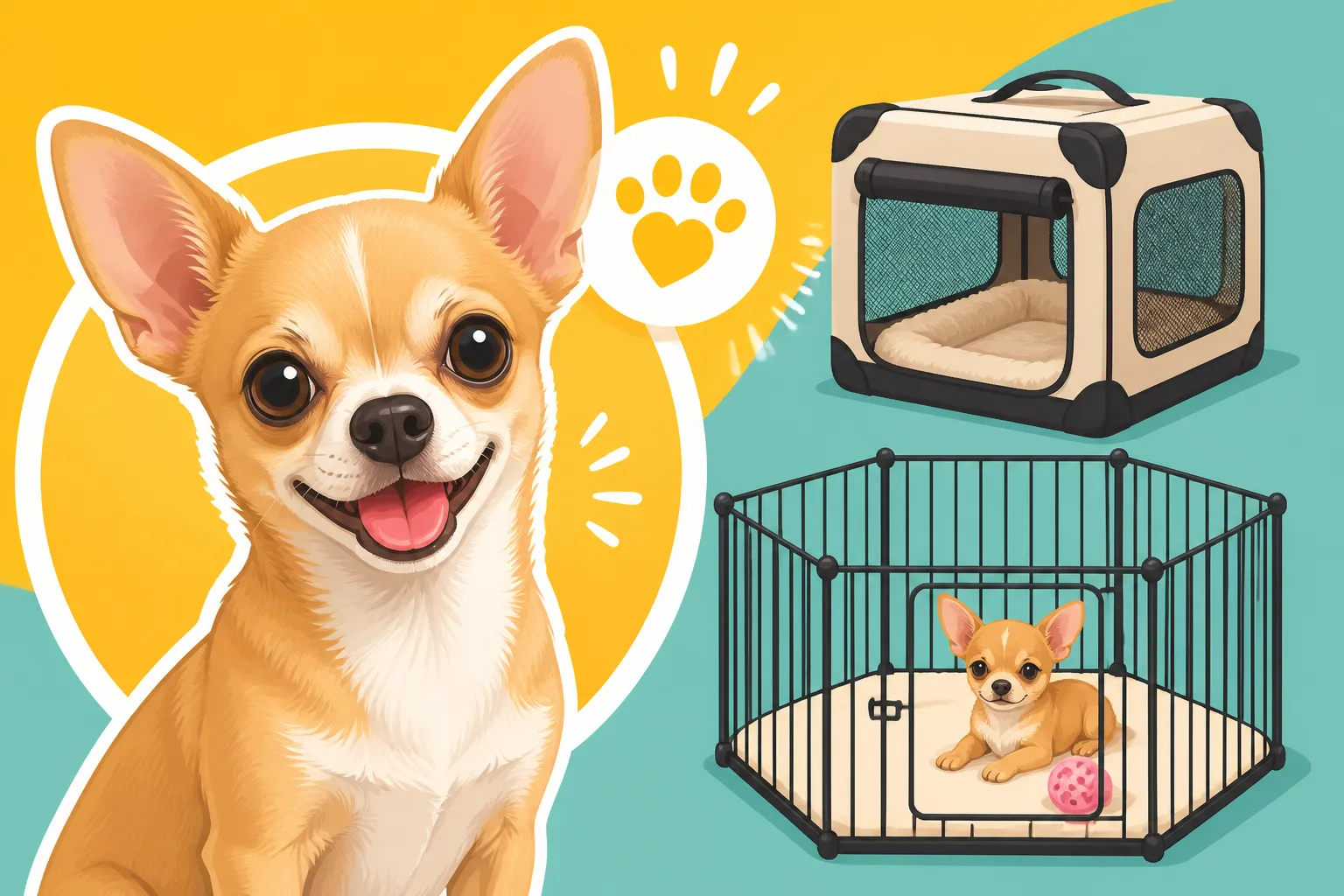
Chihuahua Crates and Playpens
Bringing a tiny Chihuahua into your home is an absolute joy, but it also comes with a unique set of considerations, not least of which is how to keep such a small, delicate creature safe and secure in what can feel like a giant world. It’s a common frustration for new Chi parents – how do you give them freedom without constant worry about accidental tumbles, bumps, or getting underfoot? This guide is going to walk you through everything you need to know about Chihuahua crates and playpens, from choosing the right one to integrating it seamlessly into your daily life, ensuring your little companion has a safe haven and you have peace of mind.
Why a Crate or Playpen is Essential for Your Chihuahua's Safety and Well-being
Chihuahuas might be small, but they have big personalities and an even bigger need for security. You might think confining them seems counterintuitive to their happiness, but when used correctly, a crate or playpen becomes a treasured safe space, not a punishment. It's about providing structure and protection in a world that wasn't built for a dog under six pounds.
Protecting Your Tiny Companion from Household Hazards
Let’s be honest: your home is full of potential dangers for a Chihuahua that simply don't exist for a larger dog. A busy kitchen can be a minefield of falling objects, hot spills, or accidental kicks. Open doors can lead to escapes. Larger pets, even well-meaning ones, can accidentally injure a tiny Chihuahua during play or even just by walking too close. Children, with their unpredictable movements and natural curiosity, might not always understand how fragile a Chihuahua can be.
This is where a designated safe zone truly shines. A playpen, for instance, offers a larger area for your Chihuahua to stretch out and play with their toys, while keeping them safely out of the hustle and bustle of family life. Imagine hosting a dinner party; instead of worrying about your tiny pup getting underfoot or stressed by strangers, they can relax in their secure playpen with a favorite chew, observing from a safe distance. Similarly, a crate can provide a temporary, secure spot when you're vacuuming, moving furniture, or just need to step out for a few minutes and want absolute assurance they won't get into anything dangerous. This isn't about isolating them; it's about active prevention of accidents that can be devastating for such a small dog.
Creating a Den for Security and Comfort
Despite their feisty reputation, Chihuahuas are still dogs, and dogs naturally seek out den-like spaces. Think of it like a cozy little cave where they can feel protected from the world. In the wild, dens offer shelter from predators and the elements, and for our domesticated Chihuahuas, that instinct translates into a desire for a secure, enclosed space. This is especially true for Chihuahuas who might feel overwhelmed by a large house, loud noises, or the sheer size of human family members.
When introduced properly, a crate becomes their personal sanctuary. It’s not just a cage; it’s a bedroom, a retreat, a place where they can curl up, feel snug, and truly relax. This sense of security can significantly reduce anxiety, especially for puppies or Chihuahuas new to your home. It's a spot where they know they won't be bothered, where they can chew on a toy without interruption, or simply enjoy a quiet nap. This private space can also be invaluable if your Chihuahua is feeling under the weather and needs extra rest, or if they just need a moment to themselves away from the general hubbub. Many Chihuahuas will voluntarily go into their crates when they need a break, signaling how much they appreciate having their own personal space.
Aiding in House Training and Behavior Management
House training a Chihuahua can sometimes feel like an uphill battle, especially with their tiny bladders. You might feel like you're constantly taking them outside, only for an accident to happen moments later indoors. This is where a crate becomes an invaluable tool. Dogs are naturally clean animals and generally won't soil their sleeping area if they can help it. By using a properly sized crate, you leverage this instinct.
When your Chihuahua is in their crate, they're less likely to have an accident, which means fewer mistakes for you to clean up and less opportunity for them to develop bad habits. They learn to hold it for short periods and associate going potty with being outside. Paired with a consistent schedule, positive reinforcement, and frequent potty breaks, crate training can dramatically speed up the house training process. If you’re struggling, you might find valuable insights in our article on House Training a Chihuahua With a Tiny Bladder. Beyond potty training, crates and playpens are excellent for managing behavior. A playpen gives a puppy a safe, contained area to play and explore without chewing on furniture or electrical cords. For an adult Chihuahua, it can be a "safe zone" during moments of over-excitement, preventing them from jumping on guests or engaging in unwanted behaviors. It’s a management tool that sets your Chihuahua up for success.
Choosing the Right Crate for Your Chihuahua
Once you've decided a crate is the way to go, the next step is picking one that perfectly suits your tiny companion. It's not a one-size-fits-all situation, and what works for a Labrador certainly won't work for a three-pound Chihuahua.
Understanding Crate Types and Materials
There's a surprising variety of crates out there, each with its own benefits and drawbacks. Knowing the differences will help you make the best choice for your Chihuahua and your lifestyle.
-
Wire Crates: These are probably the most common type you'll see. They offer excellent ventilation, which is great for Chihuahuas who can get warm easily, and provide a clear view of their surroundings. They're typically durable, easy to clean, and many models fold flat for storage or travel. Many wire crates also come with a divider panel, which is incredibly useful for adjusting the size as your Chihuahua puppy grows or for creating a snug space for an adult. On the downside, some Chihuahuas might find them less "den-like" and too exposed, which can increase anxiety. You can mitigate this by covering part of the crate with a blanket or a dedicated crate cover to create a cozier, more private feel. You can often find a good selection of these and accessories on sites like Chewy.
-
Plastic/Airline-Style Crates: Often used for air travel (hence the name), these crates are sturdy, more enclosed, and feel much more like a true den. They offer a greater sense of security for some Chihuahuas and are easy to clean if accidents happen. The solid sides also prevent drafts, which can be a plus for Chihuahuas who tend to get chilly. However, they offer less visibility and ventilation than wire crates, which means you'll need to be mindful of placing them in areas with good airflow, especially in warmer climates. They aren't typically collapsible, so they take up more space when not in use.
-
Soft-Sided Crates: Lightweight and portable, soft-sided crates are fantastic for travel, trips to friends' houses, or temporary setups. They're often made of fabric over a collapsible frame, making them very cozy and comfortable. They're easy to set up and take down, and many come with carrying cases. The major drawback, however, is their durability. A determined chewer can quickly make short work of a fabric crate, and they offer less protection against escape for a clever or anxious Chihuahua. They are not recommended for unsupervised use, especially with puppies or Chihuahuas prone to chewing.
-
Furniture-Style Crates: These are designed to blend seamlessly with your home decor, often looking like end tables or other furniture pieces. They can be quite aesthetically pleasing and prevent the "cage in the living room" look. Made from wood or composite materials, they offer a solid, den-like feel. The main downsides are their cost, which can be significantly higher than other types, and their lack of portability. Once assembled, they're generally meant to stay put. If you're looking for a permanent, stylish solution and your Chihuahua isn't a strong chewer, these can be a lovely option.
Sizing the Crate for Optimal Comfort and Potty Training
This is perhaps the most critical aspect of choosing a crate for a Chihuahua, especially if you're using it for house training. The general rule is that the crate should be just large enough for your Chihuahua to stand up, turn around comfortably, and lie down. Nothing more, nothing less.
If the crate is too large, your Chihuahua might decide one end is their sleeping area and the other end is their potty spot, completely defeating the purpose of using their natural instinct to keep their den clean. This is why many wire crates come with a movable divider. For a puppy, you'll start with a very small section of the crate, gradually expanding it as they grow and their bladder control improves. For an adult Chihuahua, you’ll want to measure them from the tip of their nose to the base of their tail when standing, and from the top of their head to the floor. Add a few inches to these measurements to ensure ample space for them to move without being cramped. A crate that's too small, on the other hand, is cruel and uncomfortable. They need to be able to stretch out fully. It's a delicate balance, but getting the size right makes all the difference in making the crate a positive experience.
| Crate Type | Pros | Cons | Ideal Use Case |
|---|---|---|---|
| Wire Crate | Excellent ventilation, durable, foldable | Less den-like, can feel exposed | General use, house training, adjustable sizing |
| Plastic/Airline | Den-like, secure, good for travel, sturdy | Less ventilation/visibility, not foldable | Travel, secure den, draft-free |
| Soft-Sided | Lightweight, portable, cozy, easy setup | Not chew-proof, less secure, not for all | Temporary use, travel, calm adult Chihuahuas |
| Furniture-Style | Aesthetically pleasing, blends with decor | Expensive, not portable, less durable for chewers | Permanent indoor den, stylish home integration |
Making the Crate a Positive, Inviting Space
The crate should be a happy place, a welcoming retreat, never a place associated with punishment. The key to successful crate training is positive association. Fill it with comfort and fun!
Start by adding a super soft, machine-washable bed or blanket that your Chihuahua can burrow into. Chihuahuas love to snuggle and create little nests, so give them something plush. Next, introduce high-value, safe toys. A KONG filled with peanut butter or a bit of their regular food (you can even freeze it for longer enjoyment) is a fantastic way to make the crate appealing. Offer a special chew toy that they only get when they're in the crate. This builds a strong positive association. You can even place a worn t-shirt or blanket with your scent inside, which can be incredibly comforting, especially for a puppy adjusting to a new home. Avoid leaving collars or harnesses on your Chihuahua when they're in the crate, as these can snag and pose a choking hazard. Remember, the goal is to make the crate so inviting that your Chihuahua chooses to go in there on their own, whether for a nap, a treat, or just a little quiet time.
Selecting the Ideal Playpen for Your Chihuahua
While a crate offers a secure, den-like space, sometimes your Chihuahua needs a bit more room to stretch their legs, play, and have access to water or a potty spot for longer periods. This is where a playpen becomes an absolute lifesaver.
Benefits of a Playpen Over a Crate for Certain Situations
Think of a playpen as an expanded, safe "room" for your Chihuahua, rather than just a bed. It offers significantly more space than a crate, allowing for a water bowl, food dish (if needed), a cozy bed, and plenty of toys, alongside an indoor potty solution like a pee pad or a small artificial grass patch. This extra room makes playpens ideal for situations where your Chihuahua might need to be confined for slightly longer durations than would be appropriate for a crate, such as when you’re out of the house for a few hours.
A playpen is particularly excellent for puppies who are still learning bladder control and need consistent access to a potty spot, even when unsupervised. It prevents them from having accidents all over your house while still giving them room to move around and play, which is crucial for their physical and mental development. For adult Chihuahuas, a playpen can serve as a safe zone during family gatherings, when you have repair people in the house, or when you just need a contained area where they can play safely while you're occupied with other tasks. It gives them freedom within boundaries, which is a fantastic balance for these energetic little dogs.
Types of Playpens: From Indoor Soft-Sided to Outdoor Metal Pens
Just like crates, playpens come in a variety of styles and materials, each suited for different needs and environments.
-
Soft-Sided Fabric Playpens: These are incredibly convenient for portability and temporary setups. Made from durable fabric over a lightweight frame, they're easy to fold up and carry, making them perfect for travel, trips to the park, or simply moving from room to room. Many models offer mesh windows for ventilation and visibility, and they often come with zippered tops for added security if your Chihuahua is a jumper. They provide a cozy, enclosed space, but they aren't chew-proof. A determined Chihuahua could potentially chew through the fabric, and they offer less stability than metal or plastic options. They're best suited for calm, non-chewing Chihuahuas or for supervised use.
-
Metal Wire Playpens: These are the workhorses of the playpen world. Composed of interlocking or hinged metal panels, they are incredibly sturdy, chew-proof, and highly configurable. You can shape them into a square, rectangle, or octagon, and even expand them by adding more panels. Many models are suitable for both indoor and outdoor use. The open wire design provides excellent ventilation and visibility. Their stability makes them an excellent choice for energetic puppies or Chihuahuas who might try to climb or push. The main downsides can be their weight and, for some, their industrial aesthetic. However, for maximum security and durability, especially if you plan to use it outdoors, a metal wire playpen is often the top choice. You can find these from brands like Midwest Homes for Pets or various options on Chewy.
-
Plastic Modular Playpens: Offering a middle ground between fabric and metal, plastic playpens are lightweight, easy to clean, and highly customizable. They usually consist of individual plastic panels that connect to form an enclosure. They're generally lighter than metal pens and can be more aesthetically pleasing than wire, with options for different colors. The plastic is non-porous, making cleanup a breeze for accidents. However, some Chihuahuas might find the plastic less sturdy than metal, and if your dog is a strong chewer, they could potentially damage the panels. They're a great option for indoor use where you need a bit more flexibility and easier cleaning than metal.
Ensuring Safety and Enrichment within the Playpen
A playpen is only as good as the environment you create within it. To ensure your Chihuahua's safety and happiness, thoughtful setup is key.
First and foremost, stability is paramount. Make sure the playpen is set up on a flat, stable surface and that all latches and connections are secure. For metal or plastic pens, check for any sharp edges or gaps where your tiny Chihuahua could get stuck or injure themselves. If using it outdoors, ensure it’s firmly anchored or heavy enough not to be knocked over by a gust of wind or an excited pup. Inside the playpen, provide a comfortable, washable bed or blanket. Since your Chihuahua will be spending more time here than in a crate, ensuring comfort is essential. Place a secure water bowl that won't tip over easily, as hydration is crucial. If you're using it for house training, strategically place puppy pads or an indoor grass patch in one corner, away from their sleeping and eating areas. This helps reinforce the idea of a designated potty spot. Most importantly, fill the playpen with a variety of safe, engaging toys to prevent boredom. Puzzle toys, chew toys, and soft plush toys can keep your Chihuahua mentally stimulated and happy. Remember, a bored Chihuahua is often a mischievous Chihuahua! Consider rotating toys regularly to keep things interesting.
Integrating Crates and Playpens into Your Chihuahua's Daily Routine
Successfully using crates and playpens with your Chihuahua isn't just about picking the right gear; it's about making them a positive and consistent part of their daily life. This takes patience, positive reinforcement, and understanding.
Crate Training: A Step-by-Step Guide for Tiny Pups
Crate training should always be a gradual, positive experience, especially for a tiny, sensitive Chihuahua. Never force your pup into the crate, and never use it for punishment.
- Introduce it Positively: Place the crate in an area where your Chihuahua spends a lot of time, like the living room. Leave the door open and toss treats or a favorite toy inside. Let them explore it on their own terms. Some Chihuahuas might be wary at first, so don't rush it. This is where having small, high-value training treats comes in handy.
- Short, Sweet Sessions: Once they're comfortable going in, start with very short periods. Lure them in with a treat, close the door for a few seconds, then open it and praise them enthusiastically. Gradually increase the time the door is closed. Stay nearby at first, so they know you haven't abandoned them. You can feed them their meals inside the crate with the door open, then with the door closed. Brands like Ollie, which offer pre-portioned, fresh meals, can make feeding time a special, high-value event associated with the crate.
- Practice Alone Time: Once they're comfortable with short periods, start leaving the room for a few minutes, then return. Slowly build up the duration. Give them a special, long-lasting chew toy (like a KONG) to keep them occupied. Always let them out before they start crying or whining, if possible. If they do cry, wait for a brief lull before opening the door to avoid rewarding the crying. Consistency is key. For more in-depth guidance on this, check out our article on Chihuahua Crate Training.
- Overnight Comfort: For nighttime, place the crate in your bedroom initially so your Chihuahua can hear and smell you. This can be very comforting for a young puppy. As they get older and more secure, you can gradually move the crate to its permanent spot, if desired. Remember that young puppies, especially Chihuahuas, have tiny bladders and may need to go out during the night, so be prepared for those middle-of-the-night potty breaks.
Using Playpens for Supervision, Safe Play, and "Time Out"
Playpens are incredibly versatile and can be used throughout your Chihuahua's day to manage their environment and provide structure.
For puppies, a playpen is a fantastic "puppy zone." When you can't give them 100% of your attention – perhaps you're cooking dinner or working from home – the playpen ensures they're safe, cannot get into trouble, and have access to their potty spot. This is far better than letting them roam free and potentially having accidents or chewing on something they shouldn't. You'll avoid those common First Year Mistakes Chihuahua Owners Make. It's also a great way to introduce them to new experiences from a safe distance, such as seeing other pets or children in the house without direct interaction initially.
For adult Chihuahuas, playpens can serve as a controlled environment for safe play, especially if you have guests over or if they need a "time out" from over-excitement, not as a punishment, but as a chance to calm down. If you have a Chihuahua prone to Chihuahua Separation Anxiety and Time Alone, a playpen can provide a sense of security while offering more space than a crate during your absence, reducing feelings of confinement. It can also be invaluable if your Chihuahua is recovering from an injury, like a knee surgery from Patellar Luxation, the Chihuahua's Commonest Joint Problem, and needs limited movement. The playpen allows them more room to move comfortably than a crate while still restricting high-impact activities like jumping.
Avoiding Common Mistakes: Over-Crating and Misuse
While crates and playpens are wonderful tools, they are not meant to be permanent housing or a substitute for interaction. Over-crating can lead to behavioral problems, anxiety, and even health issues.
Chihuahuas are highly social animals who thrive on companionship. They should not be left in a crate for excessive periods. A general guideline is typically no more than 3-4 hours for adult Chihuahuas during the day, assuming they have had adequate exercise and potty breaks beforehand. Puppies will need even more frequent breaks due to their small bladders and developmental needs. If you work long hours, a playpen (with access to water and a potty area) might be a more appropriate solution than a crate for periods up to 6-8 hours, or ideally, arranging for a midday dog walker.
Never, ever use the crate or playpen as a form of punishment. If your Chihuahua associates their safe space with negative experiences, they will learn to fear it, and all the benefits will be lost. The crate should always be a place of comfort, security, and positive associations. If you notice your Chihuahua struggling with the crate or playpen, exhibiting extreme anxiety, destructive behavior, or excessive vocalization, it’s a sign that something isn't working. It might be too small, they might not be fully comfortable with it yet, or they could be experiencing separation anxiety. In such cases, consulting with a professional dog trainer or veterinary behaviorist can provide tailored guidance and support. The goal is always to enhance your Chihuahua's well-being, not diminish it.
Disclaimer
Please remember that the information provided in this guide is for educational and informational purposes only and does not constitute veterinary advice. Always consult with a qualified veterinarian for any health concerns or before making any decisions about your Chihuahua's care, diet, or training.