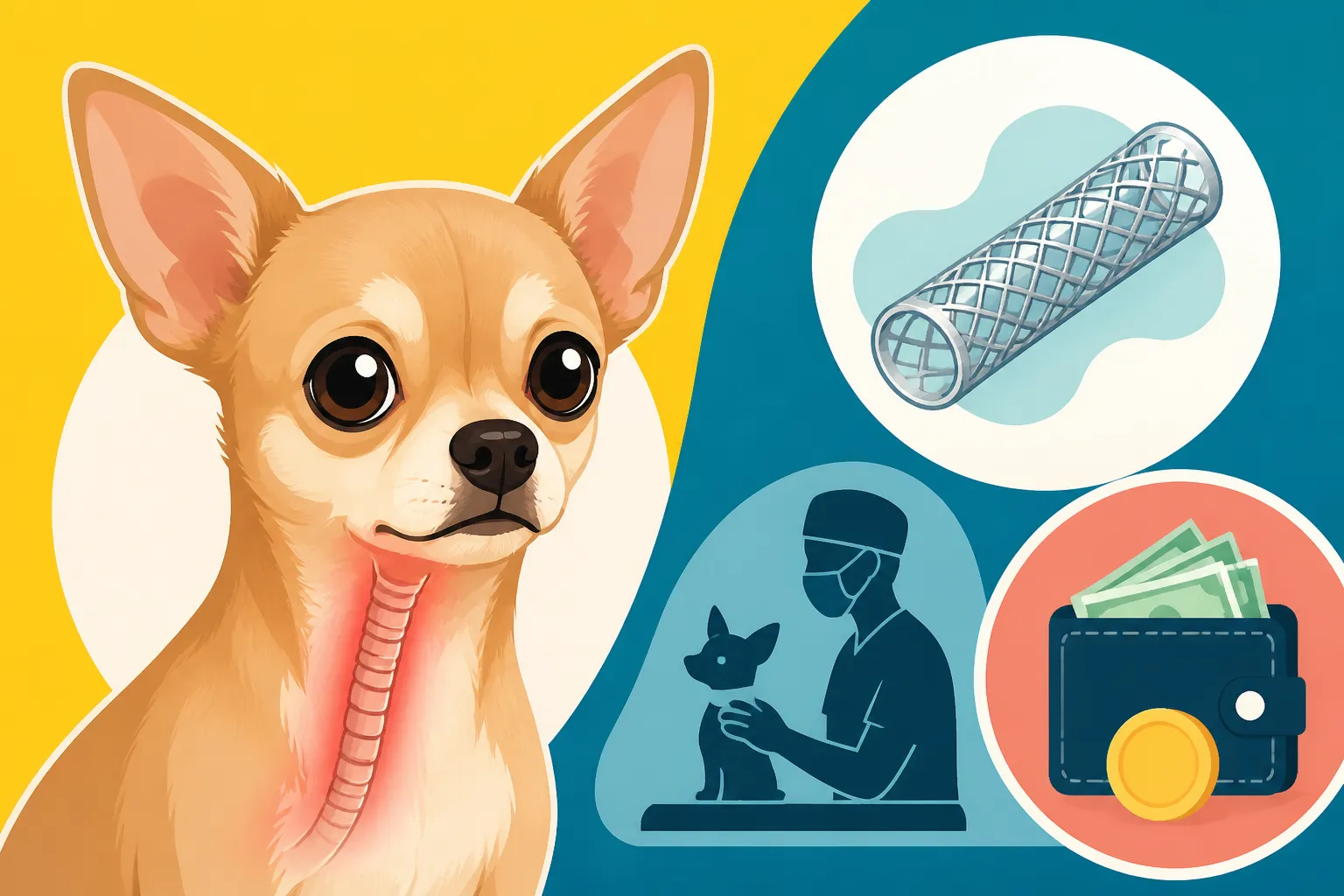
Chihuahua Tracheal Stent Cost at a Specialist
It’s utterly heartbreaking to watch your tiny Chihuahua struggle for every breath, the characteristic honking cough turning into a constant, debilitating battle. When conservative treatments like cough suppressants and weight management just aren’t enough, the idea of a tracheal stent can feel like a last, desperate hope, but the potential costs can be overwhelming. This guide is here to walk you through exactly what a tracheal stent procedure entails for your beloved little dog, breaking down the often-daunting expenses involved when seeking care from a veterinary specialist.
Understanding Tracheal Collapse in Chihuahuas and Why a Stent is Considered
Tracheal collapse is a progressive respiratory condition that is unfortunately quite common in toy breeds like Chihuahuas. It occurs when the cartilage rings that support the windpipe weaken and flatten, making it difficult for air to pass through. For Chihuahua owners, this often starts as a mild, intermittent cough that sounds like a goose honk, especially when they get excited, pull on their collar, or drink water too quickly. Over time, for some dogs, this can worsen significantly, leading to severe breathing difficulties, cyanosis (blue gums), and even collapse. It's a terrifying experience for both the dog and their human.
Initially, veterinary care focuses on medical management, which includes things like cough suppressants, anti-inflammatory medications, bronchodilators, and sometimes sedatives to reduce anxiety that can exacerbate coughing. Weight management is also incredibly crucial, as even a small amount of extra weight on a Chihuahua's tiny frame puts immense pressure on the trachea. You can learn more about how crucial weight management is in "Chihuahua Obesity on a Six Pound Frame". Switching to a harness instead of a collar is another vital step to prevent pressure on the delicate windpipe, a topic deeply explored in "Why a Harness Matters for a Chihuahua Windpipe". However, for some Chihuahuas, particularly those with more advanced grades of collapse, these methods eventually prove insufficient, and that’s when a specialist may suggest a tracheal stent.
A tracheal stent is a small, mesh tube that is surgically placed inside the collapsed portion of the trachea to hold it open, providing a clear airway. This procedure is generally reserved for Chihuahuas who have severe, life-limiting signs that are no longer responsive to medical management. It's a complex decision, often made after extensive diagnostics and consultation with a board-certified veterinary internal medicine specialist or surgeon. The goal is to significantly improve quality of life and breathing ability, though it's important to understand it's not a cure, and long-term management will still be necessary. Understanding the progression of this condition is key, and you can delve deeper into "Collapsing Trachea in a Chihuahua and Its Triggers" for more context.
Diagnosing Severe Tracheal Collapse
Before any mention of a stent, your veterinarian will need to confirm the diagnosis and assess the severity of the collapse. This usually begins with a thorough physical examination, listening to your Chihuahua's breathing, and observing their cough. X-rays are a common first step, providing images of the trachea during both inhalation and exhalation, which can often reveal the collapsed sections. However, X-rays don't always tell the whole story, as the dynamic nature of tracheal collapse can be missed in static images. "Chihuahua Tracheal Collapse Grades on an X-Ray" offers more detail on what these images can show.
For a definitive diagnosis and to determine if a stent is appropriate, a procedure called fluoroscopy or tracheoscopy is often required. Fluoroscopy is essentially a moving X-ray, allowing the vet to watch the trachea in real-time as your Chihuahua breathes. Tracheoscopy involves inserting a tiny camera into the trachea to visually inspect the airway, identify the exact location and extent of the collapse, and rule out other concurrent issues. These advanced diagnostics are performed by specialists, and their fees contribute significantly to the overall cost before surgery is even on the table. They are crucial for precise stent placement, as an improperly sized or placed stent can cause more problems.
When a Stent Becomes the Right Choice
The decision to proceed with a tracheal stent is never taken lightly. It's typically recommended for Chihuahuas who have reached a point where their quality of life is severely compromised despite aggressive medical therapy. This means they might be experiencing frequent coughing fits, severe respiratory distress, fainting spells, or an inability to exercise even minimally without gasping for air. The specialist will carefully weigh the risks and benefits, considering your Chihuahua's age, overall health, and the specific characteristics of their tracheal collapse.
It’s an option considered when the more conservative management of "Chihuahua Cough Medication and Long-Term Care" is no longer effective. Your specialist will also evaluate for any other co-existing conditions, like heart disease, which can mimic or exacerbate respiratory symptoms. For instance, sometimes a cough can be confused with heart issues, and knowing the difference, as discussed in "Telling a Heart Cough From a Trachea Cough", is vital. A full workup including blood tests and potentially an echocardiogram (ultrasound of the heart) may be necessary to ensure your Chihuahua is a good candidate for anesthesia and the procedure itself.
Breaking Down the Cost of a Tracheal Stent Procedure
When you're facing a potential tracheal stent procedure for your Chihuahua, the financial aspect can feel like a heavy burden on top of the emotional stress. This is a highly specialized veterinary procedure, meaning it comes with a significantly higher price tag than routine care. The cost will vary widely depending on your geographic location, the specific veterinary specialty hospital you choose, the severity of your dog's condition, and any complications that may arise. However, it's generally safe to say you're looking at a substantial investment.
The overall cost isn't just one big number for the stent itself; it's a sum of several highly specialized components, each with its own fee. Understanding this breakdown can help you prepare and ask informed questions when discussing options with your veterinary specialist.
| Component of Cost | Estimated Range (USD) | Description |
|---|---|---|
| Specialist Consultation | $150 – $400 | Initial evaluation by a board-certified internal medicine specialist or surgeon. |
| Advanced Diagnostics | $1,000 – $3,000+ | Includes fluoroscopy, tracheoscopy, X-rays, blood tests, echocardiogram, and potentially other imaging to plan the stent. |
| Tracheal Stent Itself | $1,500 – $4,000+ | The cost of the specialized, custom-sized nitinol stent device. Price depends on size and type. |
| Surgical Procedure/Placement | $3,000 – $7,000+ | Anesthesia, surgical team fees, operating room use, monitoring, and the expertise for stent insertion. |
| Hospitalization/Post-Op Care | $500 – $2,500+ | Overnight stays, intravenous fluids, pain management, antibiotics, oxygen therapy, and continuous monitoring. Can vary based on length of stay and complications. |
| Follow-Up Care & Medications | $200 – $1,000+ | Recheck exams, follow-up X-rays or fluoroscopy, long-term cough suppressants, anti-inflammatories, antibiotics, and potential sedatives. |
| Total Estimated Cost | $6,350 – $18,900+ | This range is broad and depends heavily on individual circumstances, location, and specialist's fees. It can easily exceed $20,000 in complex cases. |
Please note: These are estimated ranges and actual costs can vary significantly.
The Specialist Consultation and Diagnostic Phase
Your journey to a stent often begins with a referral to a veterinary internal medicine specialist or a veterinary surgeon. Their initial consultation fee, typically ranging from $150 to $400, covers their time to review your Chihuahua's history, perform a specialized exam, and discuss the diagnostic pathway. This is where you’ll learn about the severe "Chihuahua Tracheal Stent Cost at a Specialist".
The diagnostic phase is where costs quickly accumulate. As mentioned, basic X-rays might be done at your regular vet, but the specialist will likely want more advanced imaging. Fluoroscopy can run anywhere from $500 to $1,500, while a tracheoscopy, which often requires general anesthesia, could be $1,000 to $2,500. Add to that pre-anesthetic bloodwork ($150-$400), an echocardiogram if heart disease is suspected ($300-$700), and other tests, and you can see how the diagnostic bill alone can reach several thousand dollars before a stent is even ordered. These steps are absolutely critical to ensure proper stent sizing and placement, which is paramount for success.
The Stent and Procedure Itself
The tracheal stent itself is a significant portion of the cost. These aren't off-the-shelf items like a common bandage. They are specialized, self-expanding nitinol stents, often custom-ordered or selected from a range of precise sizes to perfectly fit your Chihuahua's trachea. The cost of the stent alone can range from $1,500 to over $4,000, depending on its length and diameter.
The surgical procedure for stent placement is minimally invasive, typically performed via an endoscope (the same instrument used for tracheoscopy). However, it requires highly skilled veterinary surgeons or internal medicine specialists, often working with a team of veterinary technicians and anesthesiologists. The anesthesia for a tiny Chihuahua is particularly delicate and requires constant, specialized monitoring. The fees for the surgical team, operating room, and anesthesia can easily be between $3,000 and $7,000 or more. This comprehensive fee covers the immense expertise and advanced equipment necessary to perform such a delicate procedure on a small, fragile windpipe.
Post-Operative Care and Long-Term Management
After the stent is placed, your Chihuahua will require several days of hospitalization for close monitoring. This post-operative care is crucial for managing pain, preventing complications like coughing or stent migration, and ensuring a smooth recovery. Expect costs for overnight stays, intravenous fluids, pain medications, antibiotics, and potentially oxygen therapy. This phase can add another $500 to $2,500 or more to the bill, depending on how quickly your Chihuahua recovers and if any complications arise.
Even after your Chihuahua comes home, the care doesn't stop. There will be follow-up appointments, which may include additional X-rays or fluoroscopy to check the stent's position. Long-term medications, such as cough suppressants and anti-inflammatories, will likely continue, though perhaps at a lower dose. These medications, especially specialized ones, can add a recurring monthly cost. For more general information on the costs associated with caring for your Chihuahua, you might find "The Monthly Cost of Keeping a Chihuahua" helpful in understanding the broader picture.
Financial Planning and Support for a Chihuahua Tracheal Stent
The price tag for a tracheal stent can be a major hurdle for any pet owner. Many families find themselves in a difficult position, wanting to provide the best care for their beloved Chihuahua but facing a significant financial strain. Thankfully, there are several avenues to explore when planning for such a substantial veterinary expense.
One of the most effective ways to mitigate these costs is through pet insurance. If you enrolled your Chihuahua in a comprehensive pet insurance plan before they developed tracheal collapse symptoms, a significant portion of the diagnostic and treatment costs could be covered. Companies like Healthy Paws offer robust accident and illness plans that could cover 70-90% of your eligible vet bills after your deductible is met. However, it's crucial to understand that pet insurance, much like human health insurance, considers pre-existing conditions. If your Chihuahua already has a diagnosis of tracheal collapse, it will likely be considered a pre-existing condition and therefore not covered by new policies. This underscores the importance of early enrollment, which is detailed in "Enrolling a Chihuahua Before the First Knee Exam". It also highlights "Chihuahua Pet Insurance and Its Low Premium" as a way to plan ahead.
Beyond traditional insurance, there are other financial strategies and support systems available.
Navigating Pet Insurance and Pre-Existing Conditions
For conditions like tracheal collapse, the timing of pet insurance enrollment is everything. If your Chihuahua has already been diagnosed or shown symptoms of a collapsing trachea before you get insurance, it will almost certainly be excluded as a pre-existing condition. This can be a frustrating reality for many owners who only start considering insurance once a major health issue arises.
However, if you're lucky enough to have had coverage in place before symptoms appeared, your policy could make a world of difference. Always double-check your policy's terms regarding specialists, deductibles, and reimbursement rates. Most policies cover a percentage of the bill (e.g., 70%, 80%, or 90%) after you meet an annual deductible. This means while you won't pay the full cost, you'll still be responsible for a significant portion, especially with high-end procedures. It’s important to understand "What Chihuahua Policies Refuse to Touch" to avoid surprises.
Exploring Other Financial Avenues
If pet insurance isn't an option, or even if it is and you still need to cover a portion, consider these alternatives:
- Payment Plans with the Veterinary Hospital: Many specialty veterinary hospitals understand the financial strain of advanced procedures and offer in-house payment plans or work with third-party financing companies like CareCredit. CareCredit allows you to pay for veterinary expenses over time, often with promotional interest-free periods if paid in full within a certain timeframe. Always review the terms carefully.
- Emergency Funds and Savings: Having a dedicated pet emergency fund is always recommended. This can be challenging for high-cost procedures, but any amount saved helps. Consider "Saving Ahead of a Chihuahua Dental Every Year" as a model for proactive financial planning for common Chihuahua health issues, which can be adapted for general emergencies.
- Crowdfunding: Platforms like GoFundMe or social media campaigns can be incredibly effective for rallying support from friends, family, and even strangers who empathize with your situation. Sharing your Chihuahua's story can often generate surprising generosity.
- Veterinary Assistance Programs: A number of non-profit organizations offer financial assistance for pet owners struggling with vet bills. Organizations like The Pet Fund, RedRover, and national breed-specific rescues sometimes offer grants or aid. Your veterinary specialist's office may also have a list of local resources.
- Credit Cards or Personal Loans: While not ideal due to interest rates, these can be a last resort for covering immediate costs.
It’s a tough situation, but exploring all these avenues can help ensure your Chihuahua gets the care they need without completely depleting your resources.
Life After a Tracheal Stent: What to Expect for Your Chihuahua and Your Budget
Undergoing a tracheal stent procedure is a significant event for your Chihuahua, and it marks the beginning of a new phase of management and care. While the stent can offer dramatic relief from severe breathing difficulties, it’s not a "fix it and forget it" solution. Long-term care is essential, and it comes with its own set of considerations and costs.
The immediate post-operative period is critical. Your Chihuahua will need strict rest and may be on a regimen of medications, including antibiotics to prevent infection, anti-inflammatories to reduce swelling around the stent, and possibly cough suppressants to manage residual irritation. Your vet will instruct you on activity restrictions, often advising against excitement, strenuous play, and any activities that cause excessive coughing for several weeks. This might mean avoiding long walks or dog parks for a while.
Regular follow-up appointments will be necessary, typically involving physical exams and repeat imaging (X-rays or fluoroscopy) to ensure the stent remains in its proper position and to monitor for potential complications. These visits, along with ongoing prescription medications, will become a part of your regular budget. Many Chihuahuas will still require some level of cough suppressants or other respiratory support for the rest of their lives.
Potential Complications and Their Costs
While successful stent placement can vastly improve a Chihuahua's breathing, complications can occur, and they usually mean additional veterinary visits and costs.
- Stent Migration: Although rare with proper sizing, a stent can sometimes move out of its intended position. This would require another specialist procedure to reposition or replace it.
- Stent Fracture: Over time, especially in very active dogs, the stent can fracture. This might necessitate a new stent or further intervention.
- Granulation Tissue Formation: The body can react to the stent by forming granulation tissue around it, which can narrow the airway again. This often requires medication or, in some cases, laser removal, which is another specialized procedure.
- Persistent Cough: While the severity of the cough should decrease, some Chihuahuas may still have a chronic cough due to irritation from the stent or other underlying respiratory issues. Long-term use of cough medication from sources like Chewy's pharmacy, which often has competitive pricing, might be necessary.
- Infections: Any foreign body, like a stent, carries a risk of infection, requiring antibiotic treatment.
- Tracheal Perforation: A serious but rare complication during placement where the trachea is punctured.
Each of these complications can lead to additional diagnostic tests, medications, specialist consultations, and potentially further procedures, significantly adding to the initial stent cost. It’s wise to keep an emergency fund replenished, even after the initial stent bill, to prepare for these possibilities.
Lifestyle Adjustments and Long-Term Quality of Life
Beyond medical costs, you'll likely need to make some lifestyle adjustments to ensure your Chihuahua thrives with their stent. Maintaining an ideal body weight is paramount, as extra weight puts pressure on the stent and can exacerbate breathing issues. This might mean careful portion control and choosing appropriate, healthy foods. Brands like Ollie, which offer fresh, pre-portioned meals, could be an option to help manage caloric intake precisely, crucial for a tiny Chihuahua.
You’ll also need to continue using a harness for walks, avoid anything that puts pressure on the neck, and protect your Chihuahua from extreme temperatures or smoke, which can irritate the airways. While the goal of the stent is to improve their quality of life, it's about managing a chronic condition, not erasing it. Many Chihuahuas with stents go on to live comfortable, happy lives with improved breathing, but it requires diligent, ongoing care and a prepared budget. It's a journey, not a destination, and understanding this long-term commitment is key.
Disclaimer
The information provided in this article is for informational purposes only and does not constitute veterinary advice. Always consult with a qualified veterinarian or veterinary specialist for any health concerns or before making any decisions about your Chihuahua's medical care. Costs provided are estimates and can vary widely based on location, individual veterinary practices, and specific patient needs.