Patellar Luxation as a Pre-Existing Chihuahua Condition
Bringing home a new Chihuahua is a time of immense joy, but for many loving owners, a subtle limp or a little skip in their tiny dog's step can quickly turn that joy into a knot of worry. The fear of a serious health issue, especially one as common in Chihuahuas as patellar luxation, can be overwhelming, and the thought of medical bills, coupled with the question of pet insurance coverage, adds another layer of stress. This comprehensive guide is here to walk you through everything you need to know about patellar luxation as it relates to pet insurance and what it means to face this common condition in your beloved Chihuahua.
Understanding Patellar Luxation and Why It's So Common in Chihuahuas
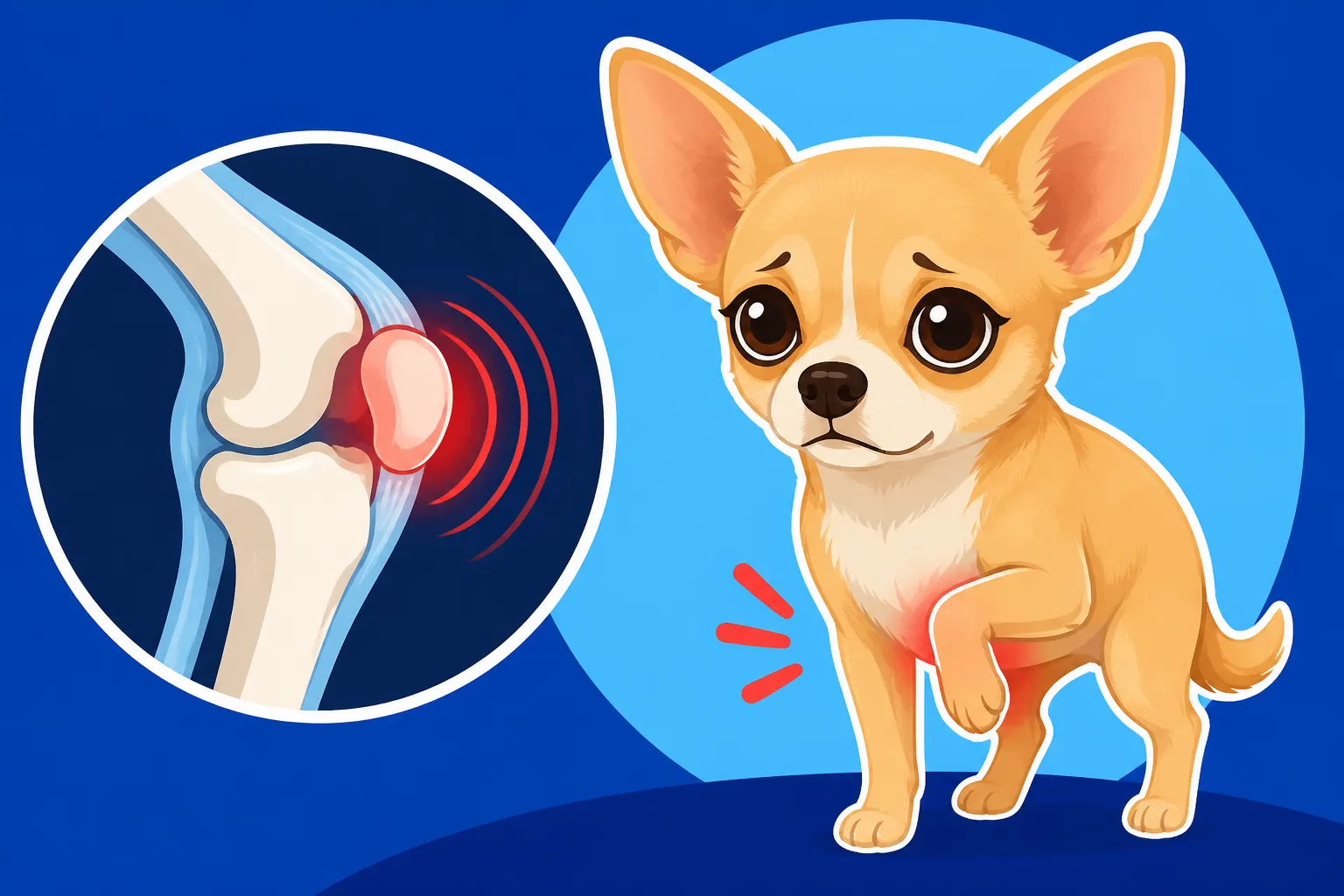
Patellar luxation, often simply called a "slipped kneecap," is an incredibly common orthopedic issue, particularly in small dog breeds like our Chihuahuas. It occurs when the patella (kneecap) dislocates or moves out of its normal groove in the femur (thigh bone). This can happen suddenly, or it can be a chronic issue, often affecting one or both hind legs.
The Mechanics of a Slipping Kneecap
Imagine a tiny, delicate mechanism where the kneecap is supposed to glide smoothly up and down a track. In a Chihuahua with patellar luxation, that track might be too shallow, or the ligaments holding the kneecap in place might be too loose or misaligned. When the kneecap pops out of place, it usually moves to the inside of the leg (medial luxation), though occasionally it can go to the outside (lateral luxation). This misalignment can cause pain, difficulty walking, and over time, lead to more severe orthopedic problems like arthritis. There are different degrees, or grades, of severity, ranging from Grade 1, where the kneecap might slip out occasionally but correct itself, to Grade 4, where it's permanently dislocated. Understanding The Four Grades of a Slipping Chihuahua Kneecap can give you a clearer picture of what your vet might be evaluating.
Chihuahuas are genetically predisposed to this condition. Their small bone structure, often with slightly bowed legs or shallow patellar grooves, makes them more susceptible than larger breeds. It's not necessarily due to an injury (though an injury can certainly worsen an existing predisposition); often, it's just how they're built. This genetic link is why many responsible Chihuahua breeders will perform health screenings on their breeding stock.
Recognizing the Signs: What to Look For
Spotting patellar luxation in your Chihuahua can sometimes be tricky because the symptoms can vary. In mild cases, you might notice your Chihuahua exhibiting The Skipping Gait That Signals a Chihuahua Knee. They'll be trotting along, suddenly pick up one hind leg for a few steps, perhaps give it a little shake, and then put it down and continue as if nothing happened. This "skip" is the kneecap popping out and then back into place.
In more severe cases, your Chihuahua might cry out when the kneecap luxates, or they might hold their leg up for an extended period. Over time, chronic luxation can lead to a bowed-leg appearance, muscle wastage in the affected leg, or a reluctance to jump or play. Puppies can show signs as early as a few months old, but it can also develop or worsen as they age. If you notice any of these signs, it's crucial to consult your veterinarian for an accurate diagnosis. They'll perform a physical examination, feeling the kneecap and gently manipulating the leg to check for instability.
The Challenge of Patellar Luxation as a Pre-Existing Condition
This is where the conversation about pet insurance gets really important, and often, really frustrating for pet parents. The term "pre-existing condition" is perhaps one of the most disheartening phrases an insurance company can use, especially when it applies to something as common and impactful as patellar luxation.
What Exactly is a "Pre-Existing Condition" in Pet Insurance?
Simply put, a pre-existing condition is any illness or injury that your pet showed signs of, or was diagnosed with, before your pet insurance policy officially started or before any applicable waiting periods for coverage were met. This means if your Chihuahua had a skipping gait, a limping episode, or a vet noted any instability in their kneecaps before you purchased a policy and completed its waiting period, that specific condition will almost certainly be excluded from coverage.
It doesn't even have to be a formal diagnosis. If your vet notes "mild patellar instability" during a routine puppy check-up, even if it's not a full-blown luxation, an insurance provider could interpret that as a pre-existing condition. The devil, as they say, is in the details of your pet's medical records.
How Insurance Companies Determine Pre-Existing Status for Patellar Luxation
Insurance companies are meticulous. When you file a claim, especially for an orthopedic issue, they will request all of your pet's veterinary records, often going back years. They'll look for any mention of lameness, limping, skipping, crying out after a jump, or any notation of patellar instability in previous exams.
Here's a breakdown of how they typically determine it:
- Vet Records: This is the primary source. If a vet noted "grade 1 patellar luxation" at your Chihuahua's 8-week puppy check, even if it wasn't a concern at the time, it's documented.
- Waiting Periods: Most policies have waiting periods for orthopedic conditions, often 6 to 12 months. If your Chihuahua shows signs of patellar luxation during this waiting period, even if you enrolled before any symptoms appeared, it will likely be deemed pre-existing. This is why enrolling your Chihuahua when they are very young and healthy is critically important. Consider Insuring a Chihuahua Puppy in Week One to get ahead of these concerns.
- First Physical Exam: Some insurance companies require a full physical exam shortly after enrollment. If patellar luxation is identified during this initial exam, it could be considered pre-existing, even if you hadn't noticed symptoms before.
The challenge with patellar luxation is that it can be intermittent or subtle in its early stages. You might not realize what that occasional skip means until it becomes more pronounced, by which time it might already be documented in your vet's notes from a previous visit.
The Hard Truth: No Coverage for Identified Pre-Existing Luxation
If your Chihuahua's patellar luxation is classified as pre-existing, it means the insurance company will not cover any costs associated with its treatment. This includes:
- Veterinary consultations specifically for the luxation.
- Diagnostic tests like X-rays, if related to the pre-existing condition.
- Medications for pain or inflammation linked to the luxation.
- Surgery, which can be quite costly for conditions like this, sometimes reaching into the thousands of dollars per leg, as discussed in Chihuahua Kneecap Surgery Costs.
- Physical therapy or rehabilitation post-surgery.
This can feel like a punch to the gut, especially when you're trying to provide the best care for your little companion. It highlights the importance of understanding policy details and acting proactively.
Strategic Approaches to Pet Insurance and Patellar Luxation
Given the commonality of patellar luxation in Chihuahuas and the strict rules around pre-existing conditions, how can you best protect your wallet and ensure your dog gets the care they need?
The Golden Rule: Insure Your Chihuahua Early
Without a doubt, the single best strategy is to enroll your Chihuahua in a comprehensive pet insurance policy as early in their life as possible, ideally before any health issues, even minor ones, have a chance to develop or be noted in their veterinary records. This means bringing home a puppy and getting that policy in place immediately, usually within the first few weeks.
By enrolling a young, healthy Chihuahua, you maximize the chances that patellar luxation (and many other common Chihuahua ailments like Chihuahua Heart Disease as the Breed Ages or Chihuahua Dental Disease in a Crowded Small Jaw) will be covered if they develop later in life. Pay close attention to the waiting periods for orthopedic conditions, which, as mentioned, can be longer than for illnesses or accidents. If your puppy has their first vet check-up and the vet notes anything regarding their knees before your waiting period is up, it still runs the risk of being deemed pre-existing.
When Your Chihuahua Already Has Patellar Luxation
If you've adopted an adult Chihuahua, or if your puppy has already been diagnosed with patellar luxation before you could get insurance, it's a different game. You won't be able to get coverage for that specific knee or condition. However, that doesn't mean pet insurance is entirely useless.
Many policies will still cover unrelated conditions. For example, if your Chihuahua has a pre-existing luxation in their right knee, but later develops an ear infection, an injury to their left leg (unrelated to patellar luxation), or even cancer, those new conditions would likely still be covered.
What about the other knee? This is a gray area and depends heavily on the insurer's policy. Some consider patellar luxation a bilateral condition, meaning if it's found in one knee, they'll assume the other knee is also predisposed and exclude it. Others might cover the second knee if it develops luxation much later and was perfectly healthy at the time of enrollment. It's crucial to clarify this directly with any insurance provider you're considering. When comparing policies, you can reach out to customer service at providers like Healthy Paws to specifically ask about their stance on bilateral conditions like patellar luxation.
Choosing the Right Insurance Provider: Questions to Ask
When selecting a pet insurance plan, especially with a Chihuahua, it's wise to be proactive and ask detailed questions about their policies regarding pre-existing and bilateral conditions.
Here’s a helpful table comparing aspects of pet insurance for Chihuahuas and patellar luxation:
| Feature/Scenario | Insured as a Young Puppy (No Prior Symptoms) | Insured as an Adult (Pre-Existing Patellar Luxation) |
|---|---|---|
| Patellar Luxation (Affected Leg) | Generally covered after waiting periods. | Not covered. |
| Patellar Luxation (Other Leg) | Generally covered if it develops later and isn't deemed related by policy (check bilateral clause). | Highly unlikely to be covered, often considered bilateral pre-existing. |
| Unrelated Accidents/Illnesses | Covered. | Covered. |
| Annual Deductible | Applies to covered conditions. | Applies to covered conditions. |
| Reimbursement Rate | Applies to covered conditions. | Applies to covered conditions. |
| Waiting Periods | Must be fulfilled for coverage to begin. | Must be fulfilled for coverage to begin on new conditions. |
When you're talking to providers, don't just ask about patellar luxation; ask about any orthopedic conditions. Inquire about their specific definitions of "pre-existing" and how they handle conditions that can affect both sides of the body (bilateral conditions). Some pet insurance companies are more transparent about their rules than others, and it's worth doing your homework before committing.
Managing Costs and Care Beyond Insurance
Even if insurance doesn't cover your Chihuahua's patellar luxation, or while you're navigating waiting periods, there are still many ways to manage their care and potential costs.
Proactive Management and Supportive Care
One of the best things you can do for a Chihuahua prone to patellar luxation, or one already diagnosed, is to focus on proactive care:
- Weight Management: Keeping your Chihuahua at a healthy weight is paramount. Even an extra pound or two can put significant strain on tiny joints, exacerbating patellar luxation. Your vet can help you determine the ideal weight and suggest an appropriate feeding plan. Many excellent quality small breed foods and even fresh food options are available from retailers like Chewy or Ollie that can help manage weight.
- Controlled Exercise: While exercise is important, avoid activities that involve a lot of jumping, twisting, or sudden stops, which can aggravate the kneecap. Short, regular walks on flat surfaces are much better. Consider Chihuahua Exercise for a Dog That Fits in a Bag that prioritizes safety.
- Joint Supplements: Your vet might recommend joint supplements containing glucosamine, chondroitin, and MSM. While they won't cure luxation, they can help support cartilage health and potentially reduce inflammation and discomfort, especially if your Chihuahua experiences Chihuahua Arthritis in the Teenage Years.
- Environmental Adjustments: Provide ramps or steps for furniture to prevent your Chihuahua from jumping up and down, which can put stress on their knees. This simple change, detailed in Keeping a Chihuahua Off Furniture to Protect Knees, can make a big difference in preventing further injury or discomfort.
- Regular Vet Check-ups: Consistent veterinary care allows your vet to monitor the condition, recommend appropriate interventions, and manage any pain your Chihuahua might experience.
Budgeting for Potential Treatments
Since surgeries for patellar luxation can range from $1,500 to $5,000 per knee, and potentially more depending on the specialist and region, having a financial plan is essential.
- Savings Fund: If insurance isn't an option for this specific condition, start an emergency savings fund dedicated to your Chihuahua's health. Setting aside even a small amount regularly can build up over time.
- Veterinary Payment Plans: Many veterinary clinics, especially those performing specialized orthopedic surgeries, offer payment plans directly or through third-party services like CareCredit.
- Financial Aid Programs: In some areas, there are non-profit organizations or breed-specific rescues that offer financial assistance for veterinary care, particularly for critical surgeries. While not always available for pre-existing conditions, it's worth researching local options.
- Discuss Options with Your Vet: Your veterinarian is your best partner. Discuss the grade of luxation, the prognosis, and all treatment options, including conservative management versus surgical intervention. Sometimes, a Grade 1 or 2 luxation can be managed without surgery if the dog isn't in pain and has good muscle tone.
Dealing with patellar luxation in a Chihuahua, especially when insurance questions arise, can feel like a maze. But by understanding the condition, the nuances of insurance, and proactive care strategies, you can ensure your furry friend lives a comfortable, happy life.
Disclaimer
This article is intended for informational purposes only and does not constitute veterinary advice. Always consult with a qualified veterinarian for any health concerns or before making any decisions about your Chihuahua's care, diet, or treatment plans, including pet insurance. Every pet's situation is unique.