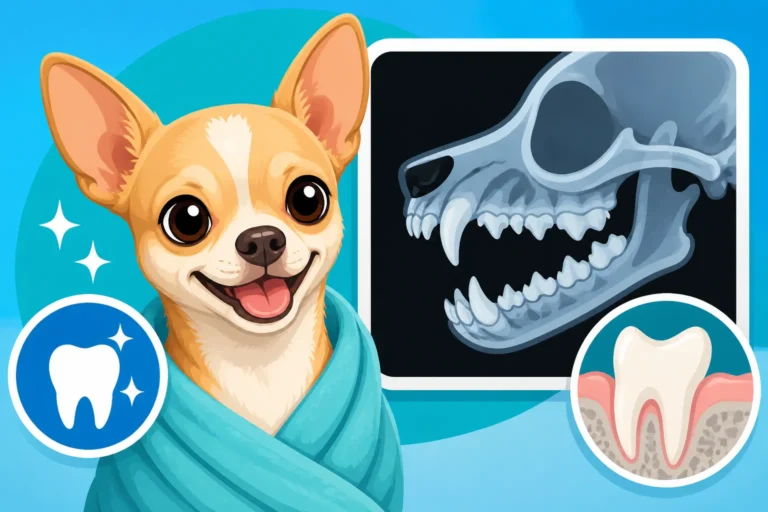
Why a Chihuahua Dental Costs More Than a Labrador’s
It’s a common moment for Chihuahua parents: you get the estimate for your little one’s routine dental cleaning, and your jaw drops. How can such a tiny mouth cost so much more to clean than, say, a Labrador's? It feels fundamentally unfair, almost as if vets are penalizing us for loving these pint-sized companions. But the truth is, the higher price tag for Chihuahua dental work isn't just about their delicate stature; it's a complex blend of anatomical challenges, specialized care requirements, and the sheer prevalence of dental disease in the breed. This guide is going to walk you through exactly why that bill looks so much bigger than you expected, and what you can do about it.
The Unique Challenges of a Chihuahua's Tiny Mouth
While it might seem counterintuitive that smaller means more expensive, when it comes to dental care for Chihuahuas, their diminutive size is actually the primary driver of increased costs. Imagine trying to perform intricate surgery on a miniature scale – it requires more precision, more specialized tools, and often more time.
Crowded Teeth in a Small Jaw
One of the biggest culprits behind high dental bills for Chihuahuas is simply the sheer number of teeth crammed into their tiny mouths. Chihuahuas, like all dogs, are supposed to have 42 adult teeth. A Labrador also has 42 teeth. The difference? A Labrador has ample jaw space to accommodate them. A Chihuahua’s jaw, however, is often too small for all those pearly whites to sit comfortably. This overcrowding leads to several problems. Teeth can rotate, overlap, or be pushed into unnatural positions. These tight spaces become prime breeding grounds for plaque and tartar because it's incredibly difficult for your dog's tongue (or your toothbrush) to reach and clean them effectively.
This crowding also significantly increases the risk of Chihuahua Tooth Crowding and Retained Baby Teeth. It's very common for Chihuahuas to hold onto their deciduous (baby) teeth even after their adult teeth have erupted. This double-row of teeth further exacerbates overcrowding, creating more pockets for food debris and bacteria to accumulate. During a routine cleaning, these retained baby teeth often need to be extracted, which adds time, complexity, and therefore cost, to the procedure.
Rapid Tartar Buildup and Gum Disease
Because of the overcrowding and the inherent genetics of toy breeds, Chihuahuas are notoriously prone to rapid tartar accumulation and severe periodontal disease. It's not uncommon to see a young Chihuahua, sometimes as early as two or three years old, with significant tartar buildup that would only be present in a much older, larger dog. This isn't a reflection of poor care from the owner; it's just how quickly dental disease progresses in their mouths.
This accelerated progression means that by the time many Chihuahuas are just a few years old, they often require professional dental cleanings under anesthesia much more frequently than larger breeds. While a Labrador might get away with cleanings every few years, a Chihuahua might need one every year, or even every six to nine months, to keep ahead of the disease. Each of these procedures carries its own cost, quickly adding up over the Chihuahua Lifespan and Why the Breed Reaches Sixteen. The need for frequent interventions means that the cumulative cost over a Chihuahua's lifetime for dental care will almost certainly outstrip that of a larger dog.
The Intricacies of Anesthesia and Procedure
Beyond the physical challenges of their tiny mouths, the actual process of performing a dental cleaning and any necessary extractions on a Chihuahua comes with its own set of increased risks and specialized requirements, all of which contribute to the higher cost.
Anesthesia Risk at Toy Size
Administering anesthesia to a four-pound Chihuahua is a vastly different undertaking than anesthetizing an 80-pound Labrador. The margin for error is significantly smaller, and the physiological responses to medication can be much more dramatic. Vets and their teams need to be hyper-vigilant and precise. This means:
- Precise Dosing: Medications must be dosed to the milligram, often requiring specialized calculations and equipment for such small body weights.
- Intensive Monitoring: Throughout the procedure, a dedicated veterinary technician continuously monitors vital signs such as heart rate, respiratory rate, blood pressure, oxygen saturation, and body temperature. This level of constant, meticulous attention requires more staffing and specialized monitoring equipment designed for small patients. Maintaining a stable body temperature is crucial for Chihuahuas, who can lose heat rapidly during anesthesia. Techniques for Warming a Chihuahua Through an Anesthetic are essential.
- Specialized Equipment: From smaller endotracheal tubes to ensure proper airflow without damaging their delicate windpipes, to tiny blood pressure cuffs and specialized warming blankets, the equipment needed for a Chihuahua is often smaller and more specialized, which can add to overhead costs for the veterinary clinic.
Because of these complexities, many veterinarians will insist on comprehensive pre-anesthetic bloodwork for a Chihuahua, even for a routine cleaning. This vital screening helps ensure that the dog's organs are functioning properly and can safely process the anesthetic agents. This Pre-Anesthetic Bloodwork Costs for a Chihuahua is an additional expense that, while critical for safety, does add to the overall bill.
Delicate Extractions and Jaw Fragility
When extractions become necessary – and for Chihuahuas, they often do due to severe periodontal disease – the procedure itself is more delicate and time-consuming. A Chihuahua's jawbone is incredibly fine and fragile, making it susceptible to fractures if too much force is applied during an extraction. This means a veterinary dentist must work with extreme care, often performing surgical extractions even for seemingly simple teeth.
The process might involve specialized tools, such as high-speed dental drills, and a more intricate approach to ensure the entire tooth root is removed without damaging the surrounding bone. Each extraction can take considerably longer than it would in a larger dog, and multiple extractions are common. This increased surgical time, combined with the delicate nature of the work, directly translates to higher fees. The article What Chihuahua Extractions Cost Per Tooth details this further, often showing a higher per-tooth cost for smaller breeds due to these factors.
Below is a comparison table outlining key differences in dental procedures between Chihuahuas and Labradors, and how these impact cost:
| Feature | Chihuahua Dental Procedure | Labrador Dental Procedure | Cost Impact |
|---|---|---|---|
| Jaw Space | Overcrowded, high risk of retained teeth | Ample space, less common retained teeth | Higher need for extractions, more complex cleaning |
| Tartar Buildup Rate | Rapid and severe, often starting young | Slower, typically more manageable if cared for | More frequent cleanings needed over lifetime |
| Anesthesia Dose | Extremely precise, minimal margin for error | Standardized dosing, wider margin | Higher monitoring, specialized equipment, increased cost |
| Anesthesia Monitoring | Intensive, constant dedicated staff | Routine, but less critical minute-to-minute changes | More staff time, advanced monitoring tools |
| Temperature Regulation | Highly prone to hypothermia, constant warming required | Less susceptible to drastic temperature drops | Specialized warming equipment, more technician focus |
| Jaw Fragility | Delicate, high risk of fracture during extraction | Robust, lower risk of fracture | Slower, more careful extraction techniques, surgical extractions often needed |
| Extraction Complexity | Often surgical, meticulous root removal needed | Often routine, less intricate | Longer procedure time, specialized tools, higher fees |
| Frequency of Cleanings | Annually or bi-annually often required | Every 2-3 years often sufficient (with home care) | Significantly higher cumulative lifetime cost |
Proactive Care and Long-Term Budgeting Strategies
While the costs associated with Chihuahua dental care might seem daunting, there are actionable steps you can take to mitigate some of these expenses and ensure your furry friend's oral health remains a priority.
The Power of Daily Home Care
The single most impactful thing you can do to reduce the frequency and severity of professional dental cleanings, and thus the overall cost, is to establish a rigorous daily home dental care routine. Brushing your Chihuahua's teeth every single day is the gold standard. It might sound like a chore, but it’s the most effective way to remove plaque before it hardens into tartar. Even a few minutes a day can make a world of difference. You’ll want to use a small, soft toothbrush designed for small pets and a veterinary-approved enzymatic toothpaste. Many pet supply retailers, like Chewy, offer a wide selection of these products, including finger brushes, tiny toothbrushes, and various flavors of pet toothpaste.
Beyond brushing, you can incorporate dental chews or water additives, but always remember these are supplemental, not replacements, for brushing. Look for products that are approved by the Veterinary Oral Health Council (VOHC) for proven efficacy in reducing plaque and tartar. Regular examination of your dog's mouth at home, looking for signs of Chihuahua Bad Breath and What It Means or red, swollen gums, can also help you catch issues early.
Pet Insurance and Wellness Plans
Given the high likelihood of recurring dental issues in Chihuahuas, investing in pet insurance or a dedicated wellness plan can be a financial lifesaver. Many comprehensive pet insurance policies, such as those offered by Healthy Paws, can cover a significant portion of the costs associated with unexpected dental surgeries, like extractions for advanced periodontal disease, once your deductible is met. It’s crucial to enroll your Chihuahua before any signs of dental disease become apparent, as most policies consider existing conditions to be ineligible for coverage. The article Whether Chihuahua Insurance Covers Dental Disease provides more insight into this.
Some pet insurance providers or veterinary clinics also offer wellness plans that specifically include routine dental cleanings. These plans typically involve a monthly fee that covers a set of preventive care services, often including an annual dental cleaning. While this might seem like another expense, it can effectively budget The Yearly Chihuahua Dental Cleaning Bill into manageable monthly payments, saving you from a large lump sum surprise. When choosing a plan, make sure to understand the specifics, including the deductible and the percentage of costs covered, as well as any limitations on routine cleanings versus advanced surgical procedures. This will help you in Setting a Chihuahua Deductible Against Dental Bills that makes sense for your budget and your dog's needs.
Dietary Considerations
While diet alone can't prevent dental disease, it plays a supporting role. Kibble designed for small breeds often comes in smaller sizes, making it easier for Chihuahuas to chew, but it doesn't offer significant dental benefits. Some premium fresh food diets, like those offered by Ollie, focus on high-quality, digestible ingredients that can contribute to overall health, which in turn supports a healthier immune system and potentially healthier gums. However, it's a common misconception that hard kibble "cleans" teeth; most kibble shatters upon impact, doing little to scrape plaque.
Regardless of the food type, always ensure you're feeding appropriate portions to prevent obesity, as Chihuahua Obesity on a Six Pound Frame can exacerbate many health issues, including dental disease. Discuss your Chihuahua's specific dietary needs and any concerns about dental health with your veterinarian. They might recommend specific prescription dental diets that are formulated with unique fiber structures or coatings to help reduce plaque and tartar, though these are usually used as an adjunct to brushing, not a standalone solution.
Disclaimer
This article is intended for informational purposes only and does not constitute veterinary advice. Always consult with a qualified veterinarian for any health concerns or before making any decisions about your pet's medical care. Individual costs can vary significantly based on geographic location, the severity of the dental disease, and the specific veterinary clinic.