Whether a Teacup Chihuahua Is Worth the Premium
Many aspiring Chihuahua owners find themselves captivated by the idea of a "Teacup" Chihuahua, often believing they are acquiring something rare and special, and are willing to pay a hefty premium for such a tiny companion. However, the reality behind these exceptionally small dogs is far more complex, often fraught with significant health challenges and ethical concerns that truly put the "worth" of that premium into question. This guide aims to thoroughly explore what these extremely small Chihuahuas truly are, the health risks they face, and the long-term financial and emotional commitment they demand, helping you understand whether the extra cost for a "Teacup" is ever truly justified.
Understanding the Myth of the Teacup Chihuahua
It’s easy to get swept up in the allure of something labeled "Teacup," especially when photos show an adorable, pocket-sized pup. The marketing often paints a picture of a miniature companion, perfect for small living spaces or carrying everywhere. However, the term "Teacup" itself is one of the first red flags any responsible potential owner should consider. It's a marketing gimmick, not a recognized size classification within the Chihuahua breed standard.
When you see a breeder advertising "Teacup Chihuahuas," they are typically referring to Chihuahuas that are significantly smaller than the accepted breed standard, which usually ranges from 2 to 6 pounds. These tiny dogs might weigh anywhere from 2 to 4 pounds, sometimes even less. It's important to understand that the very notion of "Teacup" often implies a dog that is bred down to an unhealthy size, pushing the limits of what a healthy canine body can sustain. Many people don't realize that Chihuahua is already a small breed, and any attempt to shrink it further usually comes at a great cost to the animal's health.
The Lack of Official Recognition
One of the most crucial points to grasp is that no major kennel club or breed registry, such as the American Kennel Club (AKC), officially recognizes a "Teacup" Chihuahua as a separate variety or size. There isn't a "Teacup" category you can register your dog under, nor are there specific health standards or guidelines for breeding dogs of that size. The breed standard for Chihuahuas is quite clear, focusing on a compact body and a weight range, usually up to 6 pounds, with some minor variations based on individual clubs. When you ask yourself, "Is a Teacup Chihuahua really worth the premium?" it's vital to consider that you're paying for a label, not for a distinct, healthy, or officially recognized type of dog.
This lack of recognition means that breeders advertising "Teacups" are operating outside established breed health and ethical guidelines. Reputable breeders focus on breeding Chihuahuas that meet the breed standard in terms of health, temperament, and conformation, not on creating dogs that are unnaturally small. The emphasis on extreme smallness often overshadows critical health screenings and responsible breeding practices. It's a sad truth that this marketing term often preys on people's desire for novelty, without fully informing them of the potential consequences. For a deeper dive into this, you might find our article on Why Teacup Chihuahua Is Not a Real Size particularly illuminating.
How "Teacups" are Marketed
The marketing behind "Teacup Chihuahuas" often involves charming names like "pocket-sized" or "micro," and showcases puppies that are indeed incredibly small and adorable. This emotional appeal makes it hard for prospective owners to look past the cuteness and consider the underlying issues. The premium prices attached to these puppies further reinforce a false sense of value, suggesting that their rarity or specialness justifies the higher cost. These prices can easily climb into the thousands, far exceeding the typical range for a healthy, standard-sized Chihuahua puppy, which often falls within the Chihuahua Puppy Prices From $800 to $3,500 range.
What often isn't advertised are the severe health risks associated with such extreme miniaturization. You won't see ads highlighting the fragile bones, the susceptibility to hypoglycemia, or the lifelong medical bills. Instead, the focus is entirely on size, which, while visually appealing, is actually the source of many of their potential problems. It's a classic case of demand creating an unethical supply, where breeders prioritize size over the well-being of the animal. Understanding How Breeders Produce Undersized Chihuahuas often involves breeding runts or perpetually breeding smaller dogs without regard for genetic health.
The Severe Health Vulnerabilities of Extremely Small Chihuahuas
The premium price tag on a "Teacup" Chihuahua rarely accounts for the inevitable and often substantial veterinary bills that come with owning such a fragile creature. These tiny dogs are predisposed to a host of health issues, many of which are exacerbated by their minuscule size. It's not just that they might get sick; it's that their very anatomy and physiology are pushed to their limits, making them inherently more delicate and prone to serious medical conditions.
Their small stature means their internal organs are often proportionally undersized or simply not robust enough to function optimally. This isn't just about being cute and small; it's about compromised systems. The premium you pay upfront might seem like a lot, but it pales in comparison to what you could end up spending on specialist care, emergency visits, and ongoing medication. Thinking about it from a purely financial perspective, the "worth" diminishes rapidly when you factor in the medical expenses.
Exaggerated Risks of Common Chihuahua Ailments
Chihuahuas, in general, are prone to certain health conditions, but for a "Teacup" Chihuahua, these common ailments become far more severe and life-threatening. For example, Chihuahua Hypoglycemia and the Puppy Emergency is a serious concern for all young Chihuahuas, but in a "Teacup," their minimal fat reserves and high metabolism make them crash much faster and more critically. A tiny dip in blood sugar can quickly become a full-blown emergency.
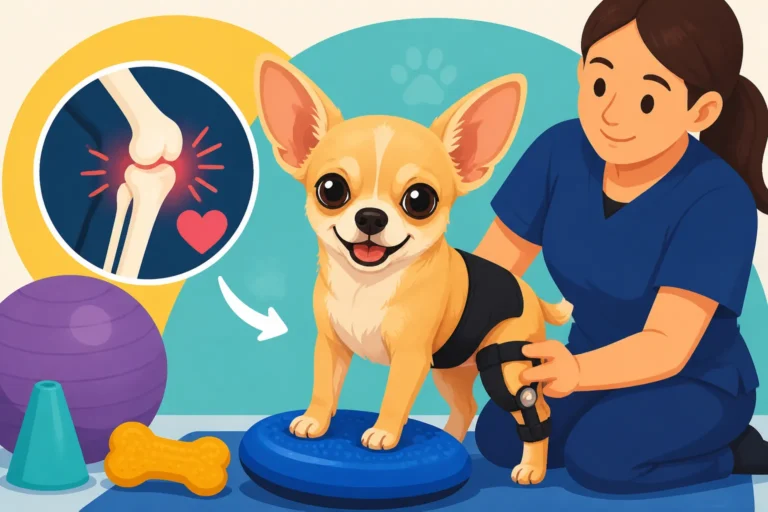
Similarly, skeletal issues like patellar luxation (slipping kneecaps) are prevalent in the breed. While standard Chihuahuas can often manage this with care, the bones and joints of an ultra-small "Teacup" are incredibly fragile, making them highly susceptible to injury. A simple jump off a low sofa can cause significant damage. Chihuahua Dental Disease in a Crowded Small Jaw is another common issue, but in an even smaller mouth, tooth overcrowding is worse, leading to even earlier and more aggressive dental problems requiring extensive and costly extractions and cleanings throughout their lives. Even seemingly minor heart conditions, such as Chihuahua Heart Disease as the Breed Ages, can progress more rapidly and critically in a body that struggles with extreme miniaturization.
Unique Challenges for Under-Sized Pups
Beyond exaggerating common breed issues, "Teacup" Chihuahuas face a unique set of challenges directly stemming from their extreme smallness. Their bones are incredibly delicate, making them prone to fractures from even minor falls or bumps. A normal playful interaction with a slightly larger dog or even a clumsy step can lead to a broken leg. Their skulls often retain an open fontanelle (molera), similar to a baby's soft spot, which means their brains are less protected and highly vulnerable to injury. This issue is something covered in more detail in our article on The Chihuahua Molera and What a Soft Spot Means.
Another critical challenge is thermoregulation. These tiny dogs have very little body fat to insulate them, making them extremely susceptible to cold. They can quickly develop hypothermia if not kept consistently warm, even indoors. This fragility means they require constant monitoring and a highly controlled environment, which isn't always practical for busy households. The risks associated with such extreme smallness are so severe that we've dedicated a whole article to The Health Risk Behind a Two Pound Chihuahua, detailing just how precarious their existence can be.
Here's a quick comparison of common health concerns:
| Health Issue | Standard Chihuahua (2-6 lbs) | "Teacup" Chihuahua (Under 4 lbs) | Impact on "Worth" |
|---|---|---|---|
| Hypoglycemia | Common in puppies, manageable with vigilance. | Highly severe, rapid onset, critical emergencies. | Increased emergency vet bills, constant monitoring. |
| Patellar Luxation | Common, grades vary, often manageable. | Exaggerated fragility, higher risk of severe injury/surgery. | High surgical costs, potential lifelong mobility issues. |
| Dental Disease | Common, requires routine cleanings/extractions. | Worse overcrowding, earlier onset, more frequent/costly procedures. | Frequent expensive dental work, potential jaw fractures. |
| Bone Fractures | Possible with falls, but generally robust for their size. | Highly likely from minor bumps/jumps, extremely fragile. | Emergency vet visits, orthopedic surgery, long recovery. |
| Thermoregulation | Prone to cold, needs sweaters in cool temps. | Severe risk of hypothermia, requires constant warmth and monitoring. | Special bedding, clothing, higher energy bills, life-threatening. |
| Anesthesia Risk | Higher due to size, but manageable with careful protocols. | Even higher risk due to smaller organ size, critical monitoring. | Increased complexity and cost for any surgical procedure. |
| Lifespan | Can live 12-20 years with good care. | Often significantly shorter due to health complications. | Emotional toll, less time with your pet for the premium paid. |
Long-Term Care and Financial Realities
The initial premium you pay for a "Teacup" Chihuahua is truly just the tip of the iceberg when it comes to the long-term financial commitment. What many hopeful owners don't anticipate are the ongoing, often substantial, expenses required to manage the delicate health of these tiny dogs. The idea that a smaller dog will be cheaper to own is quickly dispelled when you face the realities of their specialized needs and heightened medical vulnerabilities.
It's not just about paying for unexpected emergencies, but also about the constant, diligent care that becomes a daily routine. This level of commitment can be emotionally and financially draining, making that initial "premium" seem like a distant memory compared to the bills piling up later. If you're considering the "worth," you need to look beyond the cute puppy stage and imagine a future filled with potential challenges.
Constant Vigilance and Specialized Care
Owning a "Teacup" Chihuahua means a lifestyle of constant vigilance. You can't just leave them to their own devices like you might with a more robust breed. Their fragile bodies mean you must be hyper-aware of their surroundings – ensuring no dangerous heights, monitoring their interactions with other pets or children, and always keeping an eye on their energy levels and appetite to prevent issues like hypoglycemia. Even basic handling, which should always be gentle with any Chihuahua, becomes an even more critical skill. Our piece on Chihuahua Handling and Why Carrying Backfires emphasizes safe interaction for all Chihuahuas, but it's paramount for these tiny ones.
Their dietary needs are also precise. They need frequent, small meals to maintain blood sugar, and ensuring they get enough calories without becoming overweight is a delicate balance. This might mean special food from brands like Ollie, specifically formulated for small breeds, and meticulously measured portions. Furthermore, due to their temperature sensitivity, keeping them warm is a year-round job, often requiring specialized bedding, sweaters, and careful climate control in your home. This isn't just about comfort; it's about survival for a dog with almost no body fat.
The True Cost Beyond the Purchase Price
The "premium" you pay for a "Teacup" Chihuahua is dwarfed by the potential lifetime veterinary costs. While many owners consider Chihuahua Pet Insurance and Its Low Premium as a way to mitigate costs, pre-existing conditions related to their inherent frailty might not be covered if not enrolled early. For example, if a "Teacup" puppy shows signs of patellar luxation or heart murmurs early on, future treatments for these conditions might be excluded. It's not uncommon for these dogs to require multiple surgeries, extensive medications, and frequent specialist visits, all of which come with significant price tags.
A single orthopedic surgery for a luxating patella can run into thousands of dollars, and emergency visits for hypoglycemia or injuries can easily be hundreds, if not over a thousand, dollars for after-hours care. These bills quickly accumulate, making the "Chihuahua Surgery Costs at Toy Size" a very real concern. When you consider that a Chihuahua can live for sixteen years or more, the recurring costs of managing chronic health issues can easily amount to tens of thousands of dollars over their lifetime. Even basic supplies from a retailer like Chewy might need to be specialized, adding to the expense. It's a huge commitment, both financially and emotionally, to Budgeting for a Chihuahua That Lives Sixteen Years, especially one prone to so many health problems.
Ethical Breeding and Responsible Ownership
When considering whether a "Teacup" Chihuahua is "worth the premium," it's crucial to look beyond the individual puppy and examine the breeding practices that bring these dogs into existence. The demand for extremely small dogs unfortunately encourages breeders who prioritize size above all else, often at the expense of health and ethical considerations. Understanding this background is a vital part of making a truly informed decision.
Responsible dog ownership extends to supporting responsible breeding. By paying a premium for a "Teacup," you might inadvertently be contributing to practices that are detrimental to the welfare of the breed. It's a tough pill to swallow, but sometimes the most empathetic choice is to walk away from what appears to be a "special" or "rare" offering.
The Practices Behind Breeding "Teacups"
The creation of "Teacup" Chihuahuas often involves breeding the smallest dogs in a litter, sometimes even the runts, or those with significant genetic predispositions to small size, without proper health screening. This practice is inherently risky because these exceptionally small dogs are often the least healthy and most fragile to begin with. Responsible breeders, on the other hand, focus on breeding healthy dogs that meet the breed standard, with an emphasis on temperament and robust health. They screen for genetic conditions common in Chihuahuas, such as patellar luxation, heart disease, and eye problems, ensuring their breeding stock contributes to the overall health of the breed, not its diminishment.
The unfortunate truth is that breeders pushing "Teacups" are often more interested in profit than the well-being of their animals. They may skip crucial health tests, house their dogs in suboptimal conditions, and lack transparency about the lineage and potential health issues. This is why it’s so important to be skeptical of any breeder marketing puppies by an unofficial size designation. It’s also important to consider the ethical implications when you think about purchasing one of these dogs, as you might be inadvertently supporting practices that are harmful.
Making an Informed Decision
Ultimately, the decision of whether a "Teacup" Chihuahua is worth the premium lies with the individual, but it's a decision that should be made with a full understanding of the facts, not just emotional appeal. The "premium" you pay is for a dog that is often at a higher risk for significant health problems, leading to potentially exorbitant vet bills and profound emotional stress throughout its life. Instead of focusing on extreme smallness, it's far more beneficial to seek out a reputable breeder who prioritizes health, temperament, and adherence to the breed standard.
A healthy, standard-sized Chihuahua can be just as loving and portable, and often offers a much longer, healthier life with fewer medical interventions. By choosing a Chihuahua from a responsible breeder, or considering adoption from a rescue, you're not only getting a healthier companion but also contributing to the ethical treatment of animals. While Healthy Paws insurance can offer a financial safety net for any pet, starting with a dog that is genetically predisposed to fewer issues is always the wiser, more compassionate choice.
Disclaimer
Please remember that this article is intended for informational purposes only and does not constitute professional veterinary advice. Always consult with a qualified veterinarian for any health concerns or before making decisions about your pet's care.