What You Pay for a Chihuahua and What Sets It
It's no secret that Chihuahuas can steal your heart in an instant, but many people don't fully realize the significant financial commitment these tiny companions require over their incredibly long lifespans. From the initial adoption fee or purchase price to unexpected vet emergencies and the everyday essentials, the costs can add up, leaving new owners feeling overwhelmed. This comprehensive guide is here to unravel all the potential expenses associated with welcoming a Chihuahua into your home, helping you budget wisely and ensure your little friend lives a happy, healthy life without financial stress.
Understanding the Initial Investment for a Chihuahua
Bringing a new Chihuahua home involves more than just picking them up; there's an immediate financial outlay that can vary wildly depending on where you acquire your tiny friend and what you need to set up for their arrival. It's crucial to understand these upfront costs so you can plan effectively and avoid any nasty surprises.
The Price Tag from a Reputable Breeder
If you're looking for a Chihuahua puppy from a reputable breeder, expect the price to reflect the care, health testing, and expertise that went into their lineage. A well-bred Chihuahua puppy from a breeder who performs health screenings, provides initial vaccinations, and offers ongoing support can typically range anywhere from $800 to $3,500, and sometimes even more, depending on the pedigree, location, and the breeder's reputation. This isn't just about getting a cute puppy; it's about minimizing future health issues and ensuring good temperament, as responsible breeders will screen for common conditions like patellar luxation and heart problems.
The higher end of this range usually indicates parents with champion bloodlines, extensive health clearances, or those residing in areas with a higher cost of living. Remember, this price often includes initial veterinary checks, deworming, and the first round of vaccinations. You might find some breeders offering "teacup" Chihuahuas at exorbitant prices, but it's important to remember that "teacup" isn't a recognized size and often comes with significant health risks due to intentional breeding for extreme smallness. Always be wary of listings that promise unusually low prices for purebred puppies, as this can often be a red flag for backyard breeders or puppy mills that cut corners on health and ethical breeding practices.
Adoption Fees from Shelters and Rescues
Opting to adopt a Chihuahua from a shelter or breed-specific rescue organization is a fantastic way to give a deserving dog a second chance, and it often comes with a lower initial cost. Adoption fees for Chihuahuas typically range from $150 to $500. This fee usually covers a lot of the initial care the dog has already received, which is a huge benefit to you. Most rescues will have already spayed or neutered the dog, microchipped them, brought their vaccinations up to date, and performed a basic health check. This can save you hundreds of dollars in initial veterinary expenses that you would otherwise incur with a puppy from a private breeder.
When you adopt, you might find adult Chihuahuas, seniors, or even puppies who have found themselves homeless. Many organizations, like your local humane society or Chihuahua Rescue & Transport, work tirelessly to assess each dog's temperament and health needs before placing them in a new home. While the fee itself is lower, the true value comes from knowing you're getting a dog that has already been medically vetted and often started on house training. It’s a wonderful option that provides immense joy and often a significantly healthier start than a poorly bred puppy. You can even find senior Chihuahuas at reduced adoption costs, giving a loving home to an older dog who often still has years of companionship to offer.
Essential Supplies for Your Chihuahua's Arrival
Beyond the cost of the dog themselves, you'll need to invest in some essential supplies to make your Chihuahua feel comfortable and safe in their new home. These are one-time or infrequent purchases that are critical for their well-being. Think about a sturdy, small dog carrier, especially important if you're flying a Chihuahua puppy home in cabin or planning vet visits. You'll also need a comfortable, appropriately sized bed where they can burrow and feel secure. Chihuahuas, with their minimal body fat, often need a bed that holds body heat.
Other must-haves include a harness and leash (never a collar, as it can damage their delicate trachea), food and water bowls, and a selection of appropriate toys. Small, durable toys are key for a Chihuahua, as their needle teeth on a Chihuahua puppy can make short work of flimsy options. Don't forget grooming essentials like a soft brush, nail clippers, and special dog toothpaste and a toothbrush small enough for a Chihuahua mouth. Finally, puppy pads can be incredibly useful for house training a Chihuahua with a tiny bladder, especially during those early weeks, though the ultimate goal should be outdoor potty training. These initial setup costs can easily run from $150 to $400, depending on your choices and whether you opt for basic or more premium items.
The Recurring Monthly Expenses of Chihuahua Ownership
Once you've brought your Chihuahua home and settled them in, the ongoing monthly costs become the primary financial consideration. These are the expenses you'll need to budget for consistently over their long lifespan, which can easily stretch to sixteen years or more.
Food and Treats for a Tiny Appetite
One of the pleasant surprises for many Chihuahua owners is how little these dogs actually eat! A typical adult Chihuahua needs only about 40 calories per pound of body weight per day, meaning a healthy six-pound Chihuahua only requires around 240 calories daily. This translates to a relatively low monthly food bill compared to larger breeds. Expect to spend anywhere from $20 to $60 a month on high-quality dog food. The key here isn't the volume, but the quality. Because their calorie intake is so small, every calorie needs to be packed with nutrition.
Opting for premium kibble, wet food, or even fresh food delivery services like Ollie can increase this cost, but often provides better nutrition and can help with dental health or sensitive stomachs. When it comes to treats, remember that every treat needs to fit inside a tiny calorie budget. Small, low-calorie training treats are ideal. Buying in bulk from places like Chewy can sometimes offer savings, but ensure you’re not buying more than your Chihuahua can eat before it spoils.
Preventative Healthcare and Medications
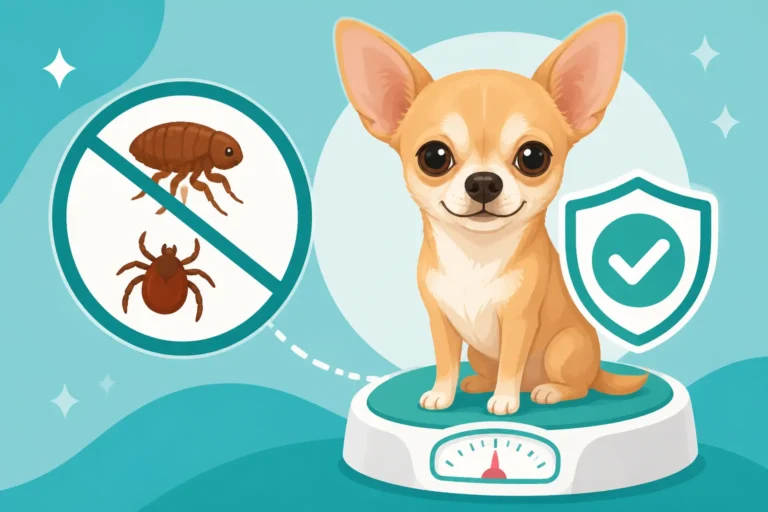
Regular veterinary check-ups and preventative medications are paramount for keeping your Chihuahua healthy and are a consistent monthly or quarterly expense. This includes flea, tick, and heartworm prevention, which is crucial even for indoor Chihuahuas. Depending on the brand and your dog’s weight (which is usually on the lowest end of the spectrum for these medications), these can cost $10 to $30 per month. Annual vet visits, while not strictly monthly, average out to about $20-$40 per month when amortized, covering vaccinations, deworming, and a general health check-up.
For a Chihuahua puppy, you'll have an initial series of vaccinations and deworming treatments that are more frequent in the first year, which might make the first year's vet bills higher. As your Chihuahua ages, they may require more frequent check-ups or specific supplements, like joint support for an older Chihuahua with arthritis. Keeping up with these preventative measures is far more cost-effective than waiting for a serious illness to develop.
Grooming and Hygiene Essentials
Chihuahuas generally have fairly low grooming needs, but certain essentials are still recurring costs. Whether you have a smooth coat or a long coat Chihuahua, you'll need a brush, dog-specific shampoo, and ear cleaner. Nail trims are a must, and while you can learn to do these at home, some owners prefer professional grooming, especially if their dog is anxious about having their paws handled. If you take your Chihuahua to a professional groomer every 6-8 weeks, this could add $30-$70 per session.
For those with long-haired Chihuahuas, regular brushing is essential to prevent mats and tangles, particularly behind the ears and under the legs. Smooth coat Chihuahuas require less brushing but still benefit from it to remove loose hair and keep their skin healthy. Regular teeth brushing is arguably the most critical grooming task for Chihuahuas due to their propensity for severe dental disease. You’ll need to regularly replenish their dog toothpaste and toothbrushes, which are generally inexpensive but vital.
Managing Veterinary Bills: From Routine to Emergency
Chihuahuas, despite their small stature and typically long lives, are prone to several health issues that can lead to significant veterinary expenses. Being prepared for these costs is a huge part of responsible ownership.
Routine Check-ups and Vaccinations
Even the healthiest Chihuahua needs regular veterinary care. Beyond the initial puppy shots, adult Chihuahuas require annual wellness exams, booster vaccinations (like rabies and distemper/parvo), and often a fecal test for parasites. These routine visits typically cost between $100 and $250 per year, but can vary by geographic location and clinic. For older Chihuahuas, your vet might recommend additional bloodwork or urine tests as part of their senior Chihuahua care past the age of twelve, which naturally increases the cost of these routine visits.
It's also essential to microchip your Chihuahua, especially since they are so small and can easily get lost. This is usually a one-time fee of around $25-$50. During these routine visits, your vet will also check for common breed-specific issues like patellar luxation and the molera and what a soft spot means, guiding you on preventative care or early intervention if needed.
Dental Care: The Biggest Recurring Cost
Without a doubt, Chihuahua dental bills as the biggest recurring cost for many owners. Chihuahuas are notoriously prone to dental disease due to their small mouths and crowded teeth. It's not uncommon for a Chihuahua to need their first professional dental cleaning by age three or four. These procedures require anesthesia and often include dental X-rays and extractions, pushing the cost significantly higher than a routine cleaning for a larger dog.
A professional dental cleaning can range from $300 to $700, and if extractions are needed, the bill can quickly climb to $1,000 to $2,000 or more, especially for extensive work or if a veterinary dentist is required. Many Chihuahuas need these cleanings every 1-2 years. This is why daily tooth brushing is so critical – it's the best defense against frequent, expensive dental procedures. Some owners consider pet insurance with dental coverage to help mitigate these costs, but be aware of waiting periods and policy limits on dental care.
Addressing Common Chihuahua Health Issues
Chihuahuas are predisposed to certain health conditions that can lead to unexpected and often expensive veterinary bills. Knowing what to look out for can help you prepare financially.
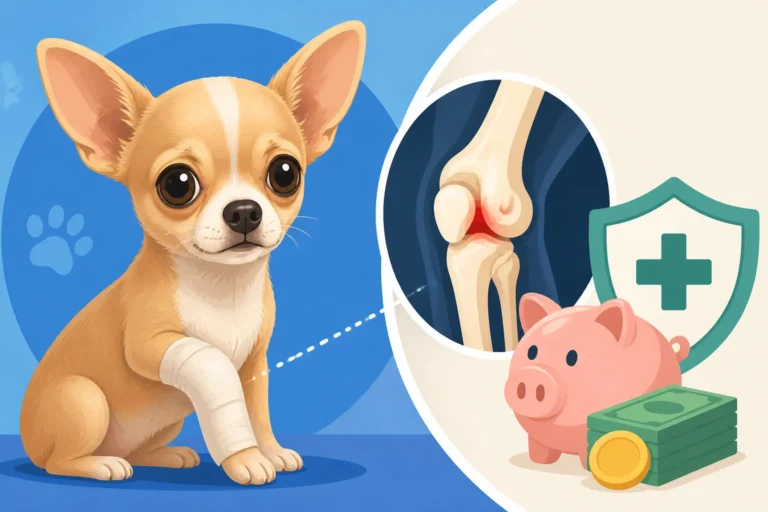
Patellar Luxation: This is an incredibly common joint problem where the kneecap slips out of place. The four grades of a slipping Chihuahua kneecap can range from mild, requiring pain management and joint supplements, to severe, needing surgery. A Chihuahua knee surgery can cost anywhere from $1,500 to $5,000 per knee. Many Chihuahuas experience this in both knees, doubling the potential cost.
Collapsing Trachea: This condition affects the windpipe, causing a characteristic honking cough. Management often involves cough suppressants, anti-inflammatories, and strict avoidance of collar pressure, opting for a harness that spares a Chihuahua windpipe. In severe cases, stent surgery for a Chihuahua trachea can be considered, which is a highly specialized and expensive procedure, potentially costing $4,000 to $6,000 or more.
Heart Disease: As Chihuahuas age, they are prone to heart conditions, particularly mitral valve disease. Symptoms might include coughing at night in a Chihuahua with heart disease, lethargy, or difficulty breathing. Diagnosing heart disease often involves an echocardiogram (ultrasound of the heart), which can cost $300-$600, and ongoing medication, which can range from $50 to $200 per month for the rest of their lives.
Hypoglycemia: Especially in young puppies, Chihuahua hypoglycemia and the puppy emergency is a serious concern. Low blood sugar can cause weakness, trembling, and even seizures. While often managed with emergency sugar for a collapsing Chihuahua puppy and frequent small meals, severe cases require immediate veterinary attention, leading to emergency vet bills.
Having an emergency fund or robust pet insurance coverage can provide immense peace of mind when these health issues arise.
The Role of Pet Insurance in Budgeting
Pet insurance might seem like an extra expense, but for a breed prone to specific health issues and boasting such a long lifespan, it can be an absolute lifesaver. It helps mitigate the financial blow of unexpected accidents and illnesses, especially when you consider the potential for thousands of dollars in surgery costs.
How Pet Insurance Works for Chihuahuas
Most pet insurance policies work on a reimbursement model: you pay your vet bill upfront, submit a claim, and then the insurance company reimburses you a percentage (typically 70-90%) after you've met your deductible. Premiums for Chihuahuas often run below average compared to larger breeds simply because their medication dosages and some procedure costs are lower due to their size. Expect to pay anywhere from $20 to $50 a month for a comprehensive accident and illness policy. Companies like Healthy Paws are popular choices, offering various plans and coverage options.
It's crucial to enroll your Chihuahua as young as possible, ideally before the first knee exam or any signs of breed-specific conditions, to avoid them being labeled as pre-existing conditions. For example, patellar luxation as a pre-existing Chihuahua condition might not be covered if diagnosed before your policy's waiting period ends.
What Pet Insurance Covers (and Doesn't)
A good pet insurance policy will cover a wide range of issues, including accidents (like broken bones from a fall), illnesses (such as infections, allergies, or chronic conditions like diabetes), emergency care, diagnostics (X-rays, blood tests), and surgery. Some policies also offer wellness add-ons that can help with routine care costs like annual exams and vaccinations, but these are usually separate and have their own limits.
However, most standard policies do not cover pre-existing conditions, which is why early enrollment is so important. They also typically exclude elective procedures (like cosmetic surgery), grooming, and often routine dental cleanings (though some plans have dental coverage with limits and waiting periods). When looking at a policy, pay close attention to the deductible amount, the reimbursement percentage, and the annual or per-incident payout limits. Understanding these details will help you choose the best plan for your Chihuahua's potential needs and your budget.
Training, Socialization, and Behavioral Support Costs
Chihuahuas are intelligent dogs, but like all breeds, they benefit immensely from proper training and socialization. Skipping these can lead to behavioral issues that might end up costing more in the long run, both financially and emotionally.
Puppy Classes and Basic Obedience
Enrolling your Chihuahua puppy in a group puppy class is an excellent investment. These classes not only teach basic commands like sit, stay, and come, but also provide crucial socialization opportunities for your tiny pup to interact safely with other dogs and people. A typical six-week puppy class can cost between $120 and $250. It’s important to find classes that understand the unique needs of toy breeds, ensuring your Chihuahua isn't overwhelmed by much larger puppies.
Beyond puppy class, continuing with basic obedience training helps solidify good manners and strengthens your bond. Many owners choose to work on The Commands Every Chihuahua Should Know at home, but advanced classes or one-on-one sessions might be beneficial if specific issues arise. Remember, Why a Chihuahua Deserves Real Obedience Training is just as important as a larger breed; they are not accessories but intelligent companions.
Addressing Behavioral Challenges
Despite their small size, Chihuahuas can develop significant behavioral challenges if not properly socialized and trained. Fear Reactivity as the Top Chihuahua Complaint is a common issue, where Chihuahuas may lunge, bark, or even snap at strangers or other dogs out of fear. Chihuahua Barking at the Window and the Door can also become a persistent problem.
If you encounter behavioral issues like resource guarding, separation anxiety, or aggression, you might need to consult a professional dog trainer or a veterinary behaviorist. Private training sessions can range from $75 to $200 per hour, and a full behavior consultation with a certified professional might cost $300 to $800 or more, often involving follow-up sessions. While these costs can be substantial, addressing behavioral problems early can prevent them from escalating and improve your Chihuahua's quality of life immensely. Investing in a behaviorist who takes a Chihuahua seriously is always worthwhile.
Comfort, Safety, and Travel Essentials
Beyond the basics, there are numerous items and services that contribute to your Chihuahua's comfort, safety, and your ability to integrate them into your lifestyle. These can be ongoing or periodic expenses.
Temperature Regulation and Clothing
Chihuahuas are notorious for shivering and getting cold easily due to their very low body fat percentage and often thin coats. This means you'll likely invest in Chihuahua Sweaters and What They Cost and coats, especially if you live in a colder climate. A good quality sweater can cost $15-$40, while a warm winter coat might be $30-$70. While some see Chihuahua clothing as a fashion statement, for this breed, it's often a necessity for warmth and comfort, especially during outdoor excursions or in chilly homes.
You might also consider heated beds or extra blankets for their sleeping areas to ensure they stay cozy. Setting a thermostat around a Chihuahua is also important; many Chihuahua owners find they keep their homes warmer than they otherwise would for their little companion's comfort.
Safety Gear and Travel Accessories
Given their small size, Chihuahuas require specific safety measures. A secure car seat or booster seat is highly recommended for car travel to keep them safe and prevent injury in case of a sudden stop. These can range from $30 to $100. If you plan to travel by air, you’ll need an airline-approved carrier that fits under the seat, which can cost $50-$150. Many airlines charge a pet fee (often $100-$125 each way) to fly a Chihuahua in cabin, so factor that into any travel plans.
For walks, a well-fitting harness and leash are crucial. Avoid collars that put pressure on their delicate trachea. A good quality, comfortable harness can cost $15-$40. You might also consider booties for extreme hot or cold weather to protect their sensitive paws.
Pet Sitting, Boarding, and Daycare
If you work long hours or travel frequently, you'll need to budget for care services. Chihuahuas, especially those prone to separation anxiety, often don't do well being left alone for extended periods. Pet sitters who take a Chihuahua typically charge $20-$40 per visit, while overnight pet sitting can be $50-$100 per night. Boarding kennels that cater to small dogs might charge $30-$60 per night.
Daycare can be a great option for socialization and exercise if you're gone for the day, with costs ranging from $20-$40 per day. When choosing any of these services, it's essential to find providers who are experienced with toy breeds and understand their specific needs, such as ensuring they are kept warm and safe from larger, more boisterous dogs.
Long-Term Financial Planning for Your Chihuahua
Owning a Chihuahua is a commitment that can easily span a decade and a half, or even two. This means financial planning needs to extend far beyond the initial puppy stage.
The Cumulative Cost Over Sixteen Years
When you add up all the potential expenses, the cost of keeping a Chihuahua for its entire lifespan can be substantial. While the monthly costs are relatively low compared to larger dogs, their longevity means these costs compound significantly over time.
Here's a simplified breakdown of potential cumulative costs:
| Category | Estimated Yearly Cost | Estimated 16-Year Total |
|---|---|---|
| Food & Treats | $240 – $720 | $3,840 – $11,520 |
| Routine Vet & Meds | $360 – $840 | $5,760 – $13,440 |
| Dental Care (avg. 1.5 yrs) | $200 – $1,300 | $3,200 – $20,800 |
| Grooming & Hygiene | $100 – $400 | $1,600 – $6,400 |
| Pet Insurance (Optional) | $240 – $600 | $3,840 – $9,600 |
| Toys & Misc. Supplies | $50 – $150 | $800 – $2,400 |
| Total (excluding emergencies/surgery) | $1,190 – $4,010 | $19,040 – $64,160 |
This table excludes major surgeries (like patellar luxation repair or tracheal stents), extensive behavioral therapy, or end-of-life care, which could easily add thousands more to the total. It also doesn't include the initial purchase/adoption price and setup costs. It's a sobering thought, but understanding the full financial picture is crucial for a happy ownership journey. This is why budgeting for a Chihuahua that lives sixteen years is so important.
Budgeting for Senior Chihuahua Care
As your Chihuahua enters their senior years, typically past the age of twelve, their needs often change, and with it, the associated costs. Senior Chihuahua Care Past the Age of Twelve frequently involves more frequent veterinary visits, potentially every six months instead of annually, to monitor for age-related conditions. This might include more extensive bloodwork to check kidney and liver function, and regular screenings for heart disease or arthritis.
Medications for chronic conditions like arthritis, heart disease, or cognitive decline can become a daily expense. Ramps and steps for a Chihuahua sofa and bed might be necessary to protect their joints, costing $30-$100 each. You might also invest in softer bedding or even doggy diapers if incontinence becomes an issue. While your senior Chihuahua will still bring immense joy, be prepared for increased healthcare and comfort-related expenses during their golden years.
End-of-Life Decisions and Costs
Making end-of-life decisions for a long-lived Chihuahua is incredibly difficult, but it's another financial aspect to consider. When quality of life inevitably declines, you'll need to consider options like palliative care, euthanasia, and cremation or burial. Euthanasia at a veterinary clinic typically costs $100-$300, with in-home euthanasia services costing more, often $200-$500.
Cremation costs vary depending on whether you choose communal or private cremation, ranging from $50-$300. Burial services, if desired, also come with their own expenses. While no one wants to think about this somber aspect, being aware of these potential costs allows you to make decisions based on your dog's comfort and your wishes, rather than financial constraint, during an already emotional time. Planning for end-of-life decisions for a Chihuahua at seventeen is part of the deep commitment you make to these wonderful dogs.
Disclaimer
This article is intended for informational purposes only and does not constitute professional veterinary or financial advice. Costs provided are estimates and can vary significantly based on location, veterinarian, product choices, and individual circumstances. Always consult with a qualified veterinarian for any health concerns regarding your Chihuahua.