Chihuahua Arthritis Starting in the Teens
It's incredibly disheartening to watch your beloved tiny companion, who has been a bundle of energy for so long, start to slow down. You might dismiss it as "just old age," but often, those stiff movements, reluctance to jump, or subtle limps are actually signs of arthritis setting in. This comprehensive guide will help you understand why Chihuahuas are prone to arthritis as they enter their teenage years, how to spot the often-subtle indicators, and most importantly, what you can do to manage their pain and ensure their golden years are as comfortable and joyful as possible.
Understanding Arthritis in Senior Chihuahuas
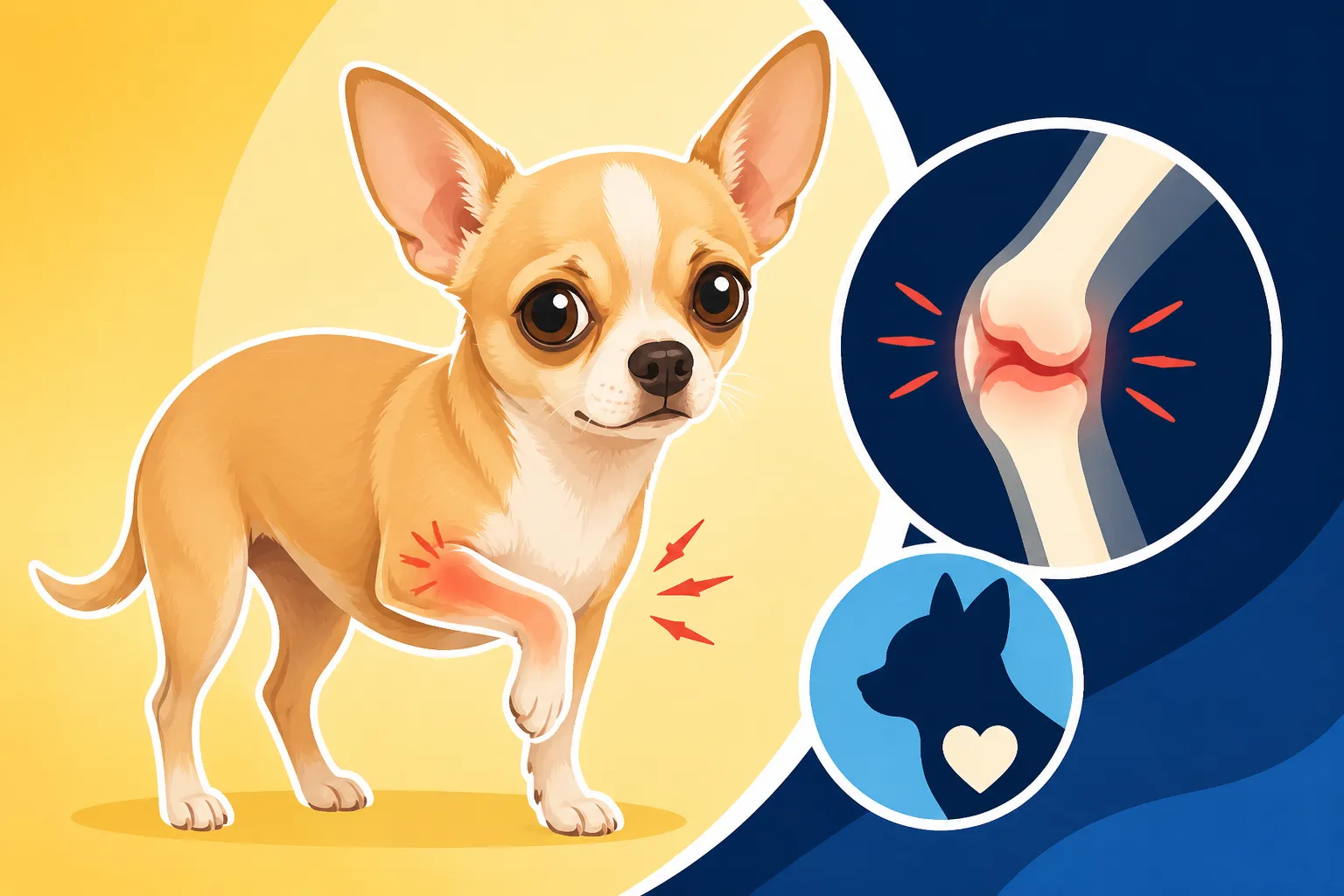
Arthritis, or osteoarthritis, is a progressive and degenerative joint disease that becomes increasingly common as our Chihuahuas age. It's not a sudden illness but rather a cumulative effect of wear and tear, small traumas, and sometimes genetic predispositions that, over their impressively long lifespans, lead to significant discomfort.
The Silent Onset of Joint Degeneration
The heartbreaking truth about arthritis is that it's often a silent process in its early stages. Imagine a tiny gear in a complex machine, slowly grinding down over years of use. In a Chihuahua's joints, the smooth, protective cartilage that cushions the bones begins to erode. This can happen from the simple act of living, walking, and jumping, but it's exacerbated by minor injuries or consistent stress on the joints. As the cartilage thins, bones can start rubbing against each other, leading to inflammation, pain, and the formation of bony growths called osteophytes.
For a long-lived breed like the Chihuahua, these changes can start subtly in their middle age, perhaps around 8-10 years old, but become clinically significant in their teens. You might notice your once-spry Chi, let's call her Luna, hesitating just a moment before hopping off the sofa, or perhaps she sleeps a little more deeply and takes longer to stretch out in the morning. These aren't just "old dog" behaviors; they're often Luna's way of telling you her joints are starting to ache. Because Chihuahuas are so small and their movements are inherently compact, these early signs can be incredibly easy to miss or misinterpret as general aging.
Why Chihuahuas Are Prone to Arthritis Later in Life
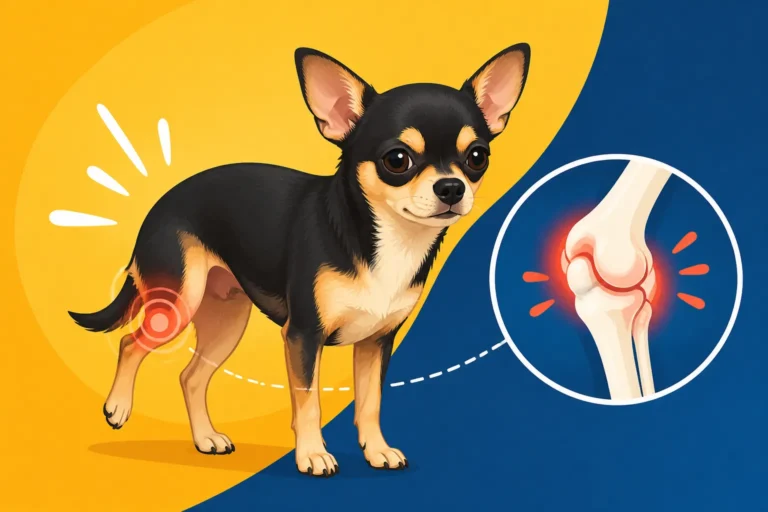
Chihuahuas, despite their small stature, face several unique challenges that make them particularly susceptible to developing arthritis as they age. One of the most significant factors is their predisposition to certain orthopedic conditions from a young age. For instance, Patellar Luxation, the Chihuahua's Commonest Joint Problem is incredibly prevalent in the breed. This condition, where the kneecap slips out of place, can cause abnormal wear and tear on the knee joint over years, inevitably leading to arthritis later in life, even if the luxation was mild or never required surgery. Each time that kneecap shifts, it contributes to microscopic damage within the joint.
Beyond specific genetic conditions, simply living a long life takes its toll. While we cherish their longevity, which can often extend past 16 years (you can read more about Chihuahua Lifespan and Why the Breed Reaches Sixteen here), more years mean more opportunities for everyday wear and tear on those tiny joints. Think about how much a human body experiences over 80-90 years – a Chihuahua goes through a similar journey in a compressed timeline.
Furthermore, weight management plays a critical, yet often underestimated, role. Even a pound or two of extra weight on a Chihuahua's diminutive frame is the equivalent of a human carrying a backpack filled with bricks all day. It puts immense stress on their hips, elbows, and especially those already vulnerable knees and the delicate structures of their spine. Understanding What One Extra Pound Does to a Chihuahua highlights just how crucial maintaining an ideal body condition is for long-term joint health. This constant, added pressure accelerates cartilage degradation, bringing arthritis on faster and making it more severe.
Recognizing the Subtle Signs of Arthritis
One of the greatest challenges for Chihuahua owners is recognizing arthritis. These pint-sized pups are incredibly stoic, often masking their pain until it becomes severe. They don't typically limp dramatically until they're in significant discomfort, making it essential for owners to be observant of more subtle behavioral and physical cues.
Behavioral Changes That Signal Pain
Chihuahuas are masters of hiding pain. In the wild, showing weakness makes an animal vulnerable, and even though our Chihuahuas are pampered house pets, this instinct remains strong. Because of this, you won't often see a classic, obvious limp right away. Instead, you'll need to pay close attention to changes in their normal routines and personality.
A Chihuahua struggling with early arthritis might become noticeably more reluctant to engage in activities they once loved. Perhaps your little Max used to race you to the door every time you came home, but now he takes a few extra seconds to get up, or he just wags his tail from his bed. He might hesitate or even refuse to jump onto his favorite spot on the sofa or bed, even if it's not a huge leap. If you have ramps or steps, he might still use them, but with less enthusiasm. You might also notice a subtle shift in his demeanor. An arthritic Chihuahua, especially one with discomfort, might become a bit more irritable or withdrawn. If he usually loves belly rubs, but now flinches or growls when you touch his lower back or hips, that's a huge red flag indicating pain. Some Chihuahuas might seek out warmer spots to rest, burrowing under blankets more than usual, as warmth can temporarily soothe aching joints. It's easy to mistake these changes for simple "grumpiness" or Cognitive Decline in an Aging Chihuahua, but always consider pain as a primary cause.
Physical Indicators and Mobility Issues
While behavioral changes are often the first clue, there are also more direct physical indicators that your Chihuahua might be experiencing arthritic pain. Stiffness, particularly after periods of rest, is a hallmark sign. You might observe your Chihuahua getting up slowly after a long nap, moving with a noticeable stiffness in their legs or back for the first few steps before seemingly "warming up." This is often most apparent in the morning or after they've been lying down for an extended period.
A consistent, though perhaps slight, limp is another indicator, but it might only be visible when they've been active or if they've overdone it. Watch their gait: does one leg seem to swing differently? Do they hold one paw up more frequently, even for a second? Difficulty navigating stairs, even just one or two steps, is a very common sign. They might begin to bunny-hop with their back legs, or they might try to avoid stairs altogether. Over time, you might even notice a subtle loss of muscle mass in the affected limbs, as they subconsciously try to put less weight on the painful joint, leading to atrophy. In some cases, you might even hear or feel a "click" or "pop" in their joints when they move or when you gently manipulate their legs – this is called crepitus and indicates bone-on-bone friction or cartilage damage. Imagine your little Fido, who once darted across the room, now takes a moment to 'warm up' after a nap, moving a little stiffly before he loosens up. This is a classic, though subtle, presentation of arthritis.
Managing Arthritis Pain and Improving Quality of Life
The good news is that while arthritis isn't curable, it is highly manageable. With the right approach, you can significantly alleviate your Chihuahua's pain and improve their quality of life, allowing them to enjoy their golden years more comfortably.
Veterinary Diagnosis and Treatment Options
The first and most crucial step is a thorough veterinary examination. Don't try to guess what's wrong; let a professional make the diagnosis. Your vet will perform a physical exam, meticulously checking each joint for pain, swelling, and range of motion. They will likely recommend X-rays to confirm the diagnosis, assess the severity of the joint changes, and rule out other conditions. This diagnostic process is essential because many other issues can mimic arthritis pain, such as back problems, muscle strains, or even neurological conditions.
Once arthritis is confirmed, your vet will discuss a multi-modal pain management plan. Non-steroidal anti-inflammatory drugs (NSAIDs) are a cornerstone of treatment. Brands like Rimadyl (carprofen), Metacam (meloxicam), or Previcox (firocoxib) are commonly prescribed. It's vital that these are dog-specific NSAIDs, as human pain relievers like ibuprofen or acetaminophen are toxic to dogs. Dosing for Chihuahuas requires extreme precision due to their small size, so always follow your vet's instructions carefully. For more severe pain, your vet might add other medications like gabapentin, which helps manage neuropathic pain, or amantadine.
Beyond pharmaceuticals, joint supplements containing ingredients like glucosamine, chondroitin, and MSM can help support cartilage health and reduce inflammation. Omega-3 fatty acids, often found in fish oil, are also powerful anti-inflammatories. Popular brands for these supplements include Dasuquin, Cosequin, and Glycoflex. These aren't immediate pain relievers but work synergistically over time. Many vets also recommend adjunctive therapies such as therapeutic laser treatments, acupuncture, or even physical therapy exercises to strengthen supporting muscles and improve flexibility. These therapies can be incredibly beneficial for long-term comfort and mobility. The costs for these treatments can add up, and having pet insurance like Healthy Paws, especially if enrolled early, can make a significant difference in covering these ongoing expenses, allowing you to focus on your Chihuahua's well-being without undue financial stress.
Home Modifications and Daily Care
Beyond veterinary treatments, there's a lot you can do at home to make life easier for your arthritic Chihuahua. Environmental modifications are key. Invest in ramps or small steps to allow your Chihuahua safe and easy access to their favorite elevated spots, like the sofa or your bed. This prevents them from having to jump, which can jar painful joints and potentially worsen their condition. You can find more specific advice on Ramps and Steps for a Chihuahua Sofa.
Orthopedic beds, often made with memory foam, provide superior support for aching joints and help distribute their weight evenly. Heated beds or warm blankets can also offer immense comfort, especially in colder weather, as warmth helps soothe stiff muscles and joints. Consider creating a cozy, warm "nest" for them where they can burrow and feel secure. You can find more information about appropriate bedding in Chihuahua Beds and Blankets for Warmth.
Maintaining a healthy weight is paramount. Even an extra half-pound on a tiny Chihuahua can dramatically increase stress on their joints. Work with your vet to determine your Chihuahua's ideal weight and how to achieve it through controlled portions and appropriate low-impact exercise. You might be surprised how careful you need to be with calories; read Taking a Chihuahua From Nine Pounds to Six for more insight. Gentle, consistent exercise is crucial for maintaining muscle mass, improving circulation, and keeping joints mobile. Instead of long, strenuous walks, opt for shorter, more frequent strolls. Indoor games that don't involve high jumps or sudden twists can also be beneficial. Learn more about appropriate activity levels for Exercise for a Chihuahua With a Bad Knee.
Finally, don't underestimate the importance of regular nail trims. Overgrown nails can force a dog to walk on the sides of their paws, creating an unnatural gait that puts additional strain on their leg joints and spine. Keeping their nails short, as explained in How Short to Cut a Chihuahua Nail, is a small but significant detail in their comfort. These home adaptations, combined with regular vet care, create a holistic approach to managing arthritis and ensuring your Chihuahua remains as pain-free and mobile as possible.
Here's a quick overview of how to spot and manage arthritis:
| Symptom Category | Common Signs in Chihuahuas | Management Tips |
|---|---|---|
| Behavioral | – Reluctance to jump/use stairs – Slower to get up after rest – Less enthusiasm for play/walks – Irritability when touched – Seeking warm spots |
– Provide ramps/steps – Create cozy, warm resting areas – Gentle, consistent exercise – Regular vet check-ups |
| Physical | – Limping or stiffness (especially after rest) – Difficulty walking/bunny hopping – Muscle loss in affected limbs – Auditory clicks/pops from joints |
– NSAIDs and pain medication (vet prescribed) – Joint supplements (glucosamine, omega-3s) – Physical therapy, acupuncture, laser therapy – Maintain ideal body weight – Regular nail trims |
Proactive Steps for Joint Health in Younger Chihuahuas
While arthritis is often associated with old age, what many owners don't realize is that preventative measures can start much, much earlier in a Chihuahua's life. Laying a strong foundation for joint health when they are young can significantly delay the onset and reduce the severity of arthritis in their senior years.
Nutrition and Supplementation from a Young Age
Proper nutrition is fundamental for joint health, even in a puppy. Feeding a high-quality, age-appropriate dog food that meets the nutritional requirements for small breeds is essential. It provides the building blocks for healthy bones, cartilage, and connective tissues. Crucially, maintaining an ideal body weight from puppyhood through adulthood is arguably the most impactful preventative measure. Obesity puts incredible strain on joints, accelerating wear and tear. Measure your Chihuahua's food precisely – remember, even a few extra kibbles a day can lead to weight gain for such a tiny dog. Understanding Daily Calories for a Three to Seven Pound Chihuahua is vital for ensuring they receive adequate nutrition without overeating.
While not all young Chihuahuas need joint supplements, discussing it with your vet is a good idea, especially if your dog comes from a line with a history of joint issues or has a diagnosed condition like patellar luxation. Proactive supplementation with ingredients like glucosamine and chondroitin, often started in middle age, can support cartilage health before significant degeneration occurs. However, always consult your veterinarian before starting any supplements to ensure they are appropriate and correctly dosed for your specific Chihuahua.
Responsible Exercise and Environmental Management
How your Chihuahua moves through the world from a young age significantly impacts their joints later on. While Chihuahuas love to play, avoid activities that involve excessive jumping, twisting, or high-impact landings. Rough play with much larger dogs, even if well-meaning, can lead to serious injuries to delicate Chihuahua joints. Instead, encourage regular, gentle exercise like short walks on varied, non-slippery surfaces to build and maintain muscle mass around their joints. Indoor fetch with soft toys or puzzle games can also provide mental and physical stimulation without excessive strain.
Consider incorporating ramps or steps for furniture access even when your Chihuahua is young and perfectly capable of jumping. By making these aids available early, you instill a habit that protects their joints from repetitive stress throughout their life, preventing potential injuries from awkward landings.
A proper harness is also paramount. Many people think of harnesses primarily for tracheal collapse prevention (and they are excellent for that, as detailed in Why a Harness Matters for a Chihuahua Windpipe), but a harness that distributes pressure evenly across the chest can also help prevent undue strain on the neck and spine, indirectly supporting overall skeletal health.
Finally, selecting your Chihuahua from a responsible breeder who performs health clearances for orthopedic issues, such as patellar luxation, is a critical preventative step. A good breeder will screen their breeding stock and be transparent about their health records. You can learn more about The Health Tests a Chihuahua Breeder Should Run to make an informed choice. Also, consider enrolling your Chihuahua in pet insurance, like Healthy Paws, when they are young and healthy. This ensures that if arthritis or other conditions develop later, the costs of ongoing care, medications, and specialized treatments can be substantially covered, giving you peace of mind and allowing you to provide the best possible care for your long-lived companion.
Disclaimer
The information provided in this article is for general informational purposes only and is not a substitute for professional veterinary advice. Always consult with a qualified veterinarian for any health concerns or before making any decisions related to your Chihuahua's health and treatment.