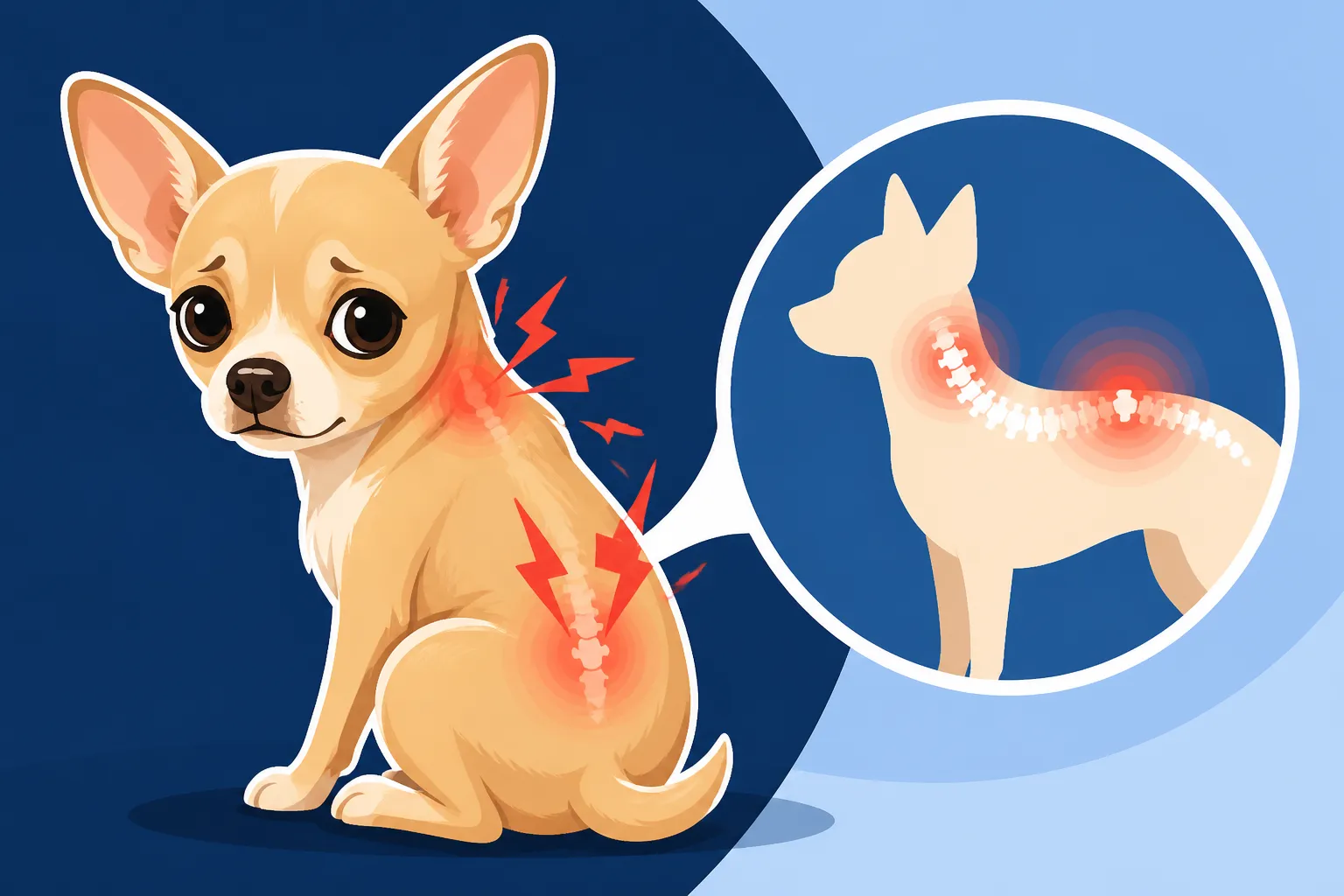
Chihuahua Back and Neck Pain
It's incredibly distressing to see your tiny Chihuahua in pain, especially when it comes to something as fundamental as their back or neck. These little dogs are known for their spirited personalities, but their delicate, compact bodies can unfortunately be prone to injuries and degenerative conditions that manifest as deep, uncomfortable pain in their spine. This guide is here to walk you through understanding why Chihuahuas experience back and neck pain, how to spot the subtle signs, what medical avenues are available, and most importantly, how to proactively protect your precious companion.
Understanding Chihuahua Back and Neck Anatomy
When you look at a Chihuahua, you see a small, often feisty dog, but beneath that energetic exterior lies a surprisingly intricate and somewhat fragile skeletal structure. Their small size, while endearing, doesn't always come with robust durability, especially when it comes to their spine. This makes understanding their anatomy crucial for any owner.
The Vertebrae and Discs in a Tiny Spine
Just like humans, Chihuahuas have a vertebral column made up of many small bones, called vertebrae, that protect the spinal cord. Between each vertebra are soft, jelly-like cushions called intervertebral discs. These discs act as shock absorbers, allowing for flexibility and movement while preventing the bones from grinding against each other. In Chihuahuas, particularly those with a slightly longer back relative to their leg length, or those with more prominent apple-shaped heads which can affect neck structure, these discs can be more vulnerable. Over time, or with sudden trauma, these discs can degenerate, bulge, or even rupture, leading to immense pain and neurological issues. This condition, known as Intervertebral Disc Disease (IVDD), is unfortunately not uncommon in many small breeds, including Chihuahuas, because of their chondrodystrophic (abnormal cartilage development) genetics, which predisposes them to premature disc degeneration.
Muscles, Ligaments, and Neurological Connections
Surrounding the vertebrae and discs is a complex network of muscles and ligaments that provide support and allow for movement. When there’s an issue with the spine, these soft tissues often become inflamed, tight, and painful. Furthermore, the spinal cord itself runs through the vertebral column, acting as the superhighway for nerve signals between the brain and the rest of the body. Any compression or damage to the spinal cord due to disc issues, trauma, or other conditions can lead to a cascade of neurological symptoms, from weakness and wobbliness to complete paralysis. It's not just about a sore back; it's about potentially disrupting vital communication within their tiny bodies, affecting everything from their ability to walk to their bladder control. Because of this intricate connection, even what seems like a simple "tweak" can have serious implications, making prompt veterinary attention paramount.
Common Causes of Back and Neck Pain in Chihuahuas
Chihuahuas, despite their small stature, face a unique set of challenges when it comes to their skeletal and neurological health, particularly in the spine. Owners need to be aware of the most prevalent conditions that can cause significant pain and discomfort in their little companions.
Intervertebral Disc Disease IVDD
As mentioned, IVDD is a big one for Chihuahuas. This isn't just a sudden injury; it's often a progressive disease where the discs in their spine deteriorate over time. The outer fibrous layer of the disc can stiffen, and the jelly-like center can either bulge out (protrusion) or completely rupture (extrusion) into the spinal canal, pressing on the delicate spinal cord. This pressure causes pain, inflammation, and neurological deficits. You might notice your Chihuahua suddenly refusing to jump, crying out when picked up, showing weakness in their hind legs, or even dragging a limb. The onset can be acute and terrifying, requiring immediate veterinary intervention. Depending on the severity, treatments range from strict crate rest and anti-inflammatory medications to complex spinal surgery. Understanding Chihuahua back and neck pain and what causes it is the first step in prevention and early detection.
Trauma and Injuries from Jumps or Falls
It's heartbreakingly easy for a small dog like a Chihuahua to sustain a back or neck injury from something that wouldn't faze a larger breed. A seemingly innocent jump off the sofa, a misstep down a stair, or even a rough play session with a much bigger dog can lead to significant spinal trauma. Their small size means that forces that are negligible to a Labrador can be catastrophic for a Chihuahua's delicate frame. Owners often recount stories of their tiny dog yelping after a fall, only to notice a subtle change in their movement or a reluctance to be touched days later. We often recommend taking preventive measures like Keeping a Chihuahua Off Furniture to Protect Knees and backs, and using Ramps and Steps for a Chihuahua Sofa to minimize these kinds of accidents. It’s crucial to treat any sudden yelp or limping after a fall as a potential emergency and get them checked out by your vet right away.
Arthritis and Degenerative Joint Disease
While IVDD focuses on the discs, arthritis is more about the joints themselves – in this case, the small facet joints between the vertebrae, or even in the neck (cervical spine). As Chihuahuas age, just like us, they can develop degenerative joint disease. This can be exacerbated by prior injuries or simply the wear and tear of a long life. You might notice a senior Chihuahua becoming less active, stiff after naps, or hesitant to turn their head fully. This pain is typically chronic and worsens over time. It can be particularly challenging for Senior Chihuahua Care Past the Age of Twelve, where managing mobility and comfort becomes a primary concern. While it can’t be cured, arthritis can be managed with a combination of pain relief medication, joint supplements, physical therapy, and careful weight management to reduce stress on the joints.
Other Contributing Factors: Syringomyelia and Chiari-like Malformation
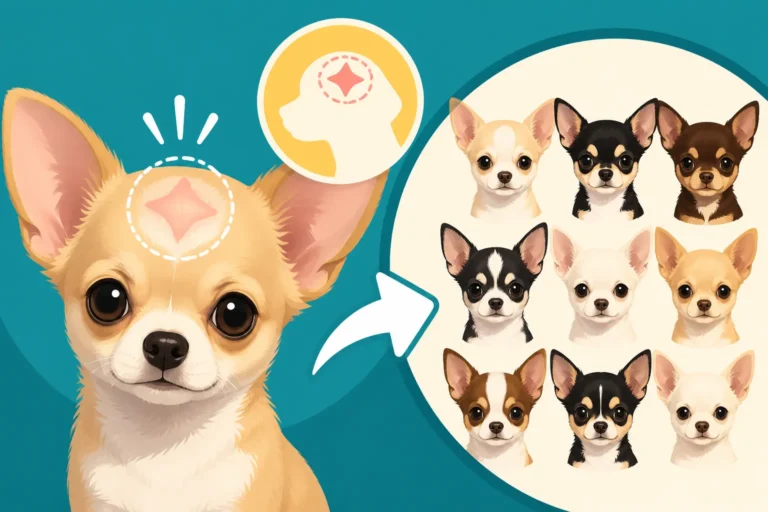
Beyond the more common IVDD and trauma, some Chihuahuas can suffer from neurological conditions specific to their skull shape. Chiari-like Malformation (CM) is a structural defect in the skull where the back part of the brain (cerebellum) pushes through the opening at the base of the skull, crowding the spinal cord. This can lead to Syringomyelia (SM), where fluid-filled cavities (syringes) develop within the spinal cord itself, causing pressure and severe pain.
Symptoms often include extreme neck pain, sensitivity to touch around the head or neck, phantom scratching (where they scratch in the air near their shoulder without making contact with their skin), and sometimes weakness or paralysis. It can be agonizing for these dogs. This is more commonly seen in "apple-head" Chihuahuas with their characteristic domed skulls. Diagnosis often requires an MRI, which can be an expensive procedure, so having pet insurance from providers like Healthy Paws can be incredibly helpful for managing these specialized veterinary costs. Treatment options typically involve medication to reduce inflammation and fluid pressure, and in some severe cases, surgery to decompress the area.
Recognizing the Signs of Pain and Discomfort
Because Chihuahuas are so small, and often so stoic, spotting signs of back or neck pain can be incredibly challenging. They can't tell us directly what hurts, and their instinct might be to hide discomfort. As their guardian, you need to become a detective, keenly observing even the most subtle shifts in their behavior or movement.
Behavioral Changes and Hiding
One of the earliest and most common indicators of pain in Chihuahuas is a change in their normal routine and demeanor. A dog that usually greets you with enthusiasm might start to seem withdrawn, less playful, or even grumpy. They might refuse to engage in activities they once loved, like chasing a ball or snuggling on the sofa. You might notice them spending more time resting, or conversely, becoming restless and unable to find a comfortable position. Hiding more than usual, particularly in quiet, dark spots, is a significant red flag. They might also become unusually clingy, seeking comfort, or conversely, become irritable and snap if approached or touched in a sensitive area. Any deviation from their baseline behavior warrants a closer look, as Chihuahua behavior shifts that mean a knee hurts can also indicate spinal pain.
Movement and Gait Abnormalities
Changes in how your Chihuahua moves are key indicators of back or neck pain. You might observe a stiff or hunched posture, especially when standing or walking. They might be reluctant to turn their head, holding it rigid, or avoid looking up or down. Watch for a hesitant or unsteady gait, or an unwillingness to climb stairs or jump onto furniture – even onto their favorite bed. Some dogs with back pain might exhibit a "skipping" step with their hind legs, or a general weakness. In more severe cases of disc compression, you might see dragging of paws, wobbliness, or even complete inability to use one or more limbs. Pay close attention after they wake up from a nap; stiffness upon rising is a classic sign of joint or spinal discomfort. If you notice any of these changes, it's crucial to seek veterinary advice promptly.
Vocalization and Sensitivity to Touch
While Chihuahuas are known for being vocal, certain types of vocalization, especially when coupled with other symptoms, can point directly to pain. A sudden yelp or cry when picked up, even gently, is a serious sign. They might whimper or groan when trying to lie down or adjust their position. You might also notice them flinching, growling, or even nipping if you attempt to touch their back, neck, or even their belly, as they might be guarding a painful area. Some Chihuahuas might tremble excessively, which, while sometimes a sign of excitement or cold, can also indicate pain or anxiety caused by discomfort. They might also begin panting excessively without apparent exertion or heat, which can be a subtle sign of pain. Being attuned to these vocal cues and physical reactions is vital for early detection and intervention.
Diagnosis and Treatment Options for Spinal Issues
When you suspect your Chihuahua is suffering from back or neck pain, the first and most critical step is a visit to your veterinarian. Early and accurate diagnosis is key to effective treatment and preventing further deterioration.
Veterinary Examination and Imaging
Your vet will start with a thorough physical and neurological examination. They'll observe your Chihuahua's gait, posture, and reflexes, gently palpating their spine to identify areas of pain or tenderness. This initial assessment helps narrow down the potential location and severity of the problem. If the pain is significant or neurological signs are present, imaging studies will likely be recommended. X-rays can show abnormalities in the vertebrae or narrowing of disc spaces, though they don't always fully visualize soft tissue damage to the discs or spinal cord itself. For a definitive diagnosis of conditions like IVDD or Syringomyelia, a more advanced imaging technique like an MRI (Magnetic Resonance Imaging) or CT (Computed Tomography) scan is often necessary. These scans provide detailed cross-sectional images of the spinal cord and surrounding structures, allowing the vet to pinpoint the exact location and nature of the issue. The cost of these advanced diagnostics can be substantial, so it’s worth considering Chihuahua Pet Insurance and Its Low Premium from a provider like Healthy Paws to help offset potential expenses.
Conservative Management: Rest and Medication
For milder cases of back or neck pain, particularly with IVDD where there's only disc bulging without severe neurological deficits, conservative management is often the first line of treatment. This typically involves strict crate rest for several weeks. This means absolutely no jumping, running, or stair climbing – only short, leashed potty breaks. The goal is to allow the inflamed disc time to heal and for swelling to reduce. Alongside rest, your vet will likely prescribe a combination of medications, which might include:
- Anti-inflammatory drugs (NSAIDs): To reduce pain and swelling.
- Muscle relaxants: To ease muscle spasms around the injured area.
- Pain medication: Stronger analgesics to manage acute pain.
It's crucial to follow your vet's instructions precisely regarding medication dosage and duration. Never give human pain medications, as many are toxic to dogs, especially small ones. While your Chihuahua is on conservative management, closely monitor their progress and report any worsening symptoms immediately.
Surgical Interventions and Rehabilitation
If conservative management fails, or if your Chihuahua presents with severe neurological deficits (like paralysis or loss of bladder/bowel control), surgery may be the best or only option. Spinal surgery for conditions like severe IVDD aims to remove the material that is compressing the spinal cord, relieving pressure and allowing for recovery. This is a delicate and specialized procedure, often performed by a veterinary neurologist or orthopedic surgeon. The success rate can be high, but it depends heavily on the severity and duration of the compression.
Post-surgery, an intensive rehabilitation program is essential. This can include physical therapy exercises, hydrotherapy (underwater treadmill), massage, and laser therapy to help restore strength, mobility, and nerve function. Rehabilitation can be a long and dedicated process, often spanning weeks to months. The prospect of Chihuahua Surgery Costs at Toy Size can be daunting, but many owners find the relief it brings to their beloved pet invaluable. Again, comprehensive pet insurance plans, like those offered by Healthy Paws, can be a lifesaver when facing these significant medical costs. Your vet will discuss the prognosis and expected recovery timeline, setting realistic expectations for your Chihuahua's post-surgical life.
Preventive Measures and Home Care
While some conditions like IVDD can have a genetic component, there's a lot you can do as a Chihuahua owner to minimize the risk of back and neck pain and to provide comfort for those already dealing with chronic issues. Proactive care is truly the best defense for these little ones.
Safe Handling and Environment Modifications
One of the easiest ways to prevent spinal injuries in a Chihuahua is by being mindful of how you handle them and modifying their environment. Their small size makes them susceptible to injuries from falls, even from seemingly low heights. Always support their entire body, especially their back and hindquarters, when picking them up. Teach children how to gently interact with them, emphasizing that Chihuahuas are not toys to be roughly handled or dropped.
In your home, consider making some simple but impactful changes. Block off access to stairs if your Chihuahua loves to climb them, or install baby gates. Provide pet-friendly ramps or steps leading to sofas and beds to eliminate jumping, which can put significant strain on their spine over time. Think about their daily movements. Are they constantly jumping off high surfaces? Are they slipping on hardwood floors? Consider runners or rugs to provide better traction. This might seem like overkill, but preventing even one serious fall can save your Chihuahua from immense pain and you from significant vet bills.
Weight Management and Appropriate Exercise
Maintaining a healthy weight is paramount for spinal health in Chihuahuas. Even a single extra pound on a four or five-pound frame can exert disproportionate stress on their tiny joints and discs. It’s like carrying a heavy backpack all the time – eventually, something gives. Work with your vet to determine your Chihuahua's ideal weight and feeding plan. Overfeeding, even slightly, can quickly lead to obesity. Remember, their calorie needs are minimal – often around Daily Calories for a Three to Seven Pound Chihuahua, so every treat counts!
When it comes to exercise, while you might think a small dog doesn't need much, regular, appropriate activity is vital for maintaining muscle tone and joint flexibility, which supports a healthy spine. Instead of high-impact activities like endless fetching or jumping, opt for short, gentle walks on a harness (never a collar, as collar pressure can harm their delicate trachea and neck!), and indoor playtime with soft toys. Avoid roughhousing, especially with larger dogs, which could lead to accidental injury. Consistency is key, not intensity.
Supportive Gear and Routine Check-ups
Investing in the right gear can make a big difference in supporting your Chihuahua's spinal health. As mentioned, a well-fitting harness is essential for walks, taking pressure off their neck and distributing it across their chest. Brands like Ruffwear or Puppia offer a range of comfortable, supportive harnesses suitable for small breeds. Consider orthopedic dog beds, especially for older Chihuahuas, which provide better support for their joints and spine compared to standard beds. In colder climates, a warm sweater or coat can help relax muscles and prevent stiffness, which can exacerbate pain.
Finally, never underestimate the power of routine veterinary check-ups. Regular visits allow your vet to monitor your Chihuahua's overall health, catch subtle signs of developing spinal issues early, and address concerns before they become severe. Discuss any changes in your dog's gait, activity level, or behavior, even if they seem minor. Early detection of conditions like IVDD or arthritis through regular exams means you can intervene sooner, potentially delaying progression and significantly improving your Chihuahua's quality of life. For long-lived breeds like Chihuahuas, building a consistent health record for Chihuahua Lifespan and Why the Breed Reaches Sixteen is invaluable.
| Condition | Common Signs | Diagnosis Methods | Typical Treatment |
|---|---|---|---|
| Intervertebral Disc Disease (IVDD) | Pain, weakness, lameness, paralysis, hunched back | X-ray, MRI, CT scan | Strict rest, anti-inflammatories, muscle relaxants, surgery |
| Trauma/Injury | Sudden pain, yelping, limping, reluctance to move | Physical exam, X-ray, MRI | Rest, pain medication, sometimes surgery |
| Arthritis | Stiffness, reduced activity, pain after rest, reluctance to jump | Physical exam, X-ray | Pain management, joint supplements, physical therapy |
| Syringomyelia (SM) | Neck pain, phantom scratching, sensitivity, weakness | MRI | Medications (pain, anti-inflammatories), surgery |
Disclaimer
This article is intended for informational purposes only and is not a substitute for professional veterinary advice. If you suspect your Chihuahua is experiencing back or neck pain, please consult with a qualified veterinarian immediately for accurate diagnosis and treatment.