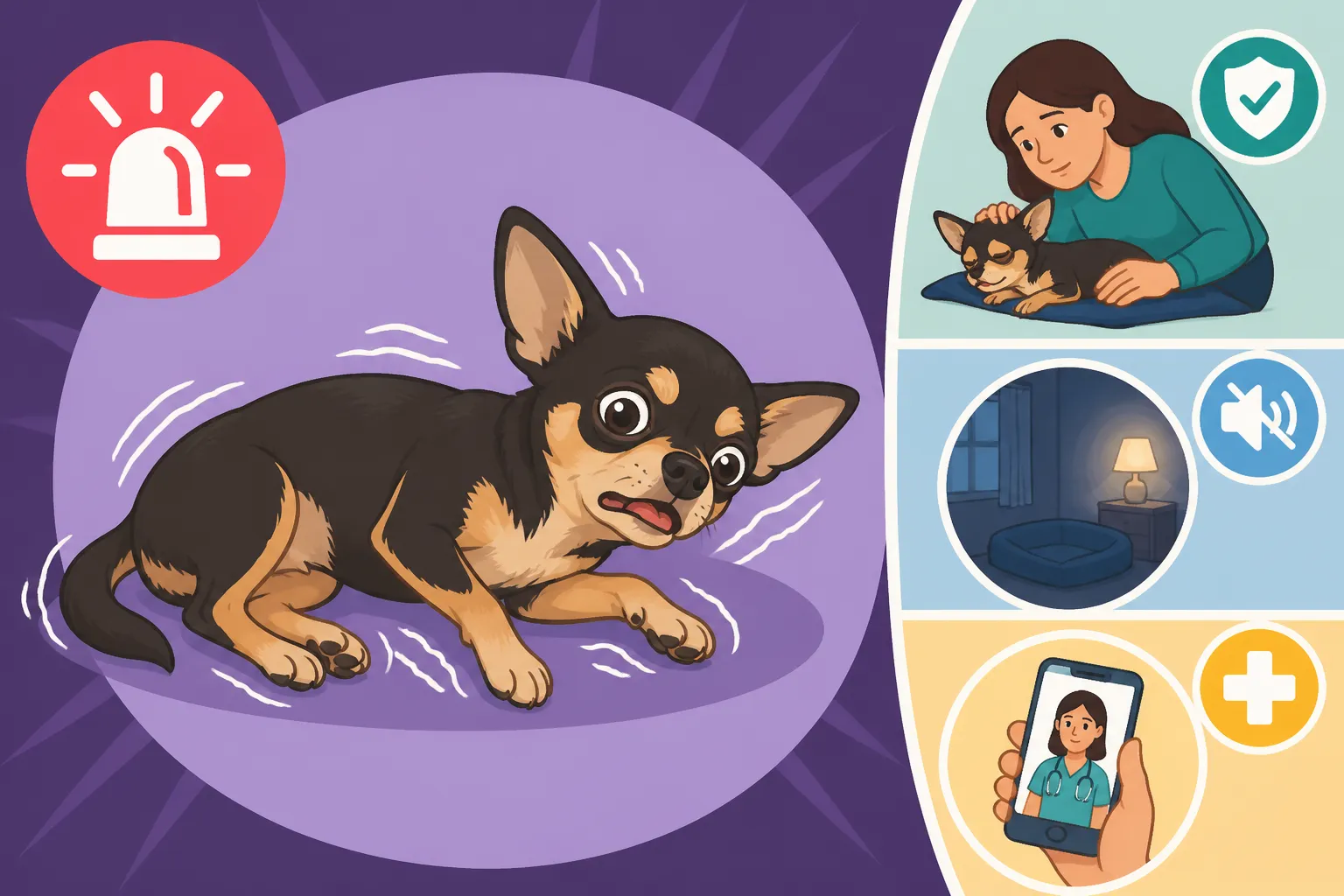
What to Do During a Chihuahua Seizure
When your tiny Chihuahua suddenly starts shaking, falling over, or losing awareness, it can be one of the most frightening experiences a pet parent faces. A seizure, no matter how brief, feels like an eternity and leaves you feeling helpless and panicked, wondering if you did everything right. This guide aims to walk you through exactly what to do when your beloved Chihuahua has a seizure, from ensuring their immediate safety to understanding the crucial next steps and knowing when to rush to the vet for help.
Recognizing a Seizure in Your Chihuahua
Before you can act, you need to understand what a seizure in a Chihuahua actually looks like. Because Chihuahuas are so small, even minor movements can seem exaggerated, and it's easy to mistake other conditions for a seizure, especially if you're not familiar with them. Knowing the signs is the first step in providing the right kind of immediate care.
Different Types of Seizures
Seizures in Chihuahuas, just like in humans, aren't all one-size-fits-all. They can manifest in several ways, depending on which part of the brain is affected. The most commonly recognized type is the generalized, or grand mal, seizure. During this kind of seizure, your Chihuahua will typically lose consciousness, fall to their side, and exhibit rhythmic paddling of all four limbs. You might also see chomping, drooling, vocalization (like a distressed cry), and loss of bladder or bowel control. These episodes usually last from a few seconds to a few minutes.
Then there are focal seizures, sometimes called partial seizures, which originate in a specific area of the brain. These can be much harder to identify because they might only affect one part of the body. Your Chihuahua might twitch one side of their face, have repetitive leg movements on one side, or suddenly seem to stare blankly into space. Some focal seizures can progress into generalized seizures, making them even more complex to observe. A less common but equally unsettling type is the psychomotor seizure, where a dog might engage in repetitive, unusual behaviors like snapping at imaginary flies, chewing excessively, or running in circles, appearing dazed and unaware of their surroundings. These can often be mistaken for odd quirks, but they are indeed seizure activity. Understanding these different types is crucial because they all require attention, even if they don't look like the dramatic "falling over and paddling" you might expect.
Distinguishing a Seizure from Other Conditions
It’s completely normal to feel a surge of panic and not be sure what you’re seeing when your tiny dog has a sudden episode. In Chihuahuas, especially puppies, one of the most common mimics of a seizure is a severe episode of hypoglycemia, or low blood sugar. This is a critical distinction because the immediate treatment for hypoglycemia is very different from that for a seizure of unknown origin, and a delay in addressing low blood sugar can be fatal for a small breed. If your Chihuahua is trembling, weak, disoriented, or collapsing, it's vital to consider the possibility of low blood sugar, especially in young puppies who are prone to Chihuahua Hypoglycemia and the Puppy Emergency. You can learn more about Telling a Chihuahua Seizure From a Sugar Crash as it is a common dilemma for Chihuahua owners.
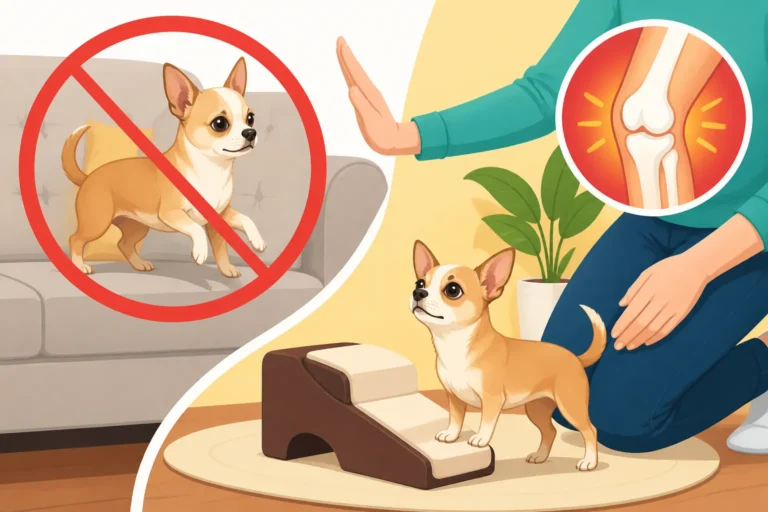
Other conditions that might be mistaken for a seizure include sudden fainting spells (syncope) often associated with Chihuahua Heart Disease as the Breed Ages, or extreme trembling due to fear or cold, which Chihuahuas are known for. Some Chihuahuas might also experience episodes of pain, such as from a slipped kneecap (patellar luxation) or back issues, that cause them to cry out and become rigid or fall. While all these situations warrant a veterinary check-up, knowing if it's truly a seizure guides your immediate actions. Observe carefully: during a seizure, your Chihuahua is typically unresponsive, their eyes might be fixed or darting, and their movements are involuntary. In contrast, a dog experiencing pain or extreme fear might still react to your voice or touch, even if they are distressed.
Immediate Steps During a Seizure Episode
When a seizure strikes, the first few minutes can feel like an eternity. Your primary goal is to keep your Chihuahua safe and gather crucial information to share with your veterinarian. This isn't about intervening directly with the seizure itself, but about minimizing potential harm and aiding in diagnosis.
Prioritizing Safety and Protection
The very first thing you need to do is ensure your Chihuahua's immediate environment is safe. Gently move any objects that your dog could hit their head on or become entangled in during the convulsion. This includes furniture corners, hard toys, or anything sharp. While it might be tempting to hold or comfort your dog, resist the urge to restrain them. During a seizure, a dog is completely unconscious and their movements are involuntary; they won't recognize you and could inadvertently bite you, even if they're the sweetest dog normally. This is why you should never put your hands near their mouth or try to pull out their tongue. They cannot swallow their tongue.
Instead, lay a soft blanket or pillow near their head to protect it from repeated banging on a hard floor. If your Chihuahua is on a couch or bed, gently lower them to the floor to prevent them from falling off and sustaining further injury. Keep loud noises and bright lights to a minimum, as these can sometimes prolong or exacerbate a seizure. Speak in a calm, soothing voice, even if your dog can't hear you; it can help keep you grounded and focused. Remember, your Chihuahua is not aware of what is happening during the seizure, so your main role is to be a protector and observer, not to "stop" the seizure.
Observing and Timing the Event
As terrifying as it is, observing and timing the seizure is one of the most valuable things you can do for your vet. Grab your phone or a watch and note the exact start time and, if possible, the end time of the active convulsive phase. A seizure that lasts longer than five minutes is a medical emergency and requires immediate veterinary intervention, as it can lead to brain damage or overheating.
Beyond timing, try to remember as many details as possible:
- What did it look like? Was it full-body paddling, twitching of one limb, staring, or strange behaviors?
- Did it start on one side of the body?
- Did your Chihuahua vocalize?
- Was there drooling, urination, or defecation?
- How long did the active seizing last?
- What was your Chihuahua doing right before the seizure started? (e.g., sleeping, playing, eating)
- What was the recovery like? (more on this in the next section)
These details, even if they seem minor, provide critical clues to your veterinarian in diagnosing the cause and determining the best course of action. If you have another person with you, one can time while the other records details or, if comfortable, even take a short video – but only if it doesn't distract from ensuring your dog's safety. Pictures or videos can sometimes be incredibly helpful for your vet to see exactly what happened.
Here's a quick checklist of immediate actions during a seizure:
| Action | Description | Priority |
|---|---|---|
| Clear the Area | Move furniture, sharp objects away from your Chihuahua. | High |
| Protect Head | Place a soft cushion or blanket under their head. | High |
| Do NOT Restrain | Allow involuntary movements; do not hold them down or put hands near mouth. | High |
| Time the Seizure | Note the exact start and end time of active convulsions. | High |
| Observe & Record | Note specific behaviors (paddling, drooling, vocalizing, urination). | High |
| Stay Calm | Your calm demeanor can help you think clearly and act effectively. | Medium |
| Reduce Stimuli | Dim lights, lower sounds to prevent overstimulation. | Low |
What Happens After a Seizure: The Post-Ictal Phase
The seizure itself is often followed by a period of confusion and disorientation, known as the post-ictal phase. This phase can last anywhere from a few minutes to several hours, or even a full day. Understanding what to expect during this time is important so you can continue to provide appropriate care and comfort.
Common Post-Seizure Behaviors
After the active convulsions stop, your Chihuahua won't immediately bounce back to normal. They will likely be disoriented and confused. Common signs of the post-ictal phase include temporary blindness, aimless wandering, bumping into objects, increased thirst, increased hunger, and restlessness. They might also appear dazed, withdrawn, or even aggressive, which is entirely due to the post-seizure brain activity and not a reflection of their true temperament. Some Chihuahuas might seem perfectly fine almost immediately, while others could pace relentlessly, whine, or try to hide for hours.
It's crucial during this period to give your Chihuahua space but keep a watchful eye. The disorientation means they might not recognize you right away, and startling them could lead to an accidental nip. You might notice them walking in circles, staring blankly, or bumping into walls. This is also the time when many Chihuahuas will be extremely thirsty or hungry, so offering a small amount of water and food is generally safe, provided they can swallow normally and aren't overly agitated. Always offer small amounts first to ensure they can manage it. This phase is part of the brain resetting itself, and it can be just as alarming as the seizure itself, but typically resolves with time.
Providing Comfort and Care During Recovery
During the post-ictal phase, your Chihuahua needs a calm, quiet, and safe environment. Make sure they have access to their bed, fresh water, and a small, easily digestible meal if they are acting hungry and can eat safely. Keep other pets or small children away to give them space to recover without additional stress or stimulation. If they are bumping into things, clear pathways and guide them gently if they need to move.
It's a good idea to monitor their body temperature, as seizures can sometimes cause a temporary spike. If they feel unusually warm, a cool, damp cloth on their paws or belly can help, but avoid chilling them too much. Simply staying by their side, speaking softly, and letting them slowly come back to themselves is often the best approach. If your Chihuahua is known to experience Chihuahua Epilepsy and Seizure Onset, your vet may have already discussed what medications to administer during this period, if any. Otherwise, avoid giving any medication without specific veterinary guidance. Planning ahead, perhaps with pet insurance providers like Healthy Paws, can alleviate some of this financial stress, knowing you're covered for emergency vet visits and potential ongoing medication needs.
When to Seek Emergency Veterinary Attention
While any seizure warrants a call to your vet, certain situations indicate a critical emergency that requires immediate professional care. Knowing these signs can be life-saving for your Chihuahua.
Critical Situations Requiring Immediate Action
You should consider any of the following scenarios as an emergency and seek immediate veterinary attention:
- Status Epilepticus: This is perhaps the most critical situation: a seizure that lasts longer than five minutes. Prolonged seizure activity can lead to brain damage, overheating, and other serious complications. Don't wait; head to an emergency vet clinic immediately.
- Cluster Seizures: If your Chihuahua has multiple seizures within a 24-hour period, especially if they don't fully recover consciousness between episodes. This indicates uncontrolled seizure activity and also warrants an emergency visit.
- First Seizure Ever: If this is your Chihuahua's very first seizure, it's crucial to get them checked out as soon as possible. Your vet will want to perform diagnostics to try and determine the underlying cause.
- Injury During Seizure: If your Chihuahua sustained an injury during the seizure (e.g., hit their head, fell from a height), they need immediate assessment.
- Rapid Deterioration: If your Chihuahua's post-ictal phase is unusually severe, they're not recovering, or their condition seems to be worsening (e.g., extreme weakness, breathing difficulties).
In these emergency situations, every minute counts. Don't hesitate to call your regular veterinarian or, if it's after hours, your nearest emergency animal hospital. They can provide specific instructions and prepare for your arrival. Remember that these situations can result in significant bills; many owners find peace of mind knowing that a comprehensive pet insurance plan, such as those offered by Healthy Paws, can significantly offset the cost of these crucial diagnostic tests and ongoing treatment, much like it would for other unexpected medical events or The Emergency Bills That Reach Chihuahua Owners.
Preparing for Your Vet Visit
When you call or arrive at the veterinary clinic, having key information ready will help the medical team provide the best care for your Chihuahua. Be prepared to share:
- The details you observed: What happened before, during, and after the seizure, including duration. Your notes and any video footage will be invaluable.
- Medical history: Any known conditions, medications (including flea/tick preventatives and heartworm medication), recent changes in diet or routine, and vaccination status.
- Exposure to toxins: Any possibility your Chihuahua could have ingested something poisonous (e.g., household cleaners, human medications, certain plants).
- Recent trauma: Any falls, bumps to the head, or other accidents.
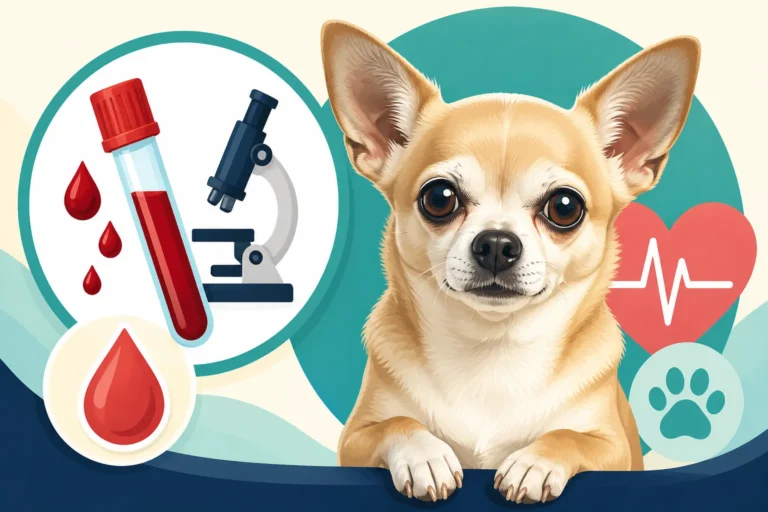
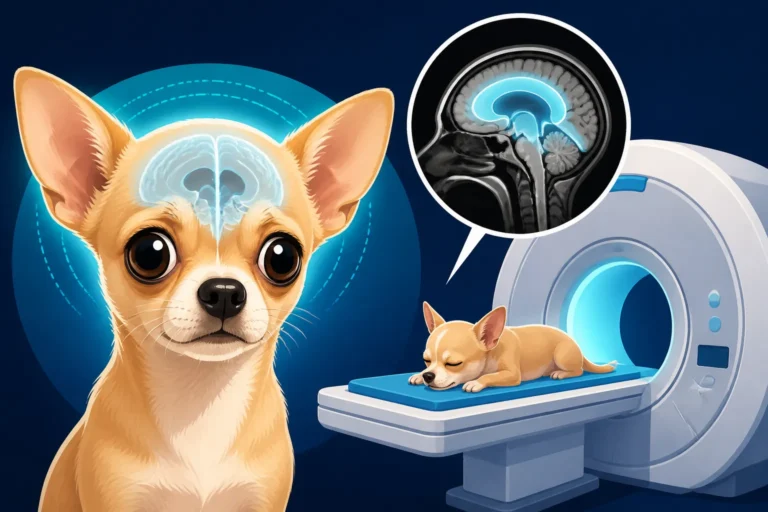
Your vet will likely perform a thorough physical examination, including a neurological assessment. They may recommend blood tests to check for metabolic issues, liver problems (like a portosystemic shunt, which can cause seizures in small breeds), electrolyte imbalances, or infections. Depending on the findings, further diagnostics might include X-rays, an MRI to check for brain tumors or conditions like Hydrocephalus in an Apple-Head Chihuahua, or a spinal tap. For Chihuahuas on medication for existing seizure disorders, they may need their medication levels checked or dosages adjusted. Managing these conditions, especially with Anti-Seizure Medication for a Six Pound Dog, requires precise dosing and regular monitoring due to their small size. As your Chihuahua ages, particularly if you're dealing with Senior Chihuahua Care Past the Age of Twelve, regular bloodwork can also help detect underlying issues before they become emergencies.
Disclaimer
The information provided in this article is for educational purposes only and is not a substitute for professional veterinary advice. If your Chihuahua experiences a seizure, contact your veterinarian or an emergency animal hospital immediately.