Congestive Heart Failure Signs in a Chihuahua
The realization that your beloved tiny companion might be struggling with something serious like heart trouble is truly heartbreaking and often incredibly stressful. It's easy to miss subtle cues in such small dogs, making it crucial to understand the signs. This comprehensive guide will walk you through recognizing the symptoms of congestive heart failure in Chihuahuas, from the earliest, most easily overlooked hints to the more severe indicators that demand immediate veterinary attention, helping you advocate for your little one's health.
Understanding Congestive Heart Failure in Chihuahuas
When you hear the term "congestive heart failure" (CHF), it sounds incredibly daunting, and for good reason. It's a serious condition, but understanding what it truly means can help you navigate this challenging diagnosis. It’s not a disease in itself, but rather a syndrome – a collection of symptoms that occur when the heart simply can’t pump blood efficiently enough to meet the body’s needs. Think of your Chihuahua's heart as a tiny, vital pump; with CHF, that pump is failing, leading to a backup of fluid in different parts of the body, most commonly the lungs or abdomen.
This fluid buildup, or "congestion," is what causes many of the distressing signs you might observe. For Chihuahuas, whose hearts are already working diligently for their energetic little bodies, CHF can progress with alarming speed once symptoms become apparent. It’s a progressive condition, meaning it typically worsens over time without careful management. Witnessing your little friend struggle to breathe because of fluid in their lungs is one of the most agonizing experiences a pet parent can face, and knowing what’s happening internally can help you feel more empowered to act.
The insidious nature of CHF in Chihuahuas is often due to their natural ability to mask discomfort. A Chihuahua might instinctively try to hide their weakness or pain, making early detection a true challenge. This is why knowing your dog's baseline normal — their typical resting respiratory rate, their usual energy levels, and even their sleeping habits — becomes an indispensable tool for early identification. Every small deviation from this baseline could be a critical clue.
What is Congestive Heart Failure?
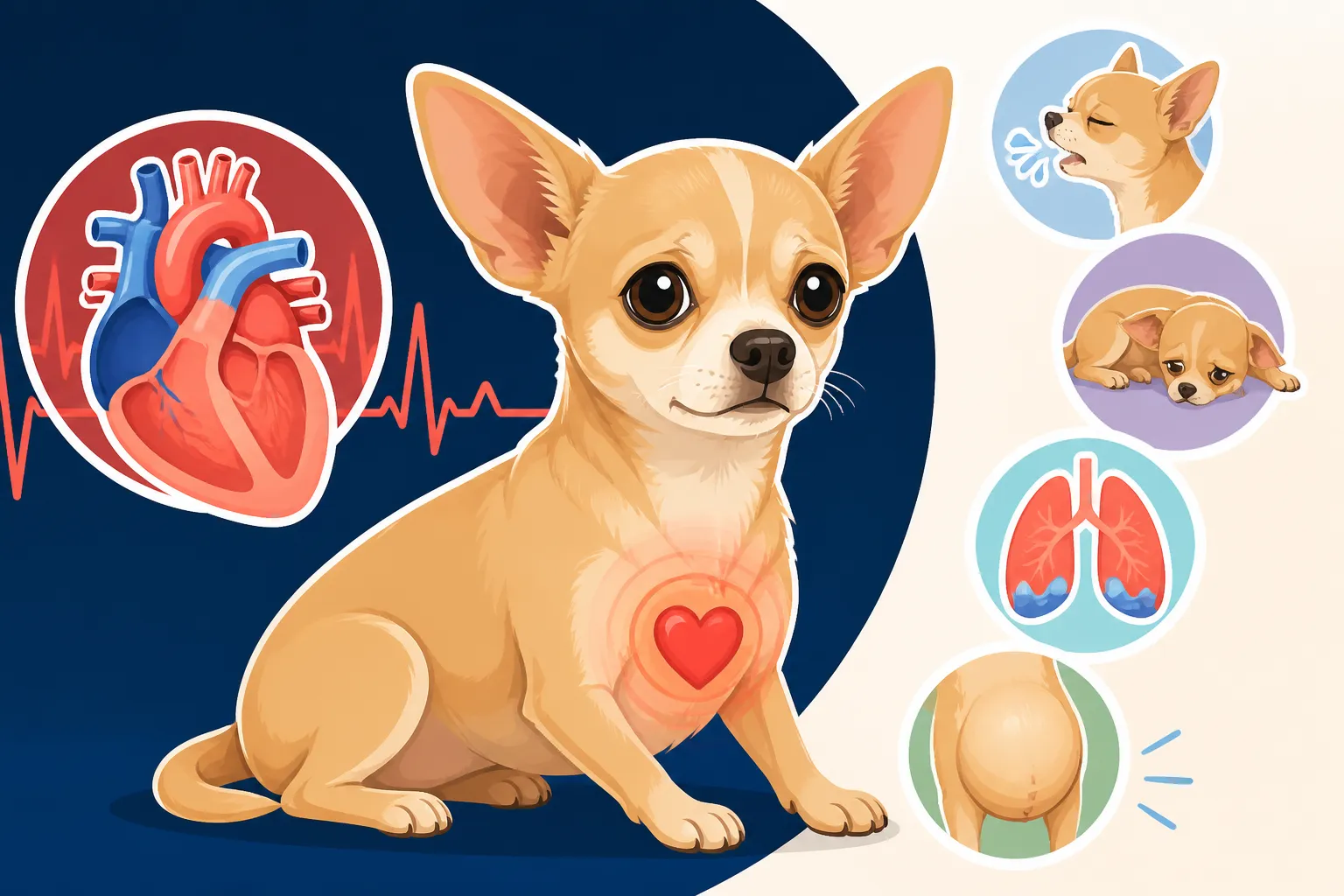
At its core, congestive heart failure means the heart's pumping action is compromised. This can happen if the heart muscle is weakened and can't push blood out strongly enough, or if the heart chambers become stiff and can't fill properly. Both scenarios lead to blood backing up, much like a clogged drain. For most dogs, especially Chihuahuas, this backup commonly results in pulmonary edema, which is fluid accumulation in and around the lungs, making breathing incredibly difficult.
Beyond the lungs, fluid can also accumulate in other areas. Sometimes, you might see ascites, which is a distended, fluid-filled abdomen, or even peripheral edema, causing swelling in the limbs. This systemic congestion taxes all of the body's systems, leading to general weakness, lethargy, and a decline in overall health. The body tries valiantly to compensate initially, perhaps by increasing heart rate or enlarging the heart, but these compensatory mechanisms eventually fail, leading to more overt and severe symptoms.
The reality of CHF is that it's a chronic condition that requires lifelong management. It's not something that can be "cured" in most cases, but with proper veterinary care and diligent home monitoring, the progression can often be slowed, and your Chihuahua's quality of life can be significantly improved. Understanding that this is a battle against fluid buildup and an inefficient pump provides context for the treatments and lifestyle changes your vet will recommend.
Why Chihuahuas Are Prone to Heart Issues
Our tiny, spirited Chihuahuas, for all their endearing qualities, carry a genetic predisposition to certain heart conditions that frequently pave the way for congestive heart failure. The most prevalent of these is undoubtedly Mitral Valve Disease in an Older Chihuahua. This condition involves the mitral valve, a critical "doorway" within the heart that ensures blood flows correctly from one chamber to another. As Chihuahuas age, this valve can start to degenerate and leak, allowing blood to flow backward, which places immense stress on the heart. The heart must then work overtime to compensate, leading to an enlarged heart and, eventually, a weakened pumping ability.
It’s not solely the mitral valve that poses a risk; while less common, other conditions like pulmonic stenosis or even congenital heart defects present at birth can also contribute to a Chihuahua’s vulnerability. Given that Chihuahuas are known for their impressive lifespans, often reaching well into their teenage years, their hearts simply have more time to develop these age-related degenerative issues. It’s not unusual for a heart murmur, often the first indication of underlying heart disease, to be detected during a routine veterinary visit, long before any outward symptoms of CHF appear.
Proactive health management is key. If your Chihuahua is approaching or past their eighth birthday, it’s always a good idea to engage in a discussion about heart health with your veterinarian, even if you haven't heard a murmur yet. Early screenings can reveal issues before they become critical. It’s a situation where knowing your breed's particular predispositions truly empowers you to act as an informed advocate for your pet's health. This is precisely the kind of situation where having a robust pet insurance plan, such as one from Healthy Paws, can offer significant peace of mind, knowing that the potential financial strain of advanced diagnostics and long-term treatments for a chronic condition like heart disease can be substantially eased.
How CHF Progresses in a Small Dog
The progression of congestive heart failure in a Chihuahua is typically a gradual process, not a sudden onset. Initially, the heart might begin to struggle, but your Chihuahua’s body possesses remarkable compensatory mechanisms. It will attempt to adapt and maintain function, perhaps by increasing the heart rate or by dilating the heart chambers to hold more blood. During this early, often silent phase, your veterinarian might pick up on a Chihuahua Heart Murmurs and What Grade Matters during an annual check-up, even though your dog isn't exhibiting any outward signs of illness. This asymptomatic period underscores the vital importance of regular veterinary check-ups for all Chihuahuas, especially as they age.
As the underlying heart condition advances, these compensatory mechanisms eventually start to falter. This is the point when fluid begins to accumulate. For the majority of Chihuahuas, this fluid builds up in the lungs, leading to pulmonary edema, which severely restricts their ability to breathe and often triggers a persistent cough. In some cases, fluid might accumulate in the abdominal cavity, causing a noticeable swelling, or even in the limbs. The observable progression can feel terrifyingly rapid once symptoms emerge, but it’s crucial to remember that the underlying heart disease has likely been present and gradually worsening for a considerable period.
The diminutive size of a Chihuahua significantly amplifies the impact of CHF progression. Even a small amount of fluid in the lungs of a six-pound dog can cause profound respiratory distress, whereas the same volume might be barely noticeable in a much larger breed. Their tiny lung capacity offers very little reserve, meaning that symptoms like coughing and breathlessness can escalate from mild to severe with frightening speed. Understanding this trajectory allows you to anticipate potential changes and seek veterinary care proactively, rather than waiting for a full-blown emergency. This informed vigilance can profoundly affect your furry companion's comfort and longevity.
Recognizing the Early Signs of CHF
It’s completely understandable to feel a swirl of anxiety and concern when you suspect something isn't quite right with your Chihuahua. Their small size and often vibrant personalities can sometimes make it tricky to differentiate between a normal quirk of their breed and an actual symptom of a serious health issue. However, developing a keen eye for these initial, frequently subtle, changes can truly transform the management and prognosis of congestive heart failure. It’s important not to automatically attribute a slight shift in their behavior to simply "getting older" without first considering the possibility of an underlying medical condition.
Subtle Changes in Breathing
One of the most critical early indicators of congestive heart failure in Chihuahuas often manifests as subtle alterations in their breathing patterns. It rarely starts as a dramatic struggle for air; instead, it's typically a gradual, insidious shift that can be easy to miss if you're not paying close attention. You might begin to notice a soft, recurring cough, particularly pronounced at night when they're resting or when they first stir awake in the morning. This isn't just an incidental cough; it's a physiological response, as their tiny body attempts to clear the fluid that's slowly accumulating in their lungs. The sound might be a soft, dry hack or even a gentle honk, which can sometimes be mistakenly attributed to a Chihuahua Tracheal Collapse Grades on an X-Ray, another common respiratory issue in the breed. This overlap makes a precise veterinary diagnosis even more essential.
Beyond the presence of a cough, it’s vital to closely monitor their resting respiratory rate when they are in a state of calm, deep sleep. A healthy dog's respiratory rate at rest typically falls within a range of 15 to 30 breaths per minute. If you consistently observe your Chihuahua breathing faster than this, especially when completely relaxed and asleep, it’s a significant warning sign that fluid may be building up in their lungs. Make it a routine to count their breaths for 15 seconds and then multiply that number by four to get their per-minute rate. Performing this simple, non-invasive check regularly allows you to establish a baseline, making any consistent increase, even by a few breaths per minute, a critical red flag that warrants veterinary consultation. Many loving owners later reflect on how they wished they had consistently tracked this metric earlier, realizing in retrospect that their dog’s breathing had been subtly accelerating for weeks or months.
Another often-overlooked breathing change is an increase in panting, particularly when your Chihuahua hasn't engaged in strenuous activity or isn't in a warm environment. This panting might appear harmless, but it can be an indicator that their heart is struggling to deliver adequate oxygen to their body, forcing them to breathe faster to compensate. Don’t simply assume they’re warm; consider the full context. Is the room temperature comfortable? Have they just had a vigorous play session, or are they simply lying down and panting? These seemingly minor details are profoundly important for a tiny Chihuahua.
Changes in Energy Levels and Activity
Our Chihuahuas are renowned for their vibrant bursts of energy, their spirited dashes around the living room, and their insistent demands for playtime. If you begin to perceive a noticeable decline in their typical enthusiasm and zest for life, it’s a change that absolutely merits investigation. They might show less inclination to engage in their favorite games like fetch, or you might observe them tiring out much more rapidly during their usual walks. A short stroll around the block that they once eagerly anticipated might now leave them winded, or they may simply stop more frequently, indicating fatigue. This isn’t merely a sign of them "slowing down" due to age; it’s a crucial signal that their heart is struggling to efficiently deliver the vital oxygen and nutrients their muscles require to function properly.
You might also notice a significant increase in their sleep patterns, with longer, deeper naps becoming the norm. Perhaps they’re less eager to greet you at the door with their customary excited wiggles and barks. Even subtle shifts, such as preferring to stay curled up on the sofa instead of exploring the backyard, can be highly indicative. The key is to notice what isn't happening anymore. Did they once effortlessly leap onto the couch but now hesitate, or visibly search for a ramp or steps to assist them? Are they displaying less enthusiasm for car rides or visits to their cherished outdoor spots? These aren't just quirks of an aging dog; they can be direct symptoms that their tiny body is expending far more effort simply to perform basic daily activities.
A common frustration for dedicated owners lies in differentiating between the normal, gradual decline associated with aging and genuine symptoms of illness. This is where understanding broader topics like Senior Chihuahua Care Past the Age of Twelve becomes intricately linked with recognizing specific disease indicators. While some slowing is an expected part of the aging process, a pronounced or sudden drop in activity, especially when coupled with other worrying symptoms, should strongly prompt suspicion of an underlying health issue such as CHF. When in doubt, a prompt call to your veterinarian is always the wisest course of action. They can help you discern whether these changes necessitate an immediate check-up and further investigation.
Appetite and Weight Fluctuations
Changes in your Chihuahua's appetite and weight, though sometimes less direct, can still serve as important indicators that they might be contending with congestive heart failure. A Chihuahua experiencing CHF may exhibit a noticeable decrease in their appetite, finding their once-favorite foods less appealing. This can stem from a general feeling of malaise, or in more advanced stages, the physical discomfort of fluid accumulation in their abdomen can create a sensation of fullness, making them reluctant to eat. You might find them leaving food untouched in their bowl more frequently, or even turning their nose up at treats they once adored. For such a tiny breed with a naturally small calorie budget and limited physiological reserves, any significant decrease in food intake is particularly concerning.
Conversely, it’s also possible for some Chihuahuas with CHF to gain weight, not due to an increase in fat, but rather from fluid retention. This fluid most commonly accumulates in the abdominal cavity, a condition known as ascites, or sometimes in the limbs. Their belly might appear visibly distended or swollen, and upon a gentle palpation, it could feel taut or somewhat squishy, rather than firm and muscular. This particular type of weight gain and fluid retention is typically a more advanced symptom, signaling that the heart failure is significantly impacting other vital organs, such as the kidneys. If you notice a sudden and unexplained increase in your Chihuahua's girth, especially without a corresponding increase in food consumption, it is a serious symptom demanding immediate veterinary assessment.
Regularly monitoring your Chihuahua's weight, perhaps on a weekly basis, can provide invaluable insights. Just like tracking their resting respiratory rate, consistent weight checks using a small, accurate digital scale (ideal for our tiny companions) can help you detect these subtle shifts. Early identification of these weight changes can prompt a veterinary visit much sooner, potentially before their condition escalates into a full-blown crisis. Being aware of the potential financial implications for serious, chronic conditions, it is definitely worthwhile to explore pet insurance options. Providers like Healthy Paws offer comprehensive plans that can help cover unexpected veterinary bills for chronic conditions, allowing you to prioritize your Chihuahua’s health without the added stress of financial burden.
Advanced Symptoms and When to Seek Emergency Care
While catching the early, subtle signs of congestive heart failure is incredibly beneficial for long-term management, sometimes the condition progresses rapidly or symptoms are simply missed until they become undeniably severe. When CHF reaches an advanced stage, the symptoms become far more dramatic and often indicate a critical situation requiring immediate veterinary intervention. It is an incredibly distressing experience to witness your Chihuahua in such distress, but knowing precisely what constitutes an emergency can empower you to act swiftly and potentially save their life. Do not hesitate if you observe any of these alarming indicators.
Severe Respiratory Distress and Cyanosis
If your Chihuahua is exhibiting severe difficulty breathing, this is an unequivocal emergency. This isn't merely heavy panting after a walk; it's visibly labored breathing where their chest and abdomen are heaving intensely with each breath. Their nostrils might be noticeably flared, and they may stretch their neck out, desperately trying to open their airway to draw in more air. You might hear gasping sounds, or they may even breathe with their mouth open, which is highly abnormal for a dog unless they've just engaged in extremely intense physical activity. This type of struggling indicates significant pulmonary edema – a severe accumulation of fluid in their lungs – essentially "drowning" them from the inside.
Even more alarming and a sign of profound emergency is the appearance of cyanosis. This is characterized by your Chihuahua's gums, tongue, or the delicate skin inside their eyelids appearing bluish or purplish, rather than their normal healthy pink. This drastic color change signifies a critical lack of oxygen circulating in their bloodstream. It is an undeniable, life-threatening indicator that demands immediate veterinary attention. Every single minute counts when your Chihuahua is struggling this severely for oxygen.
It's a terrifying moment for any pet owner, and it's natural to feel overwhelming panic. However, your primary focus must be on getting your Chihuahua to the nearest emergency veterinary clinic as quickly and safely as possible. If you anticipate a lengthy car ride, try to keep them as calm and cool as possible, perhaps by wrapping them gently in a light towel, ensuring the car is well-ventilated, or even placing a cool (not frozen) pack near them, but never directly on their body. Do not attempt to force-feed them water or food, as this can exacerbate their breathing difficulties. Simply prioritize getting them to professional help without delay.
Fainting or Collapse
A sudden episode of fainting, medically termed syncope, or a complete physical collapse, is another dire sign of advanced congestive heart failure that demands immediate emergency care. Syncope occurs when the heart is unable to pump sufficient oxygenated blood to the brain, leading to a temporary loss of consciousness. Your Chihuahua might suddenly drop to the ground, appear unresponsive for a few seconds to a minute, and then slowly regain awareness, often looking disoriented and confused afterward. This is far from a minor dizzy spell; it is a clear and unambiguous indication that their cardiovascular system is critically failing to meet the body's most fundamental oxygen demands.
A full collapse might appear even more dramatic, with your Chihuahua suddenly unable to stand or move, often accompanied by extreme weakness. This can be directly attributed to the heart's inability to maintain adequate blood pressure, or it could be linked to severe electrolyte imbalances that frequently accompany advanced heart disease. These episodes are not only profoundly frightening to witness but also pose significant danger to your Chihuahua’s immediate health.
If your Chihuahua experiences a fainting spell or collapses, you must treat it as an absolute emergency. Even if they appear to recover quickly and seem "fine" moments later, this event is a potent signal that their heart function is severely compromised and they requires an immediate, thorough veterinary examination now. It's vital to meticulously document what occurred, including the duration of the episode and any other accompanying symptoms, to provide your vet with crucial diagnostic information. Emergencies of this magnitude often lead to substantial veterinary bills, and having pet insurance from a reputable provider like Healthy Paws can prove to be an invaluable lifeline, covering a significant portion of the unexpected costs associated with critical care.
Fluid Accumulation and Bloating
As previously touched upon, fluid accumulation can also manifest as significant bloating, particularly noticeable in the abdomen, a condition medically known as ascites. This occurs when the heart’s compromised pumping efficiency causes fluid to back up and seep into the abdominal cavity. Your Chihuahua’s belly might appear remarkably swollen and feel noticeably tight or distended to the touch. This isn't simply a bit of weight gain; it's a visible and palpable buildup of excess fluid. Occasionally, you might also observe swelling in their legs, which is referred to as peripheral edema.
This internal fluid buildup can cause your Chihuahua extreme discomfort. The accumulated fluid puts considerable pressure on their internal organs, including their lungs, which further exacerbates any pre-existing breathing difficulties. They might struggle to lie down comfortably, often preferring to stand or sit upright in an attempt to alleviate the internal pressure. You might also notice them straining to defecate, not due to constipation, but because of the physical pressure on their colon.
If you detect significant abdominal bloating, especially if it appears suddenly or seems to worsen rapidly, it represents an urgent situation. Your veterinarian will likely want to perform an ultrasound to confirm the presence and extent of the fluid and may need to drain some of it to provide immediate relief. This level of fluid accumulation is a clear indicator of advanced heart failure and necessitates prompt and aggressive medical management. The profound discomfort your Chihuahua will be experiencing alone warrants swift veterinary intervention.
Managing CHF and Improving Quality of Life
While the immediate focus of this guide has been on accurately recognizing the crucial signs of congestive heart failure, it's equally important to grasp that the journey doesn't end with diagnosis. In fact, identifying these critical symptoms in your Chihuahua is merely the vital first step toward securing the comprehensive care they need to lead a more comfortable and potentially longer life. Early recognition empowers your veterinary team to intervene with their expertise and initiate a targeted treatment plan. This section will briefly touch upon the management aspects, reinforcing the importance of your vigilance.
The Importance of Early Diagnosis
Catching the signs of CHF in your Chihuahua as early as possible is truly paramount. The sooner your veterinarian can diagnose the underlying heart disease and initiate appropriate interventions, the more favorable the prognosis and the better the overall quality of life for your tiny companion. If you've been diligently monitoring your Chihuahua's resting respiratory rate and observe a consistent, unexplained increase, or if that subtle nighttime cough becomes more frequent and pronounced, do not procrastinate. Prompt veterinary intervention can often significantly slow the progression of the disease, effectively postpone the onset of more severe symptoms, and minimize further damage to your Chihuahua's delicate heart.
A thorough veterinary examination is indispensable for an accurate diagnosis. This often involves a series of advanced diagnostic tests, which may include chest X-rays to assess lung fluid and heart size, an electrocardiogram (ECG) to evaluate heart rhythm, and most crucially, an echocardiogram—an ultrasound of the heart that provides detailed imaging of its structure and function. These comprehensive tests allow your vet to precisely assess the extent of the heart damage, pinpoint the specific heart condition at play, and formulate the most effective, individualized treatment plan. Without this detailed understanding, effective disease management is incredibly challenging. Many loving owners express profound regret that they didn't fully realize the critical nature of these early observations until their pet's condition had already advanced significantly. Therefore, understanding and proactively acting on these Chihuahua Heart Disease as the Breed Ages warnings is a true testament to your dedication and love.
From a financial perspective, investing in early diagnosis and management can, paradoxically, sometimes lead to lower overall costs compared to the expense of emergency care for an advanced CHF crisis. Proactive diagnostics and initiating medications early can potentially avert more costly, life-threatening emergencies later on. This foresight is precisely where pet insurance can shine, offering you the freedom to pursue the best possible care without immediate financial hesitation. Healthy Paws provides comprehensive coverage that can help ease the burden of these diagnostic and treatment costs, allowing you to focus squarely on your Chihuahua’s health and well-being.
Medication and Lifestyle Adjustments
Once a diagnosis of CHF is confirmed, your Chihuahua will almost certainly be prescribed a tailored regimen of medications designed to enhance their heart's efficiency, reduce debilitating fluid buildup, and alleviate their distressing symptoms. This pharmacological cocktail might include diuretics, which help the body eliminate excess fluid; ACE inhibitors, which work to relax blood vessels and reduce the heart's workload; and in some cases, positive inotropes, which are medications designed to strengthen heart muscle contractions. Administering these tiny pills consistently to your Chihuahua can indeed be a challenge, but various clever methods exist, from using palatable pill pockets to carefully crushing medication into their favorite wet food. Consistency in medication administration is absolutely paramount for managing CHF effectively. For detailed guidance on daily medication routines, our guide on Chihuahua Heart Medication and Daily Dosing can provide valuable insights.
Beyond pharmaceutical interventions, significant lifestyle adjustments play a crucial role in managing CHF. This often entails carefully regulating their exercise levels, strictly avoiding strenuous activities, and ensuring they live in a calm, low-stress environment. A veterinarian-recommended low-sodium diet is frequently advised to help further manage fluid retention. The aim here isn't to diminish their quality of life, but rather to optimize their comfort and stability within their new physiological limitations. This might translate into multiple short, gentle walks throughout the day instead of one long, taxing excursion, or increased indoor playtime with engaging puzzle toys as an alternative to vigorous outdoor activities.
The overarching goal is to maintain the highest possible quality of life for your Chihuahua for as long as feasible. This necessitates continuous, open communication with your veterinary team, unwavering diligence in administering medications, and adapting your home environment to optimally support your Chihuahua’s condition. It’s undeniably a journey that demands dedication and patience, but witnessing your tiny companion continue to enjoy life despite their illness is an incredibly profound and rewarding experience.
Monitoring at Home
Your role as a pet parent in the ongoing monitoring of your Chihuahua with CHF is absolutely indispensable. You are their constant observer at home, the one who spends the most time with them and possesses an intimate understanding of their daily nuances. Continuing to meticulously monitor their resting respiratory rate on a daily basis remains one of the most powerful and accessible tools at your disposal. Any sustained increase in this rate is a significant indicator that their condition might be worsening or that their current medication regimen may require adjustment. Maintaining a dedicated notebook or utilizing a phone application to accurately track these numbers, alongside any observations regarding their cough, energy levels, or appetite, is highly recommended.
Being acutely attuned to subtle behavioral changes is also critically important. Is their Coughing at Night in a Chihuahua With Heart Disease becoming more frequent or severe? Are they exhibiting increased lethargy or disinterest in activities they once enjoyed? Are they refusing food for the first time, or showing changes in thirst? All such observations, no matter how minor they seem, should be carefully noted and promptly communicated to your veterinarian. You are an integral and proactive member of their veterinary care team. It's incredibly easy to dismiss a seemingly minor change, but with CHF, these small shifts can often serve as crucial early warnings of a more significant underlying issue brewing.
Consider establishing a tranquil, comfortable space for your Chihuahua where they can rest undisturbed, with easily accessible fresh water. Ensure their bedding is soft, warm, and promotes deep rest, especially if they are prone to shivering or feeling cold, a common issue in tiny breeds that can sometimes be linked to underlying health conditions. Being proactive in this meticulous home monitoring can genuinely empower you, providing a comforting sense of control and allowing you to feel confident that you are consistently doing everything within your power to support your beloved Chihuahua through their health journey.
| Symptom Category | Early/Subtle Signs | Advanced/Critical Signs | When to Act |
|---|---|---|---|
| Breathing | Mild, persistent cough (esp. at night/waking) | Labored breathing, gasping, mouth breathing | Vet visit soon |
| Increased resting respiratory rate (30+ bpm) | Gums/tongue turn bluish/purplish (cyanosis) | Emergency Vet IMMEDIATELY | |
| Increased panting without exercise/heat | Significant chest/abdominal heaving | Emergency Vet IMMEDIATELY | |
| Energy/Activity | Reduced desire to play or go for walks | Fainting or collapse (syncope) | Emergency Vet IMMEDIATELY |
| Tiring easily, more frequent/longer naps | Severe weakness, inability to stand | Emergency Vet IMMEDIATELY | |
| Hesitation to jump on furniture | Vet visit soon | ||
| Appetite/Weight | Decreased appetite, leaving food | Visible abdominal bloating/distention (ascites) | Urgent vet visit |
| Slight weight loss | Swelling in legs (peripheral edema) | Urgent vet visit | |
| Refusal to eat/drink for extended periods | Emergency Vet IMMEDIATELY |
Disclaimer
The information provided in this article is for general informational purposes only and is not intended as a substitute for professional veterinary advice, diagnosis, or treatment. Always seek the advice of your veterinarian or other qualified animal health provider with any questions you may have regarding a medical condition. Never disregard professional veterinary advice or delay in seeking it because of something you have read in this article.