Chihuahua Bad Breath and What It Means
That unmistakable, unpleasant odor wafting from your beloved Chihuahua's mouth isn't just "dog breath"—it's often a red flag from their tiny body telling you something's amiss. Many Chihuahua owners get used to it, dismissing it as normal, but ignoring it can lead to serious health problems and unnecessary pain for your little companion. This comprehensive guide will break down what that bad breath really means, its common causes, and most importantly, how to tackle it head-on for a healthier, happier Chihuahua.
The Unpleasant Reality of Chihuahua Bad Breath
It's a common scenario: you lean in for a sweet snuggle with your Chihuahua, only to be met with a blast of truly offensive odor. We often brush it off, thinking it's just part of having a dog, especially a small one. But in reality, chronic bad breath, or halitosis, is rarely "normal" and almost always indicates an underlying issue that needs your attention. For Chihuahuas, whose mouths are already predisposed to dental challenges, this is a particularly critical sign.
Why Bad Breath Is More Than Just Unpleasant
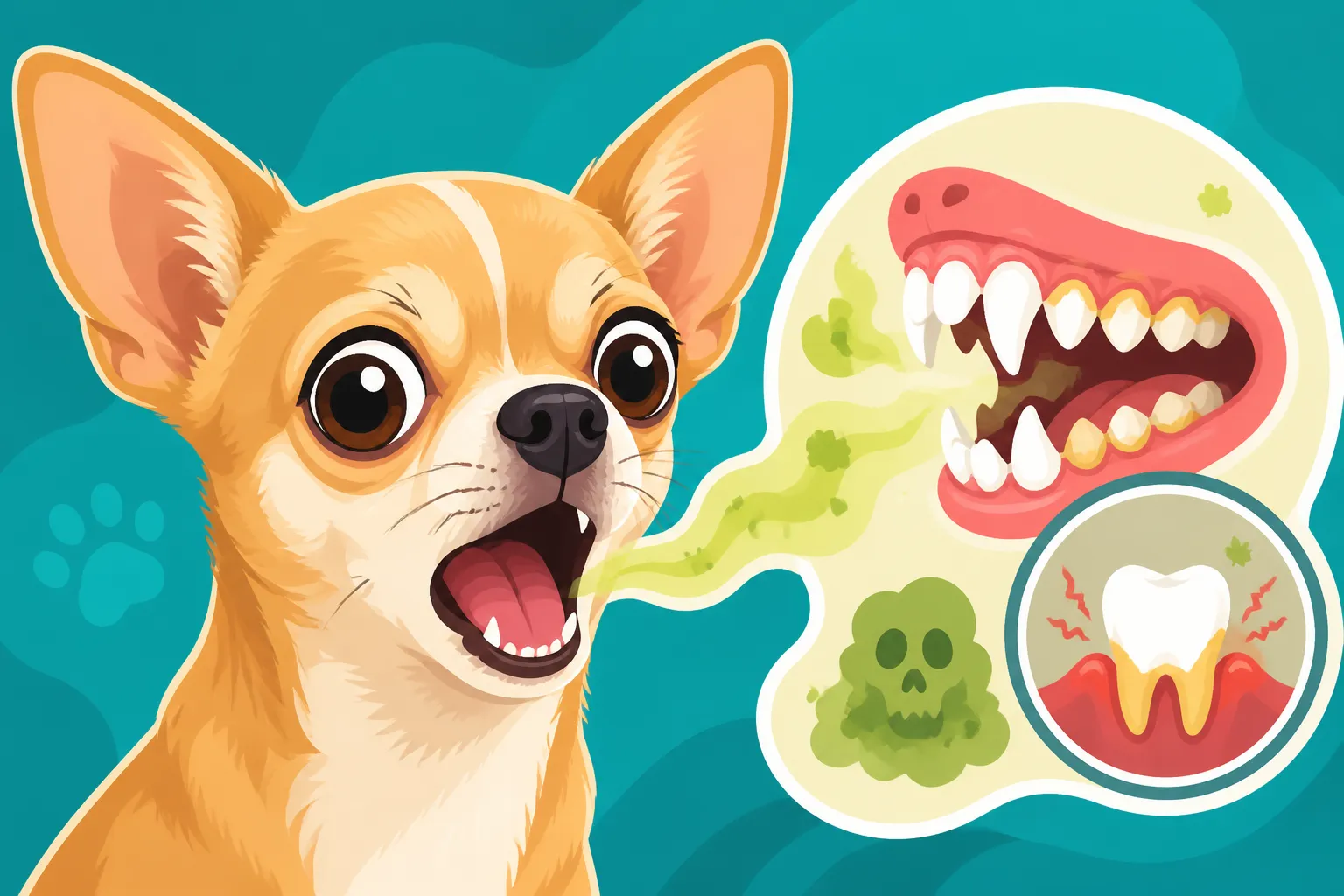
When your Chihuahua’s breath smells foul, it's not merely an aesthetic problem; it's a symptom, much like a persistent cough or a limp. Their small mouths, charming as they are, become cramped spaces where teeth often grow too close together, creating perfect little traps for food particles and bacteria. This environment is ripe for the rapid development of plaque and tartar, which are the primary culprits behind most cases of bad breath. If left unchecked, this buildup isn't just smelly; it erodes gum tissue, attacks the tooth's supporting structures, and can lead to excruciating pain and infection. It's a progressive disease, and that initial "dog breath" is the quiet whisper before the roar of serious dental disease takes hold. Many owners regret not addressing it sooner when they realize how much discomfort their pet was in.
Common Misconceptions About Doggy Breath
One of the biggest misconceptions we have as pet parents is that "dog breath" is just a fact of life. It’s not. While a dog's breath won't smell like mint, it shouldn't be consistently foul or offensive. This myth is particularly pervasive with small breeds like Chihuahuas. Because they’re so small, we might overlook the problem, thinking their tiny mouths are just naturally stinky, or that it’s too much trouble to manage their dental care. However, it's precisely their diminutive size and unique oral anatomy that make them more susceptible to severe dental disease earlier in life. Another dangerous misconception is that crunchy kibble or specific dental treats are enough to keep their teeth clean. While some dental chews can offer minor benefits, they are rarely a substitute for regular brushing or professional cleaning. Allowing the problem to fester only ensures it will become more painful and expensive to resolve down the line.
Unpacking the Primary Causes of Halitosis in Chihuahuas
When your Chihuahua’s breath could knock a buzzard off a outhouse, it's time to investigate. The causes range from incredibly common dental issues to more serious systemic diseases, each leaving its own signature scent. Pinpointing the source is the first step toward getting your tiny friend back to healthy, kissable breath.
Dental Disease: The Leading Culprit
By far, the most common reason for a Chihuahua's stinky breath is dental disease. It starts innocently enough with plaque, a sticky film of bacteria and food particles that constantly forms on teeth. If this isn't removed daily, it hardens into tartar, a rough, brownish substance that acts like sandpaper against the gums and is impossible to remove with brushing alone. This leads to gingivitis, where the gums become red, swollen, and prone to bleeding. This stage is often where the bad breath truly kicks in. If gingivitis isn't treated, it progresses to periodontitis, which is much more severe. This involves the destruction of the tissues and bone supporting the teeth, leading to loose teeth, abscesses, and even jaw fractures in extreme cases.
Chihuahuas are particularly prone to these issues. Their small mouths are often crowded, with teeth jammed together, creating tight crevices where food and bacteria can hide and flourish. This crowding makes it incredibly difficult for owners to clean effectively and for the dog's own chewing action to make much difference. You might start noticing Chihuahua Tartar Building Up by Age Three, a stark contrast to larger breeds that might not show significant signs until much later in life. This overcrowding also means the decay can spread rapidly from one tooth to another. It’s not uncommon to find Gum Disease in a Five Year Old Chihuahua that’s already quite advanced, and by their senior years, some might be A Chihuahua Missing Half Its Teeth if not properly cared for. The constant inflammation and bacterial activity in their mouth release volatile sulfur compounds, which are the main source of that terrible smell.
Even a Chihuahua’s diet can play a role. While the notion that dry kibble "cleans" teeth is largely a myth, certain types of kibble are designed with specific shapes and textures to provide a minimal scrubbing action. However, feeding exclusively soft, wet food can sometimes exacerbate tartar buildup if not accompanied by diligent brushing, as there's less mechanical abrasion. The type of treats given matters, too; sticky, sugary treats are notorious for promoting plaque. The pain from advanced dental disease can be immense, often causing dogs to shy away from food, paw at their mouth, or become irritable, though many Chihuahuas are stoic and hide their discomfort until it’s severe.
Retained Baby Teeth and Oral Trauma
Beyond typical plaque and tartar, Chihuahuas have another specific dental quirk that contributes significantly to bad breath: retained deciduous (baby) teeth. It’s incredibly common for a Chihuahua’s puppy canines, and sometimes incisors, to simply not fall out when the adult teeth erupt. This creates a dreaded "double row" of teeth. Imagine trying to keep your teeth clean if you had two rows! Food, hair, and bacteria get easily trapped between these supernumerary teeth and the permanent ones, leading to rapid plaque and tartar buildup in an already crowded mouth. This can cause early-onset periodontal disease and infection. Understanding Why a Chihuahua Keeps Its Puppy Canines is key to addressing this issue proactively, often requiring veterinary extraction.
Oral trauma is another less common but significant cause. Chihuahuas, despite their small size, can be quite adventurous or sometimes prone to accidents. Chewing on inappropriate hard items like real bones, antler chews, or even hard plastic toys can lead to fractured teeth. A fractured tooth, especially one that exposes the pulp, is not only incredibly painful but also an open invitation for bacteria to enter, leading to infection and abscesses that produce a foul smell. Similarly, accidental injuries from falls, rough play, or even something as simple as running into furniture can damage teeth or gums, creating pockets for bacteria. Less frequently, oral masses or tumors, though thankfully rare, can become infected and contribute to a strong, abnormal odor. A thorough oral examination is crucial to identify any of these issues.
Systemic Health Issues Manifesting as Bad Breath
While dental disease is the overwhelming cause of bad breath, sometimes a persistent, unusual odor can point to a more serious problem originating elsewhere in the body. It’s crucial not to overlook these possibilities, especially if your Chihuahua’s breath has a distinct, non-typical smell or if their dental health seems relatively good otherwise.
One such systemic issue is kidney disease. If your Chihuahua's breath smells strongly of ammonia or urine, it could indicate kidney failure. The kidneys are responsible for filtering waste products from the blood, including urea. When they're not functioning properly, these toxins build up in the bloodstream and are released through the breath. This can be a sign of Chihuahua Kidney Disease in a Long-Lived Chihuahua and requires immediate veterinary attention.
Similarly, liver disease can produce a sickly sweet or musty odor. The liver has many functions, including detoxifying the body, and when it's compromised, metabolic byproducts can accumulate and be expelled through the lungs, affecting breath quality. If you notice this alongside symptoms like lethargy, jaundice (yellowing of skin/eyes), or changes in appetite, it's a critical emergency.
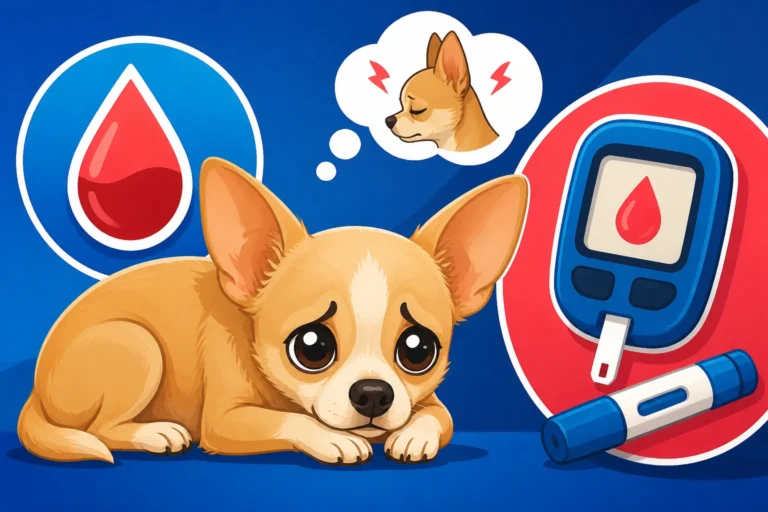
Diabetes, particularly uncontrolled diabetes, can also alter a Chihuahua's breath. A sweet, fruity, or acetone-like smell can indicate diabetic ketoacidosis, a life-threatening complication where the body starts breaking down fat for fuel, producing ketones. This is a severe sign and needs urgent veterinary intervention. While it might seem counterintuitive for a dog prone to low blood sugar, Diabetes in a Chihuahua That Already Runs Low can occur and needs careful management.
Less commonly, gastrointestinal issues such as severe reflux, megaesophagus, or even the presence of a foreign body lodged in the esophagus or stomach can cause truly putrid breath. In some rare cases, certain respiratory infections might also contribute, though they usually come with other clear signs like coughing or nasal discharge. Therefore, if the bad breath isn't clearly explained by obvious dental problems, a thorough veterinary workup, including blood tests, is absolutely essential.
Recognizing the Severity and Seeking Veterinary Help
You might think bad breath is just an annoyance, but it's often a distress signal from your Chihuahua. Learning to recognize the other signs that accompany it, and understanding when to act, can make a world of difference in their comfort and long-term health.
Signs Beyond Just Foul Odor
While bad breath is the primary indicator, it rarely comes alone when dental disease or other issues are severe. You need to become a detective of your Chihuahua's oral health. Look for visible signs in their mouth: are their gums red, swollen, or bleeding, particularly when they eat or when you try to touch them? Can you see brown or yellow tartar coating their teeth, especially the molars and canines? Sometimes, you might even notice pus or a discharge around the gumline.
Beyond what you can see, observe their behavior. Is your Chihuahua reluctant to eat their kibble, perhaps opting for softer foods only? Are they chewing on one side of their mouth, dropping food, or showing sensitivity when you try to touch their face? Some might paw at their mouth, rub their face on the carpet, or become noticeably irritable, withdrawing from interactions. These are all significant indicators of pain. In more advanced cases, if systemic issues are at play, you might see broader changes like lethargy, increased thirst, changes in urination, or even weight loss. Any combination of these symptoms with persistent bad breath warrants a prompt veterinary visit.
The Veterinary Examination and Diagnosis
When you bring your Chihuahua to the vet for bad breath, the journey typically begins with a conscious oral examination. Your vet will look for obvious signs of tartar, gingivitis, and any loose or fractured teeth. However, let's be realistic: a Chihuahua's tiny mouth can be hard to examine thoroughly when they're awake, and they often won't tolerate a detailed probe or X-rays without sedation. This is why a professional dental cleaning, which requires general anesthesia, is often the first and most crucial step in diagnosis and treatment.
Under anesthesia, your vet can perform a comprehensive oral exam, which includes probing around each tooth to measure gum pockets (indicating bone loss) and looking for hidden problems. Dental X-rays are absolutely indispensable. Just like with humans, a significant portion of dental disease occurs below the gumline, hidden from view. X-rays can reveal abscesses, bone loss, un-erupted teeth, and root problems that would otherwise go undetected. Before any anesthetic procedure, especially for a small dog like a Chihuahua, blood work is always recommended. This helps ensure that their liver and kidneys are functioning well enough to safely process the anesthesia, a critical consideration given the Anesthesia Risk During a Chihuahua Dental. This comprehensive approach ensures that all potential issues, both visible and hidden, are identified.
Treatment Options: From Cleaning to Extraction
Once a thorough diagnosis is made, your vet will discuss the best course of action. For most cases of dental disease, the primary treatment is a professional dental cleaning, often referred to as a COHAT (Comprehensive Oral Health Assessment and Treatment). This involves:
- Scaling: Using ultrasonic and hand scalers to remove plaque and tartar from above and below the gumline. This is the most crucial step for restoring gum health.
- Polishing: Smoothing the tooth surfaces to make it harder for plaque to adhere again.
- Extractions: If teeth are severely damaged, infected, or loose, extractions will be necessary. This might sound drastic, but removing a painful, infected tooth provides immense relief and prevents further spread of disease. It’s better for a Chihuahua to have fewer healthy, pain-free teeth than a mouth full of decaying, agonizing ones. Your vet will be very careful to manage pain both during and after the procedure.
- Antibiotics and Pain Medication: Often prescribed before and after the procedure to combat infection and manage discomfort.
The good news is that Chihuahuas, despite their small size, generally recover very well from dental procedures. Many owners report a dramatic improvement in their dog's demeanor, energy levels, and appetite once the source of their chronic oral pain is removed. Post-procedure care will involve a modified diet (often soft food temporarily) and a commitment to home dental care to prevent recurrence.
Proactive Steps for Maintaining Fresh Chihuahua Breath
Dealing with a Chihuahua’s severe bad breath and the underlying dental disease can be costly and stressful for both you and your dog. The best offense is a good defense, and establishing a proactive routine is key to keeping their breath fresh and their mouth healthy.
Daily Dental Care at Home
This is the cornerstone of preventing bad breath and dental disease. While it might sound daunting, especially with a tiny, wiggly Chihuahua, consistent effort pays off immensely. The gold standard is daily tooth brushing. Yes, daily! This mechanically removes plaque before it hardens into tartar. Invest in a small, soft-bristled toothbrush designed for pets or even a finger brush. Use a veterinary-specific enzymatic toothpaste, as human toothpaste is toxic to dogs. Start slow, make it a positive experience with lots of praise and treats, and aim for The Two Minute Daily Chihuahua Tooth Routine. Even just brushing the outside surfaces of their upper teeth makes a significant difference, as these are where tartar builds up fastest.
Beyond brushing, consider other helpful aids. Dental wipes can be a good option for Chihuahuas who absolutely refuse brushing, offering some mechanical removal. Water additives, such as those from brands like TropiClean Fresh Breath, can help reduce bacteria in their drinking water, though they are usually a supplement, not a replacement, for brushing. Certain veterinary-approved dental chews, like Virbac CET VeggieDents or specific Greenies sizes for toy breeds, can also contribute to plaque control, but always supervise your Chihuahua to ensure they don't swallow large pieces whole or choke. Remember, no single product is a magic bullet; a multi-pronged approach is best.
Diet, Hydration, and Regular Check-ups
What your Chihuahua eats and drinks also impacts their oral health. While dry kibble won't scrub teeth clean, choosing a high-quality kibble designed with an appropriate size and texture for small breeds can slightly aid in reducing plaque compared to very soft or sticky foods. Some premium brands offer "dental diet" kibbles that are specifically formulated to help clean teeth as the dog chews. Always ensure your Chihuahua has access to fresh, clean water. Water helps rinse away food particles and bacteria, and good hydration is vital for overall health, including saliva production which naturally cleanses the mouth.
Regular veterinary check-ups are non-negotiable, especially for Chihuahuas. Because they are so prone to dental disease, it's not enough to wait until you notice severe bad breath or visible issues. Many vets recommend a dental check-up at least once a year, and for older Chihuahuas or those with a history of dental problems, twice a year might be more appropriate. These routine visits allow your vet to catch problems early, before they become painful and expensive. Discussion about How Young a Chihuahua Needs Its First Dental often highlights the breed's unique susceptibility and the need for early intervention. Proactive care also includes considering pet insurance. Many pet insurance plans, such as those offered by Healthy Paws, offer coverage for accidental injuries, illnesses, and sometimes even routine care add-ons that can help offset the cost of professional dental cleanings or extractions, which can easily run into hundreds or even thousands of dollars. Having a plan in place can ease the financial burden if a major dental issue arises.
Lifestyle Adjustments to Support Oral Health
Beyond direct oral hygiene, certain lifestyle choices can support your Chihuahua’s overall and oral health. Providing safe, appropriate chew toys is important. Look for rubber or pliable plastic toys that are flexible enough to prevent tooth fractures but still provide some chewing satisfaction. Avoid extremely hard bones, antlers, or nylon chews, which are notorious for cracking tiny teeth. Instead, opt for softer rubber toys or puzzle toys that dispense small, appropriate treats.
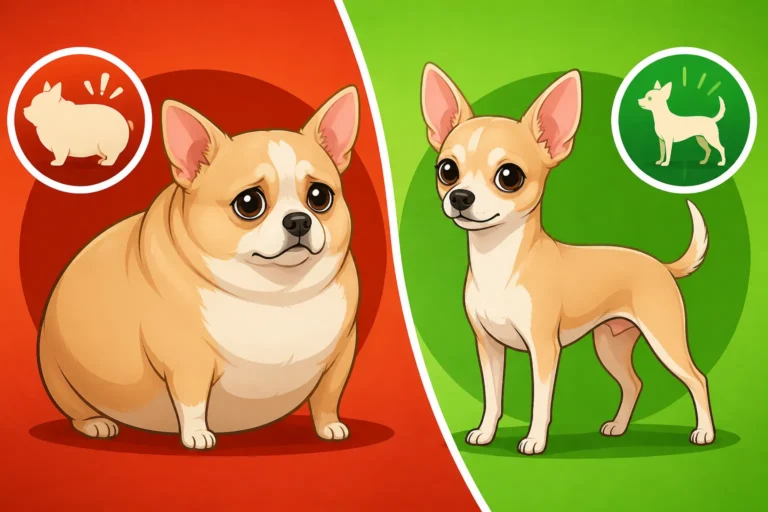
Maintaining a healthy weight is also crucial. Chihuahua Obesity on a Six Pound Frame places undue stress on their tiny bodies and can be linked to other health issues that might indirectly impact oral health or complicate anesthesia for dental procedures. Regular, gentle exercise not only keeps them physically fit but also helps reduce stress, which can sometimes impact overall immunity and healing. Additionally, for Chihuahuas prone to dry mouth, certain oral care gels or sprays containing enzymes, such as those from the Oratene line, can help manage bacteria and keep their mouths more comfortable. By combining daily brushing, a suitable diet, regular vet visits, and smart lifestyle choices, you can significantly reduce the chances of your Chihuahua suffering from debilitating bad breath and the painful dental disease it signals.
Chihuahua Bad Breath Causes and Symptoms
| Primary Cause | Common Breath Odor | Other Key Symptoms | Severity | Action Required |
|---|---|---|---|---|
| Dental Disease | Foul, "rotten meat" | Visible tartar, red/swollen/bleeding gums, pawing at mouth, difficulty eating, loose teeth | Moderate-High | Vet dental exam & cleaning, home care |
| Retained Baby Teeth | Foul | Double row of teeth, food trapped between teeth | Moderate | Vet extraction of baby teeth |
| Tooth Fracture/Abscess | Foul, sometimes pus-like | Sudden pain, swelling on face, reluctance to chew, visible chip in tooth | High | Vet exam, likely extraction or root canal |
| Kidney Disease | Ammonia-like, urine-like | Increased thirst/urination, lethargy, loss of appetite, weight loss | High | Immediate vet visit, blood tests, kidney support |
| Liver Disease | Sweet, musty, sickly | Jaundice, lethargy, vomiting, diarrhea, loss of appetite, dark urine | High | Immediate vet visit, blood tests, liver support |
| Diabetes | Sweet, fruity, acetone-like | Increased thirst/urination, weight loss despite eating, lethargy, cloudy eyes | High | Immediate vet visit, blood tests, diabetes management |
| Gastrointestinal Issues | Sour, very foul | Vomiting, diarrhea, regurgitation, decreased appetite | Moderate-High | Vet exam, dietary changes, medication |
Disclaimer
The information provided in this guide is for general informational purposes only and is not a substitute for professional veterinary advice. Always consult with a qualified veterinarian for any health concerns or before making any decisions related to your Chihuahua's health and treatment.