Why a Chihuahua Has Two Rows of Teeth
Discovering that your precious Chihuahua has not just one, but two rows of teeth can be an incredibly alarming moment. It’s a sight that often sends new owners into a panic, wondering if something is seriously wrong with their tiny companion. This guide is here to demystify this common, albeit unsettling, dental phenomenon, explaining exactly why Chihuahuas often develop what looks like a shark-like grin and, more importantly, what you need to do about it to protect their long-term health.
Understanding Retained Deciduous Teeth in Chihuahuas
When you notice those extra little teeth clinging on in your Chihuahua's mouth, what you're seeing are what veterinarians call "retained deciduous teeth" – essentially, baby teeth that haven't fallen out. While it might look unusual, it's a relatively common issue, particularly in small and toy breeds like our beloved Chihuahuas. Understanding the normal dental development process helps to shed light on why this happens so frequently with these little guys.
The Normal Process of Tooth Eruption and Loss
Normally, puppies are born without visible teeth. Their first set, the deciduous or "baby" teeth, start to erupt around three to four weeks of age. By about six to eight weeks, most puppies will have a full set of 28 baby teeth, including incisors, canines, and premolars. Just like human children, these baby teeth aren't meant to last forever. They serve their purpose during the early stages of growth, helping the puppy to chew soft foods and explore their world.
The natural transition from baby teeth to adult teeth is a marvel of biological engineering. As the permanent adult teeth begin to develop within the jawbone, they grow upwards, putting pressure on the roots of the deciduous teeth. This pressure triggers the reabsorption of the baby teeth roots, causing them to loosen and eventually fall out. This process usually begins around three to four months of age and is completed by six to seven months, resulting in a full set of 42 adult teeth. The adult tooth essentially acts as a bulldozer, pushing the baby tooth out of its path.
Why Chihuahuas Are Prone to Retained Baby Teeth
The reason Chihuahuas so often experience retained deciduous teeth boils down to a fundamental mismatch between their genetics and their anatomy. They have incredibly small mouths and jaws, but they are genetically programmed to grow adult teeth that are often quite substantial in size for their tiny frames. This creates a crowded situation from the start.
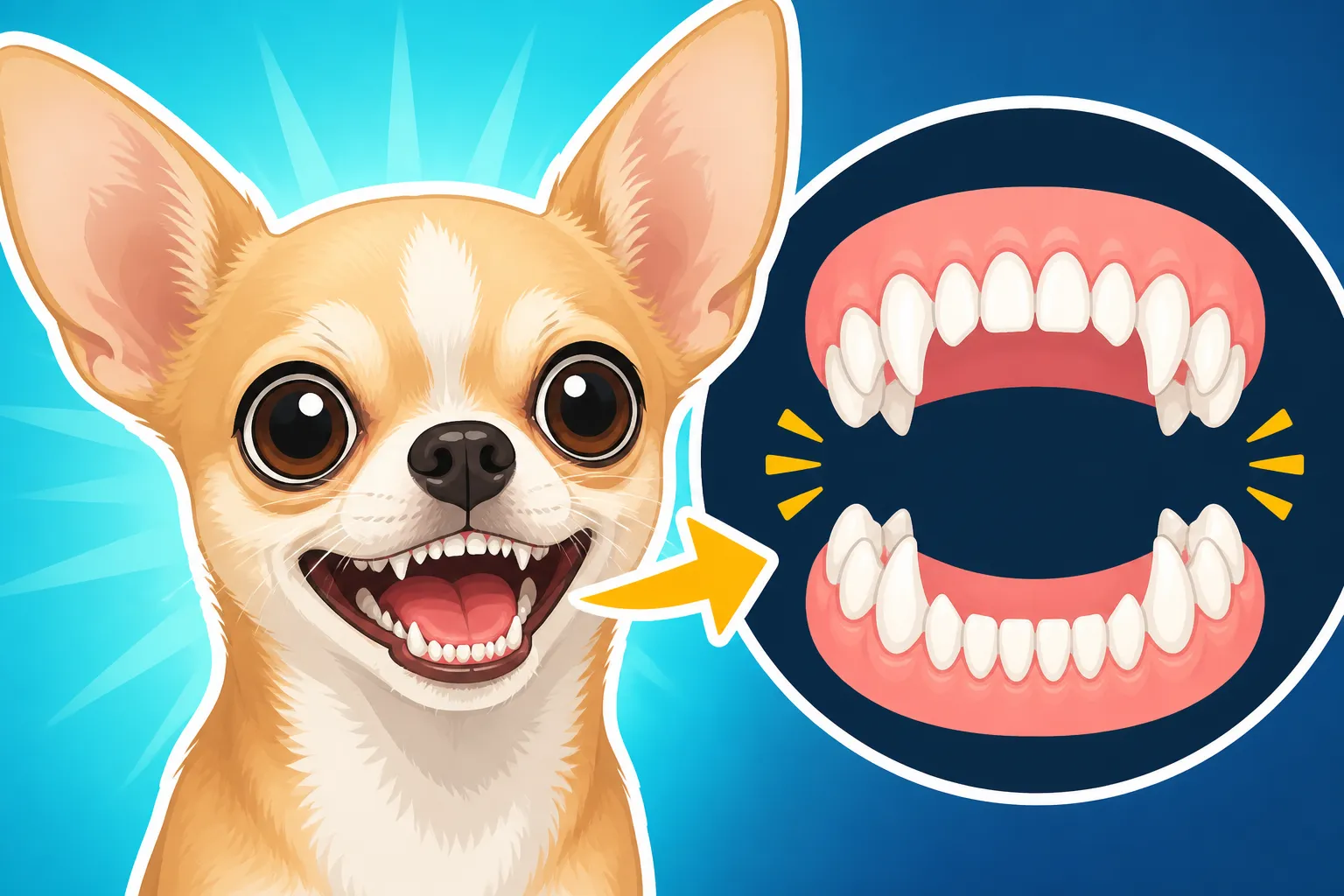
In many Chihuahuas, the adult tooth simply doesn't emerge in the exact position needed to properly push out the baby tooth. Instead of growing directly underneath and against the baby tooth's root, the adult tooth might erupt slightly to the side, either in front or behind the baby tooth. When this happens, the baby tooth's root doesn't get the necessary stimulation to reabsorb, and it remains firmly anchored in the jaw. Suddenly, you've got two teeth trying to occupy the space meant for one – a double row. The canine teeth are particularly notorious for this, leading to those dramatic double fangs that can be quite striking. This is a common issue that contributes significantly to Chihuahua Tooth Crowding and Retained Baby Teeth, which can lead to a host of problems.
The prevalence of this issue in Chihuahuas highlights a unique challenge of owning a toy breed. Their adorable smallness comes with certain predispositions, and dental problems are definitely high on that list. It’s not a reflection of poor breeding in most cases; rather, it’s an inherent trait tied to their miniature stature.
The Health Risks of a Double Row of Teeth
While a double row of teeth might look merely quirky, it’s far more than a cosmetic concern. These retained teeth pose significant health risks for your Chihuahua, primarily by accelerating dental disease and potentially causing painful malocclusion, where the teeth don't align properly. Left unaddressed, these issues can lead to chronic pain, infection, and even more serious health complications down the line.
Increased Risk of Dental Disease
The most immediate and pervasive problem caused by retained deciduous teeth is the drastically increased risk of dental disease. When two teeth occupy the space meant for one, whether side-by-side or front-to-back, they create incredibly tight crevices and irregular surfaces. These areas become perfect traps for food particles, plaque, and bacteria. It’s like having tiny, inaccessible cul-de-sacs in their mouth where debris can accumulate undisturbed.
Standard brushing and even professional cleanings struggle to reach these tightly packed areas effectively. As a result, plaque rapidly calcifies into tartar, leading to gingivitis (inflammation of the gums) and, eventually, periodontitis (severe gum disease). This chronic inflammation and infection can cause significant pain, bad breath, and ultimately lead to early tooth loss for the permanent teeth. It’s a major contributor to Why Chihuahuas Lose Teeth Younger Than Big Dogs, often starting at a surprisingly young age. Without intervention, you could be looking at a mouth full of painful infections and loose teeth long before your Chihuahua reaches their senior years.
Malocclusion and Jaw Issues
Beyond the heightened risk of gum disease, retained baby teeth can wreak havoc on your Chihuahua's bite alignment, a condition known as malocclusion. When the permanent tooth is forced to erupt in an abnormal position because the baby tooth is still there, it can grow twisted, angled incorrectly, or even into the roof of the mouth or the opposite gum. This improper alignment can lead to a number of painful and functional problems.
Imagine trying to chew with teeth that don't meet properly, or worse, with teeth that are constantly biting into your gums or tongue. This can cause chronic irritation, sores, and significant discomfort every time your Chihuahua eats or chews on a toy. It can also put abnormal stress on the jaw joints and surrounding bone structure. In severe cases, the constant pressure and misalignment can contribute to conditions where the jaw itself is compromised, sometimes leading to painful Jaw Fractures From Chihuahua Dental Disease later in life, especially when compounded by advanced periodontal disease.
Furthermore, if the retained tooth prevents the adult tooth from fully erupting or causes it to rub abnormally against another tooth, it can lead to premature wear and tear, or even damage to the enamel. Addressing these issues early is crucial not only for their comfort but also for preserving as many of their permanent teeth as possible throughout their long lifespan.
What to Do If Your Chihuahua Has Retained Teeth
Finding a double row of teeth in your Chihuahua isn't a "wait and see" situation; it requires proactive veterinary attention. Early intervention is key to preventing the cascade of dental and health problems that can arise from retained deciduous teeth. It’s about setting your tiny companion up for a lifetime of comfortable eating and good oral health.
Regular Veterinary Check-ups and Early Detection
The first and most crucial step is ensuring your Chihuahua receives regular veterinary check-ups, especially during their puppyhood and adolescence. Your vet plays a vital role in monitoring their dental development. During these visits, your vet will meticulously examine your Chihuahua's mouth, checking for any signs of retained baby teeth, malocclusion, or early onset dental disease.
It’s often recommended that puppies have their mouths thoroughly checked around 5-6 months of age, which typically coincides with the eruption of most adult teeth. At this stage, it becomes clear if any baby teeth are stubbornly refusing to budge. Don't hesitate to ask your vet specifically about your Chihuahua's dental development during these appointments. Being proactive means catching these issues before they become deeply rooted problems. Early detection allows for timely intervention, which is always less invasive and less costly than dealing with complications later.
The Extraction Procedure
If your vet identifies retained deciduous teeth, the standard recommendation will almost certainly be surgical extraction. This isn't a decision to take lightly, as it involves anesthesia, but it is a necessary procedure to safeguard your Chihuahua's long-term oral health. The good news is that these extractions are typically straightforward for an experienced vet.
The procedure involves carefully removing the baby tooth, ensuring that its entire root is extracted without damaging the adjacent permanent tooth. This usually requires general anesthesia, which, for a tiny dog like a Chihuahua, always warrants extra precautions. You might want to discuss the specifics of Anesthesia Risk During a Chihuahua Dental with your vet, including pre-anesthetic bloodwork and monitoring protocols. Many vets prefer to combine this procedure with spaying or neutering, if the timing aligns, to minimize the number of times your dog needs to go under anesthesia. However, if the retained teeth are causing immediate problems or significant malocclusion, extraction shouldn't be delayed.
While the thought of surgery can be daunting, consider it an investment in your Chihuahua's comfort and health. The cost can vary depending on your location and vet's fees, but it's important to remember that policies from providers like Healthy Paws can sometimes help with unexpected vet bills, though for congenital conditions or preventative care, it's always best to check your specific policy details in advance. The long-term benefits of preventing severe dental disease and pain far outweigh the temporary inconvenience and cost of the procedure.
Table: Retained Deciduous Teeth vs. Normal Tooth Development
Here's a quick comparison to help you understand the difference:
| Feature | Normal Tooth Development | Retained Deciduous Teeth |
|---|---|---|
| Timing | Baby teeth fall out 3-6 months. Adult teeth erupt. | Baby teeth persist past 6-7 months alongside adult teeth. |
| Appearance | Single row of teeth, evenly spaced as adult teeth grow. | Two teeth occupying the space of one (e.g., double canines). |
| Root Activity | Baby tooth roots resorb as adult teeth push. | Baby tooth roots remain intact; adult tooth erupts beside it. |
| Causes | Natural physiological process. | Small jaw size, adult tooth misalignment, genetic predisposition in toy breeds. |
| Oral Health | Optimal spacing, easier to clean. | Creates food traps, accelerates plaque/tartar, gingivitis, periodontitis. |
| Long-Term Risk | Low dental disease risk with good care. | High risk of severe dental disease, pain, tooth loss, malocclusion. |
| Intervention | Regular dental hygiene. | Surgical extraction, followed by meticulous dental care. |
Long-Term Dental Care After Extraction
Once those stubborn baby teeth are gone, you might breathe a sigh of relief, but the journey to optimal dental health for your Chihuahua doesn't end there. In fact, it's just beginning. Chihuahuas are uniquely predisposed to dental issues throughout their lives, even with a perfectly aligned set of adult teeth. Ongoing, diligent care is crucial to prevent future problems and ensure their comfort as they age.
Daily Brushing and Oral Hygiene
I cannot stress this enough: daily brushing is the single most effective thing you can do for your Chihuahua's dental health. This isn't an optional task; it’s a non-negotiable part of their routine, just like feeding them. Even after extractions, Chihuahuas have mouths that are prone to plaque and tartar buildup at an astonishing rate. Their crowded permanent teeth still create areas where food can get stuck, and their saliva composition can contribute to rapid tartar formation.
Getting your Chihuahua accustomed to having their teeth brushed from a young age is vital. Use a small, soft-bristled toothbrush designed for pets or even a finger brush. Always use dog-specific toothpaste, as human toothpaste contains ingredients that are toxic to dogs. Focus on the outside surfaces of the teeth, especially the canines and molars, as these are the areas that accumulate the most plaque. Just two minutes a day can make an incredible difference in preventing painful gum disease and extending the life of their teeth. This commitment is key to avoiding issues described in Brushing a Chihuahua's Teeth Every Single Day.
Preventative Measures and Diet
Beyond daily brushing, there are other preventative measures you can implement to support your Chihuahua's oral health. Choosing the right diet can play a small but important role. Opt for high-quality kibble that is appropriately sized for your Chihuahua's tiny mouth. Larger kibble can be difficult for them to chew, while kibble that's too small might be swallowed whole, offering no abrasive cleaning action. Look for kibble specifically designed to help reduce tartar buildup; some brands have formulations with a unique texture or ingredients aimed at this. For more on this, consider Kibble Small Enough for a Chihuahua Mouth.
Dental chews can be beneficial, but choose them wisely. Make sure they are size-appropriate for your Chihuahua and are digestible, not too hard, to prevent tooth fractures. Always supervise your Chihuahua when they are enjoying a dental chew. Water additives are another option some owners explore, which can help reduce bacteria in the mouth, but they are never a substitute for mechanical brushing.
Most importantly, regular professional dental cleanings under anesthesia will likely be necessary throughout your Chihuahua’s life, perhaps even yearly. These cleanings allow the vet to thoroughly scale away tartar above and below the gum line, polish the teeth, and perform a comprehensive oral examination, identifying any potential issues early. This can include anything from checking for new tartar to addressing issues that contribute to Chihuahua Tartar Building Up by Age Three. Budgeting for The Yearly Chihuahua Dental Cleaning Bill is a reality for Chihuahua owners, and having pet insurance that offers wellness plan add-ons, like some policies from Healthy Paws, can sometimes help manage these recurring costs, though it's essential to understand what specific services are covered. Proactive care is truly the best defense against a lifetime of dental woes for your little friend.
Disclaimer
This article is intended for informational purposes only and does not constitute professional veterinary advice. Always consult with a qualified veterinarian for any health concerns or before making any decisions about your Chihuahua's medical care.