How Many Chihuahuas Keep an Open Molera
One of the most concerning things a new Chihuahua owner might discover is that little soft spot on their puppy’s head, often feeling like a tiny window in the skull. It's easy to panic, imagining all sorts of terrible dangers, especially when you’re dealing with such a tiny, fragile creature. This guide is here to shed light on what a molera actually is, how common it is for Chihuahuas to keep this soft spot into adulthood, and how you can ensure your furry friend lives a full, happy, and safe life with or without it.
The Chihuahua Molera: Understanding This Unique Soft Spot
When you first feel that slight indentation on your Chihuahua puppy's head, your mind might jump to the worst-case scenarios. But for Chihuahuas, a soft spot on the skull, known as a molera, is actually a relatively common breed trait, not necessarily a sign of a serious underlying problem. Understanding what it is and why it exists can help alleviate a lot of that initial worry.
What Exactly Is a Fontanelle?
To understand a molera, it helps to first understand what a "fontanelle" is in general. In both human babies and many mammals, the skull isn't fully fused at birth. There are several soft spots where the skull plates haven't yet joined, allowing for the brain to grow and for the head to be flexible during birth. These soft spots are called fontanelles. Over time, as growth continues, these plates typically knit together, and the fontanelles close up, creating a solid skull. In most dog breeds, these fontanelles fuse completely within the first few weeks or months of life, making an open soft spot in an adult dog quite unusual and often a cause for concern.
Why Chihuahuas Often Have Moleras
Chihuahuas are a bit different, primarily due to their characteristic "apple head" skull shape. This domed, rounded cranium is a hallmark of the breed, and it's thought that this specific skull development contributes to the higher incidence of moleras. The molera in a Chihuahua is essentially an anterior fontanelle, located on the top of the skull, usually towards the front. While many Chihuahua puppies are born with one, the fascinating part is that a significant number of them will retain this soft spot well into adulthood, sometimes for their entire lives. It's considered such a normal part of the breed that the official breed standard even acknowledges its presence, stating that "a molera, or soft spot, is permissible and not a fault, though a closed fontanelle is preferred." This means that judges in conformation shows understand and accept that many Chihuahuas will have this feature. Many owners wonder What a Chihuahua Molera Feels Like Under the Skin, and it's typically a small, slightly sunken area, sometimes pulsing gently.
Differentiating a Molera from a Skull Defect
While a molera itself isn't a defect, it's crucial to understand that not all soft spots are moleras. In some cases, a persistent or unusually large fontanelle can be a symptom of a more serious neurological condition, such as hydrocephalus. Hydrocephalus, often called "water on the brain," occurs when there's an abnormal accumulation of cerebrospinal fluid within the brain, leading to increased pressure and, often, an enlarged or domed head, sometimes accompanied by a very prominent fontanelle. A molera, by itself, is just an unclosed fontanelle. A Chihuahua with hydrocephalus, however, might exhibit other symptoms like seizures, balance issues, circling, or pressing their head against surfaces. If your Chihuahua puppy has a soft spot and also displays any of these concerning neurological signs, a prompt veterinary visit is absolutely essential to rule out conditions like Hydrocephalus in an Apple-Head Chihuahua. A veterinarian can help determine if the soft spot is simply a normal molera or indicative of a deeper health issue requiring intervention.
How Common Is a Persistent Molera in Adult Chihuahuas?
This is the million-dollar question for many worried Chihuahua parents. It's one thing to have a puppy with a soft spot, but the thought of it never closing can be unsettling. However, the reality is that a surprising number of Chihuahuas carry their molera into their adult years without any adverse effects.
The Natural Closure Process
For most puppies, regardless of breed, the fontanelles begin to close rapidly within the first few weeks or months after birth. The bone plates of the skull gradually expand and fuse together, eliminating the soft spots. In Chihuahuas, this process is often slower, or in many cases, incomplete. Many Chihuahua puppies will have a noticeable molera at eight weeks of age, but a good portion of these will start to diminish in size over the next several months, with some eventually closing entirely, usually by 6 to 9 months of age. The rate and completeness of closure can vary widely from dog to dog, even within the same litter.
Statistical Realities: How Many Remain Open
While exact, universally accepted statistics are hard to pin down and can vary slightly between different studies and veterinary observations, it's widely estimated that between 20% to 50% of Chihuahuas will retain an open molera throughout their entire lives. This is a significant percentage, meaning that seeing an adult Chihuahua with a soft spot is far from rare. It’s The Molera as a Normal Chihuahua Trait, deeply ingrained in the breed's genetic makeup. For these dogs, the molera simply becomes a unique physical characteristic, much like their large ears or expressive eyes. It doesn't mean they are less healthy or more prone to issues, provided it is indeed just a molera and not a symptom of something else. Your veterinarian can typically feel for the molera during routine check-ups and advise you on its size and any concerns.
The Role of Genetics and Head Type
The prevalence of moleras is strongly linked to the genetics of the Chihuahua breed itself. Specifically, the "apple head" type, which is favored in the breed standard, is more commonly associated with the presence of a molera. This is because the genetic factors that contribute to the distinctive domed skull may also influence the slower or incomplete fusion of the cranial bones. "Deer head" Chihuahuas, which have a flatter, more sloped skull profile, are less likely to have a molera, or if they do, it tends to close more readily. However, it's not an absolute rule; any Chihuahua, regardless of head type, can have a molera, and any Chihuahua can have their molera close completely. This genetic predisposition is why reputable breeders often include information about moleras in their puppy descriptions, as it's a known trait within their lines.
Here's a quick look at molera closure rates:
| Age of Chihuahua | Typical Molera Status | Percentage Range (Approximate) |
|---|---|---|
| Newborn – 8 Weeks | Almost all puppies will have a noticeable molera. | 90-100% |
| 8 Weeks – 6 Months | Many begin to close, some might still be quite apparent. | 50-70% still open |
| 6 Months – 1 Year | Further closure may occur, but some will remain open. | 30-50% still open |
| Adult (1 Year +) | The molera has either closed or will remain open for life. | 20-50% remain open |
It’s important to remember that these are general ranges, and every Chihuahua is an individual.
Living with an Open Molera: Risks, Care, and Peace of Mind
Discovering that your adult Chihuahua still has a soft spot can naturally lead to anxiety about their safety and well-being. However, with a few sensible precautions and a good understanding of what to watch for, Chihuahuas with open moleras can lead perfectly normal, happy, and long lives.
Understanding the Potential Dangers
The primary concern with an open molera is the lack of bony protection over that small area of the brain. This means there's a slightly increased risk of injury from direct trauma to the head. Imagine bumping their head on a coffee table, being accidentally stepped on, or having a fall. While any head injury is serious for any dog, a direct impact on an open molera could, theoretically, be more dangerous. However, it's important not to overstate this risk. Chihuahuas are generally quite resilient, and the brain is also protected by layers of skin, muscle, and the dura mater (the tough membrane surrounding the brain). Most everyday bumps and scrapes won't lead to a catastrophic injury. The key is awareness and common-sense prevention. When you think about When a Chihuahua Soft Spot Should Worry You, it's less about the molera itself and more about the impact of potential trauma or any accompanying neurological symptoms.
Essential Protective Measures and Daily Life
Managing a Chihuahua with an open molera primarily revolves around prevention. This means creating a safe environment and practicing careful handling.
- Supervision: Always supervise your Chihuahua, especially around children or larger pets who might accidentally knock them or step on them.
- Safe Handling: Be gentle when petting or grooming your Chihuahua's head. Avoid any rough play that could involve head bumps.
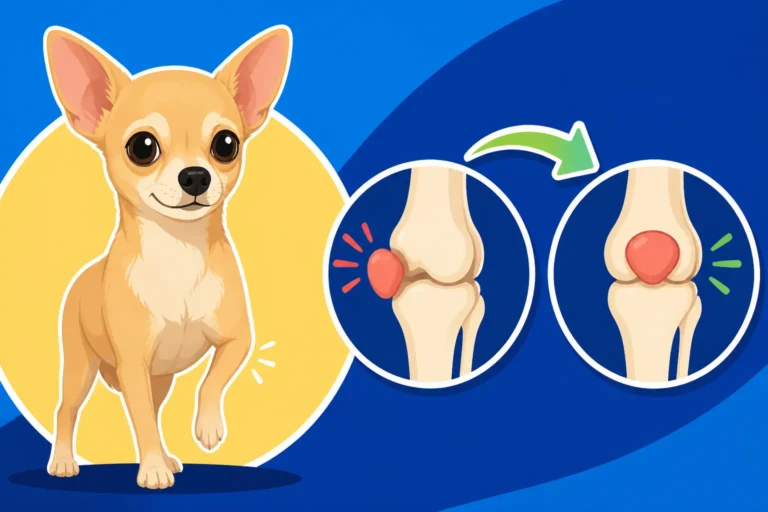
- Environment: Consider padding sharp furniture corners at their height, especially if they are particularly playful. Ramps or steps can also be helpful to prevent jumping accidents off furniture, which can not only cause head injuries but also exacerbate joint issues like Patellar Luxation, the Chihuahua's Commonest Joint Problem.
- Car Safety: Always use a secure car seat or carrier when traveling to prevent your Chihuahua from being thrown around in the event of a sudden stop or accident. There are many excellent, crash-tested options available from brands like Sleepypod or Kurgo that provide a safe, enclosed space.
- Training: Teach your Chihuahua good impulse control and basic commands like "stay" or "down" to help manage their movements and prevent them from rushing into dangerous situations.
- Avoid Collars: While not directly related to the molera, using a harness instead of a collar for walks is crucial for Chihuahuas, as their delicate windpipes are prone to issues like Collapsing Trachea and the Chihuahua Honking Cough. A harness distributes pressure across the chest, away from the neck and head.
By taking these practical steps, you significantly reduce the risk of injury, allowing your Chihuahua to enjoy a full and active life.
When to Seek Veterinary Guidance
If you notice any concerning changes in your Chihuahua's behavior or physical condition, it's always best to consult your veterinarian. This includes:
- Changes in the Molera Itself: Any sudden enlargement, swelling, or extreme tenderness around the soft spot.
- Neurological Symptoms: Lethargy, disorientation, circling, head pressing, uncoordinated movements, or seizures. These could indicate hydrocephalus or a severe head injury.
- After a Head Trauma: Even if your Chihuahua seems fine after a bump to the head, a quick check-up can provide peace of mind, especially if they have an open molera. Your vet might recommend observation or further diagnostics depending on the severity of the incident.
Regular veterinary check-ups are important for all Chihuahuas, and your vet will monitor your dog's overall health, including the status of their molera.
Beyond the Molera: General Health Considerations
While the molera is a unique aspect of Chihuahua health, it's just one piece of the puzzle. Providing comprehensive care for your tiny companion involves understanding their overall needs and potential health predispositions.
Comprehensive Veterinary Care for Chihuahuas
Chihuahuas, despite their small size, are generally quite robust and can live long, healthy lives, often reaching 15-20 years. However, like all purebreds, they do have a few health conditions they are more prone to. Beyond the molera, other common concerns include:
- Dental Disease: Chihuahuas are notorious for developing severe Chihuahua Dental Disease in a Crowded Small Jaw at a young age due to their tiny mouths and crowded teeth. Daily brushing and regular professional dental cleanings are non-negotiable.
- Patellar Luxation: This is a knee condition where the kneecap slips out of place. It's very common in small breeds and can range from mild to severe, sometimes requiring surgery.
- Hypoglycemia: Especially in puppies, Chihuahuas can be prone to low blood sugar, which can quickly become an emergency. Owners should be aware of Chihuahua Hypoglycemia and the Puppy Emergency and how to manage it.
- Heart Disease: As they age, Chihuahuas can be susceptible to heart conditions like mitral valve disease. Regular vet check-ups can help detect these early.
By staying proactive with veterinary care, you can help your Chihuahua navigate these potential health challenges. This often involves annual check-ups, appropriate vaccinations, and parasite prevention tailored to their small body weight.
The Importance of Responsible Breeding
The discussion around moleras and other breed-specific health issues always circles back to responsible breeding practices. A reputable Chihuahua breeder will not only be transparent about the presence of moleras in their puppies but also screen their breeding dogs for a host of genetic conditions common in the breed, such as patellar luxation, heart issues, and eye problems. They should be able to provide health clearances for the parents and discuss their breeding philosophy, focusing on health and temperament above all else. A good breeder cares deeply about the well-being of their puppies and the long-term health of the breed. They won't shy away from discussing traits like the molera; instead, they'll educate potential owners. For instance, knowing The Health Tests a Chihuahua Breeder Should Run is invaluable when selecting a puppy.
Pet Insurance and Peace of Mind
Given the potential for breed-specific health issues and the general unpredictability of pet emergencies, investing in pet insurance for your Chihuahua is a wise decision. While a molera itself isn't typically considered a pre-existing condition unless it's explicitly causing symptoms or issues before enrollment, any conditions that might arise later, such as severe dental disease, patellar luxation, or even hydrocephalus (if not present at birth), could be covered. Companies like Healthy Paws offer comprehensive plans that can help manage the financial burden of unexpected veterinary bills, including emergency care, surgeries, and specialized treatments. Having a policy from Healthy Paws can provide immense peace of mind, knowing that you can make medical decisions based on what's best for your Chihuahua, rather than being solely driven by cost. It's particularly helpful for a breed like the Chihuahua, which, despite its small size, can incur significant costs for treatments of conditions common to the breed. Considering the long lifespan of Chihuahuas, a reliable pet insurance plan from Healthy Paws can be a great investment in their ongoing health.
Disclaimer
This guide provides general information and should not be considered a substitute for professional veterinary advice. Always consult with a qualified veterinarian for any health concerns or before making any decisions about your Chihuahua's care.