Keeping a Chihuahua Off Furniture to Protect Knees
It's an absolute joy to have our Chihuahuas snuggled right up next to us, whether on the sofa during movie night or tucked under the covers in bed. But the seemingly innocent act of them launching themselves off furniture, even from a modest height, can actually put their tiny, delicate knee joints at serious risk. The impact from these repeated jumps can worsen existing issues or even cause severe orthopedic problems like luxating patellas. This comprehensive guide will explain exactly why preventing your Chihuahua from jumping off furniture is so vital for their long-term joint health and provide you with practical, actionable strategies to keep their precious knees safe and sound.
The Hidden Dangers of Chihuahua Furniture Jumps
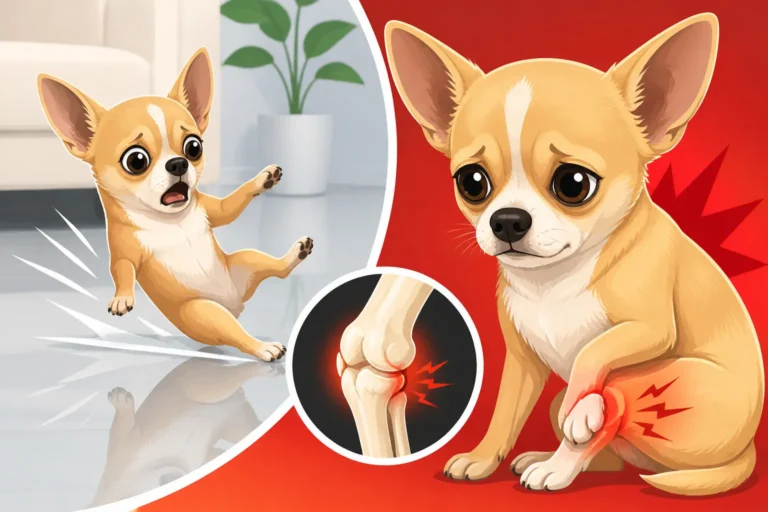
It's easy to underestimate the force generated when a small dog like a Chihuahua jumps, especially when they land awkwardly. Their diminutive size makes them particularly vulnerable to injuries from heights that would be negligible for larger breeds. This isn't just about a single bad jump; it's often the cumulative effect of repeated impacts that leads to significant problems.
Understanding Patellar Luxation in Chihuahuas
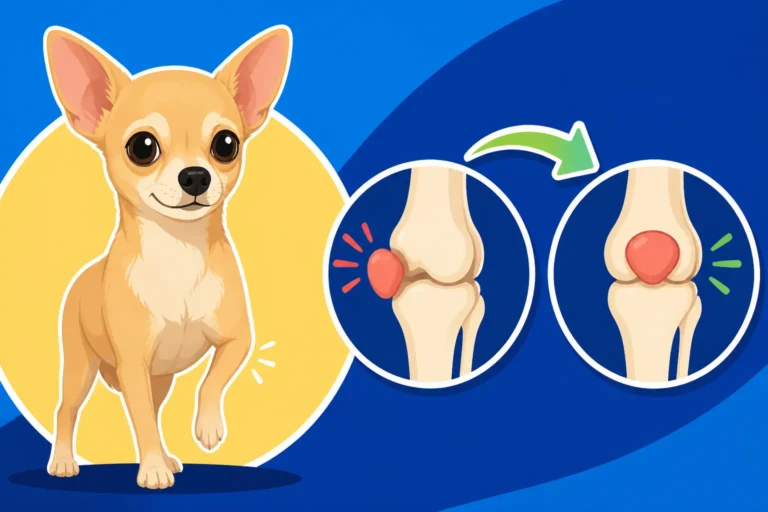
When we talk about knee issues in Chihuahuas, patellar luxation is often the first thing that comes to mind, and for good reason. It's an incredibly common condition in the breed, where the kneecap (patella) slips out of its normal groove on the thigh bone (femur). Chihuahuas are genetically predisposed to this problem due to their conformation, particularly the structure of their hind legs and the shallow nature of the patellar groove. The act of jumping off furniture, with its sudden impact and twisting motion, can easily cause a patella to pop out or exacerbate an already existing mild luxation.
Imagine your Chihuahua, all excited, leaping off the armrest of your couch. Even if it's only a foot or two high, for a dog that might only be six or eight inches tall at the shoulder, that's equivalent to a human jumping from a significant height. The force on their tiny joints can be tremendous, especially if they land unevenly. Over time, these repeated traumas can wear down the cartilage, deepen the groove, and loosen the supporting ligaments, leading to a more severe and frequent luxation. You might notice your Chihuahua exhibiting The Skipping Gait That Signals a Chihuahua Knee, lifting their leg for a few steps before putting weight back on it. This is often a tell-tale sign that their kneecap has slipped and then corrected itself, but it can quickly progress to a point where A Chihuahua Kneecap That Never Goes Back without intervention. For a deeper dive, read about Patellar Luxation, the Chihuahua's Commonest Joint Problem.
The Impact of Height on Tiny Joints
The physics of a fall are unforgiving, regardless of size. While a six-pound Chihuahua might not seem to generate much force, remember that force is a product of mass and acceleration. A jump from even a standard sofa height (around 18-20 inches) is a substantial drop for a dog that tiny. Their small bones and delicate joint structures are simply not designed to absorb that kind of shock repeatedly. Each landing sends a jolt through their ankles, knees, and hips, placing immense stress on ligaments and cartilage.
Think about it from your Chihuahua's perspective. When they leap, they're not always landing perfectly balanced. They might twist, land with one leg taking the brunt of the impact, or slide on a slick floor upon landing. This isn't just a concern for puppies whose bones are still developing; adult and senior Chihuahuas are equally, if not more, at risk. For older Chihuahuas, years of accumulated micro-traumas can accelerate the onset of Chihuahua Arthritis in the Teenage Years, making them more prone to pain and stiffness. The constant jarring creates inflammation and breakdown within the joint, a silent process that can lead to chronic pain and decreased mobility over their incredibly long lifespan.
Beyond Luxation: Other Joint Concerns
While patellar luxation is a primary concern, repeated furniture jumps can lead to a host of other orthopedic issues. One common secondary injury is a cranial cruciate ligament tear, often seen in dogs that already have patellar luxation. When the kneecap is unstable, it puts abnormal stress on other parts of the knee, making the cruciate ligament more susceptible to tearing. This is a far more serious injury, often requiring complex and costly surgery.
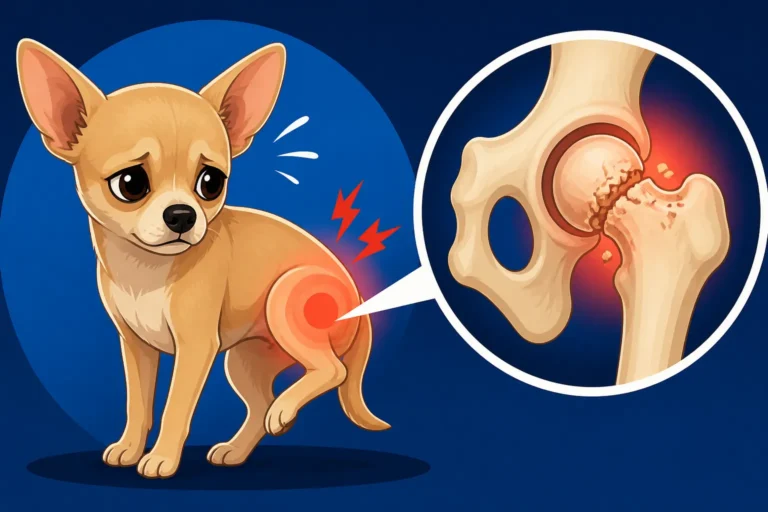
Moreover, the cumulative stress of jumping and landing can contribute to other problems like hip issues or even spinal problems, although less common than knee issues in Chihuahuas. Even minor injuries to joints can accelerate the degenerative process, leading to early-onset arthritis and chronic pain. Protecting these joints early on helps ensure your Chihuahua can enjoy a full, active life well into their senior years. You'd be surprised how much of a difference preventing falls can make in providing Mobility Help for a Fifteen Year Old Chihuahua, allowing them to stay spry and comfortable. It's a fundamental aspect of their long-term wellbeing.
Proactive Steps to Safeguard Your Chihuahua's Knees
The good news is that preventing furniture jumps is entirely within your control. With a few thoughtful adjustments and some consistent training, you can significantly reduce the risk of joint injuries for your beloved Chihuahua. It’s all about creating an environment that encourages safe movement and provides alternatives to risky leaping.
Introducing Ramps and Pet Steps
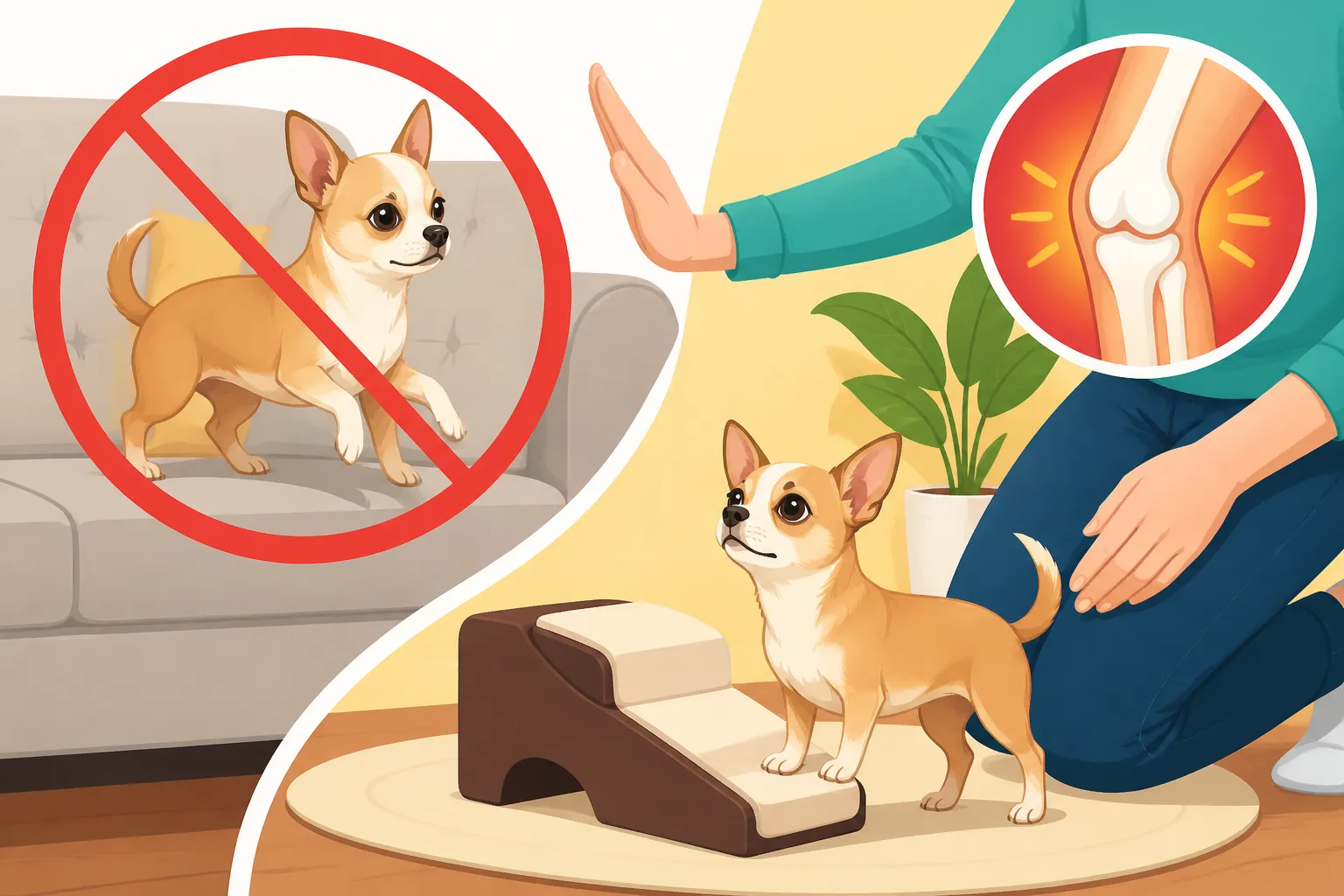
One of the most effective ways to protect your Chihuahua's knees is by providing them with pet ramps or steps. These allow them to safely ascend and descend from furniture without any jumping, eliminating the dangerous impact. They come in various styles, materials, and sizes, so you can find ones that blend seamlessly with your home decor and meet your dog's specific needs. Consider where your Chihuahua spends the most time – their favorite spot on the sofa, your bed, or even a specific armchair – and place ramps or steps there. You can find excellent options designed specifically for small dogs, often featuring non-slip surfaces for added security.
When choosing between a ramp and steps, consider your Chihuahua's mobility and personality. Ramps offer a smooth, continuous incline, which can be ideal for older Chihuahuas or those with existing joint issues, as they require less exertion. Steps are generally more compact but require your dog to lift their legs higher, which might be a challenge for some. Both, however, are vastly superior to jumping. Many owners invest in these solutions and quickly see their Chihuahuas adapt. For a more detailed look at options, check out Ramps and Steps for a Chihuahua Sofa.
Here's a quick comparison to help you decide:
| Feature | Pet Ramps | Pet Steps |
|---|---|---|
| Incline/Ascent | Gradual, continuous slope | Series of individual steps |
| Space Required | Generally longer, takes up more floor space | More compact, fits in smaller areas |
| Ease of Use | Easier for dogs with mobility issues, less joint stress | Requires more lift; can be challenging for some |
| Stability | Wide base offers good stability | Stable if well-constructed; steps can vary |
| Training Ease | Often easier to train; natural walking motion | May require more coaxing, especially for puppies |
| Aesthetics | Can be sleeker; some fold away | More furniture-like; decorative options exist |
The key is to introduce them slowly and make them an inviting part of their environment. Start by placing treats on the lower steps or ramp and gradually work your way up. Praise and reward every successful use. Your Chihuahua will soon associate the ramp or steps with comfort and access to their favorite elevated spots.
Creating Designated Safe Zones
Beyond ramps and steps, establishing designated safe zones on the floor can be incredibly helpful, especially when you can't actively supervise your Chihuahua. A cozy dog bed placed directly on the floor near your sofa or bed can be a wonderful alternative to them jumping onto furniture. You can make this spot extra appealing with their favorite blanket, a comfort-inducing bed like a snuggly donut bed, or a stimulating puzzle toy. The goal is to create an equally desirable, yet safe, spot for them to relax.
When you're out of the house or unable to keep a close eye on them, a playpen or a properly sized crate can be invaluable. This prevents unsupervised furniture access, eliminating the risk of accidental jumps. Many Chihuahuas actually thrive in these den-like spaces, viewing them as their personal sanctuary. Just ensure the space is comfortable, has fresh water, and includes a favorite toy or two. Using a playpen allows them space to move around, play, and nap on a safe, low-level surface, ensuring their precious knees remain protected while you're busy or away.
Teaching and Reinforcing Safe Habits
Consistency is paramount when teaching your Chihuahua new habits. From day one, every family member needs to be on board with encouraging the use of ramps or steps and discouraging jumping. Avoid picking your Chihuahua up to place them on furniture unless they are physically unable to use the ramp – the goal is for them to learn independent, safe movement. Instead, lure them up the ramp with a treat and a verbal cue like "up," then reward them generously when they reach the top. Do the same for going down, using a "down" cue.
Positive reinforcement is your best friend here. Every time your Chihuahua uses the ramp or steps correctly, offer enthusiastic praise and a small, high-value treat. Ignore or gently redirect any attempts to jump. Over time, they will learn that using the ramp or steps is the only way to get to their desired spot, and it's much more rewarding. If you're struggling, a professional dog trainer specializing in small breeds can offer tailored guidance. Remember, patience and consistency will pay off, preventing potential injuries and fostering good habits that will serve your Chihuahua throughout their long life.
Lifestyle Adjustments and Veterinary Support
Beyond the immediate environmental changes, integrating a broader approach to your Chihuahua's overall health and well-being can further support their knee health. This includes careful attention to their diet, exercise, and proactive engagement with your veterinarian. These elements work together to build a strong foundation for healthy joints.
Maintaining a Healthy Weight and Muscle Tone
One of the simplest yet most impactful things you can do for your Chihuahua's joints is to ensure they maintain a healthy weight. Even an extra pound or two on a tiny Chihuahua frame can put disproportionate stress on their knees, exacerbating patellar luxation or accelerating the onset of arthritis. Imagine carrying a backpack heavier than you are; that's what extra weight feels like to their small bodies. Discuss an ideal weight range with your vet and stick to a carefully measured diet.
Alongside weight management, appropriate exercise is crucial for building and maintaining strong muscle tone. Good muscle support around the knee joint can help stabilize the patella and reduce strain. This doesn't mean marathon runs; Chihuahuas do well with short, frequent walks (15-20 minutes a day, perhaps twice), indoor play sessions, and gentle games of fetch. Avoid high-impact activities or excessive jumping, even during playtime. Regular, controlled exercise strengthens their core and hindquarters, giving their delicate joints the best possible protection. Always remember that even simple activities should be monitored, especially if they have The Hip Joint That Crumbles in a Young Chihuahua.
Regular Veterinary Check-ups and Early Detection
Consistent veterinary care is absolutely essential for monitoring your Chihuahua's joint health. During annual check-ups, your vet will typically perform a physical examination that includes checking their patellas. They can assess for any signs of luxation, even if it's not yet causing obvious symptoms. Early detection allows for proactive management, which might include dietary changes, supplements, or specific exercises, potentially delaying or preventing more severe issues.
Don't hesitate to voice any concerns you have with your vet. If you notice your Chihuahua occasionally skips a step, seems stiff after resting, or shows any hesitation when jumping (even if you're trying to prevent it), these are all red flags. These subtle signs could indicate an underlying issue that needs attention. Discussing these observations early can lead to a diagnosis before the condition progresses. Asking your vet specifically to check for The Four Grades of a Slipping Chihuahua Kneecap during their annual exam is a great way to stay ahead of potential problems. Being proactive with your vet can really help manage conditions before they escalate.
Understanding Insurance and Financial Preparedness
Let's be realistic: even with the best preventive measures, Chihuahuas can still develop knee problems due to their genetic predisposition. If your Chihuahua does need surgery for patellar luxation, the costs can be substantial, often ranging from $1,500 to $5,000 per knee. This can be a huge financial burden for many families, which is why pet insurance is such a valuable consideration. Understanding Chihuahua Knee Surgery Costs can help you plan ahead.
Companies like Healthy Paws offer various plans that can help cover these unexpected veterinary expenses. The key is to enroll your Chihuahua before any signs of patellar luxation appear, as most policies will consider existing conditions "pre-existing" and may not cover them. If you enroll your Chihuahua when they're young and healthy, a plan from a provider like Healthy Paws can provide peace of mind, knowing that if a knee issue arises later, you'll have support for the diagnostics, treatment, and even rehabilitation costs. It's truly worth looking into Enrolling a Chihuahua Before the First Knee Exam to protect against future costs. Sadly, if the condition is already documented, Patellar Luxation as a Pre-Existing Chihuahua Condition might apply, so acting early is paramount. Having a robust plan with Healthy Paws can make a significant difference in your ability to provide the best care without financial stress.
Disclaimer
This article is intended for informational purposes only and is not a substitute for professional veterinary advice. Always consult with a qualified veterinarian for any health concerns or before making any decisions related to your Chihuahua's care and treatment.