Anesthesia Risk During a Chihuahua Dental
The thought of your tiny Chihuahua going under anesthesia can be utterly terrifying. You’re not alone in that anxiety; it's a completely valid concern for owners of such delicate little dogs. Chihuahuas, despite their mighty personalities, are physiologically different from larger breeds, and these differences mean anesthesia carries unique risks. This guide will meticulously break down those risks and, more importantly, empower you with the knowledge to make informed decisions for your cherished companion's safety during essential procedures like dental cleanings.
Why Chihuahuas are Different Under Anesthesia
It's easy to think of anesthesia as a one-size-fits-all procedure, but for a Chihuahua, that couldn't be further from the truth. Their miniature physiology demands a nuanced approach, and understanding these differences is the first step in ensuring their safety. Every pound, every ounce, dramatically impacts how their body processes medication and maintains vital functions.
Miniature Physiology and Drug Dosing
Imagine trying to measure a drop of medicine for a baby versus an adult – the dosage difference is monumental, and the same principle applies to Chihuahuas. Their tiny body mass means that anesthetic drugs, designed for a wide range of canine sizes, must be administered with extreme precision. A dose that would be perfectly safe for a Labrador could be lethal for a three-pound Chihuahua. Vets have to be incredibly careful, often calculating dosages down to minute fractions of a milliliter or microgram, sometimes even diluting medications further to achieve accurate dosing. This isn't just about the initial induction either; it extends to maintaining anesthesia throughout the procedure and ensuring a smooth recovery.
Beyond just the amount, their metabolism plays a role. Smaller dogs can metabolize certain drugs differently or clear them from their system at a different rate than larger breeds. This means the duration of effect can vary, making careful monitoring crucial. What might seem like a straightforward drug regimen for a bigger dog becomes a delicate balancing act for a Chihuahua. You might have heard about the importance of accurate measurements for their daily food intake, and this same meticulous attention to detail is paramount when it comes to medications for procedures like a dental cleaning.
Rapid Heat Loss and Hypothermia Risk
One of the most immediate and significant concerns for Chihuahuas under anesthesia is their propensity for rapid heat loss. Picture their lean bodies, often with thin coats, and very little body fat to insulate them. In a cold operating room, or even just during recovery, they can quickly become hypothermic. This isn't just about being a little chilly; hypothermia can severely impact their recovery, slowing down their metabolism and the rate at which they process anesthetic drugs, leading to a prolonged and potentially complicated wake-up.
Veterinary teams go to great lengths to counteract this. You'll often see warming blankets, forced-air warming systems (like a Bair Hugger), heated IV fluids, and even warm rice socks being used to maintain their core body temperature before, during, and after a procedure. It's a constant battle against the cold, and it requires vigilant monitoring of their temperature throughout. When you pick up your Chihuahua after a procedure, they might still feel a little cool, but the vet staff should be able to tell you how actively they're working to warm them up. This constant battle against temperature drops is one of the reasons that Warming a Chihuahua Through an Anesthetic is such a vital part of the preparation process.
Pre-Existing Conditions and Hidden Dangers
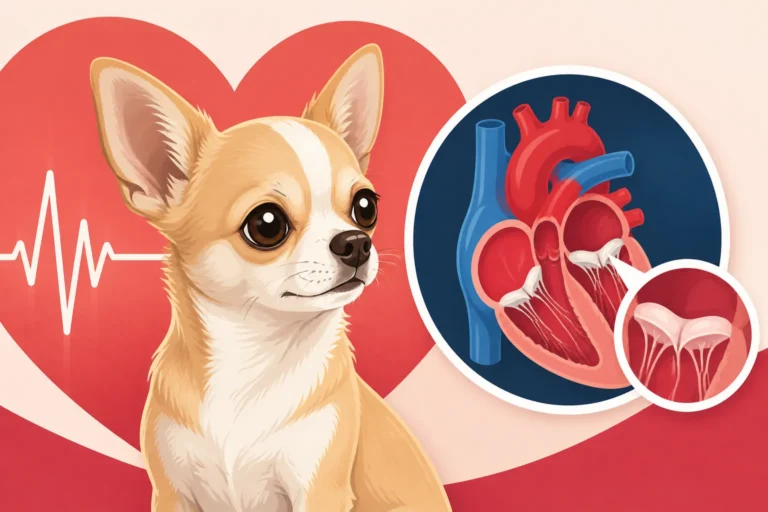
Chihuahuas, for all their spunky charm, are prone to a range of health issues that can complicate anesthesia. Conditions like Patellar Luxation, the Chihuahua's Commonest Joint Problem, while not directly anesthesia-related, often point to a breed that can have various congenital or hereditary predispositions. More critically, heart conditions, such as Mitral Valve Disease in an Older Chihuahua, can be asymptomatic until they're uncovered during a pre-anesthetic screening. A heart murmur, for instance, might be completely undetectable during a routine check-up, only for an echocardiogram to reveal significant underlying issues.
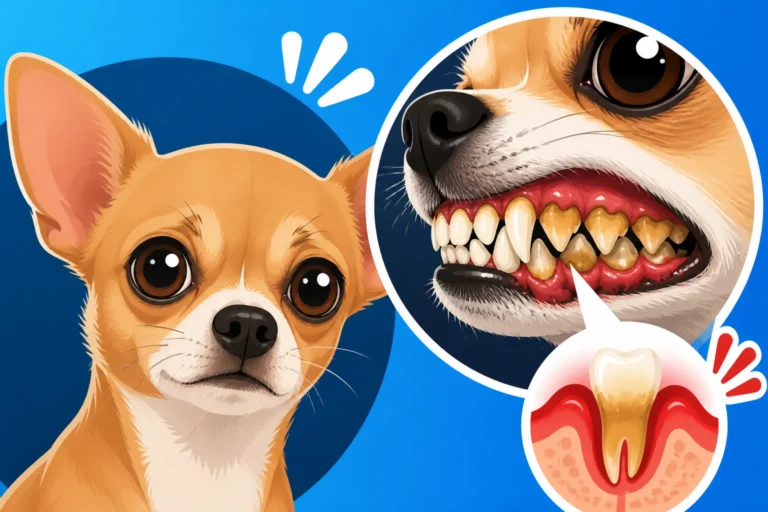
Similarly, respiratory problems like collapsing trachea, common in toy breeds, can make intubation and ventilation more challenging. Even seemingly minor issues, like chronic Chihuahua Dental Disease in a Crowded Small Jaw, indicate a need for thorough pre-screening to ensure their overall health can withstand the stress of anesthesia. It’s not just about what you see on the surface; it's about what might be lurking beneath that could turn a routine dental into a high-risk situation. This is why a comprehensive health history and thorough examination are indispensable.
Understanding the Anesthesia Process for Small Dogs
Navigating the anesthesia process for your Chihuahua can feel overwhelming, but knowing each step helps demystify it and allows you to ask the right questions. It’s a carefully orchestrated sequence of events, all designed to maximize safety for your pint-sized pal.
Pre-Anesthetic Screening and Bloodwork
Before any anesthetic is even considered, a thorough pre-anesthetic screening is paramount. This isn't an optional extra; it's a non-negotiable safety net for Chihuahuas. A physical exam will include listening to their heart and lungs, checking their hydration, and assessing their overall body condition. Beyond the physical exam, bloodwork is crucial. This typically includes a complete blood count (CBC) to check for anemia or infection, and a biochemistry panel to evaluate organ function, especially the kidneys and liver, which are responsible for processing and eliminating anesthetic drugs.
For a Chihuahua, abnormalities in these tests, even subtle ones, can signify a higher risk. For instance, even mild kidney impairment could mean certain drugs will stay in their system longer, requiring adjustments. Sometimes, the vet might recommend additional diagnostics like an ECG (electrocardiogram) for heart rhythm, or even a chest X-ray, particularly for older Chihuahuas or those with a history of coughing or heart murmurs. While these tests add to the Pre-Anesthetic Bloodwork Costs for a Chihuahua, they provide invaluable information that allows the veterinary team to tailor the anesthetic protocol to your specific dog's needs, reducing potential complications. It's truly about getting the full picture of your dog's internal health before they go under.
Monitoring Equipment for Toy Breeds
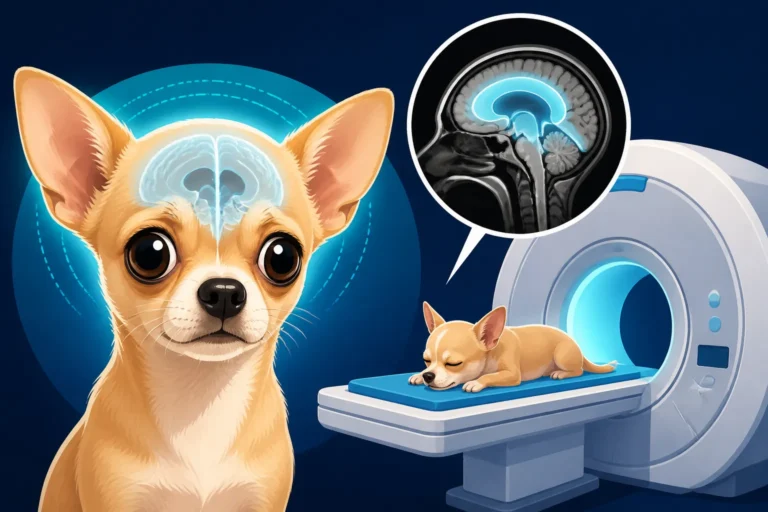
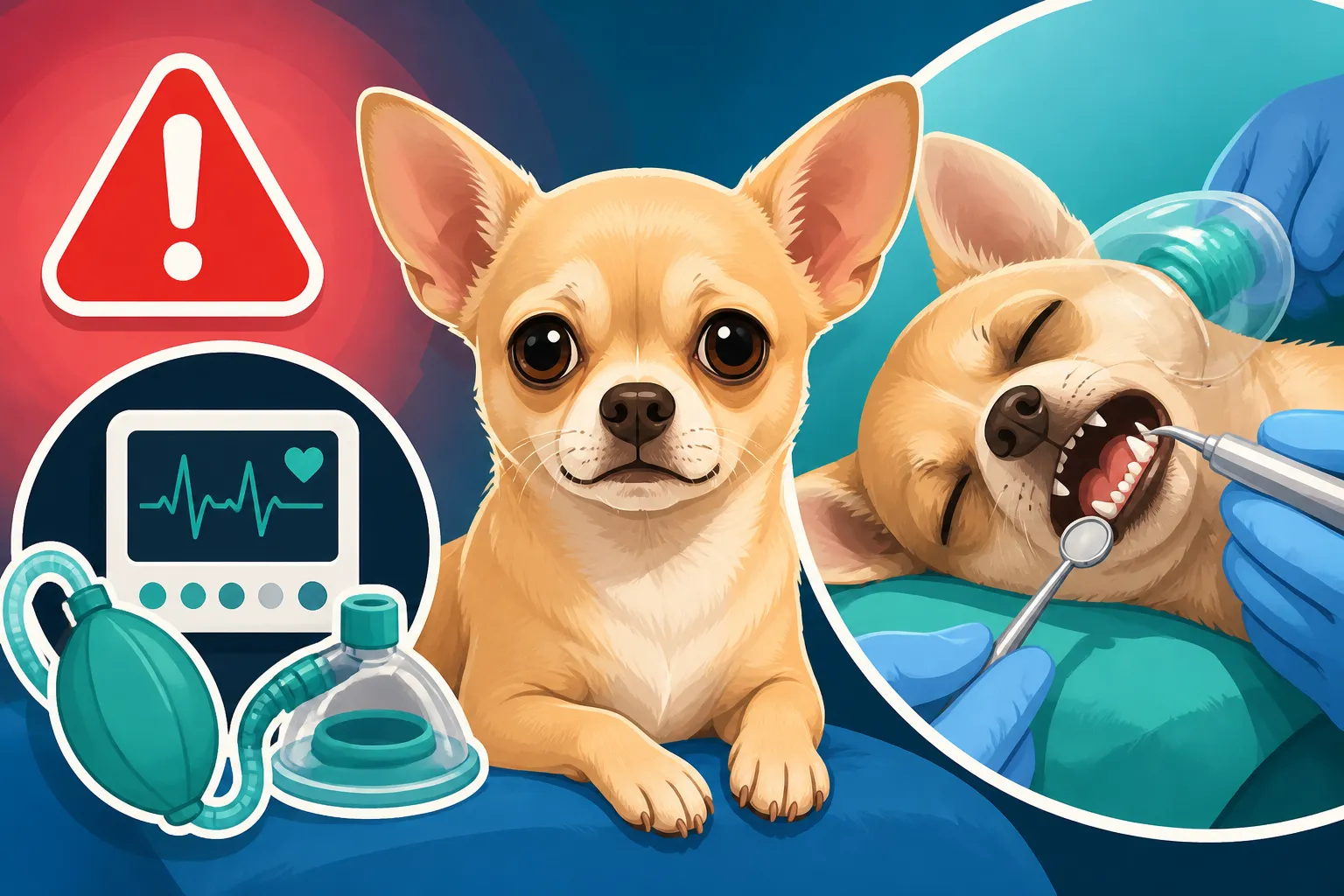
Once under anesthesia, continuous, vigilant monitoring is what keeps your Chihuahua safe. This isn't just someone periodically checking on them; it's a constant stream of data from specialized equipment. For toy breeds, this equipment often needs to be more sensitive and tailored to their small size.
Key monitoring tools include:
- Pulse Oximetry: Measures oxygen saturation in the blood. For tiny paws or ears, specialized small probes are used.
- Capnography: Measures the carbon dioxide levels in exhaled breath, indicating how well they are breathing and ventilating. This is critical for early detection of respiratory issues.
- Blood Pressure: Tiny cuffs are used on their legs or tails to get accurate readings, vital for ensuring adequate blood flow to organs.
- ECG (Electrocardiogram): Monitors heart rate and rhythm, immediately alerting staff to any arrhythmias or changes.
- Temperature Probe: Often a rectal probe, continuously monitors core body temperature, essential for preventing hypothermia.
In addition to these machines, a dedicated veterinary technician or assistant is physically monitoring your Chihuahua throughout the entire procedure. They are watching for subtle changes in breathing, gum color, capillary refill time, and eye reflexes. They're making adjustments to anesthetic gas levels, IV fluid rates, and warming devices based on the data and their observations. This human element, combined with advanced technology, creates the safest possible environment for your little one.
Anesthetic Agents and Protocols for Chihuahuas
The choice of anesthetic agents and the overall protocol is highly individualized for Chihuahuas. Vets will often opt for multi-modal anesthesia, meaning they use a combination of different drugs at lower doses, rather than relying heavily on one strong agent. This approach minimizes the side effects of any single drug and provides a smoother induction and recovery.
Commonly used agents for induction might include propofol or alfaxalone, which allow for rapid, smooth onset and quick clearance from the body. For maintenance, inhalant anesthetics like isoflurane or sevoflurane are popular because their depth can be precisely controlled and they are quickly exhaled from the lungs. Additionally, pain medications are often given before the procedure even begins, not only for comfort but also because a less painful patient requires less anesthetic, further enhancing safety. Local nerve blocks are often used during dental procedures to numb the mouth, providing excellent pain relief and reducing the need for systemic pain medication. The goal is always to use the lowest effective dose of each drug to keep your Chihuahua comfortable and still, while ensuring their vital signs remain stable. This thoughtful approach directly contributes to a safer experience for dogs where Anesthesia Risk During a Chihuahua Dental is a major consideration.
| Pre-Anesthetic Test | What It Checks For | Why It's Crucial for Chihuahuas |
|---|---|---|
| Complete Blood Count (CBC) | Red blood cell count (anemia), white blood cell count (infection/inflammation), platelet count (clotting ability). | Detects anemia, hidden infections, or clotting disorders that could complicate surgery or recovery. Important for a tiny dog where blood loss is a greater proportion. |
| Chemistry Panel | Liver function, kidney function, blood sugar (glucose), electrolytes, protein levels. | Crucial for assessing organ function, as liver and kidneys process anesthetic drugs. Checks for low blood sugar (hypoglycemia) common in small breeds, and electrolyte imbalances. |
| Urinalysis | Kidney function, urinary tract infections, hydration. | Provides additional insight into kidney health and hydration status, supplementing bloodwork. |
| Electrolyte Panel | Sodium, potassium, chloride levels. | Identifies imbalances that can affect heart function and overall metabolic stability during anesthesia. |
| Coagulation Profile | Blood clotting times. | Essential if there's any concern for bleeding disorders, especially for procedures with potential blood loss like extractions. |
| ECG (Electrocardiogram) | Heart rate, rhythm, electrical activity. | Detects arrhythmias or other heart abnormalities that might increase risk. Highly recommended for senior Chihuahuas. |
| Chest X-rays | Lung health, heart size and shape. | Screens for lung disease or heart enlargement that could impact respiratory or cardiac function under anesthesia. Recommended for older Chihuahuas or those with coughs. |
Mitigating Anesthesia Risks Before, During, and After
While the inherent risks can't be eliminated entirely, there are many proactive steps you and your veterinary team can take to dramatically mitigate them. It's truly a team effort, with you playing a vital role in the preparation and recovery phases.
Pre-Dental Preparations at Home
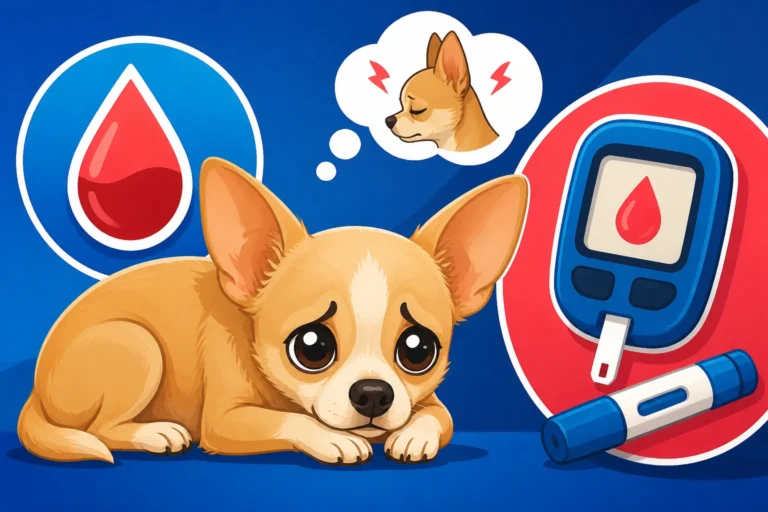
Your role begins well before the dental procedure. One of the most important instructions you'll receive is about fasting. Typically, food is withheld for 6-8 hours before anesthesia, and water for 2-4 hours. This helps prevent regurgitation and aspiration (inhaling stomach contents into the lungs) during induction or recovery, which can be life-threatening. For a small Chihuahua, this can be particularly tricky, as they are prone to Chihuahua Hypoglycemia and the Puppy Emergency. Vets will often provide specific fasting instructions tailored to their size, perhaps suggesting a very small, early breakfast or a dab of Karo syrup on the gums if they show signs of low blood sugar on the morning of the procedure.
Additionally, ensure your Chihuahua is clean and comfortable before their appointment. A nice warm bath the day before (if they tolerate it well) can help, but avoid anything that might stress them out. Make sure they get a good potty break right before leaving home, reducing anxiety and preventing accidents at the clinic. If your Chihuahua has favorite blankets or a small, familiar carrier, bringing those can offer a sense of security in an unfamiliar environment. Discuss any changes in their behavior, appetite, or bathroom habits with your vet beforehand, no matter how minor they seem. This comprehensive overview is an essential part of Senior Chihuahua Care Past the Age of Twelve, as older dogs often require even more meticulous pre-procedure planning.
Post-Anesthesia Care and Recovery at Home
The recovery period at home is just as critical as the procedure itself. Your Chihuahua might be a bit groggy, disoriented, or even a little nauseous when they first come home. Provide a quiet, warm, and comfortable space for them to rest, away from other pets or noisy children. Offer small amounts of water frequently once they are fully awake and can swallow normally. When introducing food, start with a very small portion of easily digestible food, like boiled chicken and rice, or their regular food softened with water. Follow your vet's specific instructions regarding feeding post-anesthesia, especially if extractions were performed. Remember, even with the best care, dogs can be prone to Chihuahua Hypoglycemia Signs in a Young Puppy after surgery if not fed appropriately.
Keep them warm! Provide extra blankets or a cozy bed, as they can still lose heat easily. Monitor their incisions, if any, for swelling, redness, or discharge. Watch for signs of prolonged lethargy, vomiting, diarrhea, difficulty breathing, or any unusual behavior, and contact your vet immediately if you have concerns. Administer all prescribed medications, such as pain relievers or antibiotics, exactly as directed. Your vet will likely provide a detailed discharge sheet, so read it carefully and don't hesitate to call if anything is unclear. Patience and gentle care during this time are key to a smooth recovery.
Choosing the Right Veterinary Practice
This is perhaps one of the most crucial decisions you'll make when considering an anesthetic procedure for your Chihuahua. Not all veterinary practices have the same level of experience or equipment for managing toy breeds under anesthesia. When interviewing potential clinics or discussing your Chihuahua's dental, ask specific questions:
- What pre-anesthetic testing do you require? A comprehensive panel is a good sign.
- What type of anesthetic monitoring equipment do you use? Look for pulse oximetry, capnography, blood pressure, ECG, and temperature monitoring.
- Is a dedicated veterinary technician assigned to monitor my dog throughout the procedure and recovery? This is non-negotiable for Chihuahuas.
- What warming measures do you employ? Heated tables, forced-air warming, heated IV fluids are all good indicators.
- What are your emergency protocols? Knowing they have a plan for complications is reassuring.
- Do you have experience with Chihuahuas or other toy breeds for dental procedures? Specific experience matters.
- What pain management strategies do you use before, during, and after? A multimodal approach is best.
Don't be afraid to advocate for your dog. A good veterinary team will appreciate your diligence and willingness to be informed. Practices that are transparent about their protocols and welcome your questions are often the ones providing the highest standard of care. This often reflects in the Yearly Chihuahua Dental Cleaning Bill which, while sometimes higher than expected, reflects the specialized care your tiny companion requires.
Common Anesthesia-Related Complications to Watch For
While modern anesthesia is remarkably safe, especially with the right protocols, complications can still occur. Being aware of what to look for can help you identify issues early and seek prompt veterinary attention.
Respiratory and Cardiac Issues
Respiratory complications are a significant concern for small breeds like Chihuahuas. Their tiny tracheas can be more susceptible to irritation or collapse, especially during intubation, which is the process of placing a breathing tube. Post-anesthesia, some dogs may experience temporary laryngospasm (spasm of the vocal cords) or develop pneumonia if aspiration occurred during the procedure. Signs to watch for include persistent coughing, wheezing, labored breathing, blue-tinged gums, or a general reluctance to move.
Cardiac issues, while less common, are also a risk. Even with pre-anesthetic screening, a dog could develop an arrhythmia or experience a drop in blood pressure that affects organ perfusion. For older Chihuahuas, a pre-existing, undiagnosed heart condition could manifest under the stress of anesthesia. Signs might include extreme lethargy, pale gums, weakness, or collapse. While rare, understanding the risks for conditions like Chihuahua Heart Disease as the Breed Ages is why pre-screening is so crucial. If you notice any signs of respiratory distress or cardiac compromise, even hours after returning home, it's an immediate emergency and warrants a trip back to the veterinary clinic.
Neurological Concerns and Prolonged Recovery
Some Chihuahuas may experience a prolonged or atypical recovery from anesthesia. This can manifest as excessive grogginess that lasts longer than expected, disorientation, uncoordinated movements, circling, or unusual vocalizations. While some degree of disorientation is normal right after waking up, persistent or worsening neurological signs are concerning.
In rare cases, anesthesia can unmask or exacerbate underlying neurological conditions, or in very rare instances, lead to seizures. Telling a Chihuahua Seizure From a Sugar Crash is important here. A sugar crash typically involves weakness and trembling, whereas a seizure involves loss of consciousness and uncontrolled muscle movements. If your Chihuahua seems to be having trouble recognizing you, walking into walls, or is experiencing tremors or seizures, contact your vet immediately. It's often difficult to distinguish what is "normal" post-anesthetic behavior from something more serious, so when in doubt, always call your veterinary professional.
Gastrointestinal Upset and Appetite Loss
Gastrointestinal upset is a relatively common, though usually mild, post-anesthetic complication. Nausea and vomiting can occur due to the anesthetic drugs themselves, the stress of the procedure, or even from swallowed bacteria and blood during a dental cleaning. This is often temporary and resolves within 24 hours. Diarrhea can also occur, though less frequently.
Loss of appetite is also common, particularly for the first 12-24 hours after anesthesia. Your Chihuahua might refuse their usual food, or only eat very small amounts. While some appetite suppression is expected, prolonged refusal to eat for more than 24 hours, especially if accompanied by vomiting or lethargy, is a concern. Chihuahuas need their calories, and a prolonged fast can contribute to the risk of hypoglycemia. If your dog is not eating or drinking adequately, or if vomiting and diarrhea are persistent, reach out to your vet for advice. They may recommend anti-nausea medications or appetite stimulants to help them get back on track.
The Role of Pet Insurance in Managing Dental Costs
Let's be real, veterinary care, especially specialized procedures like dental cleanings with anesthesia, can be expensive. For many Chihuahua owners, the financial aspect adds another layer of stress. This is where pet insurance can truly be a lifesaver, helping to mitigate the unexpected costs associated with ensuring your little one's health.
Understanding Dental Coverage
Dental disease is incredibly prevalent in Chihuahuas, often requiring yearly professional cleanings and sometimes extractions. This means those dental bills can add up over their long lifespan. Many pet insurance plans, like those offered by Healthy Paws, do not typically cover routine dental cleanings as part of their standard accident and illness policy, as these are considered preventative care. However, they do often cover the costs associated with treating dental disease, such as extractions, root canals, or treatment for gum disease, once a condition has developed. This is a crucial distinction.
Before enrolling, it's vital to read the fine print regarding dental coverage. Some plans might offer optional wellness riders that do cover a portion of routine cleanings. Others might have specific limits on dental claims or waiting periods for dental conditions. Understanding what your policy covers and what it doesn't is key to avoiding surprises down the line. Knowing that if a painful cracked tooth or severe gum infection leads to extractions, a plan like Healthy Paws could help with those significant surgical costs can provide immense peace of mind. Without insurance, the cost of Chihuahua Tooth Extractions From $500 to $1,500 per tooth can quickly become overwhelming, especially if multiple teeth are affected.
The Value of Early Enrollment
The adage "an ounce of prevention is worth a pound of cure" perfectly applies to pet insurance, especially for Chihuahuas. Enrolling your Chihuahua in pet insurance when they are young and healthy is the best strategy. This is because pet insurance, including providers like Healthy Paws, generally operates on the principle of pre-existing conditions. If your Chihuahua already has a diagnosed heart murmur, a history of patellar luxation, or even early signs of dental disease before you enroll, those conditions will likely be excluded from coverage.
By enrolling early, before any significant health issues arise, you maximize the chances that any future illness, accident, or disease (including unexpected dental problems that require extensive work beyond routine cleaning) will be covered. This foresight can literally save you thousands of dollars over your Chihuahua's lifespan, which can easily stretch to Chihuahua Lifespan and Why the Breed Reaches Sixteen years or more. Don't wait until a problem arises; by then, it's often too late for that specific issue to be covered.
Financial Planning for Ongoing Dental Care
Even with pet insurance, there will be out-of-pocket expenses. Most policies have a deductible, a reimbursement percentage (e.g., What 70 Percent Leaves on a Chihuahua Dental), and sometimes annual limits. This means that while insurance significantly reduces the financial burden, it doesn't eliminate it entirely. Therefore, having a financial plan for your Chihuahua's ongoing dental care, and general health, is a smart move.
Consider setting aside a small amount each month into a dedicated "Chihuahua Fund." This can cover your deductible, the percentage not reimbursed by insurance, or the costs of routine cleanings that might not be covered. Knowing that Budgeting a Chihuahua Dental Every Year is a reality, this fund can help ease the strain. Some veterinary clinics offer wellness plans that bundle preventative care, including routine dental cleanings, into monthly payments, which can be another excellent option. Whether it's a dedicated savings account, a wellness plan, or a robust pet insurance policy (or a combination of all three!), proactively planning for your Chihuahua's health ensures that you can always provide them with the best care, even when those unexpected and costly procedures arise.
Disclaimer
Please note that this guide provides general information and should not replace professional veterinary advice. Always consult with your veterinarian regarding your Chihuahua's specific health concerns and before making any decisions about their medical care.