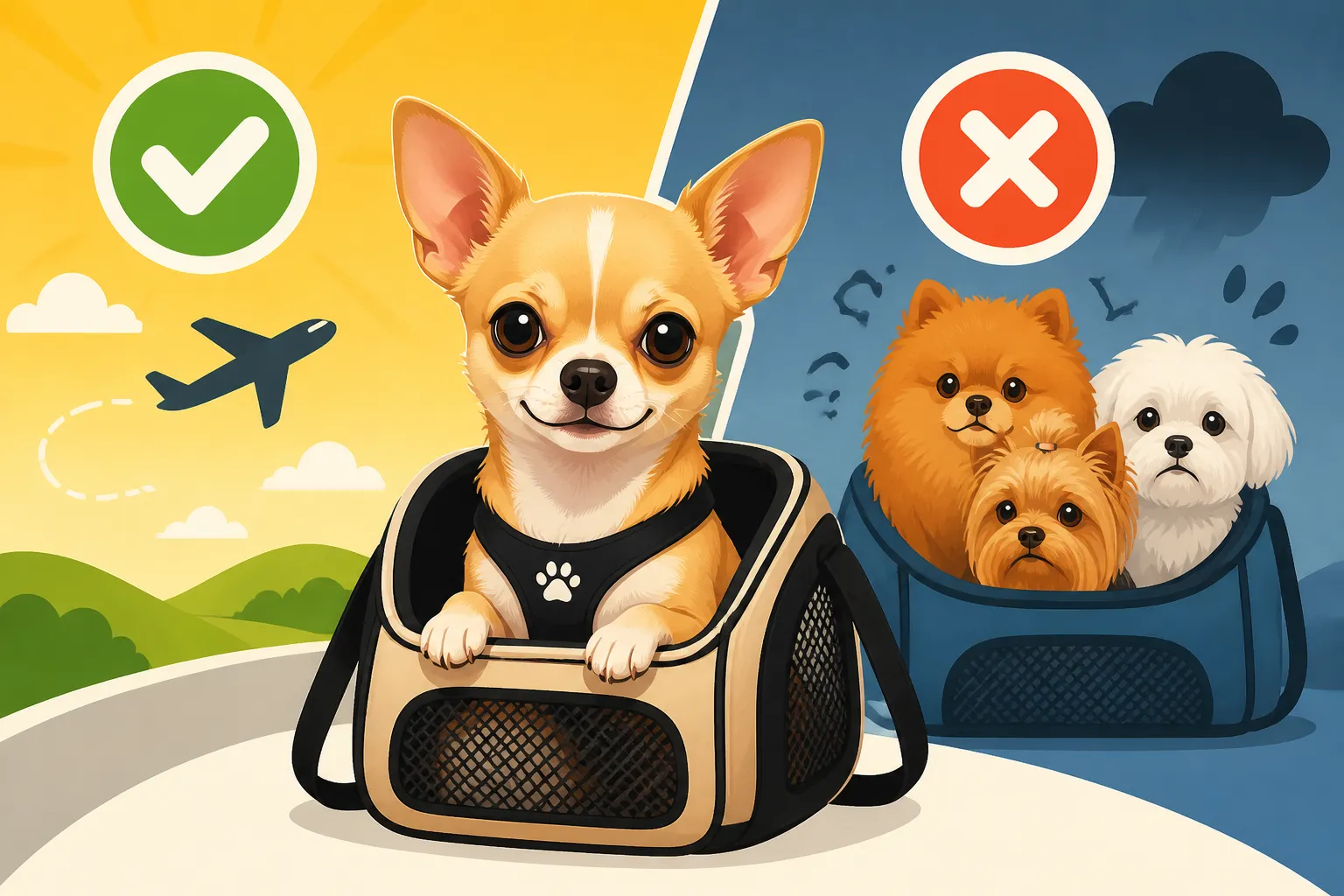
Whether a Chihuahua Travels Better Than Other Toys
One of the biggest dreams for many Chihuahua parents is taking their tiny companion everywhere with them. The idea of a pint-sized dog tucked neatly into a carrier, ready for any adventure, often fuels the decision to bring a Chihuahua into the family. While it’s absolutely true that their small stature offers incredible advantages for travel, there are also some unique considerations and challenges that come with hitting the road or skies with a six-pound wonder. This guide will walk you through the realities of traveling with a Chihuahua, comparing their travel readiness to other popular toy breeds, and helping you prepare for smooth journeys.
The Unmatched Portability of the Chihuahua for Travel
There's no denying that the Chihuahua's diminutive size is its superpower when it comes to travel. Unlike larger breeds that require extensive planning for kennel space, cargo hold arrangements, or oversized vehicle accommodations, a Chihuahua often fits seamlessly into various travel scenarios. This inherent portability isn't just a convenience; it can genuinely reduce stress for both you and your little dog.
Fitting Under the Seat on a Plane
One of the most significant benefits of traveling with a Chihuahua is their eligibility to fly in the cabin with you. Most airlines have strict size and weight requirements for pets in the cabin, typically dictating that the carrier must fit comfortably under the seat in front of you. Since Chihuahuas generally weigh between two and six pounds, and stand only five to eight inches tall, they fit easily within these parameters when placed in an appropriate soft-sided carrier. This means your beloved companion isn't subjected to the potentially terrifying and dangerous environment of a plane's cargo hold, which can be a huge relief for any pet owner.
This ability to stay close not only ensures their physical safety but also provides immense emotional comfort. Imagine the anxiety of separating from your dog at check-in; with a Chihuahua, they're right there with you, often tucked away, perhaps even sleeping, through the flight. The carrier becomes their little sanctuary, and your presence is a constant source of reassurance. Of course, getting them used to that carrier beforehand is key; you want it to be a happy, safe space, not a scary box. You might find a wide range of airline-approved carriers on Chewy, making it easier to find one that meets both airline requirements and your Chihuahua's comfort needs.
Minimal Space Requirements in Hotels and Cars
Beyond air travel, a Chihuahua's small size also simplifies other aspects of travel. When staying in hotels, you rarely have to worry about your Chihuahua taking up too much space or causing disruptions. They can snuggle into their bed in a corner, often unnoticed by other guests, which can be a relief when dealing with pet-friendly accommodations that sometimes have size restrictions. Many hotels are much more lenient with a small, quiet Chihuahua than they might be with a larger, more boisterous dog.
In the car, a Chihuahua can comfortably ride in a small travel booster seat, a secured carrier, or even a soft bed beside you (though a secured carrier or car seat is always safest). They don't demand an entire back seat or bulky crates, making road trips far less complicated logistically. This also means you have more room for luggage, souvenirs, or even other passengers. This compact nature makes spontaneous detours or last-minute road trips much more feasible, as your dog's "footprint" on your travel plans is minimal.
Discreet Companionship in Public Spaces
While it's important to respect "no pets" policies, a well-behaved Chihuahua in a subtle carrier can often be a remarkably discreet companion in pet-friendly public spaces. Their quiet nature, especially if they are properly socialized, means they're less likely to draw unwanted attention. You can carry them through bustling train stations, sit with them at outdoor cafes, or even navigate through busy marketplaces with less worry about them being underfoot or causing a commotion.
This discretion allows for a richer travel experience, as you don't always have to leave your furry friend behind. Whether it's a stroll through a pet-friendly park in a new city or enjoying a quiet moment on a hotel patio, their ability to be an unobtrusive presence means they can share more of your adventures. This is a huge advantage over larger dogs who, no matter how well-behaved, simply cannot be as inconspicuous. However, always remember that their small size also makes them vulnerable, so keeping them secure and protected, especially in crowded areas, is paramount. Why a Chihuahua Should Not Be Off Leash Outdoors is a crucial consideration here.
Addressing the Unique Vulnerabilities of Traveling Chihuahuas
While their size offers many benefits, it also comes with specific vulnerabilities that require careful planning and attention when traveling. Ignoring these can turn a dream trip into a stressful ordeal or even a medical emergency.
Heightened Anxiety and Stress Responses
Chihuahuas are known for their alert, sometimes anxious, personalities. New environments, strange sounds, unfamiliar smells, and being jostled around in transit can be incredibly overwhelming for them. Their natural instinct as a small prey animal can kick in, making them tremble, bark, or even become defensive when feeling threatened or out of their element. This isn't just "small dog syndrome" at play; it's a genuine physiological response to stress. A Chihuahua That Trembles Around Strangers or Chihuahua Separation Anxiety and Time Alone are common issues that can be exacerbated by travel.
To mitigate this, consistency and familiarity are your best tools. Bring their favorite blanket, a comfort toy, and a worn piece of your clothing that smells like home. Maintaining a regular feeding and potty schedule as much as possible helps. Consider calming aids, like a thundershirt or veterinarian-recommended supplements, if your Chihuahua is particularly prone to anxiety. Desensitization to the carrier and travel sounds before the trip is crucial; you want them to associate these experiences with positive reinforcement.
Extreme Sensitivity to Temperature Changes
One of the most critical aspects of traveling with a Chihuahua is their inability to regulate body temperature effectively. They have very little body fat, a single coat (even long-haired Chihuahuas don't have a dense undercoat for warmth), and a fast metabolism that can drop quickly if they get cold. This means a drafty car, an air-conditioned airport terminal, or a chilly hotel room can quickly lead to them becoming uncomfortably cold, or even cause their blood sugar to drop dangerously low in severe cases. Why a Chihuahua Shivers and What It Means is something every owner needs to understand.
Packing appropriate clothing for your Chihuahua isn't just about fashion; it's a necessity. Sweaters, coats, and even booties for cold pavement or snow are essential, even if you're only walking a short distance outdoors. Chihuahua Coats for Rain and Snow provides great advice on this. Always carry an extra blanket or two, and ensure their carrier has soft, warm bedding. In extreme heat, their small size also makes them prone to overheating, so proper hydration and shade are equally important. Never leave a Chihuahua unattended in a car, even for a few minutes, as temperatures can fluctuate rapidly and dangerously.
Frequent Potty Breaks and Hydration Needs
Chihuahuas have tiny bladders, meaning they need to urinate much more frequently than larger dogs. This can be a real challenge during long car rides, layovers, or when navigating busy airports where designated pet relief areas might be far and few between. A full bladder can lead to discomfort, accidents in the carrier, and increased stress. How Long a Chihuahua Can Hold Its Bladder is a question many traveling owners ponder, and the answer is "not very long!"
Hydration is equally important. While you might be tempted to restrict water to prevent accidents, a dehydrated Chihuahua can become ill quickly, especially if they are anxious or overheated. Always carry a portable water bowl and a bottle of fresh water. Offer water frequently during breaks. For long journeys, consider puppy pads for their carrier, or research indoor pet relief areas at airports beforehand. Plan your route to include frequent stops, and prioritize getting your Chihuahua out for a potty break as soon as possible after arriving at your destination.
Essential Preparations for a Smooth Journey with Your Little Companion
Successfully traveling with a Chihuahua means being meticulously prepared. It’s not just about packing their food and leash; it’s about anticipating their needs and ensuring their comfort and safety every step of the way.
Carrier Training and Acclimation
This is perhaps the most crucial step for any travel, especially by air. Your Chihuahua's carrier shouldn't be a scary box that only comes out for vet visits or stressful journeys. It needs to be a familiar, comfortable den where they feel safe and secure. Start months before your trip. Leave the carrier open in your home, with soft bedding, a favorite toy, and some treats inside. Encourage them to go in and out voluntarily. Feed them meals inside the carrier, or give them high-value chews only when they are in it.
Gradually increase the time they spend in the carrier with the door closed. Start with a few minutes, then move to longer periods. Practice carrying them around the house in it, then take short car rides. The goal is for them to associate the carrier with positive experiences and see it as their private, safe haven, not a punishment. This acclimation process will dramatically reduce their stress levels during actual travel. Think of it as their portable bedroom, a place where they can retreat and feel protected amidst the chaos of travel. For additional training tips, resources like Chihuahua Crate Training can be invaluable.
Packing the Chihuahua Travel Essentials
Just like you have a carry-on packed with necessities, your Chihuahua needs a travel bag of their own. Don't leave this to chance or assume you can pick things up along the way. Here’s a checklist:
- Food: Pack more than enough of their regular food, measured out for each day. Sudden dietary changes can cause stomach upset, which is the last thing you want on a trip. Chewy offers convenient travel-sized food containers.
- Water: Bottled water from home or a filter might be best, as different tap waters can also upset sensitive stomachs. Always bring a portable water bowl.
- Medications & Supplements: All regular meds, plus any calming supplements, motion sickness medication (if prescribed by your vet), and even a small first-aid kit with bandages, antiseptic wipes, and tweezers. Don't forget their Anti-Seizure Medication for a Six Pound Dog if they have epilepsy.
- Comfort Items: Their favorite blanket, a familiar toy, and something that smells like you.
- Potty Supplies: Puppy pads, poop bags, and a small container of enzymatic cleaner for accidents.
- Leash & Harness: A comfortable harness is essential for walks, as collars can put pressure on their delicate tracheas. Harness Fitting on a Chihuahua Chest is crucial for their comfort and safety.
- Clothing: Sweaters, coats, and booties, even if you don't think you'll need them. Weather can change.
- Health Records: Copies of vaccination records, a health certificate (especially for air travel), and your vet's contact information. This is vital in case of an emergency.
Navigating Different Travel Modes
Each mode of transport has its own nuances when traveling with a Chihuahua:
- Car Travel: Use a secured car seat or carrier to keep them safe in case of sudden stops or accidents. Never let them roam freely in the car, as they can become a dangerous projectile or distract the driver. Plan frequent stops for potty breaks and stretching. Keep the car at a comfortable temperature; avoid direct sunlight or drafts from AC vents. For longer trips, consider a pee pad in the carrier for emergencies.
- Air Travel: Book early and confirm airline pet policies, including carrier dimensions and fees, as these can change. Arrive at the airport with plenty of time to check in and find the pet relief area. Keep your Chihuahua in their carrier at all times in the airport and on the plane (unless specifically instructed otherwise). During take-off and landing, offer a chew toy or treat to encourage swallowing, which can help alleviate ear pressure. Your vet can provide a health certificate and advice on managing stress, though many vets advise against sedating small dogs for air travel due to respiratory risks.
- Train/Bus Travel: Policies vary widely by company and region. Many long-distance trains (like Amtrak in the US) allow small pets in carriers, but local buses often have stricter rules. Always check specific regulations well in advance. Again, the carrier must be a comfortable, safe space, and you'll need to manage potty breaks during stops.
How Chihuahuas Stack Up Against Other Toy Breeds on the Road
When considering "whether a Chihuahua travels better than other toys," it's helpful to compare their specific traits against other popular small breeds. Each toy breed has its own quirks that can either aid or hinder travel.
Chihuahua vs. Yorkshire Terrier
Both Chihuahuas and Yorkshire Terriers are renowned for their small size, making them excellent candidates for in-cabin air travel and easy portability. Yorkies typically weigh between four and seven pounds, putting them in a very similar weight class to Chihuahuas.
- Size & Portability: Both breeds excel here. They fit well in standard airline carriers and take up minimal space.
- Grooming: Yorkies have a long, silky coat that requires regular grooming to prevent mats, which can be a bit more high-maintenance on a trip compared to a smooth-coat Chihuahua. Long-haired Chihuahuas have feathering that also needs care, but generally less intensive than a full Yorkie coat.
- Temperament: Yorkies can be quite spirited and vocal, similar to Chihuahuas, and can also be prone to fear-based reactivity. Both require good socialization to be confident travelers. A well-socialized Yorkie, much like a well-socialized Chihuahua, can be a delightful travel companion.
- Health Concerns: Both breeds can be prone to patellar luxation and dental issues. Yorkies also commonly face collapsing trachea, which can be exacerbated by excitement or collar pressure, making a harness essential for both breeds during travel.
| Feature | Chihuahua | Yorkshire Terrier |
|---|---|---|
| Size/Weight | 2-6 lbs, fits under plane seat | 4-7 lbs, fits under plane seat |
| Grooming (Travel) | Smooth: low; Long: moderate upkeep | High, long coat can mat without daily care |
| Cold Tolerance | Low, needs sweaters/coats | Low, needs sweaters/coats |
| Travel Anxiety | Can be prone to stress, needs acclimation | Can be prone to stress, needs acclimation |
| Key Health Note | Molera, hypoglycemia, patella, dental | Collapsing trachea, patella, dental |
Chihuahua vs. Pomeranian
Pomeranians are another fluffy favorite for those seeking a small companion. They are slightly larger than Chihuahuas on average, typically weighing three to seven pounds, but their dense double coat gives them a more substantial appearance.
- Size & Portability: Poms are still very portable and can generally fit in airline carriers. However, their fluff might make them appear larger, and finding a carrier that accommodates their coat without squishing it can be a consideration for their comfort.
- Grooming: Pomeranians have a thick double coat that requires regular brushing to prevent matting, especially when traveling. Humidity or lack of grooming can quickly turn their beautiful fluff into tangles. This is generally more demanding than even a long-coat Chihuahua.
- Temperament: Poms are often energetic, outgoing, and curious. They can be vocal, much like Chihuahuas, but their confident nature might make some Poms a little more robust in new environments than a more timid Chihuahua. However, excessive barking can be a challenge in public travel.
- Health Concerns: Poms share some health concerns with Chihuahuas, such as patellar luxation and collapsing trachea. Their dense coat means overheating can be a concern in warmer climates if not managed carefully. Telling a Heart Cough From a Trachea Cough is important for both breeds as they age.
Chihuahua vs. Maltese
Maltese dogs are known for their elegant white coats and gentle demeanor. They are similar in size to Chihuahuas, usually weighing between four and seven pounds.
- Size & Portability: The Maltese is highly portable, fitting easily into most travel carriers for in-cabin flights.
- Grooming: The Maltese's long, flowing white coat is incredibly high maintenance. Daily brushing is absolutely necessary to prevent mats, and tear staining can be a persistent issue, especially when stressed or in new environments. This grooming commitment far exceeds that of a Chihuahua, even a long-coat. Traveling can make it harder to maintain their pristine appearance. Chihuahua Tear Stain Cleaning is a manageable task, but a Maltese requires significantly more effort.
- Temperament: Maltese are often described as gentle, affectionate, and relatively calm, which can make them pleasant travel companions. They tend to be less prone to the "fear reactivity" sometimes seen in Chihuahuas, though individual personalities vary. Their quiet nature might make them less likely to bark excessively during travel.
- Health Concerns: Like many small breeds, Maltese are prone to dental disease and patellar luxation. They can also have sensitive digestive systems.
In summary, while all these toy breeds benefit from their small size in travel, the Chihuahua often presents a slightly easier option in terms of grooming (especially smooth coats) and adaptability to temperature changes (with appropriate clothing). However, their potential for anxiety and temperature sensitivity requires diligent attention. Ultimately, the best traveling companion is a well-socialized, well-trained, and healthy dog, regardless of breed, whose owner understands and anticipates their unique needs.
Disclaimer
This article is for general informational purposes only and does not constitute professional advice. Laws, prices and regulations vary by location and change over time. Consult a qualified professional for guidance on your specific situation.